Keya Paha Whitetail Harvest
For many deer hunters, understanding the nuanced harvest numbers of a specific county can feel like trying to solve a puzzle with half the pieces missing. When you're looking at a unit like Keya Paha County in Nebraska, with its unique blend of habitats and challenges, it's easy to get lost in the general statewide statistics. This guide aims to clear up that confusion, offering a deep dive into the whitetail harvest in Keya Paha, exploring what makes it tick, and what hunters can realistically expect when they draw a tag for this fascinating area.
Understanding Keya Paha County's Unique Geography and Habitat
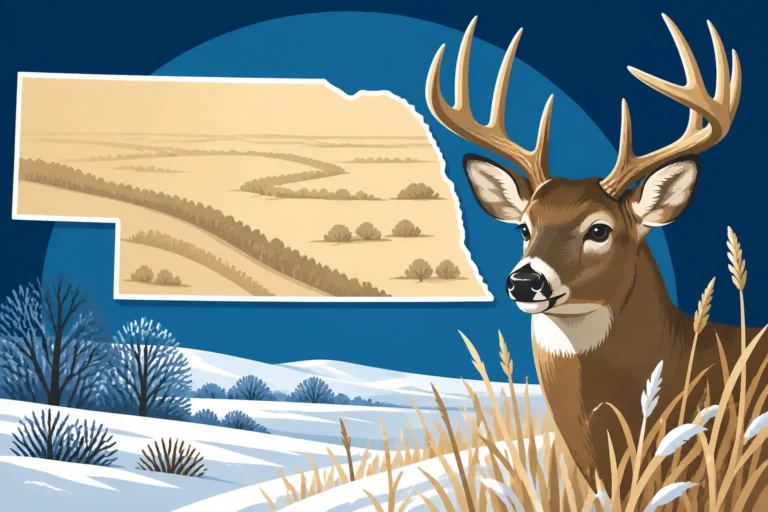
Keya Paha County, nestled in north-central Nebraska right along the South Dakota border, isn't your typical flat plains landscape. Instead, it’s characterized by a dramatic, rugged topography carved out by the Niobrara River. This isn't just a pretty view; it creates an incredible, diverse habitat that is absolutely crucial for whitetail deer.
The county's landscape is a captivating mix of steep, timbered river breaks that plunge down to the Niobrara, interspersed with deep, winding cedar draws and extensive, rolling rangeland. While much of Nebraska is agricultural, Keya Paha maintains a significant portion of native prairie and hayfields, with pockets of row crops like corn providing additional food sources. This patchwork of dense cover, water, and food is a whitetail's paradise, offering everything they need to thrive and evade hunters.
Whitetail deer naturally gravitate towards these river bottoms and the rougher breaks. The dense deciduous timber and cedar thickets provide exceptional bedding cover, especially during colder months or periods of high pressure. Water is never far, and the diverse forage found along the river and in adjacent agricultural fields ensures a steady food supply. While mule deer can certainly be found in the more open, prairie areas of Keya Paha, the whitetails dominate the heavily timbered drainages and river corridors, making it a distinctly different hunting experience than the open Sandhills.
Hunting this terrain is a physically demanding endeavor, to say the least. The steep hills, deep ravines, and often dense brush mean you'll be earning every step. However, this challenging landscape also works in the deer's favor, providing countless hiding spots and escape routes that can make them incredibly elusive. Understanding these habitat preferences is the first step in unlocking success in Keya Paha.
Historical Whitetail Harvest Trends in Keya Paha
When we look at whitetail harvest trends across Nebraska, we've seen some ups and downs over the years, often influenced by environmental factors and disease. Keya Paha County's harvest data tends to reflect some of these broader state trends but also shows some unique resilience due to its robust habitat. While you might read about Nebraska Whitetail Population Trends indicating statewide fluctuations, Keya Paha often holds its own, buoyed by its relatively untouched riverine ecosystems.
Historically, Keya Paha has been a consistent producer of whitetail deer, particularly bucks. The dense cover and relatively lower human population density compared to eastern Nebraska contribute to a healthy deer population. However, like any unit, it's not immune to external pressures. For instance, outbreaks of Epizootic Hemorrhagic Disease (EHD) can certainly impact local deer numbers, as seen with EHD Outbreaks in Nebraska Deer in various parts of the state. Similarly, while not as prevalent as EHD, Chronic Wasting Disease (CWD) is a concern across Nebraska, and hunters are encouraged to be aware of Chronic Wasting Disease in Nebraska and testing protocols.
Harvest data is meticulously collected by the Nebraska Game and Parks Commission through mandatory hunter reports, and these figures are crucial for wildlife management. They help biologists understand population health, year-to-year recruitment, and the impact of hunting pressure. Looking at these numbers, often available through platforms like GoHunt, can give hunters a fantastic edge in choosing where to apply for permits or focus their efforts. Analyzing these aggregated data points helps you visualize patterns that might not be obvious at first glance.
While specific year-over-year numbers fluctuate, the overall picture for Keya Paha often demonstrates a stable, healthy whitetail population, making it a desirable unit for hunters. Here’s a generalized look at how harvest might trend in such a unit:
| Year | Total Whitetail Harvest | Whitetail Bucks Harvested | Whitetail Does Harvested |
|---|---|---|---|
| Early 20XXs | Moderate | High | Moderate |
| Mid 20XXs | Slightly Lower | Moderate | Moderate |
| Late 20XXs | Higher | High | High |
| Early 20XYs | Stable | Moderate | Stable |
| Mid 20XYs | Lower | Moderate | Lower |
It’s important to remember that these are general trends. A single exceptional year for fawn recruitment or a particularly harsh winter can shift these numbers. Always consult the latest official harvest reports for the most current specifics.
Factors Influencing Whitetail Harvest Success in Keya Paha
Achieving success in Keya Paha isn't just about drawing a tag; it's about understanding the myriad factors that influence deer behavior and availability throughout the season. Weather, hunter pressure, and the timing of the rut are paramount in determining your harvest odds.
Weather conditions play a massive role. Harsh winters with deep snow can lead to winter kill, reducing overall deer numbers, though whitetails are generally resilient. Conversely, mild winters can lead to higher fawn survival and a more robust population. During the season itself, warm, dry conditions can make deer less active during daylight hours, pushing them into denser cover, while a cold snap or light snow can often trigger increased movement. Rain, fog, or snow can also mask human scent and sound, giving still-hunters an advantage.
Hunter pressure is another critical element. While Keya Paha isn't as heavily trafficked as some eastern Nebraska units, it still sees its share of hunters, especially during the firearm seasons. Deer quickly learn to avoid areas with high human activity, often retreating to the deepest, nastiest cover during peak hunting times. This makes Getting Private Land Permission in Nebraska invaluable, as deer may seek refuge on undisturbed private ground. However, even on public access areas, diligent Scouting Nebraska Public Ground Before Opening Day to find overlooked pockets can make a huge difference. Using digital mapping tools, many available through platforms like GoHunt, can help you identify remote corners that might see less pressure.
Perhaps the most significant factor for whitetail harvest success, especially for mature bucks, is the timing of the rut. The whitetail rut transforms deer behavior, making bucks far more vulnerable as they actively seek does. Hunters targeting Hunting the Pre-Rut in Late October will find bucks starting to scrape and rub, while those aiming for When the Whitetail Rut Peaks in Nebraska will encounter the most intense breeding activity. During the rut, tactics like Rattling and Grunting in Nebraska's Rut can be incredibly effective, as bucks are more likely to respond to territorial challenges or calls mimicking a doe. This period is when many of the larger bucks are harvested, as they throw caution to the wind in their pursuit of breeding opportunities.
Permit Availability and Hunter Strategies for Keya Paha
Securing a permit for Keya Paha County is the first step, and understanding the options and timelines is crucial. Like other units in Nebraska, Keya Paha falls under specific permit regulations. Hunters will need to consult the Nebraska Game and Parks Commission to understand Nebraska Deer Permit Types by Unit. While some permits may be available over-the-counter, many of the more desirable tags, especially those allowing for "any deer" or "any antlered deer," are often subject to a draw or sell out quickly. Checking Nebraska Big Game Permits and How to Get One well in advance of the season is paramount.
For nonresidents, the challenge can be even greater. Nebraska has a system that prioritizes resident hunters, and certain units or permit types may have limited availability for those coming from out of state. It's not uncommon for nonresident permits in popular units to sell out in a matter of hours or days once they become available. Keep a close eye on the calendar for When Over-the-Counter Permits Go on Sale if you're not participating in the draw. Utilizing services that track permit availability and draw odds, such as those often found on GoHunt, can provide a competitive edge in planning your hunt.
Once you have your Keya Paha tag in hand, developing a solid hunting strategy tailored to the terrain is vital. Given the rugged, broken nature of the county, still-hunting through creek bottoms and along the timbered edges of the Niobrara River can be highly effective. Understanding where deer bed during the day—often in dense cedar thickets or the steepest, most inaccessible parts of the breaks—and then setting up on their travel corridors to food or water sources is key. This isn't flat-ground hunting, so don't expect to just sit on a field edge. You'll likely need to work hard, cover ground, and be prepared for challenging shot angles.
Ethical hunting practices are always important, especially in areas where deer populations are carefully managed. Make sure you understand and adhere to all tagging and reporting requirements. Nebraska's regulations are designed to ensure accurate harvest data, which in turn helps maintain healthy deer populations for future generations of hunters. Being a responsible hunter means respecting the land, the animals, and the regulations, ensuring the Keya Paha whitetail harvest remains a rewarding experience for years to come.
Disclaimer
This article is for general informational purposes only and does not constitute professional advice. Laws, prices and regulations vary by location and change over time. Consult a qualified professional for guidance on your specific situation.