What Crane Tourism Is Worth to Nebraska
Many people think of Nebraska as solely a hunting destination, with its abundant deer, pheasants, and waterfowl. However, one of the state's most profound natural spectacles draws hundreds of thousands of visitors each year, not with a firearm or bow, but with binoculars and cameras: the Sandhill Crane migration along the Platte River. For local communities and the state's economy, understanding what crane tourism is worth to Nebraska is vital, as it represents a significant, non-consumptive economic driver, providing a crucial counterpoint to traditional hunting revenue and fostering a unique form of conservation.
The Platte River: A Crucial Stopover for Sandhill Cranes
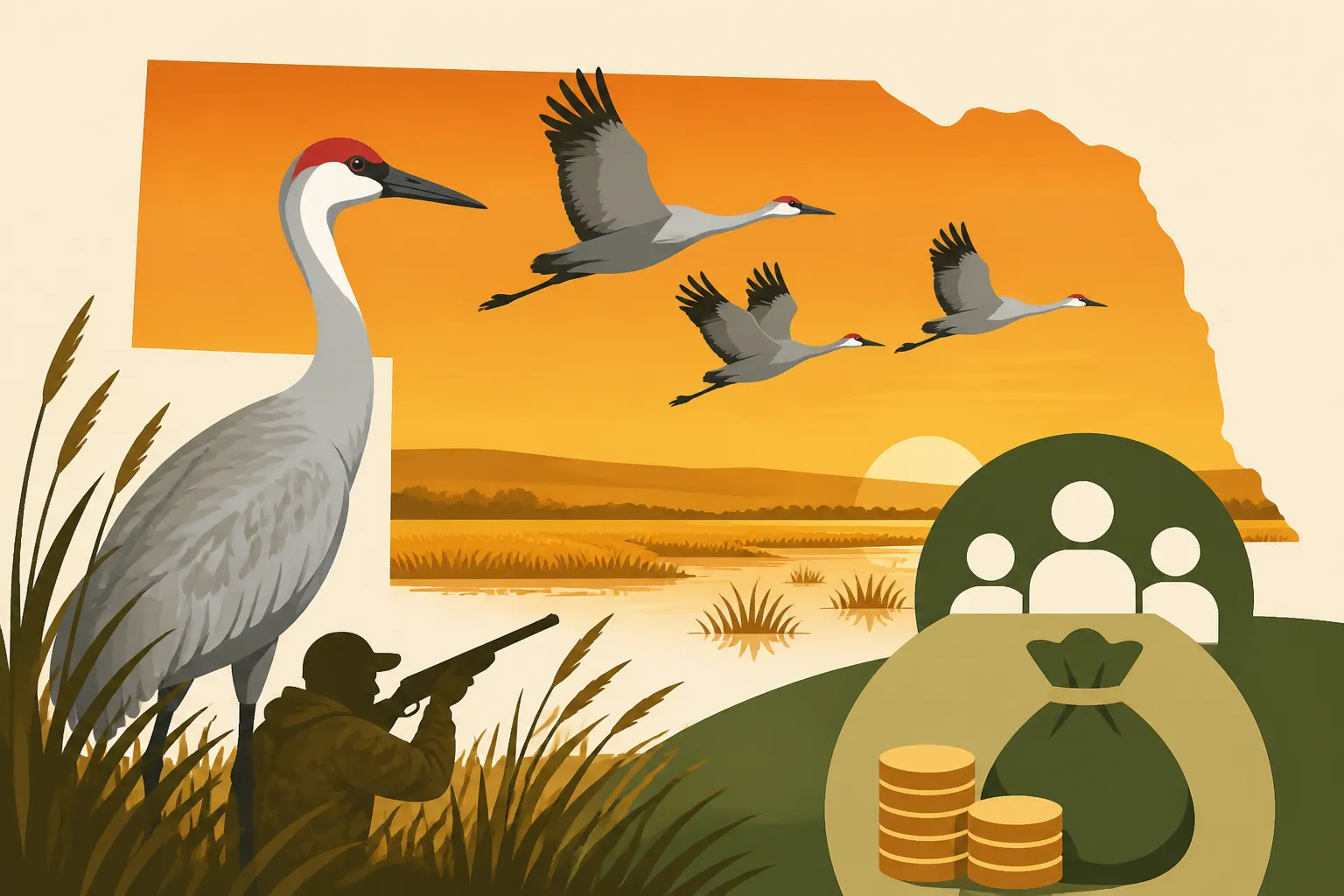
The sheer scale of the Sandhill Crane migration through Nebraska's Platte River Valley is something you truly have to witness to believe. For about six weeks each spring, typically from late February through early April, the Platte River becomes the world's most critical staging area for over 80% of the world's Sandhill Crane population. We're talking about half a million, sometimes even more, of these magnificent birds pausing their northward journey to refuel before continuing on to their breeding grounds in Canada, Alaska, and even Siberia. This makes the Platte River a true natural wonder, and a magnet for wildlife enthusiasts, photographers, and curious travelers from all over the globe.
Why the Platte River is Indispensable
The cranes aren't just stopping anywhere; they specifically seek out the unique characteristics of the Platte River. Its shallow, braided channels, dotted with exposed sandbars, provide safe, predator-free roosting sites. These wide-open river stretches mean predators can't sneak up on them under the cover of darkness. The water itself offers thermal protection from the cold March winds. Surrounding the river, the vast agricultural fields—especially those with waste corn left over from harvest—provide an absolutely essential high-energy food source. These grains allow the birds to pack on critical fat reserves, giving them the stamina for the rest of their long migration. This perfect combination of safe roosting and abundant food is what makes the Platte so irreplaceable.
A Spectacle Unmatched
Imagine standing in the pre-dawn chill, wrapped in layers, as the first hints of light begin to paint the eastern sky. The air is filled with a low, rumbling murmur, a sound unlike anything you've ever heard. As the light grows, you start to make out silhouettes lifting from the river, first in small groups, then in massive waves, all spiraling upwards, filling the sky with their ancient, bugling calls. This is the "crane ballet" – thousands upon thousands of cranes departing the river to feed in nearby fields. In the evening, the reverse happens, as they return to the river in endless streams, settling down for the night with their characteristic calls echoing across the plains. It's an emotional, almost spiritual experience that transcends simple birdwatching, drawing people back year after year. To learn more about this incredible phenomenon, you can explore Sandhill Cranes on the Platte River and When Sandhill Cranes Arrive in Nebraska.
Quantifying the Economic Impact of Crane Tourism
The question of "what crane tourism is worth to Nebraska" isn't just academic; it's a real-world consideration for businesses, communities, and conservation organizations along the Platte River. While specific numbers can fluctuate based on visitor numbers and economic conditions, studies have consistently shown that the crane migration injects millions of dollars into the local and state economy each spring. This isn't just about tickets to a viewing blind; it's a complex web of spending that supports a wide array of businesses.
Direct Spending by Visitors
When visitors flock to the Platte River Valley for the crane migration, they spend money, and that money directly fuels local economies. Think about it: they need places to stay. Hotels, motels, bed-and-breakfasts, and even Airbnb rentals in towns like Kearney, Grand Island, Alda, and Gibbon see a massive surge in bookings. They need to eat, so local restaurants, diners, and grocery stores benefit. Gas stations thrive as visitors drive to viewing sites, and souvenir shops sell merchandise related to the cranes and Nebraska's natural beauty. Many visitors also pay for guided tours or access to private viewing blinds, like those offered by the Rowe Sanctuary or Audubon's Iain Nicolson Audubon Center at Rowe Sanctuary, which are major economic contributors themselves. This direct spending is the most visible and easily trackable portion of the economic pie.
Indirect and Induced Economic Benefits
The economic impact doesn't stop with direct spending. There's a ripple effect that extends far beyond what a visitor initially spends.
- Indirect Spending: This refers to the money spent by the businesses that directly serve tourists. For example, a local hotel needs to purchase more cleaning supplies, buy more food for its breakfast bar, or hire additional staff to accommodate the influx of guests. The restaurant needs to buy more ingredients from local suppliers. These purchases support other local businesses that might not directly interact with tourists but are essential to the tourism infrastructure.
- Induced Spending: This is perhaps the hardest to visualize but equally important. When tourism-related businesses earn more, their employees earn more. Those employees then spend their increased wages in the community—on housing, groceries, clothes, entertainment, and other services. This money continues to circulate, creating further economic activity.
Taken together, these three types of spending create a significant economic boost for the region. While figures can change, research has shown that the annual crane migration can generate tens of millions of dollars in economic activity for the state. This sustained, seasonal boom is absolutely critical for many small businesses in the Platte Valley.
Here's a simplified look at how these economic impacts work:
| Type of Economic Impact | Description | Examples |
|---|---|---|
| Direct Spending | Money spent directly by visitors on goods and services related to their trip. | Lodging (hotels, B&Bs), food (restaurants, groceries), transportation (gas, car rental), tour fees, souvenirs. |
| Indirect Spending | Money spent by tourism-related businesses on local goods and services to support increased demand. | Hotels buying linens, cleaning supplies; restaurants purchasing ingredients; tour operators maintaining vehicles. |
| Induced Spending | Money spent by employees of tourism-related businesses, as their wages increase due to higher demand. | Hotel staff buying groceries, restaurant servers paying rent, tour guides purchasing clothes. |
The combined effect multiplies the initial visitor dollar, showing a robust economic ecosystem built around this natural phenomenon. Understanding Waterfowl of the Central Flyway in Nebraska gives a broader context to the importance of Nebraska for migratory birds, including cranes.
Beyond Dollars: Intangible Benefits and Conservation
While the economic figures are compelling, the "worth" of crane tourism to Nebraska extends far beyond just dollars and cents. There are profound intangible benefits that contribute to the state's identity, promote conservation, and enrich the lives of both residents and visitors. These less quantifiable aspects are just as crucial to the long-term value of the crane migration.
Community Pride and Global Recognition
The crane migration instills a deep sense of pride in Nebraskans. It’s a natural wonder that puts their state on the international map, drawing visitors from every continent. Local communities embrace their role as hosts to this incredible spectacle, often organizing festivals, educational events, and welcoming initiatives. This global recognition elevates Nebraska's image, showcasing its commitment to natural heritage and wildlife conservation. It's a source of shared identity and celebration, bringing people together around a common, awe-inspiring experience.
Educational Opportunities and Conservation Awareness
For many visitors, especially children, seeing hundreds of thousands of cranes up close is a transformative educational experience. It fosters a deeper appreciation for wildlife, ecology, and the delicate balance of ecosystems. Organizations like the Iain Nicolson Audubon Center at Rowe Sanctuary and the Crane Trust offer extensive educational programs, blind tours, and interpretive exhibits that teach about the cranes, the Platte River ecosystem, and the importance of habitat conservation. This direct engagement with nature helps cultivate a new generation of conservationists. It highlights why it's so important to protect crucial habitats like the Platte, especially when considering challenges like Wetland Loss in the Rainwater Basin which can impact migratory birds.
Moreover, the tourism revenue itself often feeds back into conservation efforts. Entrance fees, donations, and even purchases at gift shops directly support the ongoing work of protecting and restoring critical crane habitat. This creates a virtuous cycle: the spectacle draws visitors, their spending supports the local economy, and a portion of that support helps ensure the spectacle continues for future generations. It's a powerful example of how non-consumptive wildlife recreation can directly fund the preservation of the resource it enjoys.
Supporting Crane Tourism and Conservation Efforts
The continued success of crane tourism in Nebraska relies heavily on public support, both from visitors and residents. If you're passionate about preserving this incredible natural wonder and ensuring its economic and ecological benefits persist, there are several ways you can contribute. This isn't just about showing up with a camera; it's about active participation and responsible engagement.
Responsible Visiting and Local Support
When you plan your visit to witness the Sandhill Crane migration, making responsible choices can significantly amplify the positive impact. Choose local accommodations, dine at local restaurants, and buy your souvenirs from small businesses in the Platte River Valley towns. These actions directly channel your tourism dollars back into the communities that host the cranes. Additionally, be mindful of the rules and guidelines for crane viewing, whether you're utilizing public access points or guided tours. Respect private property, stay on designated paths, and maintain a safe distance from the birds to avoid disturbing them. Information on how to access viewing areas can often be found through resources like Platte River Public Access.
Engaging with Conservation Organizations
One of the most impactful ways to support crane tourism and conservation is by directly engaging with the organizations dedicated to protecting the Platte River and its wildlife. The Iain Nicolson Audubon Center at Rowe Sanctuary and the Crane Trust are two prominent entities whose work is integral to the cranes' survival. They manage critical habitat, conduct scientific research, and provide unparalleled viewing opportunities and educational experiences. Visiting their facilities, purchasing a membership, or making a direct donation ensures they have the resources to continue their vital work. These organizations also offer programs that help you understand the nuances of the ecosystem and how species like Whooping Cranes on the Platte River also rely on these efforts.
Beyond financial support, consider volunteering your time if you're a local. Every bit of help, from trail maintenance to educational outreach, strengthens the collective effort to preserve this irreplaceable migration. It's a testament to Nebraska's dedication that, unlike many other flyway states, there is no hunting season for these magnificent birds in Nebraska, highlighting that Nebraska Is the Only Flyway State Without a Crane Season and emphasizing their value as a non-consumptive resource. Ultimately, the worth of crane tourism to Nebraska is a multifaceted gem: a thriving economic engine, a source of profound community pride, and a powerful catalyst for conservation that secures this natural wonder for generations to come. Understanding how organizations like Nebraska Game and Parks How Game and Parks Counts Wildlife can help you appreciate the scientific effort behind conservation management.
Disclaimer
This article is for general informational purposes only and does not constitute professional advice. Laws, prices and regulations vary by location and change over time. Consult a qualified professional for guidance on your specific situation.