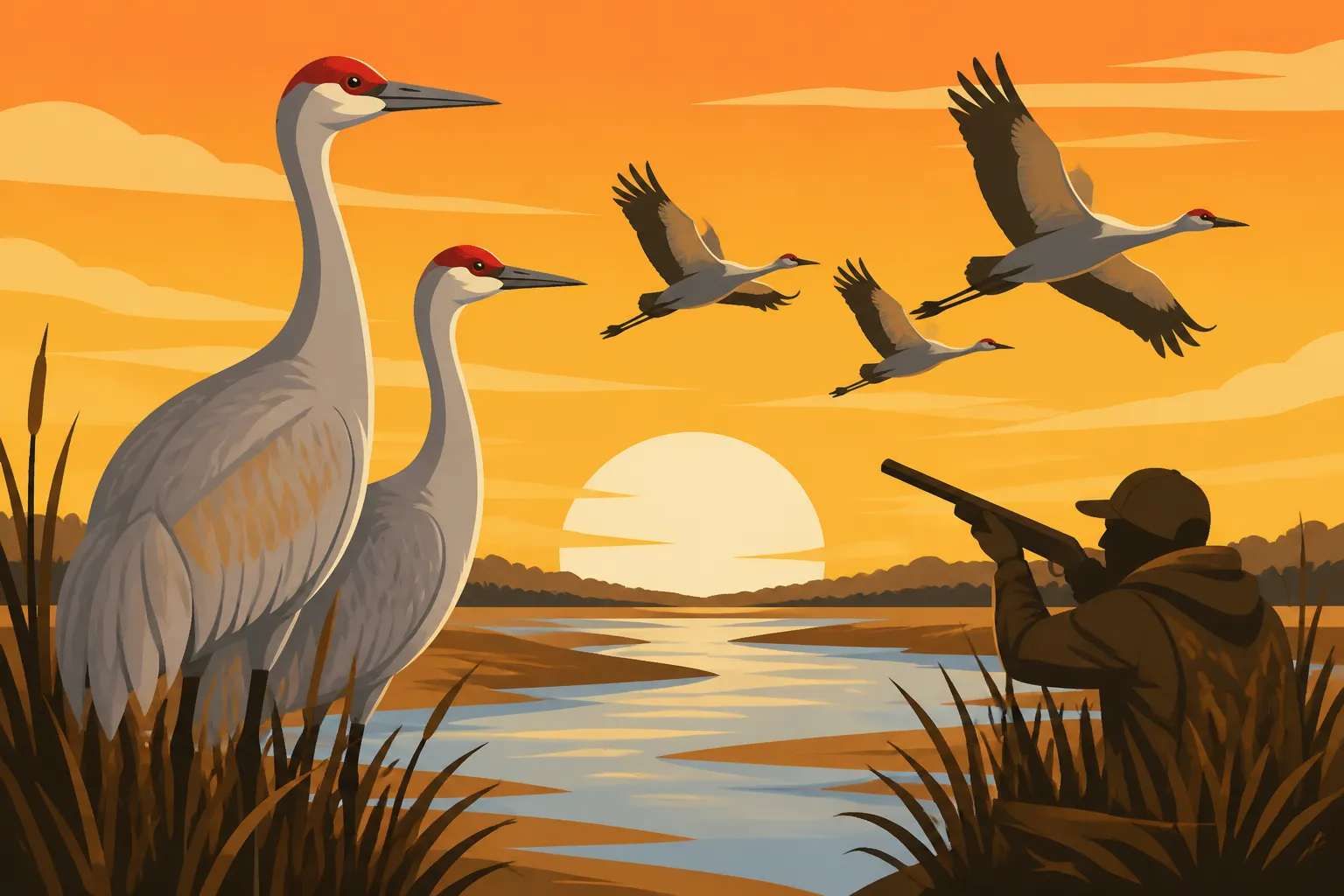
Sandhill Cranes on the Platte River
There are few natural phenomena in Nebraska that capture the imagination quite like the annual spring migration of sandhill cranes. If you've ever stood on the banks of the Platte River at dawn or dusk in March, you understand the overwhelming, almost primal experience of millions of birds descending upon or lifting from the shallow waters. It's a breathtaking ballet of wings and sound that can leave you speechless, yet for many, the sheer scale and significance of this ancient gathering remain a mystery. This guide will walk you through everything you need to know about these magnificent birds and their critical reliance on the Platte.
The Annual Spectacle: Why Sandhill Cranes Flock to the Platte
Every spring, a primal call stirs in the genetic memory of sandhill cranes across North America, guiding them to a narrow 80-mile stretch of the Platte River in central Nebraska. It's not just a stopover; it's a critical staging ground, a bottleneck in their monumental migration where nearly 80% of the world's sandhill crane population congregates. To witness this spectacle is to connect with something truly wild and ancient, a tradition that has played out over millennia.
Millions of Wings: The Sheer Scale of the Migration
Imagine a landscape transformed by the sheer force of nature. In late February and early March, the Platte River valley becomes just that. Up to half a million sandhill cranes can be found roosting, feeding, and dancing in this relatively small area. The sky darkens as huge V-formations descend, and the air vibrates with their calls. It's not uncommon to see thousands upon thousands of cranes in a single field, their rust-colored plumage blending with the harvested corn stubble. This concentration is unparalleled, making it one of the greatest wildlife spectacles on Earth.
When they lift off in the morning, the sound is like a roaring river, a symphony of guttural bugles and chirps that builds into a crescendo. Then, as the sun begins to paint the eastern sky, they spread out into the surrounding fields, feeding on waste grain and preparing for the next leg of their journey. It's a logistical marvel that these birds manage to coexist in such numbers, a testament to the Platte's bounty and their intricate social structures.
Ancient Instincts: What Draws Them to Nebraska
So, what is it about this particular stretch of river? The answer lies in a combination of instinct, geography, and an enduring ecological niche. For thousands of years, the sandhill cranes have followed this migration route, passing down the knowledge through generations. The wide, shallow, braided channels of the Platte provide ideal protection from predators like coyotes and bobcats. These birds prefer to roost in water that is only a few inches deep, allowing them to detect approaching danger by sound and ripple.
Furthermore, the surrounding agricultural fields, primarily corn, offer an abundant and readily available food source. The waste grain left after harvest provides the crucial energy reserves these birds need to fuel their arduous journey north to their breeding grounds in Canada, Alaska, and Siberia. It's a perfect storm of safety and sustenance, making the Platte an irreplaceable waypoint.
The Sound and the Fury: An Unforgettable Experience
To truly appreciate the sandhill crane migration, you must experience it with all your senses. The sight of endless ribbons of cranes against a fiery sunset is just the beginning. The sound is perhaps even more profound. Their unique, rattling bugle calls carry for miles, a haunting and continuous chorus that can be both overwhelming and incredibly soothing. It's a sound that has echoed across these prairies for ages, connecting us to a timeless natural world.
The experience is often described as spiritual, a moment where you feel intensely connected to the pulse of the planet. Whether you're standing silently in a blind before dawn, listening to the cacophony build, or watching thousands take flight at once, the energy is palpable. It's a powerful reminder of the delicate balance of nature and the incredible journeys that unfold right here in our own backyard.
The Platte River: A Critical Stopover Habitat
The Platte River isn't just any river; it's a lifeline for these cranes and countless other species. Its unique characteristics, shaped by millennia of geological and hydrological forces, make it an indispensable habitat for the sandhill crane's spring migration. Without the specific conditions found here, this massive congregation simply wouldn't be possible.
Shallow Braided Channels: Ideal Roosting Grounds
The Platte River, particularly in its central stretch, is renowned for its wide, shallow, and braided channels. This "braided" characteristic means the river splits into multiple smaller channels, constantly shifting and reforming sandbars and islands. These wide, open channels, often less than 10 inches deep, are precisely what sandhill cranes seek for safe roosting. They provide an expansive, predator-free zone where thousands of birds can gather at night.
The shallow water prevents land-based predators from easily ambushing them, and the open sightlines allow them to spot aerial threats far in advance. During the day, these same sandbars become important loafing areas where cranes can preen, rest, and engage in their famous courtship dances. The integrity of these braided channels is absolutely paramount to the cranes' survival during their stay.
Cornfield Fueling Stations: Sustenance for the Journey
While the river offers safety, the surrounding agricultural landscape provides the energy. The vast cornfields that dominate central Nebraska's plains are crucial feeding grounds for the cranes. After the fall harvest, a significant amount of waste grain remains on the ground, a readily available buffet for the migrating birds. This waste corn is incredibly rich in carbohydrates, providing the high-energy fuel needed for their long journey to Arctic breeding grounds.
Cranes spend their days foraging in these fields, often walking for miles, gleaning every last kernel. This reliance on agricultural waste highlights a fascinating intersection between human land use and wildlife migration. The presence of these fields, and the waste grain they provide, has become an integral part of the crane's migratory strategy, influencing where and how long they stop in Nebraska.
Hydrology and Habitat Loss: The Changing River
Unfortunately, the Platte River's unique hydrology, so vital to the cranes, has faced significant challenges over time. Diversion of water for irrigation, municipal use, and other agricultural practices has drastically altered the river's flow, often reducing it to a trickle during critical periods. This loss of flow allows vegetation to encroach on the sandbars and channels, making them less suitable for roosting cranes. What was once a wide, open river can become choked with trees and shrubs.
Conservation efforts are constantly underway to try and restore more natural flow regimes and manage vegetation, but it's an ongoing battle against decades of human impact. Understanding the delicate balance of water flow and habitat is key to ensuring the Platte remains a haven for these magnificent birds. The long-term health of the river, as highlighted in discussions around Wetland Loss in the Rainwater Basin, is intertwined with the future of these migratory species.
The Crane's Journey: Migration Patterns and Timing
The sandhill crane migration is a meticulously timed event, driven by ancient biological clocks and the changing seasons. Their journey is a testament to their endurance and navigational prowess, connecting far-flung ecosystems across the continent.
When Sandhill Cranes Arrive in Nebraska: Peak Season Unpacked
While a few early birds might show up in February, the main influx of sandhill cranes typically begins in early March, reaching its peak around the middle of the month. It's a gradual build-up, almost like a slow-motion avalanche of feathers and sound. By mid-March, the river and surrounding fields are teeming with birds. This timing is critical, coinciding with the thawing of the ground and the availability of waste grain in the fields.
Their stay is relatively short but intense, lasting through late March and into early April. As temperatures rise and the days lengthen, signaling the approaching breeding season, the cranes begin to depart. For those wishing to witness this incredible event, hitting the sweet spot of mid-March often offers the most concentrated viewing opportunities. To get a better sense of the specific dates, one might research When Sandhill Cranes Arrive in Nebraska for more detailed annual forecasts.
Northward Bound: The Spring Departure
Just as their arrival is a spectacle, their departure is a gradual thinning of the ranks. As the days warm up and new growth appears across the northern plains, the cranes start to feel the pull towards their nesting grounds. They've replenished their fat reserves on the Platte, engaged in vital courtship rituals, and are now ready for the final, most demanding leg of their journey.
The departure isn't a single mass exodus. Instead, smaller groups and individuals peel off, continuing their northward migration in waves. By mid-April, most of the cranes have left the Platte River valley, leaving behind a quieter landscape, ready for the next cycle of life to unfold. Their journey continues across vast distances, with some populations traveling thousands of miles to reach their remote Arctic and subarctic breeding areas.
Western vs. Eastern Populations: Different Routes
It's important to remember that not all sandhill cranes are created equal, at least in terms of their migratory paths. While the Platte River hosts the vast majority of the Mid-Continent Population, other populations exist and follow different routes. The Lesser Sandhill Crane, a subspecies of the Mid-Continent Population, makes up the bulk of the birds seen on the Platte. These birds funnel through Nebraska on their way to breeding grounds in the Canadian Arctic and Alaska.
Other populations, such as the Eastern Population, migrate through states further east, utilizing wetlands and agricultural areas in states like Indiana and Michigan. Then there are resident populations that don't migrate at all, found in states like Florida and Mississippi. The Platte River's significance is primarily for that massive Mid-Continent Population, making it a critical hub for a significant portion of the species. Understanding these distinct populations helps illustrate the diverse strategies these birds employ to survive.
Ecological Significance and Conservation Efforts
The presence of millions of sandhill cranes on the Platte is not just a pretty sight; it's a vital part of the regional ecosystem and a powerful indicator of environmental health. Their future is inextricably linked to ongoing conservation efforts and how we manage our natural resources.
Ecosystem Engineers: Cranes' Role in the Landscape
Sandhill cranes are more than just beautiful migrants; they play a role in shaping the ecosystems they inhabit. As they forage in wetlands and agricultural fields, they help to aerate the soil, disperse seeds, and consume insects and small vertebrates. Their sheer numbers also mean they transport nutrients across vast distances, contributing to the health of diverse habitats. In wetlands, their feeding habits can help manage vegetation, preventing areas from becoming overgrown.
They are also a "flagship species" – their presence and health often reflect the health of the entire ecosystem. If the cranes are struggling, it's a strong signal that the wetlands, rivers, and agricultural lands they rely on are also under stress. Therefore, protecting sandhill cranes means protecting a much broader web of life and the integrity of the natural systems they depend upon.
Collaborative Conservation: Protecting the Platte
Given the critical importance of the Platte River, extensive conservation efforts are focused on preserving its ecological function. Organizations like the National Audubon Society's Rowe Sanctuary, the Crane Trust, and many state and federal agencies work tirelessly to maintain and enhance crane habitat. This includes acquiring and managing land along the river, planting native grasses, managing river channels to prevent vegetation encroachment, and working with landowners to implement conservation-friendly agricultural practices.
These efforts are often collaborative, involving biologists, landowners, volunteers, and funding from various sources. The goal is not just to protect the cranes, but the entire Platte River ecosystem, including other migratory birds like ducks and geese, and fish populations. It's a monumental task, but the dedication to this iconic migration drives innovation and partnership. These large-scale partnerships are vital to addressing challenges like Wetland Loss in the Rainwater Basin and ensuring future generations can experience the migration.
Nebraska Is the Only Flyway State Without a Crane Season: A Unique Management Approach
One aspect that often surprises people is that while sandhill cranes are hunted in other states within the Central Flyway, Nebraska has chosen a different path. Nebraska Is the Only Flyway State Without a Crane Season. This decision reflects the state's recognition of the immense conservation value and cultural significance of the crane migration, particularly given the massive concentration on the Platte. Instead of managing them as a game species, Nebraska focuses entirely on managing their habitat and promoting non-consumptive uses like wildlife viewing and tourism.
This unique approach sets Nebraska apart and underscores the state's commitment to preserving this natural wonder for its intrinsic value and for the benefit of ecotourism. While hunting is a valid management tool for many species, for sandhill cranes in Nebraska, the emphasis is on awe and appreciation, not harvest.
Experiencing the Cranes: Viewing and Photography
Witnessing the sandhill crane migration is a bucket-list experience for many nature enthusiasts and photographers. Thankfully, there are excellent opportunities to observe these birds up close, provided you approach the experience with respect and patience.
Prime Viewing Locations: Where to Witness the Spectacle
The central Platte River valley offers several prime locations for crane viewing. The most well-known are the Rowe Sanctuary near Gibbon and the Crane Trust's Wild Rose Ranch near Alda/Grand Island. Both organizations offer guided tours and access to viewing blinds located strategically near the river. These blinds provide an unparalleled, intimate experience, allowing you to be incredibly close to the roosting birds without disturbing them. Reservations for these blinds are often highly sought after and need to be made well in advance.
Beyond the organized tours, many public roads and designated viewing areas offer excellent opportunities, especially for observing cranes feeding in cornfields during the day. Areas around Kearney, Grand Island, and Gibbon are prime locations. Just be sure to respect private property and always view from public access points or with landowner permission. A good resource for finding access points in the broader region would be the Platte River Public Access maps available from Nebraska Game and Parks.
Ethical Viewing Practices: Respecting Wildlife and Habitat
When viewing sandhill cranes, ethical practices are paramount to ensure the birds are not disturbed and their critical habitat remains healthy. Always maintain a respectful distance, especially near roosting areas. If cranes exhibit signs of agitation (cranes standing tall, stretching necks, or taking flight), you're too close. Never attempt to "flush" cranes for a better photo; this wastes their precious energy reserves, which are vital for migration.
Stay on designated paths and roads, and never trespass on private land. Photography with long lenses is encouraged to capture stunning images without intrusion. If you're visiting blinds, follow all instructions from guides implicitly. Remember, you are a guest in their temporary home, and their well-being comes first. A disturbed crane is a stressed crane, and this can impact their ability to complete their migration successfully.
What Crane Tourism Is Worth to Nebraska: Economic Impact
While the intrinsic value of the crane migration is immeasurable, it also brings a significant economic boost to central Nebraska. Every spring, thousands of visitors from across the globe descend upon the Platte River valley, staying in hotels, eating at local restaurants, and purchasing goods and services. This influx of tourism supports local businesses and creates jobs, providing a tangible benefit to the communities that host this natural wonder.
The economic impact, or What Crane Tourism Is Worth to Nebraska, is substantial, demonstrating that conservation can go hand-in-hand with economic development. This helps reinforce the importance of protecting the cranes and their habitat, not just for nature's sake, but for the livelihoods of the people who call this region home. It’s a powerful argument for continued investment in wildlife conservation and public access initiatives.
Challenges and Threats to Nebraska's Sandhill Cranes
Despite the grandeur of their migration, sandhill cranes face a myriad of challenges, from habitat loss to disease. Understanding these threats is crucial for appreciating the ongoing conservation efforts and the delicate balance of their existence.
Wetland Loss and Habitat Degradation
One of the most pressing threats to sandhill cranes, and indeed many migratory birds, is the ongoing loss and degradation of wetland habitats. While the Platte River itself is a critical stopover, the broader network of wetlands across Nebraska, including the vital Rainwater Basin Waterfowl Numbers region, serves as auxiliary feeding and resting areas. These wetlands are under constant pressure from agricultural conversion, development, and altered hydrology. When these wetlands disappear or are degraded, it reduces the overall carrying capacity of the flyway, putting more pressure on the remaining pristine areas.
The quality of the Platte River habitat itself is also a concern. As mentioned earlier, reduced water flows lead to vegetation encroachment on sandbars, making them less suitable for roosting. Maintaining the wide, open, and shallow nature of the river is a continuous battle requiring significant effort and resources. Every acre of restored or protected wetland and every management action on the river contributes to the cranes' ability to thrive.
Disease and Environmental Factors: Avian Influenza Concerns
Like any species congregating in such massive numbers, sandhill cranes are susceptible to disease outbreaks. Avian Influenza in Prairie Waterfowl is a recurring concern, as these viruses can spread rapidly through dense populations. While cranes are generally hardy, a severe outbreak could have devastating consequences for the Mid-Continent Population. Biologists constantly monitor crane health and track disease prevalence to understand and mitigate these risks.
Beyond disease, environmental factors such as severe weather events during migration can also pose significant threats. Late blizzards, prolonged droughts, or unusual temperature swings can impact food availability, energy expenditure, and overall survival rates. Climate change introduces further uncertainty, potentially altering migratory timing and the availability of critical habitats and food sources.
Human Development and Disturbances
As human populations grow and development expands, the cranes' habitat increasingly comes into contact with human activity. Residential and commercial development near the river can increase disturbance, pushing cranes away from preferred roosting and feeding areas. The constant hum of traffic, the lights of towns, and increased recreational use of the river can all contribute to cumulative stress on the birds.
It's a delicate balance to allow for both human presence and wildlife protection. The goal of conservation efforts is often to create buffer zones, minimize light and noise pollution, and educate the public on responsible viewing practices to reduce these disturbances. Each individual visitor plays a role in minimizing their footprint and ensuring the cranes can continue their age-old journey undisturbed.
| Crane Activity | Key Habitat Need | Best Time/Location to Observe (Generally) | Importance |
|---|---|---|---|
| Roosting | Wide, shallow, braided river channels | Dawn/Dusk on Platte River | Safety from predators, communal rest |
| Feeding | Harvested cornfields, wetlands | Mid-morning to late afternoon, fields | Energy for migration and breeding |
| Dancing/Courtship | Open sandbars, fields | Late morning/early afternoon, fields/river | Mate selection, pair bonding |
| Drinking/Preening | Shallow river edges, calm pools | Throughout the day, river | Hydration, feather maintenance |
| Flying (commute) | Open air corridors | Dawn (to fields), Dusk (to roost) | Travel between roosts and feeding areas |
Disclaimer
This article is for general informational purposes only and does not constitute professional advice. Laws, prices and regulations vary by location and change over time. Consult a qualified professional for guidance on your specific situation.