What Causes an EHD Outbreak
It's a sight no hunter ever wants to see: finding a dead deer, often near a water source, with no visible bullet wound or obvious trauma. The confusion, and frankly, the heartbreak, can be immense. For those of us who cherish Nebraska's deer herds, encountering such a scene often points to a mysterious and devastating illness known as Epizootic Hemorrhagic Disease, or EHD. This guide is here to unravel the complexities of EHD, explaining what causes these outbreaks, why they seem to hit certain areas harder, and what it means for our cherished wildlife and hunting seasons.
Understanding Epizootic Hemorrhagic Disease (EHD)
When we talk about EHD, we're discussing a very specific type of virus that primarily affects white-tailed deer, though it can also impact mule deer, elk, and pronghorn to a lesser extent. It's a naturally occurring disease that has been observed for decades, but its presence and severity can fluctuate wildly from year to year, leaving hunters and wildlife managers alike wondering what triggers such devastating die-offs.
The Virus Itself and How It Works
EHD is caused by an orbivirus, a group of viruses that are transmitted by insects. Crucially, EHD is not contagious in the typical sense; deer don't spread it directly to one another like a cold. Instead, it requires a specific insect vector to move from one animal to the next. Once a deer is infected, the virus attacks the lining of blood vessels throughout its body. This leads to internal hemorrhages, which is where the "hemorrhagic" part of the name comes from. The deer essentially starts to bleed internally, and its organs can become damaged.
The severity of the disease in an individual deer can vary. Some deer might only experience mild symptoms and recover, often developing immunity. Others, particularly those with no prior exposure or a weaker immune system, succumb quickly to the infection. It's truly a brutal disease to witness the effects of, and it often strikes when deer are otherwise healthy.
Common Symptoms in Affected Deer
If you're out scouting or hunting and find a deer that appears sick or has recently died, knowing the signs of EHD can help you understand what's happening in your local herd. Deer affected by EHD typically develop a high fever, become lethargic, and lose their appetite. Because of the fever, they're often driven to seek out water, which is why you frequently find carcasses near streams, ponds, or other bodies of water.
Other noticeable symptoms include swelling of the head, neck, tongue, and eyelids. Their tongues might appear blue or purple due to lack of oxygen. Ulcerations or sores can develop on the tongue, inside the mouth, or even on the hooves. In severe cases, the hooves may even slough off. These symptoms are a clear indicator of the vascular damage the virus inflicts. It's important to differentiate these signs from other deer ailments, such as those related to Chronic Wasting Disease in Nebraska. For instance, CWD typically presents as chronic weight loss and neurological symptoms, whereas EHD is more acute and characterized by fever and internal bleeding.
The Role of Midges: The Tiny Culprits
While the EHD virus itself is the cause of the disease, it couldn't spread without a very specific carrier: tiny, biting insects known as midges. These little pests are the true unsung villains of EHD outbreaks, and understanding their life cycle is crucial to grasping why and when EHD becomes a problem.
The Lifecycle of the Biting Midge
The primary vector for EHD is the Culicoides midge, sometimes called a "no-see-um" due to its minuscule size. These aren't your typical mosquitoes, though they are related. What makes these midges so problematic for deer is their breeding habits. Culicoides midges thrive in muddy, moist environments. They lay their eggs in damp soil, particularly along the edges of drying ponds, stagnant puddles, and slow-moving or receding creek banks.
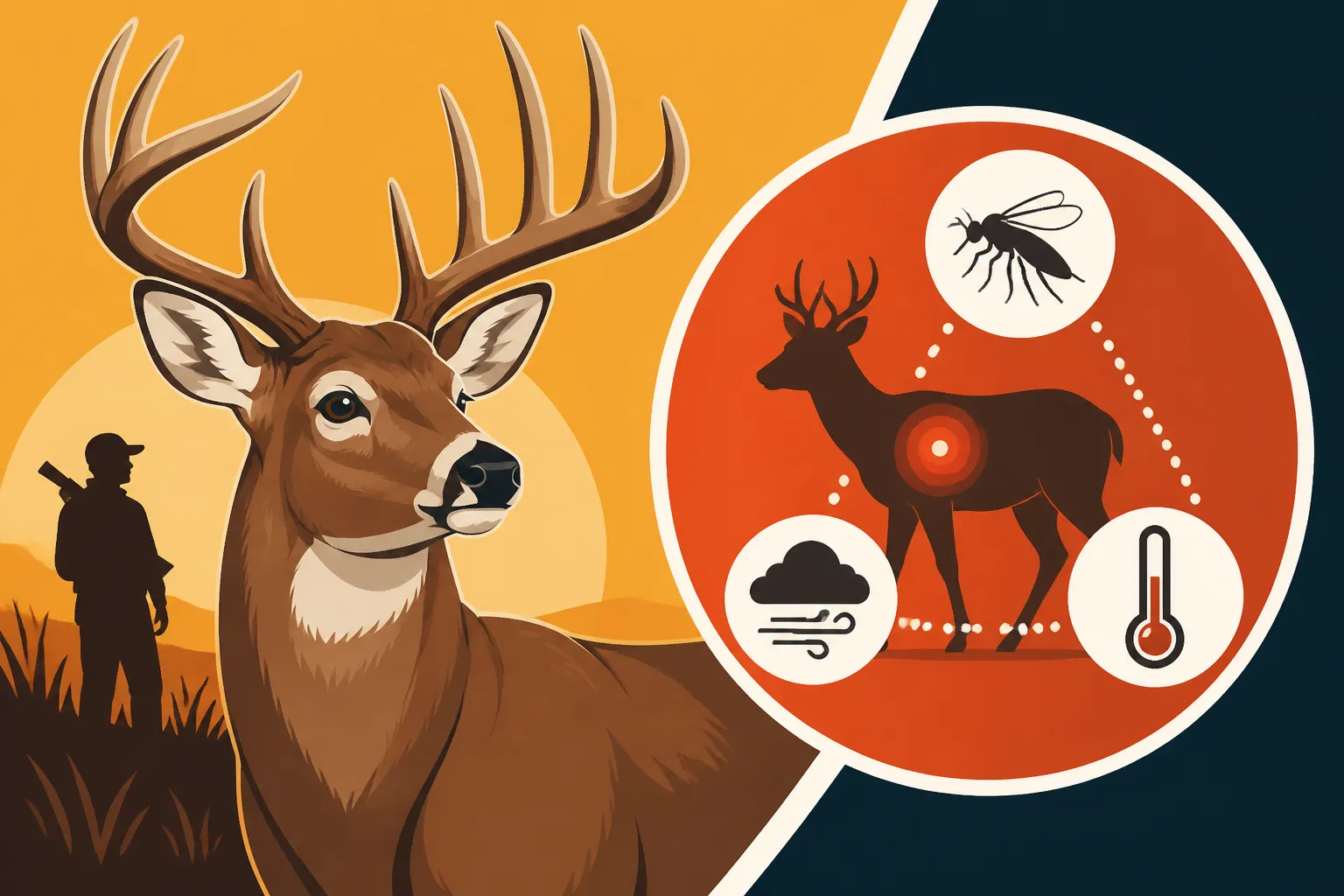
When environmental conditions align perfectly – think hot weather followed by a period of drought that causes water levels to drop and create these ideal muddy breeding grounds – midge populations can explode. A single infected midge can bite a deer, transmit the virus, and then go on to bite other deer, spreading the disease rapidly throughout a localized area. These insects are short-lived, but during an outbreak, their numbers can be astronomical, leading to intense transmission.
How the Virus Transmits from Midge to Deer
The process is fairly straightforward, albeit devastating. An uninfected midge bites a deer that is carrying the EHD virus. The midge then ingests the virus with the deer's blood. The virus replicates within the midge, and once the midge becomes infectious, it can then transmit the virus to a healthy, uninfected deer during its next blood meal. This cycle continues, with midges acting as flying hypodermic needles, moving the virus from one deer to the next.
The crucial takeaway here is that EHD outbreaks are entirely dependent on the presence and abundance of these biting midges. Without them, the virus simply cannot spread. This is why the timing and severity of outbreaks are so closely tied to specific weather patterns and environmental conditions that favor midge proliferation. When you're thinking about EHD Outbreaks in Nebraska Deer, it's almost always a story about the weather and these tiny insects.
Environmental Factors That Fuel Outbreaks
It’s not just the presence of the virus or the midges that causes an EHD outbreak; it’s a perfect storm of environmental conditions that brings them together in a deadly combination. Nebraska, with its varied landscapes and often fluctuating weather, is particularly susceptible to these conditions.
Drought Conditions and Water Sources
One of the most significant factors contributing to severe EHD outbreaks is drought. When rainfall is scarce, ponds shrink, streams become sluggish, and many natural water sources begin to dry up. This seemingly adverse condition for life actually creates prime breeding habitat for the Culicoides midges along the exposed, muddy banks. More importantly, as water becomes limited, deer are forced to congregate around the remaining available water sources.
Imagine a small, shrinking pond in the middle of a hot summer. Deer from a wide area are all coming to that one spot to drink. Meanwhile, the muddy edges of that very same pond are teeming with midges. This creates a highly efficient transmission zone. A midge can bite an infected deer drinking from the pond, and then moments later, bite another healthy deer that approaches the same water's edge. This increased deer density around diminishing water sources, combined with an explosion of midge populations in the moist soil, dramatically amplifies the rate of infection. Areas with high Cottonwood Bottoms and Deer Density along drying rivers can be especially vulnerable.
Warm Temperatures and Extended Midge Season
Beyond drought, consistently warm temperatures also play a critical role. Midges, like many insects, are more active and reproduce faster in warm weather. An extended period of hot weather, particularly in late summer and early fall, can prolong the midge breeding season well into October, sometimes even November if conditions remain mild. This extends the window during which deer are at risk of infection.
Typically, the first hard frost of the year is what brings an EHD outbreak to a halt. A significant drop in temperature effectively kills off the adult midge population, breaking the transmission cycle. So, a warm, dry summer followed by a mild fall creates the most dangerous conditions for an EHD outbreak to spread widely and cause significant mortality within deer herds. This is why many hunters planning for Hunting the Pre-Rut in Late October or even the early days of Nebraska's Nine-Day November Firearm Deer Season might still be dealing with the aftermath of an EHD outbreak, seeing fewer deer than usual or finding fresh mortalities.
Impact on Nebraska Deer Populations and Hunters
EHD outbreaks are more than just a biological phenomenon; they have tangible, often devastating impacts on deer populations and, consequently, on the hunting community in Nebraska. The emotional toll on hunters who witness the effects can be significant, and the strategic adjustments required can change hunt plans dramatically.
Short-Term Mortality and Herd Changes
In the short term, the most obvious impact of EHD is acute mortality. Local deer populations, especially white-tailed deer which tend to be more susceptible, can see significant die-offs. In severe outbreak years, it's not uncommon for specific river bottoms or areas around wetlands to lose a substantial portion of their deer, sometimes as much as 30-50% or even higher in localized pockets. You might be accustomed to seeing a certain number of deer in your usual hunting spot, and then after an EHD event, the woods suddenly feel empty. It’s a stark and disheartening change.
This can particularly affect the local buck population, as bucks are often more stressed during the late summer and early fall due to antler growth and pre-rut activities, making them potentially more vulnerable. Such events can influence Nebraska Whitetail Population Trends and Nebraska mule deer population trends for several years, altering age structures and overall densities. This is a critical piece of information for hunters, which is why monitoring reports through services like GoHunt or the Nebraska Game and Parks Commission is so vital.
Long-Term Herd Health and Recovery
While the immediate impact of EHD can be severe, deer populations are remarkably resilient. In the years following a major outbreak, the herd often sees a rebound. The deer that survive develop antibodies and are typically immune to that specific strain of the virus for at least some time. Additionally, with reduced competition for resources due to fewer deer, fawns born in subsequent years might have higher survival rates and better nutritional opportunities, leading to healthier animals.
Over time, a form of genetic resistance can even start to build in frequently affected areas, making future outbreaks less severe, though never entirely eliminating the risk. Wildlife biologists monitor these trends closely, often adjusting permit numbers or season lengths in affected units to aid in recovery. Understanding these long-term dynamics is part of what makes deer management so complex and fascinating.
Hunter Concerns and Adapting Strategies
For hunters, EHD outbreaks bring a host of concerns. Beyond the emotional impact of seeing sick or dead deer, there's the practical question of how it affects their hunting season. If an area has been hit hard, hunters might find themselves questioning if it's worth pursuing a permit in that unit or if they should shift their focus. Knowing Where Nebraska Whitetails Live in Winter might not be as useful if a major die-off occurred in those critical habitats just months before.
It's crucial for hunters to stay informed. Many state wildlife agencies provide updates on EHD activity, and platforms like GoHunt can help you consolidate this information. If you're hunting in an affected area, you might need to adjust your expectations or even scout entirely new areas. Remember, EHD does not affect humans, so consuming meat from an otherwise healthy deer that may have been exposed is generally not a concern. However, always exercise good judgment. If you harvest a deer that appears sick or emaciated, it's wise to be cautious. Proper Field Dressing and Cooling Game in Warm Weather is always important, but especially so if you're concerned about a deer's health.
When encountering dead deer, especially if you suspect EHD, reporting them to the Nebraska Game and Parks Commission is a responsible act. This helps wildlife managers track the spread and severity of the disease. While there's no vaccine or cure for EHD in wild deer populations, understanding its causes and impacts allows both managers and hunters to better respond to these natural, albeit tragic, events. Using detailed mapping tools, even GoHunt's mobile apps, can help you identify areas with dense water sources or low-lying areas that might be hotbeds for midge activity during dry periods, allowing you to prioritize your scouting efforts away from potentially hard-hit zones.
| Feature | Epizootic Hemorrhagic Disease (EHD) | Chronic Wasting Disease (CWD) |
|---|---|---|
| Cause | Orbivirus, transmitted by biting midges | Prion, a misfolded protein |
| Transmission | Indirect, via midge bites, not deer-to-deer | Direct, through saliva, urine, feces, carcasses |
| Onset | Acute (rapid, often within days of infection) | Chronic (slow, progressive over months/years) |
| Symptoms | High fever, lethargy, seeking water, swollen face/tongue, blue tongue, ulcers, internal hemorrhaging, sloughed hooves | Emaciation/severe weight loss, abnormal behavior (stumbling, listlessness), drooling, excessive thirst, lowered head |
| Mortality | High mortality during outbreaks, especially in whitetails; most die within days of symptoms | Always fatal, but can take a long time for symptoms to become apparent |
| Human Risk | No known human health risk | No definitive proof of human transmission, but health agencies advise against consuming meat from CWD-positive animals |
| Seasonality | Late summer/early fall, ends with hard frost | Year-round, no seasonal pattern |
| Affected Areas | Often localized to specific water sources or river bottoms during drought | Can be widespread within affected areas; prions persist in environment |
Disclaimer
This article is for general informational purposes only and does not constitute professional advice. Laws, prices and regulations vary by location and change over time. Consult a qualified professional for guidance on your specific situation.