Where CWD Has Been Found in Nebraska
The unwelcome news of Chronic Wasting Disease (CWD) appearing in a hunting unit can cast a long shadow over a season, bringing with it questions about herd health, future hunting opportunities, and what exactly hunters need to do differently. It’s a frustrating reality for many of us who cherish the tradition of hunting in Nebraska, making it crucial to understand where this disease has been found and how it impacts our time afield. This guide aims to shed light on CWD's presence across the state, helping you navigate the evolving landscape of deer and elk management.
Understanding Chronic Wasting Disease (CWD) in Nebraska Deer and Elk
When we talk about CWD, it's easy for panic or misinformation to take root. As hunters, we have a vested interest in the health of our deer and elk populations, and CWD presents a unique and disheartening challenge. It's not just another wildlife disease; it's a slow, progressive, and always fatal neurological disease affecting cervids – that's deer, elk, and moose. Understanding what it is and how it functions is the first step in confronting its reality in Nebraska.
What CWD Is and Why It Matters to Hunters
Chronic Wasting Disease is caused by abnormal proteins called prions. These prions essentially turn the brain into a sponge-like material, leading to behavioral changes, weight loss, and eventually death. Think of it as a silent, invisible threat that, once established, is incredibly difficult to eradicate. For hunters, this matters profoundly. A healthy deer herd is the backbone of our hunting heritage. When CWD starts showing up in an area, it's a signal that the health of that herd is at risk. While there's currently no evidence of CWD spreading to humans, public health agencies still advise caution, especially regarding consuming meat from infected animals. This uncertainty alone can make a hunter hesitant, impacting participation and putting pressure on wildlife agencies to manage the disease effectively. It's a heavy burden, knowing that the animals we pursue could be carrying a fatal illness.
The presence of CWD often leads to increased testing requirements, stricter carcass transport rules, and sometimes even changes in hunting seasons or permit allocations, all aimed at monitoring and trying to slow the spread. These changes, while necessary, can feel like just another hurdle when all you want to do is enjoy your time in the woods or on the prairie. It certainly adds another layer of responsibility to our already important role in conservation.
How CWD Spreads and Its Impact on Cervid Populations
CWD is insidious because it spreads in a few different ways. The most direct is through animal-to-animal contact, particularly when infected animals shed prions through saliva, urine, and feces. Imagine deer rubbing antlers on trees, feeding from the same sources, or congregating in winter – all opportunities for transmission. But what makes CWD particularly challenging is that these prions can persist in the environment for years, even decades. This means contaminated soil, water sources, or vegetation can become reservoirs for the disease, infecting healthy animals long after an infected animal has passed through.
The impact on cervid populations can be devastating over time. While it might not cause immediate, dramatic die-offs like some acute diseases, CWD chips away at the herd, increasing mortality rates and potentially altering herd demographics. We've seen concerns raised about Why Nebraska Deer Harvest Has Declined in recent years, and while CWD isn't the sole factor, it certainly contributes to the complex challenges facing our deer numbers. As more animals become infected, the long-term health and sustainability of deer and elk populations can be severely compromised, leading to fewer animals, reduced hunting opportunities, and a diminished quality of the hunting experience. It's a slow burn, but one that can fundamentally change the landscape of hunting in Nebraska if not diligently managed.
Pinpointing CWD Detections Across Nebraska's Hunting Units
Knowing where CWD has been found isn't about creating fear; it's about empowering hunters with information so they can make informed decisions. The disease doesn't respect county lines or unit boundaries, but its presence is often tracked by Nebraska Game and Parks through specific management units. This gives us a clearer picture of the affected regions and where hunters might encounter mandatory testing or stricter regulations.
Initial Discoveries and Geographic Spread
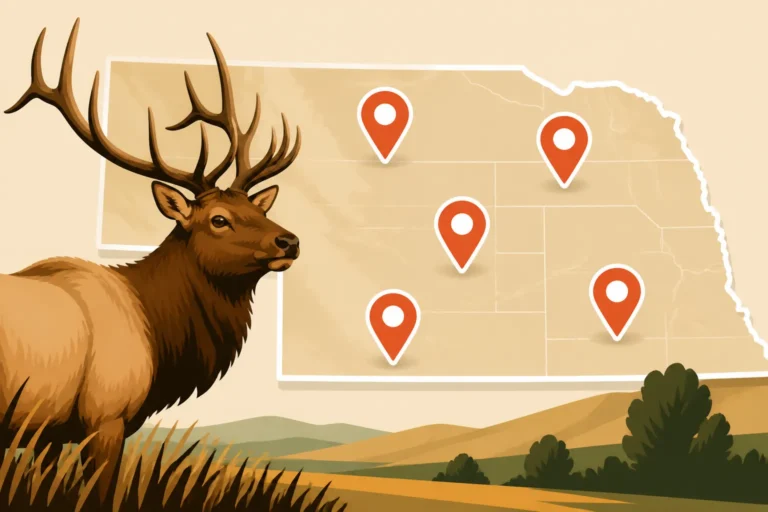
Nebraska's journey with CWD began in the western part of the state. The first detection of CWD in a wild deer occurred in the Pine Ridge area in 2000. This was a sobering moment for hunters and wildlife managers alike, confirming that the disease, which had been identified in neighboring states, had indeed crossed into Nebraska. Since then, the disease has slowly but steadily spread, expanding its footprint beyond the initial detection zones. It’s not an overnight explosion, but rather a gradual creep that requires constant vigilance.
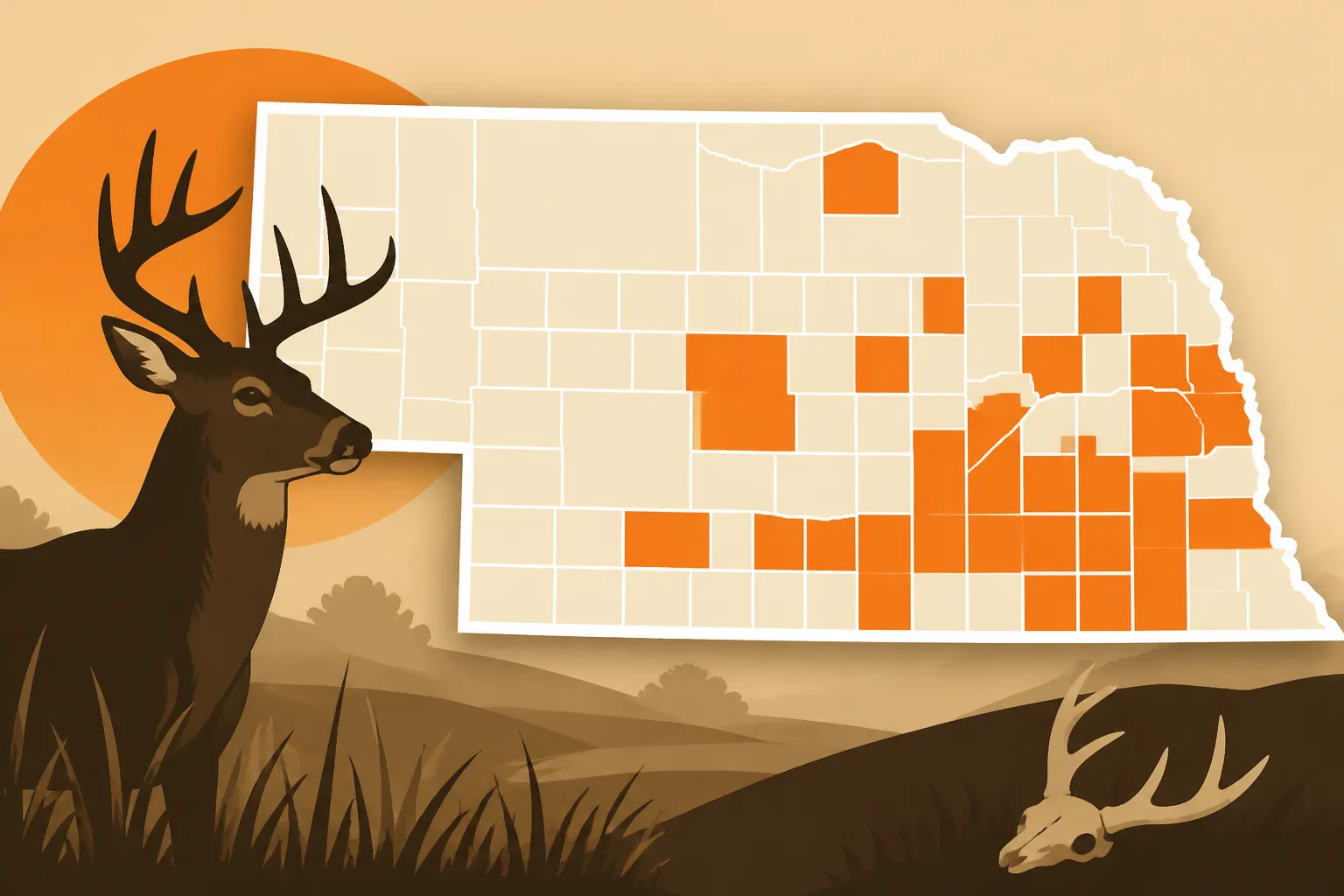
The Pine Ridge, with its diverse habitat and proximity to other CWD-affected areas, was unfortunately a prime candidate for early detection. From there, the disease has moved eastward, showing up in scattered areas across the Sandhills and into some central and even eastern portions of the state. It’s important to understand that a detection doesn’t mean all deer in an area are infected, but it does confirm the disease is present in the environment and circulating within the local cervid population. This geographic progression highlights the persistent nature of prions and the difficulty in containing their spread once they are introduced to new areas.
Key Areas and Management Units with Documented CWD
Over the years, Nebraska Game and Parks has expanded its CWD surveillance efforts, and as a result, detections have occurred in numerous management units. While the Pine Ridge and surrounding Panhandle units often show higher prevalence rates, CWD has been confirmed in deer harvested in diverse units ranging from the Republican River Valley to units along the Niobrara. It’s not just a western Nebraska problem anymore; it’s a statewide concern.
When you’re planning your hunt, especially if you're using resources like the Public Access Atlas or mapping tools like GoHunt, it's wise to check the latest CWD maps provided by the state. These resources often highlight units where CWD has been detected and where specific regulations, such as mandatory testing or carcass transport restrictions, might apply. For instance, areas like the Hat Creek Unit or the Buffalo Unit have historically been areas of concern, but new detections can pop up anywhere. Platforms like GoHunt can also offer valuable insights into harvest trends that may indirectly reflect herd health in certain areas. It’s a dynamic situation, and what was true last year might have shifted this season.
To give you a general idea, here's a look at some regions and the species typically affected where CWD has been documented:
| Region of Nebraska | Primary Species Affected | Common Management Units (Examples) | Typical Prevalence Status |
|---|---|---|---|
| Panhandle (West) | Mule Deer, Whitetail | Hat Creek, Pine Ridge, Buffalo | Higher |
| Sandhills (Central/West) | Mule Deer, Whitetail | Calamus West, Sandhills | Moderate |
| Central Nebraska | Whitetail | Platte, Loup | Lower to Moderate |
| Eastern Nebraska | Whitetail | Wahoo, Blue Southeast | Scattered, generally lower |
| Southern Nebraska | Whitetail | Republican, Frenchman | Scattered, generally lower |
This table represents general trends and known areas. It's absolutely crucial to consult the Nebraska Game and Parks Commission's official CWD surveillance map and annual hunting guide for the most current and unit-specific information before you head afield.
Your Role as a Hunter in Managing Nebraska's CWD Challenge
As hunters, we aren’t just observers in the CWD saga; we are essential partners in monitoring and managing the disease. Our actions, from testing harvested animals to how we handle carcasses, play a significant role in understanding its prevalence and potentially slowing its spread. It’s an added responsibility, yes, but one that is critical for the future of our hunting opportunities.
Mandatory and Voluntary CWD Testing for Harvested Animals
One of the most direct ways hunters contribute to CWD management is through testing. Nebraska Game and Parks often implements mandatory CWD sampling in specific management units or during certain seasons, usually concurrent with firearm deer seasons, particularly in areas with known or suspected CWD prevalence. This means if you harvest a deer or elk in a designated unit, you might be required to submit a sample for testing. This is typically done by taking the animal's head to an official check station or a designated CWD sampling partner. It might seem like an extra hassle after a successful hunt, but these samples are vital. They provide data points that help wildlife managers map the disease, understand its prevalence, and inform future management strategies.
Even outside of mandatory sampling areas, voluntary testing is often available. If you harvest an animal and have concerns, or simply want to contribute to the overall surveillance effort, you can submit a sample. Information on how to do this, including locations of sampling stations and instructions for collecting lymph node samples, is always available through Nebraska Game and Parks. Many experienced hunters use tools like GoHunt to scout and plan their trips, and those same resources can sometimes direct you to CWD testing information or even past harvest data that helps you understand disease risk in an area. Remember, knowing the status of your harvested animal offers peace of mind and contributes to the collective effort to manage CWD. You can find detailed instructions on Nebraska CWD Sampling for Hunters on the official wildlife agency website.
Responsible Carcass Disposal and Preventing Further Spread
Perhaps one of the most critical roles a hunter plays in CWD management is responsible carcass disposal. Since CWD prions can persist in the environment, simply dumping a carcass in the woods or along a public road is a huge no-no. It can contaminate the environment and potentially spread the disease to other animals. This is a real frustration for many hunters, especially those traveling long distances, but it's a non-negotiable step in responsible wildlife stewardship.
The general rule of thumb is to either leave the high-risk parts of the carcass (brain, spinal cord, lymph nodes) at the kill site if you're processing in the field, or to dispose of them in an approved landfill. Many communities across Nebraska have specific CWD disposal sites or accept carcasses at their landfills. Before you leave for your hunt, especially if you're traveling from another state or to a known CWD area, research these options. Avoid leaving carcasses where scavengers can spread potentially infected material. By properly disposing of carcasses, we directly help prevent the further spread of CWD within and beyond specific hunting areas. This often goes hand-in-hand with Carcass Transport Rules Out of Nebraska, which are designed to limit movement of high-risk parts across state lines.
Navigating Nebraska's CWD Regulations and Resources
The rules around CWD can feel complex and ever-changing. It's easy to feel overwhelmed, but staying informed is crucial for any responsible hunter. Nebraska Game and Parks works tirelessly to monitor CWD and implement regulations aimed at protecting our herds. Knowing where to look for current information and understanding the rules is part of the hunting experience now.
Carcass Transport Rules and Restrictions
One of the most common regulations you'll encounter regarding CWD is related to carcass transport. To prevent the geographic spread of CWD, Nebraska has rules about what parts of a deer or elk carcass can be moved out of a CWD-management unit, or even out of the state. These rules are in place because the prions that cause CWD are most concentrated in certain "high-risk" parts, such as the brain, spinal cord, lymph nodes, and spleen.
Generally, you'll find that only certain parts of a harvested animal can be transported from an area with CWD or across state lines. This often includes:
- Deboned meat (meat that has been removed from the bone)
- Clean skull plates or antlers (with no brain or soft tissue attached)
- Hides (without heads)
- Teeth
- Finished taxidermy products
What this means for you as a hunter is that if you're successful in a CWD-positive unit, you'll need to field dress and often bone out your animal before leaving that area. This can be more work in the field, especially for a large mule deer buck, but it's a necessary step to comply with regulations and protect other deer herds. Hunters planning trips, particularly non-residents, should be intimately familiar with Nebraska Deer Transport Requirements well before their boots hit the ground. For those hunting specific seasons, understanding rules like Orange Requirements for Archers in November or general Nebraska Blaze Orange Square Inches might be paramount, but CWD transport rules are just as critical for all seasons.
Staying Informed and Utilizing Hunter Resources
The best defense against CWD-related confusion is accurate, up-to-date information. The primary source for all CWD information in Nebraska is the Nebraska Game and Parks Commission. Their website is a treasure trove of resources, including:
- CWD Surveillance Maps: These maps are updated regularly and show exactly which units have had CWD detections and where mandatory testing might be in effect.
- Annual Hunting Guides: Every year, the official hunting guide details all regulations, including those specific to CWD, for the upcoming seasons.
- Press Releases and Alerts: Game and Parks will issue news releases if there are significant changes or new developments regarding CWD.
- Contact Information: Don't hesitate to call your local Game and Parks office if you have specific questions or need clarification.
Many hunters also rely on digital tools and communities to stay informed. While platforms like GoHunt are fantastic for planning and scouting – helping you identify potential hunting areas or understand specific unit details like Where Nebraska Whitetails Bed in Row-Crop Country – they can also be a gateway to official state resources. It’s always best to cross-reference information with the official Game and Parks site to ensure you have the most current regulations. Being a proactive and informed hunter not only helps you avoid potential penalties but, more importantly, makes you a vital part of Nebraska’s ongoing efforts to manage CWD and safeguard our cherished wildlife populations.
Disclaimer
This article is for general informational purposes only and does not constitute professional advice. Laws, prices and regulations vary by location and change over time. Consult a qualified professional for guidance on your specific situation.