Where Nebraska Mountain Lions Have Been Confirmed
It’s easy to hear rumors about mountain lions roaming across Nebraska, but getting solid information about where these elusive big cats have actually been confirmed can feel like trying to track a ghost in a blizzard. Many folks wonder if these sightings are just whispers or if there's real evidence. This guide is here to cut through the chatter, detailing the specific areas where mountain lions have been officially confirmed in our great state, helping you understand their presence and how to stay aware in the outdoors.
The Elusive Nebraska Mountain Lion: Separating Fact From Fiction
For generations, hearing about a mountain lion in Nebraska often felt like an old tall tale, something from the wilder days that had long passed. But the truth is, these magnificent predators are making a comeback in certain parts of our state. It’s a slow, quiet return, often unnoticed by many until an official confirmation comes to light. Understanding their historical presence and the difference between a fleeting glimpse and a verifiable record is key to appreciating their role in our ecosystem today.
Historical Presence and Modern Return
Nebraska was once home to mountain lions, or cougars as they're also known, before westward expansion and extensive hunting essentially removed them from the landscape. For decades, their presence was largely anecdotal, or confined to very rare, transient individuals passing through. However, starting in the late 1990s and picking up momentum into the 2000s, confirmed sightings and evidence began to increase, particularly in the western half of the state. This isn't a sudden invasion, but rather a natural recolonization process, primarily by young males dispersing from established populations in neighboring states like South Dakota and Wyoming. These animals are following river corridors and seeking out suitable habitat with ample prey, slowly but surely finding their way back to parts of their ancestral range. It's a testament to the resilience of nature, but also something that brings new considerations for hunters, hikers, and rural residents.
Why Confirmations Matter
When we talk about mountain lions, separating a credible, confirmed sighting from an unverified report is incredibly important for wildlife management and public understanding. An unconfirmed sighting, while sometimes genuine, could easily be a bobcat, a large dog, or even a trick of the light. Official confirmations, on the other hand, rely on concrete evidence: clear photographs or video footage, identifiable tracks, DNA evidence from scat or hair, or, unfortunately, a carcass. This verifiable data allows wildlife biologists to map their presence, understand dispersal patterns, and identify areas where populations might be establishing. Without these rigorous confirmations, we'd be operating on hearsay, which doesn't help anyone plan a hunt or understand wildlife behavior. The Nebraska Game and Parks Commission takes these reports seriously, investigating them to build a clear picture of Mountain Lion Numbers in Nebraska. This data helps everyone from agency staff to outdoor enthusiasts like us make informed decisions and better appreciate the wildness of our state.
Prime Confirmation Zones: The Nebraska Pine Ridge
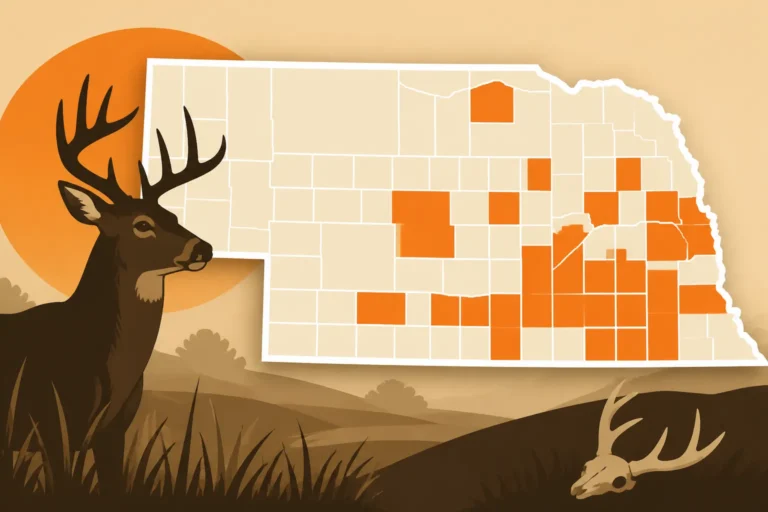
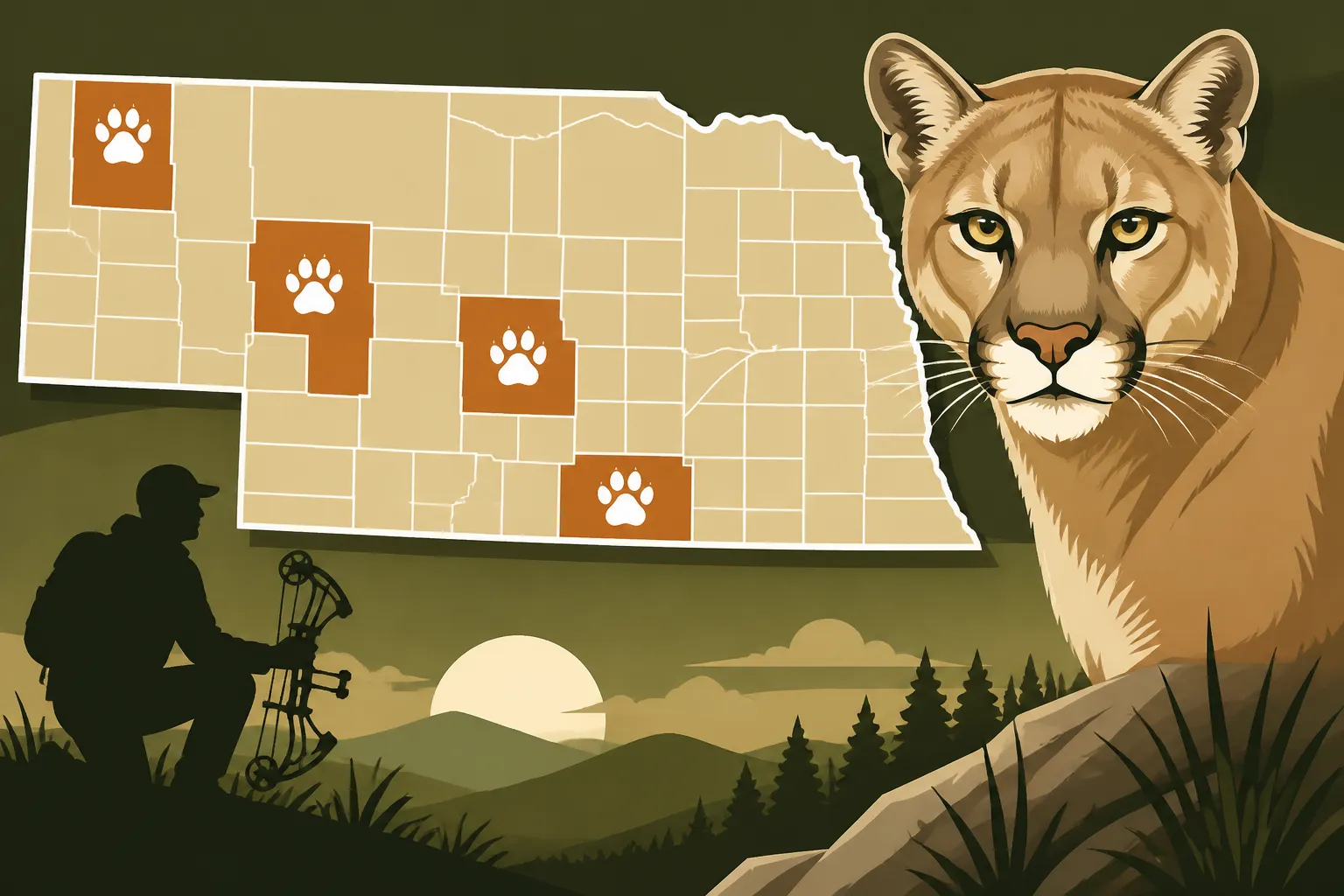
If you were to point to one region in Nebraska that is undeniably mountain lion country, it would be the Pine Ridge. This rugged, beautiful area in the northwestern part of the state has consistently produced the most confirmed sightings and, more importantly, evidence of breeding populations. It’s where most of the significant activity is concentrated, and for good reason.
The Heart of Nebraska's Mountain Lion Country
The Pine Ridge, stretching across counties like Dawes, Sioux, Box Butte, and Sheridan, offers the perfect blend of elements for mountain lion survival. Imagine deep, broken canyons carved into soft rock, covered densely with ponderosa pine forests. This terrain provides incredible cover – perfect for an ambush predator that relies on stealth. Unlike the open grasslands and farm fields that characterize much of Nebraska, the Pine Ridge offers extensive, uninterrupted tracts of rough country where a large predator can disappear and thrive. Beyond the cover, the prey base is incredibly rich. This region is home to healthy populations of deer, including both mule deer and whitetails, as well as elk. A mountain lion needs a steady supply of food, and the Pine Ridge delivers, sustaining a food chain that supports these apex predators. Hunters in this area often speak of the challenging terrain, but also the sheer wildness of it, which is exactly what draws these cats. Understanding this landscape is crucial for anyone considering Hunting Mule Deer in the Nebraska Pine Ridge.
Specific Areas Within the Pine Ridge
Within the broader Pine Ridge, certain zones stand out for their consistent mountain lion presence. The areas around Chadron and Crawford, particularly within and adjacent to the Nebraska National Forests and Grasslands – like the Soldier Creek Wilderness and the rugged canyons of the Oglala National Grassland – are prime examples. These public lands, which can be explored using mapping applications like GoHunt, offer expansive habitat. The deep canyons and heavy timber of places like Sowbelly Canyon or Monroe Canyon provide excellent denning sites and travel corridors for lions. It's not uncommon for trail cameras placed deep in these areas to capture images of lions, or for hunters scouting for deer or Bighorn Sheep in the Nebraska Pine Ridge to stumble upon tracks in the snow or mud. These specific locations offer the kind of remote, undisturbed environment necessary for a breeding population to establish itself, moving beyond just transient individuals. When you're out there, always be mindful of your surroundings, especially if you're trying to figure out Where Mule Deer Feed at First Light in these same areas. The signs are often subtle, but consistent in these core habitats.
Beyond the Ridge: Dispersal and Occasional Confirmations
While the Pine Ridge is the undisputed stronghold for mountain lions in Nebraska, these animals are known for their incredible ability to travel vast distances. This leads to occasional, yet confirmed, sightings far from the established populations, creating excitement and sometimes concern among those in other parts of the state.
Transient Individuals and Dispersal Corridors
Young male mountain lions, in particular, are driven to disperse from their birth territories in search of new hunting grounds and mates. This instinct to roam can take them hundreds of miles, often following natural "corridors" like river systems. The Niobrara River, with its rugged canyons, tree-lined banks, and abundant deer, serves as a significant natural highway for these dispersing cats. Similarly, the Loup River and even the Platte River systems, while more developed in places, can provide enough cover and prey for a transient lion to pass through unnoticed for long stretches. These animals are often just passing through, covering large areas in short periods. They aren't looking to set up a permanent home in these transit zones but rather to find new, unoccupied territory. A single confirmed sighting in, say, Custer County along the Loup, doesn't mean a new population has suddenly appeared, but rather that a lone traveler is on a journey. It's a reminder of the wildness that still exists, even near more populated areas. Tools like GoHunt can be helpful in understanding land ownership and terrain features along these river corridors, which could reveal potential travel routes.
Confirmed Sightings in Unexpected Places
Occasionally, a mountain lion will make headlines by being confirmed in an area far removed from the Pine Ridge, sometimes hundreds of miles east. While these events are rare, they do happen. For instance, there have been confirmed sightings in central Nebraska counties, and even a few instances further east, typically near a major river system that provides some cover and a pathway. These are almost exclusively young males that have dispersed a long way. They might be spotted crossing a road, captured on a game camera in a woodlot, or, sadly, found as roadkill.
Let's look at a hypothetical scenario: a trail camera on a remote farm in Custer County captures a clear image of a mountain lion. This would be investigated by Game and Parks, and if verified, added to the official record. It wouldn't indicate a breeding population, but rather a lone animal on the move. These individual confirmations are fascinating because they show the potential range of these animals and highlight that no part of the state, particularly those with good riverine habitat, is entirely immune to a transient visitor. Hunters Scouting Nebraska Public Ground Before Opening Day in these areas should be generally aware of all wildlife present, not just their target species.
Here's a quick overview of primary and secondary confirmation zones:
| Zone Type | Primary Location | Typical Habitat | Confirmation Pattern | Likelihood of Encounter |
|---|---|---|---|---|
| Primary Zone | Pine Ridge (NW NE) | Rugged Ponderosa Pine Canyons, Forests | Consistent, evidence of breeding populations | Higher |
| Secondary Zone | Niobrara River Valley | Dense River Bottoms, Bluffs, Wooded Canyons | Occasional, transient individuals following river | Moderate |
| Dispersal Zone | Central/Eastern Rivers | Wooded River Corridors, Isolated Timber Blocks | Rare, solitary dispersing males, often single observations | Lower |
Understanding Mountain Lion Behavior and Encounter Safety
Knowing where mountain lions have been confirmed is important, but understanding why they are in those areas and what to do if you ever have an encounter is equally, if not more, crucial for anyone spending time outdoors in Nebraska. These are wild animals, and respect for their behavior is paramount.
What Attracts Mountain Lions to an Area
Mountain lions are highly adaptable predators, but they have specific needs that draw them to certain landscapes. The biggest draw is a reliable, abundant prey base. In Nebraska, this means deer – White-Tailed Deer Across Nebraska and Mule Deer in the Nebraska Sandhills and Panhandle are their primary food source. Areas with healthy deer populations, especially those with fawns and sick or injured animals, will naturally attract lions. Beyond food, cover is essential. Lions are ambush predators; they rely on surprise to catch their prey. Dense forests, like the Ponderosa pines of the Pine Ridge, rugged canyon systems, thick brush, and even heavy river bottom timber provide the concealment they need to hunt effectively and to avoid detection by humans. Finally, water sources are a given for any wildlife, and lions will gravitate towards areas with accessible streams, springs, or ponds. All these factors combined explain why the Pine Ridge is so ideal, but also why a lone lion might successfully traverse a river system in more developed parts of the state.
What to Do If You Encounter a Mountain Lion
While an actual encounter with a mountain lion is exceptionally rare, especially an aggressive one, it’s vital to know how to react. Most lions want nothing to do with humans and will avoid you long before you ever know they were there. However, if you find yourself face-to-face with one, here’s what experts advise:
- Do Not Run: Running can trigger a chase instinct in a predator. Stand your ground and face the animal.
- Make Yourself Appear Larger: Raise your arms, open your jacket, hold up a backpack. Pick up children or pets immediately.
- Make Noise: Yell, shout, and make loud, assertive noises. Do not be silent.
- Maintain Eye Contact: Staring directly at the animal can make it feel exposed and less likely to approach.
- Throw Objects: If the lion continues to approach, throw rocks, sticks, or whatever you have at hand. The goal is to deter it, not necessarily to injure it.
- Fight Back If Attacked: If a mountain lion attacks, fight back aggressively with anything you have – hands, feet, sticks, rocks. Aim for the face and eyes.
After an encounter, especially if the lion displayed unusual behavior or aggression, report it immediately to the Nebraska Game and Parks Commission. Providing details about the location, the lion's appearance, and its behavior helps wildlife officials monitor their populations and assess any potential risks. Being prepared and aware, perhaps even checking public land boundaries on a tool like GoHunt before you head out, is part of being a responsible outdoors enthusiast in Nebraska's wild spaces.
Disclaimer
This article is for general informational purposes only and does not constitute professional advice. Laws, prices and regulations vary by location and change over time. Consult a qualified professional for guidance on your specific situation.