Are There Black Bears in Nebraska?
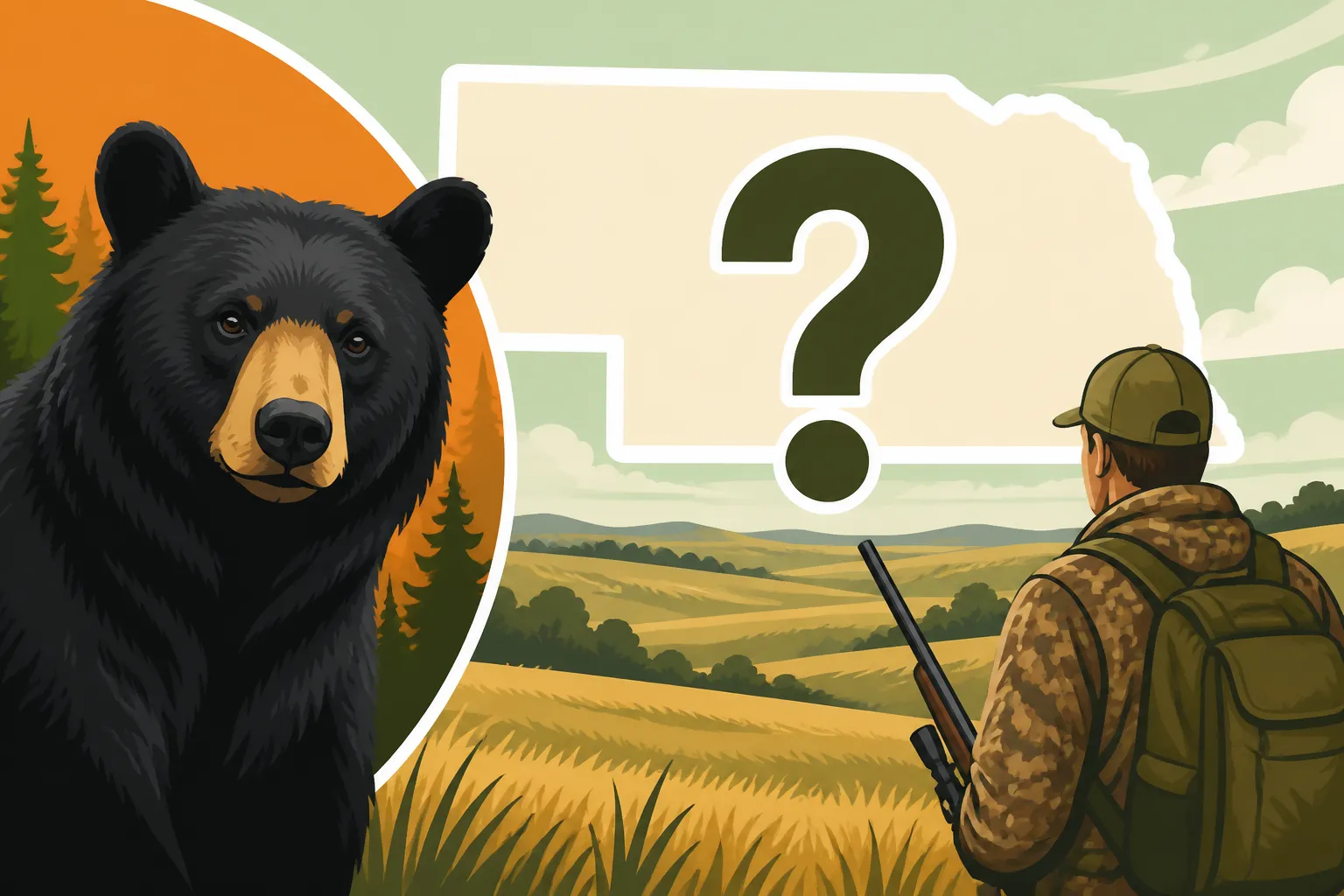
It's a question that pops up in conversations around campfires and coffee shops across the state: "Are there black bears in Nebraska?" For many of us who spend a lot of time in the outdoors, it feels like one of those things you might expect to see, but then you realize you never actually do. The reality is, while Nebraska doesn't have a resident, breeding population of black bears, there have been confirmed sightings, which always sparks curiosity and sometimes a little bit of wonder, and this guide is here to shed light on exactly what's going on with bears in our great state.
A Glimpse into the Past: Black Bears in Historic Nebraska
While it might seem unimaginable now to picture a black bear roaming the cornfields or Sandhills, Nebraska was once a part of the vast historical range of the American black bear. These magnificent creatures were indeed present in the region long before European settlers arrived and dramatically altered the landscape. Understanding this historical context helps us grasp why occasional sightings still happen today, even without an established population.
Pre-Settlement Landscape and Abundance
Back in the day, Nebraska was a very different place. Vast tracts of riparian timber along major rivers like the Missouri, Platte, and Niobrara provided dense cover. The rolling hills and river bottoms offered a rich mosaic of forests, thickets, and grasslands, which were prime habitat for black bears. They thrived on the abundance of berries, nuts, roots, insects, and small game found in these diverse ecosystems. These areas were part of a continuous habitat that stretched across much of North America, making Nebraska a natural component of their territory. Historical accounts from early explorers and indigenous communities often mention the presence of bears, indicating they were a recognized part of the native wildlife here.
The Impact of European Settlement and Disappearance
The arrival of European settlers brought rapid and profound changes to Nebraska's landscape and wildlife populations. As farms were established and towns grew, forests were cleared for agriculture and timber. The rivers, once wild and untamed, were dammed and channeled. This massive habitat destruction, coupled with unregulated hunting pressure, quickly pushed black bears out of the state. Bears require large, undisturbed areas with ample food and cover, and as these resources dwindled, so did their numbers. By the late 1800s, black bears were largely extirpated from Nebraska. It's a classic story of human expansion directly conflicting with the needs of large, wild animals. This period of rapid decline erased them from our immediate memory, making their occasional reappearance today all the more surprising.
Modern Sightings: Transient Visitors, Not Residents
Despite their historical absence, every few years, a ripple goes through the news and social media: a black bear has been spotted in Nebraska! These sightings are always exciting, generating a lot of buzz, but it's important to understand that these are almost always transient animals passing through, rather than evidence of a re-established population.
Occasional Wanderings from Neighboring States
The black bears we see in Nebraska today are typically young males dispersing from established populations in neighboring states. Think about places like the Black Hills of South Dakota, the Rocky Mountains of Colorado and Wyoming, or even the increasing populations in states like Missouri. Young males, often pushed out by older, more dominant bears, will strike out on their own to find new territory, food sources, and mates. They can travel hundreds of miles, following river corridors or dense cover, before they realize Nebraska isn't quite what they're looking for. It's a testament to their incredible resilience and nomadic nature that they can cover such distances. They're literally just passing through, perhaps on an ill-fated adventure for prime real estate that doesn't quite exist here for them in the long term. These animals are usually in good health, just a bit lost and looking for a new home.
Confirmed Sightings and Evidence
Over the past couple of decades, there have been several well-documented black bear sightings across Nebraska. These aren't just blurry photos or hearsay; they're confirmed by Nebraska Game and Parks Commission biologists. These sightings tend to be concentrated in areas bordering states with bear populations. For instance, some bears have wandered into the Pine Ridge in northwestern Nebraska, likely from the Black Hills. Others have been observed along the Missouri River in eastern Nebraska, potentially coming from Iowa or Missouri. These sightings are usually of a single bear, moving through quickly, not settling down.
When a sighting occurs, Game and Parks tries to confirm it through tracks, scat, trail camera photos, or direct observation. They emphasize that these are solitary animals, and while interesting, they don't indicate a breeding population. The last confirmed breeding population anywhere near Nebraska was likely in the Black Hills, and even that is a relatively recent resurgence. For hunters who spend a lot of time in the field, tools like GoHunt can be invaluable for understanding big game ranges and population densities, even if you're researching potential bear sightings or planning a trip to a neighboring state that does have a bear season, you can see how specific habitat types correlate with species presence.
Why Nebraska Isn't Currently Black Bear Home
Despite the occasional visitor, Nebraska simply doesn't offer the consistent, extensive habitat needed to support a permanent, breeding black bear population right now. While our state is rich in wildlife and diverse ecosystems, the specific requirements for black bears are largely absent.
Habitat Requirements
Black bears are creatures of the forest, preferring large, contiguous blocks of timber, often mixed with swamps or dense brush, where they can find both food and secure denning sites. While Nebraska certainly has beautiful river bottoms and some forested areas, especially in the Pine Ridge, these are often fragmented and not extensive enough to support a self-sustaining bear population. They need hundreds, if not thousands, of acres of interconnected habitat to roam, forage, and establish territories without constant human conflict. Our agricultural landscape, while productive for many species, simply doesn't provide this kind of continuous, undisturbed cover. When you're Scouting Nebraska Public Ground Before Opening Day, you'll notice many of our best deer spots are still relatively small patches of timber or dense draws, not vast wilderness.
Food Sources and Denning Sites
Another critical factor is the availability of diverse and consistent food sources. Black bears are omnivores, meaning they eat a wide variety of foods including berries, nuts, acorns, roots, insects, fish, and occasionally carrion or small mammals. While Nebraska has some of these food sources, they aren't distributed in the density and abundance that a thriving bear population would require, year-round. For example, our timbered areas might produce acorns, but not enough to sustain a large number of bears through the critical pre-denning months.
| Aspect | Nebraska Current Status | Ideal Black Bear Habitat Needs |
|---|---|---|
| Forest Cover | Fragmented riverine forests, small timber blocks, shelterbelts | Large, contiguous blocks of mature forest |
| Denning Sites | Limited natural caves, large hollow trees, rock outcroppings | Abundant secure dens (caves, brush piles, tree cavities) |
| Food Availability | Seasonal berries, limited hard mast (acorns), agricultural crops (seasonal) | Consistent year-round supply of berries, nuts, roots, insects, small game |
| Human Population | High density in eastern half, widespread agriculture | Low human density, minimal disturbance |
| Connecting Habitat | Limited corridors through agricultural land | Extensive, undisturbed travel corridors |
| Resident Population | None (transient individuals only) | Stable, breeding population |
Furthermore, secure denning sites are crucial for bears during winter hibernation. They need hollow logs, dense brush piles, rock crevices, or underground dens that offer protection from the elements and predators. While you might find individual spots suitable for denning in Nebraska, there isn't the widespread availability of these secure locations that would allow a population to grow and thrive. Our landscape simply isn't set up to provide the continuous protection and abundant food that black bears need to truly call a place home. Understanding Game You Cannot Hunt in Nebraska helps clarify that black bears are definitely on that list, reflecting their non-resident status.
What to Do if You Encounter a Black Bear
Even though black bear sightings are rare in Nebraska, it's always wise to be prepared, especially if you spend time in the wilder parts of the state or along our major river systems. Most black bears are naturally timid and will avoid humans, but knowing how to react is key to ensuring a safe encounter for both you and the bear.
Safety First: Staying Calm and Assessing the Situation
The most important thing to remember if you see a black bear is to stay calm. Panic can lead to poor decisions. First, identify if the bear is aware of your presence. If it isn't, and you have a clear, safe escape route, slowly and quietly back away, making sure you don't surprise it. If the bear sees you, and especially if it stands up, it's usually just trying to get a better look, not being aggressive. Never run; running can trigger a chase instinct in animals. Instead, make yourself look as large as possible by waving your arms, speaking in a loud, firm voice, and slowly backing away. Make sure the bear has an escape route. Avoid making eye contact, as this can be perceived as a challenge. Keep pets on a leash and children close to you. For those venturing into areas like Oglala National Grassland Hunting or Pine Ridge Public Land in Nebraska, where any large wandering animal might appear, these safety principles are universally helpful.
Reporting Sightings to Nebraska Game and Parks
If you do have a black bear encounter, especially if it's a confirmed sighting (not just a rumor), it's incredibly important to report it to the Nebraska Game and Parks Commission. These reports help biologists track the movements of transient animals and better understand wildlife distribution. When reporting, provide as much detail as possible: the exact location, time of day, how long you observed the bear, its size, and any notable behaviors. This information is crucial for wildlife management and allows Game and Parks to inform the public and take appropriate action if necessary. They are the experts in managing our state's wildlife, and accurate information helps them do their job effectively. Remember, seeing a black bear in Nebraska is a unique experience, and sharing your observations responsibly contributes to our collective knowledge of our state's wild residents and visitors. For anyone interested in the broader picture of Nebraska's larger carnivores, understanding Nebraska Predators and Furbearers provides valuable context.
Looking Ahead: The Future of Bears in Nebraska?
While Nebraska doesn't currently host a permanent black bear population, the question of whether they could ever return naturally is a fascinating one. Wildlife populations are dynamic, and habitats can change over time.
Natural Recolonization and Habitat Changes
As bear populations in neighboring states continue to expand, and as young bears disperse further afield, the likelihood of more frequent transient sightings in Nebraska increases. If significant habitat improvements were to occur, such as the restoration of large, contiguous forested areas along river corridors or in places like the Pine Ridge, it's conceivable that a small, isolated breeding population could eventually try to establish itself. However, this would require a monumental shift in land use and conservation efforts. It's not just about a few trees; it's about extensive, undisturbed landscapes that offer everything a bear needs to survive and reproduce. Think about the scale of habitat described for White-Tailed Deer Across Nebraska or Mule Deer in the Nebraska Sandhills and Panhandle — bears need even larger, more specific areas.
Management Considerations and Public Perception
Should a black bear population ever attempt to re-establish itself, it would bring with it significant management challenges and public perception considerations. People are naturally curious, but also sometimes fearful of large predators. There would be concerns about human-bear conflicts, particularly in agricultural areas or near communities. Education would be paramount to teach residents how to coexist safely with bears, managing food attractants, and understanding bear behavior.
The Nebraska Game and Parks Commission, as the lead agency for wildlife management, would need to develop comprehensive plans, much like they do for our established deer or Wild Turkeys in Nebraska and Their Decline. This could involve monitoring programs, public outreach, and potential regulations if a population were to ever reach a sustainable level. For now, the focus remains on understanding and managing our existing big game populations, as detailed in resources like Nebraska Big Game Permits and How to Get One and Nebraska Habitat Stamp and Hunter Education. While we can dream of a Nebraska with resident bears, for the foreseeable future, these sightings will remain rare and exciting events, a reminder of the wildness that still occasionally touches our plains.
Disclaimer
This article is for general informational purposes only and does not constitute professional advice. Laws, prices and regulations vary by location and change over time. Consult a qualified professional for guidance on your specific situation.