Game You Cannot Hunt in Nebraska
It can be incredibly frustrating to spend hours scouting, poring over maps, and mentally preparing for a hunt, only to realize you’re unsure about the legal status of a particular animal. In a state like Nebraska, with its diverse landscapes and rich wildlife, understanding what you can hunt is just as important as knowing what you cannot. This guide will walk you through the various game species that are off-limits in Nebraska, helping you avoid accidental violations and ensuring you stay on the right side of conservation.
Understanding Nebraska's Wildlife Management Philosophy
Nebraska's approach to wildlife management is all about balance. It's not just about providing hunting opportunities, although that's certainly a huge part of it for many of us. The core philosophy revolves around ensuring healthy, sustainable wildlife populations for generations to come, which sometimes means certain species are completely protected, while others have very specific seasons and bag limits. It’s a complex dance between ecological science, public interest, and the traditions we hold dear.
The Role of Conservation and Population Health
At the heart of why some species are off-limits is the unwavering commitment to conservation and maintaining population health. Wildlife biologists spend countless hours tracking animal numbers, monitoring habitat conditions, and assessing threats like disease or severe weather. If a species' population is low, declining, or particularly vulnerable, state and federal agencies step in to offer protection. This might be because they have a limited range, specialized habitat requirements, or reproduce slowly. Their existence is crucial to the overall ecosystem, and ensuring their survival takes precedence over recreational harvest. Think about species that might be on the edge, where even a small amount of harvest could tip the balance towards an irreversible decline. Protecting them is about long-term stewardship.
Balancing Opportunity with Sustainability
For hunters, the desire for opportunity is strong, and it's something the Nebraska Game and Parks Commission (NGPC) strives to provide. However, that opportunity must always be balanced against the sustainability of the resource. You see this balance in action with regulated species: deer, turkey, pheasants, and so on, all have specific seasons, permit types, and harvest limits designed to ensure healthy populations continue to thrive. For species that cannot be hunted, the balance swings fully towards protection. This isn't arbitrary; it's based on scientific data and a deep understanding of what these populations need to flourish without human intervention. It’s about being responsible stewards of the land and its creatures, even if it means we can’t pursue every animal we encounter.
Species Protected by State and Federal Law
When you’re out in the field, it's easy to focus on the game you're after. But a true sportsman knows the importance of identifying all wildlife, especially those that are protected by law. These protections come from both federal and state levels, often overlapping to provide a robust safety net for vulnerable species. It’s not always obvious, and sometimes a quick glance isn’t enough to make a positive ID, which is why knowledge is your best friend.
Federally Protected Species in Nebraska
Many of the species you cannot hunt in Nebraska are protected under federal laws like the Endangered Species Act (ESA) and the Migratory Bird Treaty Act (MBTA). These acts recognize that wildlife doesn't observe state lines and that conservation efforts need a national, even international, scope. For instance, while Nebraska doesn't have a hunting season for them, Sandhill Cranes on the Platte River draw immense crowds, and it's critical to know they are migratory birds protected under federal law. Similarly, truly endangered species like the Whooping Cranes on the Platte River are absolutely off-limits, with severe penalties for harming them. Beyond these iconic birds, a host of other rare birds, mammals, fish, and insects may have federal protection if their populations are critically low. It’s your responsibility to be aware of what’s out there and to respect those protections.
State-Designated Protected Species
In addition to federal mandates, Nebraska maintains its own list of threatened and endangered species, as well as species of special concern. These lists often include animals whose populations might be stable elsewhere but are struggling within Nebraska's borders due to habitat loss, climate change, or other localized pressures. Examples might include certain bats, salamanders, or specific types of prairie birds that are not game species. The Nebraska Game and Parks Commission continually monitors these populations, and their protected status can change over time as conservation efforts succeed or new threats emerge. It’s crucial to refer to the official regulations annually, which you can often find readily through resources like GoHunt's state-specific guides or the NGPC website itself, to ensure you have the most up-to-date information.
The Rationale Behind Protections
The reasons for protecting a species are varied but always rooted in science. Sometimes, it’s about very low population numbers, where even minimal harvest could prevent recovery. Other times, it’s about a species playing a unique and vital role in the ecosystem, acting as a "keystone species" whose disappearance would have cascading negative effects. Habitat loss is a huge factor; if an animal’s home disappears, so do their numbers, making protection essential. For migratory birds, the protection often stems from international treaties recognizing their seasonal movements across borders. Understanding this rationale helps us appreciate why these rules exist, moving beyond simple compliance to a deeper sense of responsibility toward Nebraska's natural heritage.
Commonly Mistaken or Misunderstood Unhuntable Species
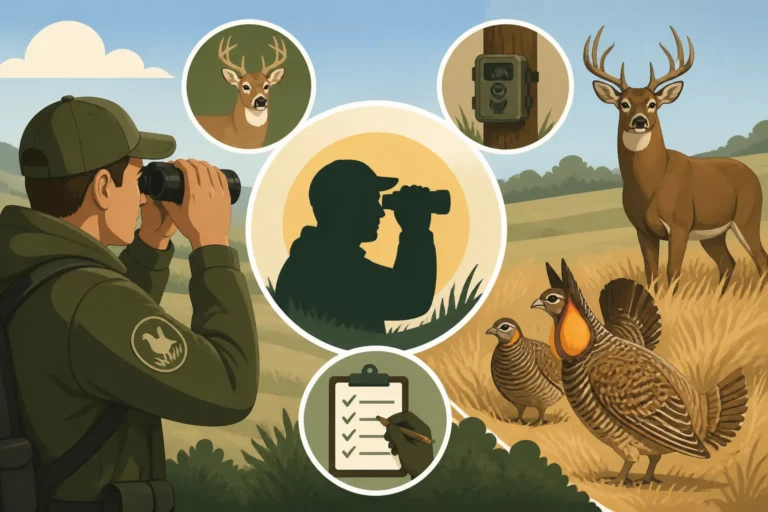
It’s easy to get excited in the field, especially when you spot movement. But sometimes, that movement isn’t a game animal, or it’s a species that looks similar to a huntable one but is, in fact, protected. Misidentification can lead to serious consequences, so it's vital to be vigilant and confirm your target before taking a shot.
Large Mammals You Might Encounter But Not Pursue
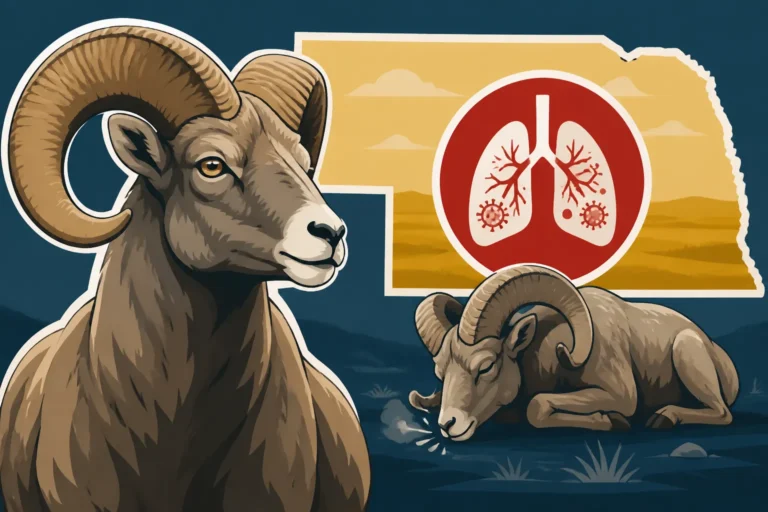
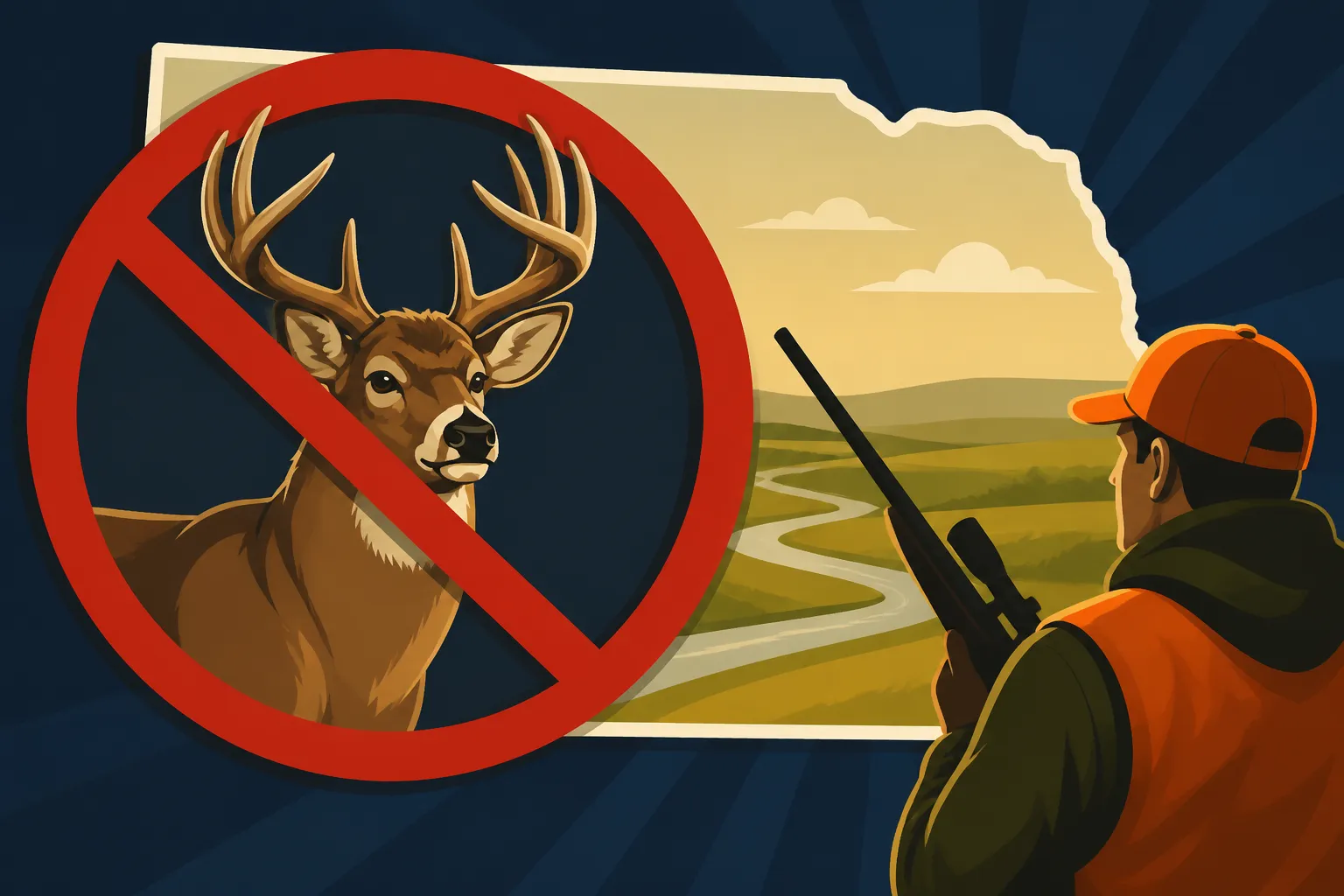
Nebraska is home to magnificent large mammals, but not all of them are fair game. While we have robust deer populations – both whitetail and mule deer – and regulated antelope and elk seasons in specific units, there are others you absolutely cannot pursue. Bighorn Sheep in the Nebraska Pine Ridge are a prime example. While some limited, highly sought-after permits exist through a lottery system (often once-in-a-lifetime for residents), they are generally off-limits for the vast majority of hunters. Also, while very rare, mountain lions have been confirmed in the Pine Ridge, and are not a species open for general hunting. It's not uncommon to hear tales or even see photos of these elusive creatures, but they are federally and state-protected, with severe penalties for illegal harvest. Always confirm your target, and if there's any doubt, hold your shot. Telling Mule Deer From Whitetails is a critical skill for deer hunters, and equally important is knowing the difference between a legal game animal and a protected one.
Bird Species Off-Limits
Beyond the well-known migratory cranes, there are numerous bird species in Nebraska that are not legal game. Raptors like eagles, hawks, and owls are federally protected. Even small songbirds and many non-game waterfowl species are off-limits. If it's not explicitly listed in the hunting regulations as a game bird (like pheasants, quail, grouse, turkeys, ducks, or geese), you cannot hunt it. Sometimes, hunters might mistake a protected species for a game bird, especially in poor light or at a distance. For example, some raptors can be mistaken for larger game birds, or certain shorebirds for migratory waterfowl. Always ensure you have a clear, positive identification before you even think about raising your firearm. When hunting waterfowl, pay close attention to species identification; some duck species might have closed seasons or lower bag limits than others.
Small Game and Furbearers with Specific Rules
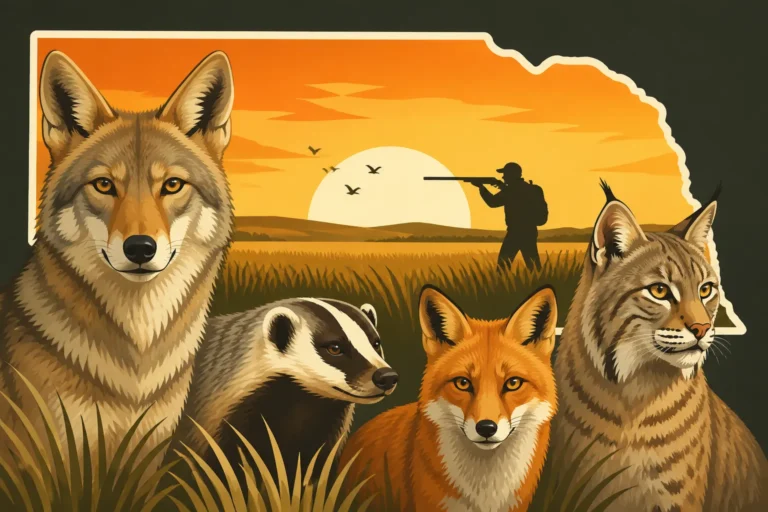
Even in the world of small game and furbearers, there are nuances. While many species like rabbits, squirrels, coyotes, and raccoons have seasons, some furbearers are protected or have very specific trapping/hunting regulations. For example, bobcats are a furbearer with a regulated season, but their harvest is strictly controlled with quotas and specific tagging requirements. Badgers, while present, often require specific permits or are fully protected in certain contexts. Raccoon and Furbearer Trapping Seasons are generally regulated differently from direct hunting seasons. Also, Prairie Dogs and Grassland Habitat, while often viewed as pests by landowners and sometimes hunted for population control in specific circumstances, do not fall under a general hunting season like pheasants. It's a complex area, and it underscores the need for thorough research of the current year's regulations before venturing out.
The Importance of Knowing Your Regulations
The responsibility for knowing what you can and cannot hunt ultimately falls on you, the hunter. Ignorance of the law is never an excuse, and violating wildlife laws can lead to hefty fines, permit revocations, and even jail time. Beyond the legal ramifications, accidentally taking a protected animal goes against the very spirit of conservation that most hunters cherish.
How to Stay Informed as a Hunter
Staying informed is easier than ever with today's technology, but it still requires diligence. The primary resource should always be the official Nebraska Game and Parks Commission hunting guide for the current year. This document outlines all legal game species, seasons, bag limits, and specific regulations. Many hunters also use digital tools, like the public access atlas app (as mentioned in Reading the Nebraska Public Access Atlas), or online platforms such as GoHunt, which often provide comprehensive state-by-state breakdowns and allow you to drill down into specific regulations. Subscribing to email updates from the NGPC can also keep you abreast of any changes, emergency closures, or newly listed protected species. Remember, regulations can change annually, so what was legal last year might not be this year. Nebraska Habitat Stamp and Hunter Education requirements also emphasize the importance of being a knowledgeable and responsible hunter, especially concerning the Nebraska Hunter Education Age Requirement.
Consequences of Misidentification or Illegally Taking Game
The consequences of misidentification or illegally taking game are severe and multifaceted. Legally, you could face significant fines, confiscation of your weapon and vehicle, loss of hunting privileges for years, and even criminal charges. Nebraska Hunting Violation Penalties are designed to be a strong deterrent. Ethically, it's a huge blow to the public perception of hunters and can undermine crucial conservation efforts. For the species itself, especially if it’s rare or endangered, one accidental kill can be a massive setback for its population recovery. The negative ripple effect on the hunting community and wildlife management agencies is profound. Always err on the side of caution: if you're not 100% sure what you're looking at, don't shoot. It's better to go home empty-handed than to regret a mistake that harms both wildlife and your standing as a responsible hunter. Remember, proper tagging and reporting, as outlined in Nebraska Deer Tagging and Checking Rules, is also critical for legal and ethical hunting.
Here's a quick reference for common protected or regulated-differently species:
| Category | Species | Status/Reason for Protection (General) |
|---|---|---|
| Large Mammals | Bighorn Sheep | Highly regulated draw, generally unhuntable |
| Mountain Lions | Protected; no general hunting season | |
| Birds (Raptors) | Eagles (Bald, Golden) | Federally protected |
| Hawks, Owls, Falcons | Federally protected | |
| Birds (Migratory) | Whooping Cranes | Federally endangered |
| Sandhill Cranes | Federally protected migratory bird | |
| Birds (Songbirds) | All Passerine Species | Federally protected |
| Furbearers | Bobcats (beyond quota/season) | Regulated season, strict quotas/tagging |
| Badgers | Highly regulated, often protected | |
| Other | Endangered/Threatened Fish, Reptiles, Amphibians, Insects | State/Federally protected, often habitat-specific |
Always double-check the current Nebraska hunting regulations before heading into the field. Resources like Nebraska Big Game Permits and How to Get One and How Game and Parks Counts Wildlife can offer further insights into the management strategies for various species. Ensuring you understand these rules is part of being a responsible and ethical hunter in Nebraska.
Disclaimer
This article is for general informational purposes only and does not constitute professional advice. Laws, prices and regulations vary by location and change over time. Consult a qualified professional for guidance on your specific situation.