Species Nebraska Hunters Take Most
If you're new to the vast landscapes of Nebraska, or perhaps a seasoned hunter just looking to understand what gets most people out into the field, you've likely wondered which species truly dominate the hunting scene here. It's not always obvious, especially with such diverse habitats, but understanding what most hunters pursue can offer a valuable perspective, whether you're trying to find less-pressured ground or simply join the crowd chasing a popular quarry. This guide will help you understand the most commonly hunted species across our incredible state, giving you a clear picture of where local passions lie and where you might find your next hunting adventure.
The Reign of Deer: Whitetails and Mule Deer
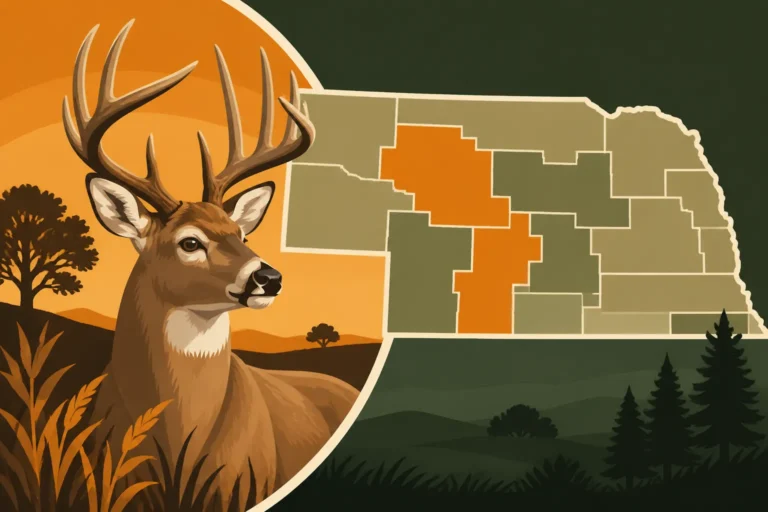
There’s simply no denying it: deer hunting, particularly for white-tailed deer, is the absolute cornerstone of hunting in Nebraska. It’s the species that brings more hunters afield than any other, year after year, across archery, firearm, and muzzleloader seasons. While mule deer also hold a significant place, especially in the western half of the state, it's the adaptable and widespread whitetail that truly drives the passion.
White-Tailed Deer: Nebraska's Ubiquitous Big Game
From the heavily timbered river bottoms of eastern Nebraska to the smallest creek beds weaving through vast crop fields, white-tailed deer are everywhere. Their adaptability to diverse habitats, including agricultural land, suburban fringes, and dense cover, means that nearly every hunter in the state has a chance to pursue them. This widespread distribution makes them incredibly accessible, contributing to their overwhelming popularity.
Think about the classic Nebraska scene: a frosted cornfield, a deep cedar draw, or a winding creek lined with cottonwoods. These are all prime whitetail haunts. Many hunters grew up chasing whitetails on family land or nearby public access, making it a deep-rooted tradition. The challenge of patterning a mature buck, the excitement of the rut, and the sheer volume of opportunities keep hunters coming back. Whether you're bowhunting a fenceline in late October or sitting in a stand during Nebraska's Nine-Day November Firearm Deer Season, whitetails are often the primary target. Their consistent presence means that most of the state's deer permits are geared towards or include opportunities for whitetails. Even when considering data from various hunting resources like GoHunt, it's clear that whitetails consistently show up as the most frequently harvested big game animal in Nebraska.
Mule Deer: The Allure of the West
While whitetails may be more numerous and widespread, mule deer hold a special mystique, particularly for hunters in the Sandhills and Panhandle regions. Their larger ears, bounding gait, and preference for open, rugged terrain make them a distinct challenge and a highly sought-after trophy. The experience of Spot-and-Stalk Mule Deer in the Nebraska Sandhills is a unique hunting adventure that draws many to the western part of the state.
Hunting mule deer often means covering significant ground, using optics to glass vast expanses, and executing precise stalks in open country. It’s a different game compared to the dense timber hunting often associated with whitetails. The draw odds for mule deer tags, especially for antlered bucks in prime units, can be tougher, reflecting their popularity and limited distribution compared to their whitetail cousins. Many hunters dream of drawing a Sandhills unit permit, knowing it could offer an unforgettable opportunity to chase one of these magnificent animals in truly wild country.
Upland Birds: Chasing Feathers in the Fields
After deer, upland bird hunting takes a very strong second place in terms of hunter participation and passion. Nebraska is renowned for its bird hunting, offering incredible opportunities for pheasants, quail, and grouse. The crack of a shotgun, the flush of a bird, and the work of a good dog are deeply ingrained in the state's hunting heritage.
Ring-Necked Pheasants: The King of Nebraska Upland
If you talk about upland hunting in Nebraska, the conversation almost always starts with the ring-necked pheasant. These colorful, wily birds are a cultural icon, and chasing them through corn stubble, milo fields, and cattail sloughs is a fall tradition for thousands. Walking Nebraska Pheasant Cover With a Dog is a quintessential Nebraska experience, with families and friends gathering to work fields, creating memories that last a lifetime.
Pheasants thrive in agricultural landscapes that offer a mix of cover and food sources. While populations can fluctuate due to weather and habitat changes, they remain incredibly popular. The sheer volume of land dedicated to agriculture in Nebraska means there are vast tracts that can hold pheasants, especially with programs like Open Fields and Waters providing public access. The thrill of a loud flush, the fast shooting, and the delicious table fare all contribute to the pheasant’s enduring appeal. Hunters from across the country often travel to Nebraska specifically for pheasant hunting, solidifying its place as one of the state's most sought-after game species.
Bobwhite Quail: Southern Charm in the East
For many hunters in southeastern Nebraska, the bobwhite quail holds a special place. While not as widespread as pheasants, the explosive covey rise and the intricate social structure of these birds make them a truly captivating pursuit. Quail hunting is often a more intimate affair, focusing on dense shrubby cover, shelterbelts, and timber edges where coveys can be found.
The bobwhite population can be more sensitive to harsh winters, but when conditions are right, hunters can experience phenomenal days in the field. Working a bird dog through thickets, anticipating the covey flush, and trying to get a shot off before they disappear into the brush is a unique challenge. While perhaps not drawing the sheer numbers of hunters as pheasants statewide, quail have a dedicated following in the parts of Nebraska where they thrive, such as the eastern timber and brush country. The experience of Quail Coveys in Nebraska Shelterbelts is a thrill for many.
Prairie Grouse: The Challenge of the Open Range
For those seeking a more rugged and wild upland experience, Nebraska offers hunting opportunities for both sharp-tailed grouse and greater prairie-chickens. These native birds embody the spirit of the Sandhills and other prairie landscapes. Hunting grouse often means covering vast stretches of rolling grasslands, using binoculars to spot birds, and putting in significant mileage on foot.
Sharp-tailed grouse are found throughout the Sandhills, while prairie-chickens are more concentrated in specific lek areas within their range. The experience of Prairie Grouse Hunting on Nebraska's Open Range is a testament to the wildness of these areas. These hunts are generally less crowded than pheasant hunting, appealing to those who enjoy solitude and the challenge of wide-open spaces. While their numbers are not as high as pheasants, and their distribution is more limited, grouse maintain a steady following among hunters who appreciate the unique beauty and difficulty of a prairie hunt.
Waterfowl: Migrating Through the Flyway
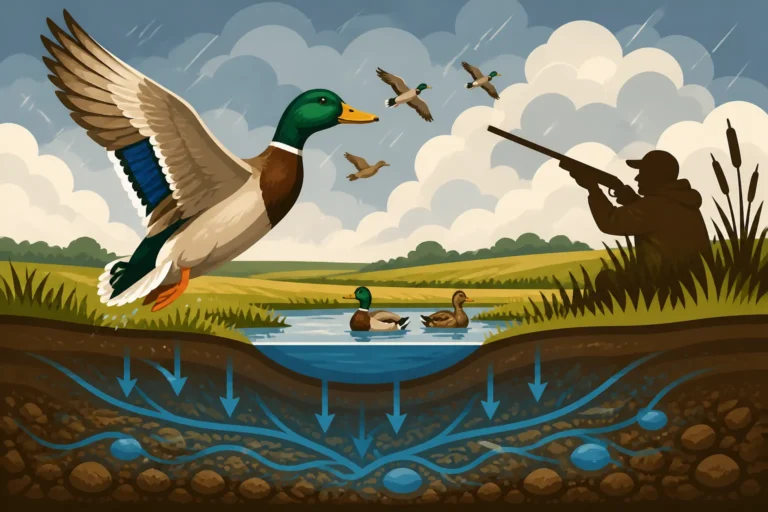
Nebraska sits squarely in the Central Flyway, making it a critical stopover for millions of migrating ducks and geese. Waterfowl hunting is a passion for a dedicated segment of Nebraska hunters, offering diverse opportunities from jump shooting small creeks to elaborate decoy spreads in cut fields.
Ducks: Diversity on Water and Field
From early teal seasons to late-season mallards, duck hunting provides consistent action for those willing to brave the elements. The state's myriad rivers, reservoirs, sandpits, and the famous Rainwater Basin wetlands all provide prime habitat for various duck species. Jump Shooting Nebraska River Ducks on the Platte or Loup rivers can be exhilarating, while setting up a blind on a Rainwater Basin wetland for divers and puddle ducks offers a different kind of challenge.
The variety of species – mallards, pintails, wigeon, gadwall, teal, and various divers – means there's always something to keep a waterfowler engaged. The tactics change with the season and the location, from large decoy spreads on open water to small, stealthy approaches on secluded ponds. Waterfowling demands specialized gear and a deep understanding of bird behavior and weather patterns, but the rewards of a successful hunt, often shared with good friends and loyal dogs, are immense.
Geese: Honkers and Snows
Goose hunting, particularly for Canada geese, is another highly popular pursuit in Nebraska. These large, intelligent birds offer challenging hunting throughout the fall and winter. As the colder weather pushes geese south, Nebraska fields, especially those with harvested corn, become vital feeding grounds.
Setting a large spread of decoys in a cut cornfield and patiently waiting for Canada geese to commit can be incredibly rewarding. The Rainwater Basin area is particularly famous for its incredible congregations of geese, including white-fronted geese and the massive flocks of snow geese during the Hunting the Light Goose Conservation Order in spring. The noise of thousands of geese overhead, the camaraderie in a layout blind, and the thrill of calling birds into range make goose hunting a top choice for many waterfowl enthusiasts.
Other Popular Pursuits: Turkeys, Antelope, and Predators
While deer, upland birds, and waterfowl dominate the conversation, Nebraska offers several other popular hunting opportunities that draw dedicated hunters into the field.
Wild Turkeys: The Spring Obsession
Wild turkeys have a robust following, especially during the spring season when gobblers are vocal and active. The challenge of calling a wary tom into shotgun or bow range is an addiction for many. Nebraska offers permits for spring and fall seasons, with the spring hunt being particularly popular due to the birds' breeding behavior. Spring Turkey Calling in Nebraska's River Corridors can be a truly exhilarating experience, often set against the backdrop of vibrant new growth and crisp morning air.
While turkey populations have seen some fluctuations, they remain a beloved game animal. Hunting them requires patience, good woodsmanship, and often a mastery of various calls. The satisfaction of hearing a gobbler respond to your calls and then seeing him strut into view is a highlight of the spring hunting calendar for thousands.
Pronghorn Antelope: Speed on the Plains
Pronghorn, often mistakenly called "antelope," are a unique and highly prized big game animal found in the western reaches of Nebraska. Known for their incredible speed and keen eyesight, hunting pronghorn is a distinctive challenge that attracts hunters seeking a truly open-country experience. Permits for pronghorn are limited and often require applying in a draw, reflecting their high demand.
Hunting pronghorn typically involves extensive glassing with high-quality optics, often from long distances, to locate herds and identify mature bucks. Once spotted, the real challenge begins: executing a successful stalk across vast, treeless plains where cover is minimal. Stalking Pronghorn on Nebraska Grassland tests a hunter's patience, physical endurance, and ability to read terrain and wind. It's a truly iconic western hunt right here in Nebraska.
Predators: The Year-Round Pursuit
For many, the hunting season doesn't end when big game and bird seasons close. Predator hunting, primarily for coyotes, offers year-round opportunities and a chance to hone calling and shooting skills. Predator Calling on the Nebraska Plains is a popular activity, especially during the winter months when other seasons are closed and animal pelts are prime.
Coyotes are found across the entire state, and their numbers often mean plenty of opportunities for those who learn to call them in. It's an active form of hunting that involves setting up in strategic locations, using electronic or hand calls to mimic distress sounds or prey animals, and being ready for a fast shot. Beyond the thrill, many hunters see predator control as a way to help local deer and upland bird populations, adding a conservation aspect to their pursuit.
Comparing Nebraska's Most Hunted Species
To give you a clearer picture, here's a brief overview of the relative popularity and general hunting experience for these species:
| Species | Hunter Popularity | Typical Habitat | Primary Hunting Method | Unique Challenge | GoHunt Relevance (Example) |
|---|---|---|---|---|---|
| White-tailed Deer | Very High | River bottoms, crop fields, timber, suburban areas | Stand hunting, still-hunting | Patterning wary bucks, pressure in accessible areas | Checking Nebraska Deer Management Unit Permits availability and harvest trends. |
| Ring-necked Pheasant | High | Crop stubble, grass, cattail sloughs, shelterbelts | Walking with dogs, blocking | Fast flushes, holding birds in cover, hunting crowded areas | Researching public access Open Fields Tracts Best for Pheasants and recent bird counts. |
| Ducks | Moderate | Rivers, reservoirs, sandpits, wetlands | Decoying, jump shooting, pass shooting | Reading migrations, weather dependency, specialized gear | Studying Nebraska Duck Zones and Split Seasons and accessing wetland maps. |
| Canada Geese | Moderate | Harvested crop fields, large water bodies | Decoying, field hunting | Decoy spreads, calling consistency, large flock behavior | Analyzing Decoy Spreads for Rainwater Basin Geese and scouting flight patterns. |
| Wild Turkey | Moderate | Timbered river corridors, pine ridges | Calling, stalking | Bringing a gobbler into range, dealing with hung-up birds | Investigating Nebraska Spring Turkey Permit On-Sale Date and historical sell-out rates for different units. |
| Mule Deer | Moderate | Sandhills, Panhandle, open grasslands | Spot-and-stalk, glassing | Long-range spotting, executing open-country stalks | Exploring Nebraska Sandhills Any Deer Draw Odds and unit-specific mule deer harvest data on GoHunt. |
| Coyote (Predator) | Consistent | All habitats, open plains, farmland | Calling, spot-and-stalk | Quick setups, reading wind, challenging shot opportunities | Finding less-pressured areas for Coyote Calling on Winter Grassland. |
| Bobwhite Quail | Niche (regional) | Brushy draws, shelterbelts, timber edges | Walking with dogs | Locating coveys, tight shooting, population fluctuations | Identifying Quail Coveys in Nebraska Shelterbelts in specific regions. |
| Pronghorn Antelope | Niche (draw only) | Open grasslands, Sandhills, Panhandle | Spot-and-stalk, decoying | Extreme vision, speed, minimal cover for stalks | Analyzing Nebraska Antelope Draw Odds and success rates by unit. |
| Prairie Grouse | Niche | Sandhills grasslands, native prairie | Walking with dogs, stalking | Covering vast terrain, wild nature of birds, limited access | Pinpointing Greater Prairie-Chicken Range in Nebraska for unique hunting experiences. |
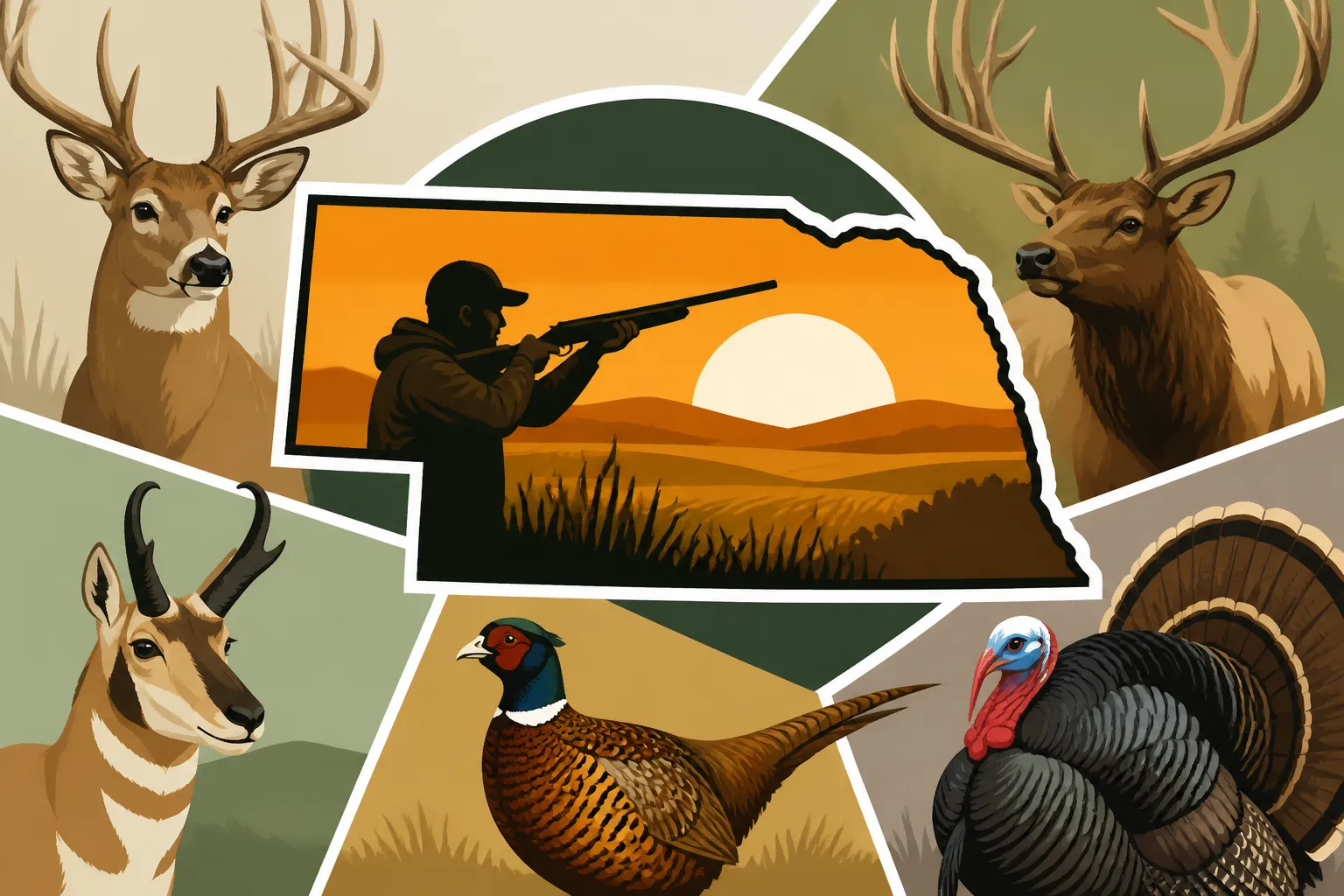
From this table, you can see that deer, especially whitetails, and pheasants clearly lead the pack in terms of general hunter participation. However, the diversity of Nebraska's landscape and game animals means there's a passionate community for nearly every species, each offering its own unique rewards and challenges. Using tools like GoHunt can help you dive even deeper into specific unit data or draw odds for these varied pursuits.
Planning Your Next Nebraska Hunt
Whether you're drawn to the classic pursuit of a Nebraska whitetail, the exhilarating flush of a pheasant, or the unique challenge of a Sandhills mule deer, understanding the most popular game species gives you insight into the state's hunting culture. It also helps you anticipate hunter pressure on public lands or target specific permits in the draw.
Remember, each species offers its own distinct experience. Some, like deer and pheasants, are readily accessible across much of the state, while others, like mule deer or pronghorn, require focusing your efforts on specific regions and often involve navigating a permit draw system. Regardless of your chosen quarry, Nebraska's hunting opportunities are rich and varied, promising a lifetime of adventure in the field.
Disclaimer
This article is for general informational purposes only and does not constitute professional advice. Laws, prices and regulations vary by location and change over time. Consult a qualified professional for guidance on your specific situation.