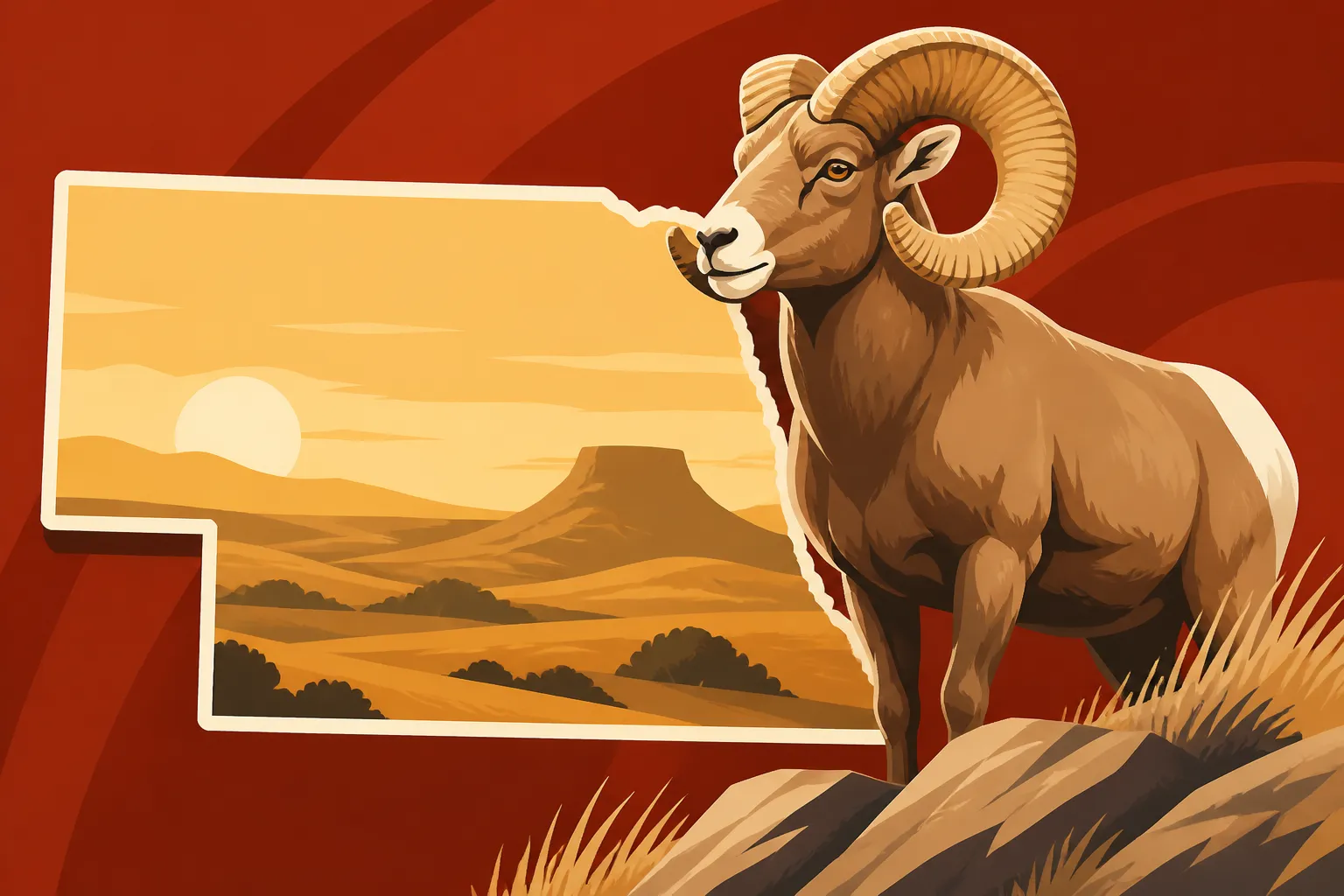
Nebraska Bighorn Ram Records
For many hunters, the dream of taking a record-book animal is a powerful motivator, and in Nebraska, the pursuit of a bighorn ram worthy of such distinction represents the pinnacle of big game hunting. Understanding what constitutes a record ram, how these magnificent animals are scored, and the remarkable history behind their presence in the state is crucial for any hunter hoping to participate in this exclusive and challenging opportunity. This guide will walk you through the details of Nebraska's bighorn ram records, from scoring systems to the unique journey these sheep have made to return to the Cornhusker State.
The Quest for a Nebraska Bighorn Record: What It Means
Bringing down a bighorn ram anywhere is a monumental achievement, but in Nebraska, it carries an extra layer of significance. With very limited permits and a challenging landscape, any bighorn is a trophy, but one that enters the record books becomes part of the state's conservation legacy.
The Prestige of a Record Ram
Imagine glassing a distant ridge in the Pine Ridge, the harsh Nebraska sun glinting off the rocks, when suddenly, a curl catches your eye. Not just any curl, but one that speaks of age, strength, and impressive mass. That's the moment a hunter's heart races, recognizing the potential for a truly special animal, one that could possibly qualify for a place in the record books. The prestige isn't just about the numbers; it's about the entire journey, the conservation efforts that brought these animals back, and the incredible challenge of the hunt itself. For many, a record-book bighorn represents the culmination of a lifetime of dedication to hunting and wildlife. It’s a testament to the animal's life and the hunter's skill.
The process of having an animal officially scored and entered into a record book like Boone and Crockett is rigorous. It involves precise measurements, careful documentation, and often a waiting period to ensure the skull has settled and dried properly. This isn't a quick process, and the meticulous nature of it only adds to the value and respect given to those animals that qualify. It’s a formal recognition of an exceptional specimen and the habitat that supported its growth.
Nebraska's Unique Bighorn Hunting Landscape
Nebraska might not be the first state that comes to mind when you think of bighorn sheep, but that's precisely what makes the hunting here so unique and the potential for a record ram so extraordinary. The bighorn sheep population in Nebraska exists in specific areas, primarily the rugged terrain of the Pine Ridge in the northwestern part of the state. This isn't sprawling mountain ranges like in other Western states; it's a series of breaks, canyons, and bluffs carved into the prairie. Nebraska Bighorn Sheep Numbers have seen their ups and downs, but the fact that these animals thrive here at all is a testament to dedicated conservation efforts.
Hunting bighorns in Nebraska is an exercise in patience and physical endurance. The terrain can be unforgiving, with steep climbs, loose rock, and unpredictable weather. Spotting a ram from a distance and then planning a stalk in this challenging environment requires keen eyesight, intimate knowledge of the area, and serious grit. The animals themselves are incredibly wary, and their survival instincts are finely tuned to their environment. This combination of limited habitat, a resilient population, and difficult hunting conditions means that any ram harvested in Nebraska is hard-earned, and a record-book ram is a rare jewel.
Decoding Bighorn Scoring Systems: How Records Are Made
When we talk about "record" bighorn rams, we're almost always referring to those recognized by the Boone and Crockett Club. This organization sets the standard for North American big game trophy scoring, and their system is respected worldwide for its fairness and scientific approach.
Boone and Crockett: The Standard for Bighorns
The Boone and Crockett Club's scoring system for bighorn sheep focuses primarily on the magnificent horns of the ram. It's a method that objectively measures the dimensions of the horns, aiming to quantify the animal's trophy quality based on its physical attributes. The system is designed to reward mature animals with excellent horn growth, taking into account both length and mass. It’s a standardized way to compare trophies across different regions and time periods, allowing hunters to see where their ram stands in the lineage of impressive animals.
The process for scoring involves several key measurements. The length of each horn is measured along the outer curve from the base to the tip. Then, circumference measurements are taken at four specific points along each horn, ensuring that the mass is accounted for from base to tip. What makes the Boone and Crockett system so well-regarded is its emphasis on symmetry. While the measurements for each horn are added together, any significant differences between the left and right horns in terms of overall length or circumference deductions are factored in. This means a truly symmetrical set of horns, even if slightly smaller, can sometimes score higher than a larger, but lopsided, set.
Essential Measurement Points and Symmetry
Understanding the critical measurement points is key to appreciating a bighorn's score. Here's a breakdown of what measurers look for:
| Measurement Point | Description |
|---|---|
| Length of Horn | The longest measurement along the outer curve of each horn, from the deepest point of the base to the tip. This often involves bending the tape measure to follow the natural curve precisely. |
| Circumference at Base | The widest circumference measurement taken around the horn at its base, perpendicular to the horn's axis, immediately above the skull. This is a critical indicator of horn mass. |
| 1st Quarter Circumference | Measured at the point that is exactly one-quarter of the way along the horn's total length from the base. This, along with the other circumference measurements, highlights the horn's taper. |
| 2nd Quarter Circumference | Measured at the point that is exactly halfway along the horn's total length from the base. This continues to track the horn's mass as it progresses. |
| 3rd Quarter Circumference | Measured at the point that is exactly three-quarters of the way along the horn's total length from the base. Even towards the tip, mass is important for a high score. |
| Tip-to-Tip Spread | While often noted for bragging rights, the direct distance between the tips of the horns is not typically added to the final B&C score for bighorn sheep. |
| Greatest Spread | The widest point between the outer edges of the horns. Also often noted but not typically included in the final B&C score. The focus is on the horn material itself, not the air space between. |
For a ram to achieve a truly exceptional score, it needs not only impressive length but also consistent, heavy mass throughout the horns. A horn that carries its mass well towards the tip will generally score higher than one that tapers very quickly. Symmetry is also incredibly important; any significant difference between the corresponding measurements of the left and right horns will result in deductions. This means a perfectly balanced ram with slightly shorter horns might outscore an asymmetrical one with a greater overall length.
The Importance of Official Measurers
You might be able to get a rough idea of your ram's potential score with a tape measure, but to enter the record books, an official measurer certified by the Boone and Crockett Club (or other relevant organizations) must perform the scoring. These individuals undergo rigorous training to ensure accuracy, consistency, and adherence to the precise rules of the scoring system. They understand the nuances of measuring irregular shapes and how to account for natural imperfections versus damage.
The process often involves a required drying period—typically 60 days—after the animal is harvested before an official score can be taken. This allows for any shrinkage or settling of the bone and horn material to occur, ensuring a stable and fair measurement. Having an official measurer present also lends credibility to the score, making it universally recognized within the hunting community. For anyone thinking they might have a record-book ram, connecting with an official measurer is the crucial next step after the harvest. You can usually find a list of certified measurers through the Boone and Crockett website or by contacting your state's game and parks agency.
Nebraska's Bighorn Story: From Extinction to Record Potential
The presence of bighorn sheep in Nebraska today is a conservation success story. They were once extirpated from the state, and their return, combined with thoughtful management, has created the limited, yet high-quality, hunting opportunities we see.
A History of Restoration Efforts
It's hard to imagine, but once upon a time, bighorn sheep roamed parts of what is now Nebraska. However, by the early 1900s, unchecked hunting, habitat loss, and diseases introduced by domestic livestock led to their complete disappearance from the state. For decades, the bighorn was just a historical footnote in Nebraska's wildlife narrative. The modern chapter of their story began in the late 1980s with ambitious reintroduction efforts. Bighorn Sheep Restoration in Nebraska was a long and challenging process, starting with animals translocated from other western states, notably Montana and Colorado.
These initial reintroductions faced numerous hurdles, including adapting to new habitats, predator pressure, and perhaps most significantly, disease. Bighorn sheep are particularly susceptible to respiratory diseases, often carried by domestic sheep, which can decimate a herd. Despite setbacks, the efforts persevered, and over time, small, resilient herds began to establish themselves in the rugged Pine Ridge. This success is a testament to the dedication of conservationists, wildlife biologists, and local landowners who understood the ecological value of having these majestic animals back on the landscape.
Understanding Herd Health and Trophy Quality
The health of Nebraska's bighorn herds is directly linked to their trophy quality and record potential. A healthy herd, with good genetics and adequate nutrition, is more likely to produce rams with exceptional horn growth. The Nebraska Game and Parks Commission closely monitors the bighorn populations, tracking their numbers, health, and age structure. One of the persistent challenges has been dealing with outbreaks of diseases like pneumonia, which can significantly impact herd size and the survival of lambs and mature animals alike. Bighorn Pneumonia in Nebraska Herds has been a significant hurdle in growing the population.
Despite these challenges, the rams that thrive in Nebraska's Pine Ridge often grow to impressive sizes. The limited nature of the permits issued each year is a direct reflection of the careful management needed to ensure the long-term viability and health of the population. When you draw one of the coveted permits, you're not just hunting; you're participating in a carefully managed system designed to ensure future generations of bighorns. This careful balance between conservation and sustainable hunting helps maintain the trophy quality that makes record-book rams a possibility in Nebraska. The scarcity of permits, and the high demand, means that hunters vying for a chance often look to services like GoHunt for insights into draw odds and unit analysis, hoping to maximize their chances.
Pursuing a Record Ram: Strategy and Preparation
Drawing a Nebraska bighorn permit is like winning the lottery—a very tough lottery, as anyone who has looked into Nebraska Bighorn Sheep Lottery Odds can attest. Once you have that permit in hand, the real work begins, especially if your goal includes the potential for a record-book ram.
Scouting for Trophy Potential
The hunt for a bighorn ram in Nebraska is typically conducted in the Pine Ridge area, where the rugged topography and scattered pockets of public and private land create a challenging yet rewarding environment. Effective scouting is paramount. This isn't just about finding sheep; it's about finding mature rams, and ideally, rams that show signs of exceptional horn growth. Hunters often spend days, even weeks, before the season opens, glassing vast stretches of country with high-powered binoculars and spotting scopes. You'll need good optics and a steady tripod to thoroughly examine distant animals, looking for the classic "full curl" and the heavy mass that distinguishes a trophy ram. Optics for Glassing the Nebraska Sandhills might offer some relevant advice, as similar tactics are used for spotting distant mule deer, though bighorn terrain is often even steeper.
When scouting, pay close attention to the age class of the rams. Older rams, generally 7 years or more, are the ones most likely to have developed the horn length and mass necessary for record book consideration. Look for characteristics like broomed tips (where the horn tips have worn or broken off from fighting or rubbing), which indicate a mature animal. Observing the sheep's patterns – where they feed, water, and bed – will be crucial for planning your actual hunt. Many successful hunters utilize mapping tools and satellite imagery, sometimes even services like GoHunt that provide mapping overlays, to identify potential areas and plan their approach routes, understanding that finding an animal is only half the battle.
The Hunt and Post-Harvest Process
Once the season opens, the hunt for a bighorn ram is an intense, often physically demanding, endeavor. Patience is a virtue, as is the ability to adapt to changing conditions and the sheep's movements. You might spend days stalking an animal only to have it disappear into an unseen canyon. The key is to remain persistent, use the wind to your advantage, and execute a well-planned stalk to get within ethical shooting range. A solid rifle setup, capable of precise shots at varying distances, is essential in the open country of the Pine Ridge. Rifle Setups for Nebraska's Open Country can offer more insights into suitable gear.
After a successful harvest, the work isn't over, especially if you believe your ram has record-book potential. First and foremost, you need to properly tag and report your harvest according to Nebraska Game and Parks regulations. Then, the careful handling of the trophy is critical. The skull cap and horns need to be preserved without damage. This usually means caping the animal and then carefully removing the skull cap with the horns attached. Avoid anything that could damage the horns or the base measurements, like cutting too close or applying excessive heat. Ensure the skull and horns are thoroughly cleaned and allowed to air dry in a cool, shaded place for the required 60-day drying period before an official measurement can be taken. This attention to detail ensures that your magnificent ram has the best chance of entering the Nebraska Bighorn Ram Records.
Disclaimer
This article is for general informational purposes only and does not constitute professional advice. Laws, prices and regulations vary by location and change over time. Consult a qualified professional for guidance on your specific situation.