Archery Antelope From a Water Blind
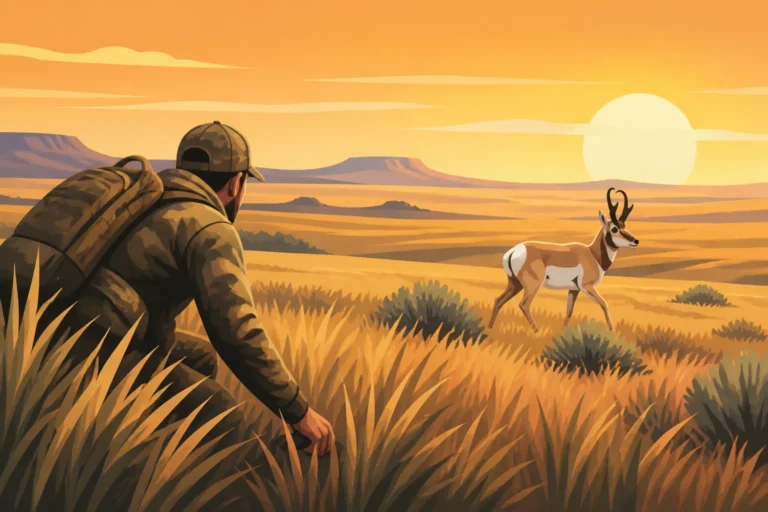
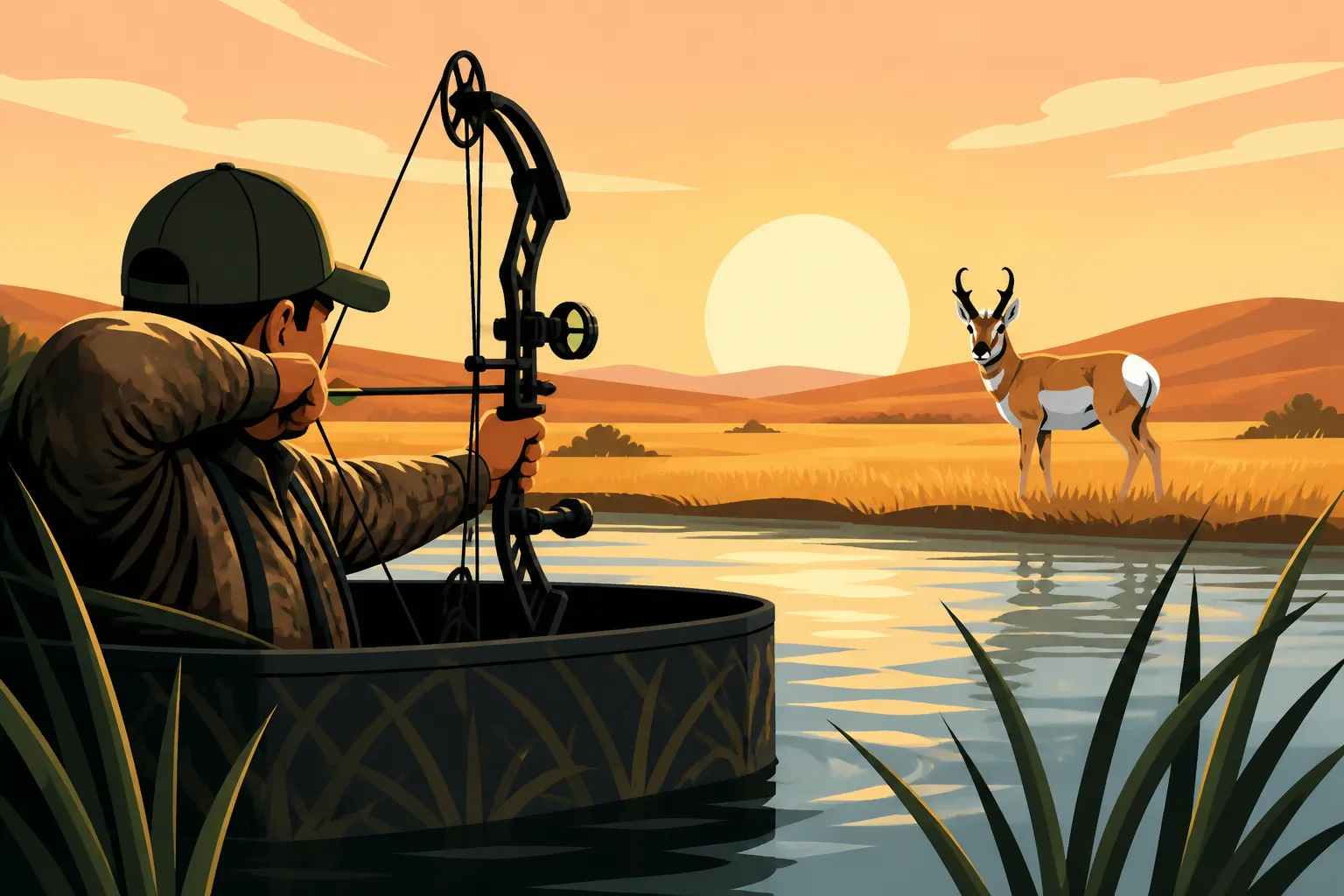
Chasing antelope with a bow in Nebraska can feel like an impossible feat. Their incredible eyesight, combined with the vast, wide-open prairie, makes traditional spot-and-stalk incredibly challenging and often frustrating, especially when trying to get within ethical bow range. But there's a proven method that turns the tables: hunting from a water blind. This guide will walk you through everything you need to know to successfully arrow a pronghorn over water in the Cornhusker State.
Why Water Blinds for Archery Antelope in Nebraska?
Antelope are truly remarkable creatures, built for speed and survival in some of the most unforgiving landscapes. Their vision is legendary, often compared to that of an 8x binocular, making it nearly impossible to sneak within 30-40 yards on flat, open ground. This is where the strategic advantage of a water blind truly shines. Instead of trying to outsmart their eyes in a game of hide-and-seek, you leverage their fundamental need for water, especially during the scorching late summer and early fall months.
Understanding Antelope Water Needs
Nebraska’s antelope range, primarily concentrated in the western Sandhills and Panhandle, can be brutally hot and dry during much of the archery season. While pronghorn are known for their ability to go long periods without drinking, relying on moisture from forage, they absolutely must have water when temperatures soar and green vegetation becomes scarce. This necessity creates a predictable pattern, turning remote water sources into genuine hotspots. Imagine days on the plains where the mercury consistently hits the 90s or even triple digits—those antelope are going to be thirsty, and they’ll come to drink. Understanding when Antelope Water in Hot Weather is critical to your planning.
During these peak heat periods, pronghorn become incredibly vulnerable at waterholes. They will typically visit water sources once or even twice a day, usually in the mid-morning to early afternoon, or again in the late afternoon as temperatures begin to cool slightly. Their strong instinct to hydrate overrides some of their typical caution, making these brief moments at the water's edge your best opportunity for a close-range shot. Without a reliable water source, especially when the surrounding landscape is parched, your chances of success plummet dramatically.
The Challenge of Spot-and-Stalk Archery
For most of us, the romantic notion of spot-and-stalk hunting an antelope across the open plains is what initially draws us to archery pronghorn. It sounds exhilarating, and when it works, it absolutely is. However, the reality on Nebraska's vast grasslands often involves hours of crawling through cactus and sand burrs, only to be busted by an unseen doe or a buck that spotted your movement from half a mile away. The terrain offers very little in terms of cover, and the antelope's incredible eyesight means they'll pick up even the slightest deviation in the horizon line.
I've spent countless hours trying to creep on antelope, making a mile-long stalk only to watch them bolt at 300 yards. The frustration can be immense, leading many archers to give up on pronghorn altogether. This isn't to say it can't be done—some incredibly skilled and patient hunters manage it—but for the average archer, especially one who doesn't have weeks to dedicate to a hunt, it's an uphill battle. The sheer amount of ground you need to cover and the constant battle against their keen senses often make Stalking Pronghorn Across Open Nebraska Ground a true test of mental fortitude. Using a water blind eliminates the need for these extended, often fruitless, stalks by bringing the antelope to you on their schedule, not yours.
Ideal Conditions for Water Blind Hunting
While a water blind can be effective in many scenarios, certain conditions dramatically increase your odds of success. The hotter and drier the weather, the better. When natural depressions and temporary ponds dry up, the remaining reliable water sources become magnets. Look for periods of sustained high temperatures with little to no rainfall. This scarcity concentrates animals, making their travel patterns to water much more predictable.
The peak of Nebraska’s archery antelope season, typically in August and early September, often aligns perfectly with these hot, dry conditions. This period also precedes the full intensity of the rut, meaning bucks are focused on feeding and watering, not solely chasing does. During the rut, Decoying a Rutting Pronghorn Buck might be an option, but for consistent waterhole success, a pre-rut or early-rut strategy is best. Also, consider areas with minimal human disturbance; antelope are incredibly sensitive to pressure. A remote stock tank or windmill that doesn't see daily traffic is far more appealing to them than one near a frequently used road. The more isolated the water source, the less wary the animals will be, and the more relaxed they'll be when they finally commit to drinking.
Setting Up Your Water Blind for Success
Success at a waterhole relies heavily on preparation. You can't just throw up a blind anywhere and expect antelope to wander in. Thoughtful scouting, strategic placement, and proper concealment are paramount to creating an inviting and effective ambush site. This isn't just about hiding; it's about becoming part of the landscape.
Scouting for Productive Water Sources
This is arguably the most crucial step. You need to identify water sources that antelope actually use, and ideally, those they use regularly. Begin your scouting well before the season. Use satellite imagery on mapping apps like GoHunt or OnX to locate potential ponds, stock tanks, windmills, and even small seepages in draws. Look for well-worn trails leading to the water, as these are clear indicators of frequent animal traffic. Pay attention to the surrounding terrain: open, unobstructed approaches are usually preferred by pronghorn, as it allows them to scan for predators.
Once you’ve identified potential spots on the map, a pre-season boots-on-the-ground visit is essential. Look for fresh tracks, droppings, and signs of recent use around the water's edge. A critical detail is the type of water source. Small, isolated tanks that are the only water for miles around will be far more productive than a large reservoir with multiple access points. Sometimes, a barely visible seep in a low spot can be a goldmine if it’s the only option available. Don't be afraid to put in the miles; a well-scouted water source will dramatically increase your odds. Remember to always obtain permission if the water source is on private land.
| Water Source Type | Pros | Cons | Ideal Conditions |
|---|---|---|---|
| Stock Tanks | Consistent water, often elevated for visibility | Can be near ranch activity, limited cover | Hot, dry periods when other water is scarce |
| Windmills | Extremely reliable, often isolated | Can be noisy, may attract livestock | Remote rangeland, minimal human pressure |
| Natural Ponds | Blend well with landscape, can offer natural cover | May dry up in drought, less consistent use | After recent rains, or spring-fed |
| Seeps/Trickles | Highly isolated, often overlooked by other hunters | Very small, requires precise blind placement | Extreme drought, antelope desperate for water |
Blind Placement and Concealment
Once you've found your honey hole, it's time to think about blind placement. The cardinal rule here is to set up where you're concealed from every angle an antelope might approach, and where the prevailing wind is in your favor. Antelope will often circle a water source before committing, using their eyes to check for danger. Your blind needs to be brushed in so thoroughly that it becomes invisible, even to their incredible eyesight. This means cutting natural vegetation from the area—cedar branches, sagebrush, tall grasses—and weaving it into the blind's fabric loops. You want it to look like a natural clump of brush.
Aim to place your blind 20-30 yards from the water's edge. Too close, and the antelope might spot your slight movements inside; too far, and you risk a marginal shot, especially if the wind kicks up or the animal decides not to come all the way in. When considering Wind Direction on Open Nebraska Prairie Stands, remember that thermals often play a role in the morning and evening, but during the heat of the day, a consistent crosswind or quartering-away wind from the water is usually best. This helps carry your scent away from their approach. Setting up the blind days or even weeks before you hunt allows the antelope to get accustomed to its presence, reducing their wariness.
Gear Essentials for the Water Blind
Hunting from a water blind requires specific gear to maximize comfort and effectiveness during what can often be long, hot, and monotonous waits. Beyond your bow and arrows, here’s what you’ll need:
- Comfortable Chair: A low-profile, portable chair is non-negotiable. You'll be sitting for hours, so comfort prevents fidgeting and fatigue.
- Hydration: Bring plenty of water, even more than you think you’ll need. Hydration is key to staying alert and comfortable in the heat.
- Snacks: Small, quiet snacks help pass the time and keep your energy up.
- Bug Spray: Mosquitoes, flies, and gnats can be relentless.
- Cooler with Ice: Not just for your drinks, but potentially for your harvest. Game Bags for Early Archery Heat are also essential.
- Binoculars and Rangefinder: Even though the shot will be close, confirming range and identifying antlers is crucial. Rangefinders in Open Nebraska Country are a must.
- Wind Checker: A small bottle of powder or milkweed fluff to constantly monitor wind direction.
- Good Book or E-Reader: To combat boredom, just make sure it’s easily put away without noise or movement when antelope appear.
- Scent Control: While scent control is never foolproof in an enclosed blind, using scent-free detergents and sprays on your clothing can help.
- Broadheads: Choose reliable, sharp broadheads. Both Fixed Versus Mechanical Broadheads have their proponents, but consistency and accuracy are most important. Ensure your Arrow Weight for Windy Conditions is appropriate for stability.
- Quiet Clothing: Avoid noisy fabrics that rustle with movement. Layering for potential temperature swings is also a good idea.
Tactics and Patience: Making the Shot Count
Even with the perfect setup, the actual hunt requires a sharp eye, steady nerves, and an abundance of patience. Antelope can be unpredictable, and capitalizing on the brief windows of opportunity is what separates success from frustration.
Reading Antelope Behavior at the Waterhole
Antelope rarely just walk straight up to the water and drink. They are incredibly cautious, often approaching from a distance, stopping, looking, and maybe even circling the water source multiple times before committing. A single buck might approach, or a whole herd could come in. When a herd approaches, they’ll often send a doe in first to test the waters. Watch their body language closely. Are they calm, tails relaxed, slowly approaching? Or are they skittish, heads up, ears swiveling, trying to pinpoint danger?
Pay attention to their path. They’ll often use the same trails, and knowing these can help you anticipate their final approach. Once they start to drink, they’ll usually take a few sips, then raise their heads to scan. This is your moment to make any necessary adjustments for the shot, but do it slowly and deliberately. Don't draw your bow until their head is down and their attention is focused on drinking. When they raise their head again, freeze. Repeat this process until you're at full draw and have a clear, ethical shot. Don't rush it; let them relax a bit if they seem nervous.
Managing Wind and Shot Opportunities
Wind is an ever-present factor in Nebraska's open country, and it can swirl and shift unexpectedly, even on seemingly calm days. While your blind placement accounts for the prevailing wind, localized thermals and changing air currents can still betray your position. Continuously check the wind with your wind checker, even when no animals are in sight. If the wind shifts unfavorably and you feel your scent might be carried towards the antelope, it's often better to wait for a more advantageous situation, or even consider leaving the blind quietly if the shift is permanent.
When an antelope is at the waterhole, your shot opportunity might be fleeting. Broadside shots are ideal, targeting the vital lung and heart area. If they are quartering away, a shot into the ribs aiming for the opposite shoulder can also be effective. Avoid quartering-to or frontal shots, as these offer less margin for error and increase the risk of a non-lethal hit. Practice shooting from a seated position in your blind before the hunt, replicating the angles and limited movement you'll experience. This preparation will build confidence when the moment of truth arrives, especially since Rifle Ranges Realistic on the Nebraska Prairie are often long, making archery shots require precise execution. Remember that Judging Pronghorn Horn Length can be tricky under pressure, so take your time before making the decision to shoot.
Staying Patient in the Heat
Hunting from a water blind, especially during Nebraska's warm archery season, is a test of patience. You might sit for hours, or even a full day, without seeing a single animal. The heat can be draining, boredom can set in, and the temptation to get up and stretch or check your phone can be strong. Resist these urges! A single movement or glint of light can spook a wary pronghorn that was just about to commit.
Bring enough distractions to keep your mind occupied, but ensure they are silent and can be put away instantly. Stay hydrated, wear light, breathable clothing, and position your blind to offer as much shade as possible. Mentally prepare for long sits. The reward of seeing an antelope slowly walk towards your blind, completely unaware of your presence, makes all the waiting worthwhile. This isn't a fast-paced hunt; it's a grind, but one that often pays off handsomely if you commit to it.
Post-Shot and Recovery Considerations
The shot is made, and your arrow found its mark. The hunt isn't over yet; the recovery phase is just as critical, especially with an animal as tenacious as an antelope and in potentially warm conditions.
Immediate Actions After the Shot
After releasing your arrow, resist the urge to immediately jump out of the blind. Watch the animal’s reaction and direction of travel. Antelope are known for their incredible speed, and even a well-hit animal can cover significant ground before expiring. Mark the exact spot where the antelope was standing when you shot, and where you last saw it disappear. Use a landmark, like a distant fence post, a unique tree, or a specific hill. If hunting with a friend, both of you should observe this.
Allow at least 30-45 minutes, sometimes longer, before leaving your blind to begin tracking, especially if it wasn't an immediately apparent fatal hit. This waiting period gives the antelope time to lie down and stiffen up, preventing it from running further. If you push it too soon, it might get its adrenaline pumping again and cover more distance, making recovery much harder. During this time, gather your tracking gear: extra water, a good flashlight (even in daylight, for dense cover or under bushes), and your phone or GPS to mark blood trails.
Tracking and Recovery in Open Country
Tracking an antelope in the open, often sparse, vegetation of Nebraska’s plains can be a unique challenge. Unlike deer in timber, a blood trail might be intermittent on dry grass or sandy soil. Start at the shot location, looking for your arrow if it passed through, as it can tell you a lot about the hit. Even small flecks of blood can indicate a good trail. Move slowly, marking each spot of blood with toilet paper or flagging tape. It’s a good idea to bring a small flag from GoHunt or other hunting supplies for this purpose. Look not just for blood on the ground, but on grass blades, small shrubs, or even rocks.
If the blood trail becomes sparse, expand your search in the direction the antelope was heading. Look for overturned leaves, disturbed grass, or any subtle sign of movement. Often, an antelope will bed down in the first bit of cover it can find, like a small washout, a cedar patch, or behind a rise. If you lose the trail completely, grid-search the area in circles from the last confirmed blood. Don't be afraid to take a break, gather your thoughts, and return with fresh eyes or even an extra set of eyes. Recovering an Antelope in Warm Weather requires diligence and persistence.
Meat Care in Warm Weather
Nebraska’s archery antelope season often coincides with some of the hottest weather of the year, which means proper meat care starts immediately after recovery. Heat is the enemy of game meat, and spoilage can occur rapidly. As soon as you locate your antelope, begin the field dressing process. Get the guts out quickly to allow the carcass to cool internally. Skinning the animal as soon as possible is also highly recommended, as the hide traps heat.
Once field dressed and skinned, get the carcass into shade and off the ground. If you have ice, pack the chest cavity with it to accelerate cooling. Air circulation is paramount. You might need to quarter the animal to fit it into coolers. Carry plenty of large game bags to protect the meat from flies and dirt. Consider bringing along several coolers filled with ice, especially if you plan to hunt for multiple days. Getting the meat cooled quickly and keeping it cool until it reaches a processor or your freezer is the absolute key to ensuring high-quality venison. If the temperatures are exceptionally high, even a short delay can compromise the quality of your hard-earned harvest.
Disclaimer
Always consult the most current Nebraska Game and Parks Commission regulations before planning any hunting trip, as rules and seasons can change.