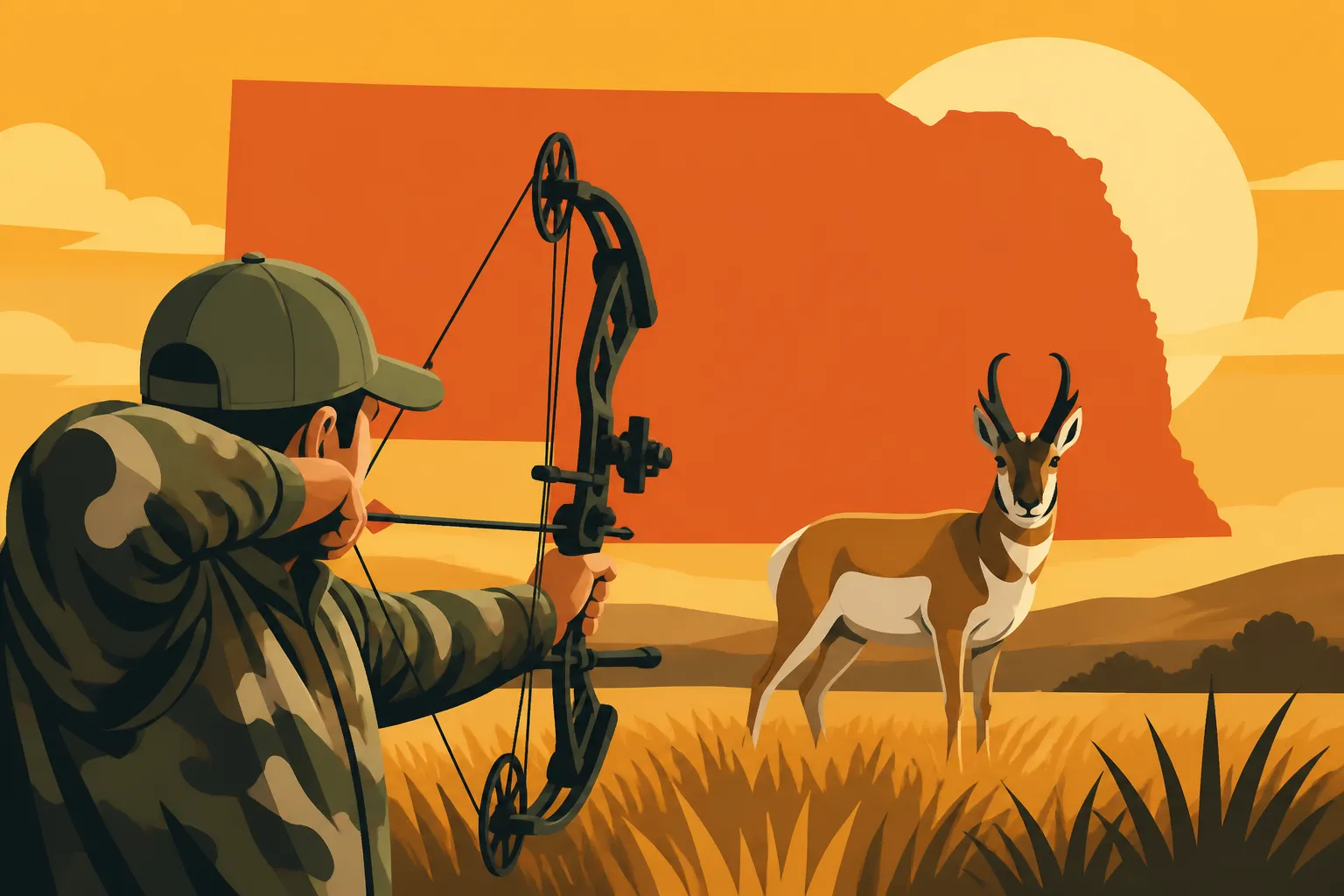
Nebraska’s August Archery Antelope Opener
There's nothing quite like the anticipation of a new hunting season, but if you've ever dreamt of chasing pronghorn with a bow in Nebraska, you know the August opener presents a unique set of challenges. Scorching heat, wary antelope, and vast open country can make success feel elusive. This guide is here to walk you through everything you need to know about Nebraska's August archery antelope opener, from securing your permit to the tactics that will put you in position for a shot at a prairie speedster.
The Allure of Early Archery Antelope
The very idea of an August archery opener conjures images of shimmering heat, endless grasslands, and the phantom-like appearance of pronghorn on the horizon. For many bowhunters, it's an exciting opportunity to get into the field long before the deer seasons kick off, offering a true test of woodsmanship and patience against one of North America's fastest land mammals. It’s a chance to experience the Nebraska plains at their most vibrant, even if it means sweating for your success.
Why August is a Unique Challenge
Hunting antelope in August in Nebraska isn't for the faint of heart, or for those unprepared for the elements. The biggest challenge, without a doubt, is the weather. We're talking about late summer in the heartland, which often means daytime temperatures soaring into the 90s, sometimes even tipping into triple digits. This intense heat directly impacts both you and the antelope. For us, it means constant hydration, careful planning of hunt times, and an understanding of how quickly things can go south if you're not careful.
For the antelope, this heat dictates their entire daily routine. They need water, often frequently, and they'll seek shade during the hottest parts of the day, usually in low spots or behind sparse brush. Their movement patterns become highly predictable around water sources, making them a crucial focal point for early season bowhunters. You're not dealing with animals focused on the rut or winter feed just yet; their primary drivers are water, staying cool, and avoiding predators. Add to this the fact that many of the fields and pastures haven't been harvested yet, providing a completely different landscape than what you might find later in the fall.
Understanding Nebraska's Archery Antelope Season Dates
The beauty of Nebraska's archery antelope season is its early start. Unlike many other big game seasons, it kicks off in mid-August, offering bowhunters a chance to get out and enjoy the prairie while summer is still in full swing. Generally, the season begins around August 20th and runs all the way through October 31st, overlapping with portions of the firearm season. However, for those seeking the specific challenge of the August opener, it’s all about those initial weeks before the weather breaks and other hunters arrive.
It’s important to remember that these dates can shift slightly year to year, so always double-check the current Nebraska Game and Parks Commission (NGPC) regulations. While the season technically runs for over two months, the specific conditions and antelope behavior in August are what make this period so distinct. Later in the season, you'll encounter different challenges, like cooler weather, possibly even some early snow, and animals that might be more spread out or starting to think about breeding. But for the August opener, it's a game of heat management and water. Make sure to consult the current year's guide for exact dates and any specific unit restrictions. For more detailed information on when you can pursue these animals, check out "Nebraska Antelope Permits and Seasons".
Essential Scouting and Setup for Success
Success on Nebraska's August archery antelope opener hinges on meticulous scouting and thoughtful setup. You simply cannot "wing it" in this vast, open country, especially when dealing with such keen-eyed and skittish animals. Your pre-season work will largely dictate your success, turning potential frustration into a rewarding experience.
Locating Prime Antelope Habitat
Nebraska's pronghorn are primarily found in the western and central parts of the state, particularly across the iconic Sandhills and the Panhandle. These areas offer the wide-open spaces, sagebrush, and short-grass prairies that pronghorn thrive in. When you're scouting, you're not just looking for "antelope country" broadly; you're pinpointing where they are concentrating in August. This means focusing heavily on reliable water sources, as these are the lifeblood of pronghorn in the summer heat.
Think about cattle tanks, windmills, small ponds, or even seeps in draws. These spots become magnets for antelope, especially during the hottest parts of the day. Utilize maps and online tools, perhaps even services like GoHunt, to identify potential water sources on public or accessible private land. Don't just look for water, though; look for sign around the water: tracks, droppings, and worn trails leading to and from it. These tell you if antelope are actively using that spot. Also, pay attention to the terrain. Pronghorn prefer open areas where they can use their incredible eyesight, but they'll often utilize slight rises, creek beds, or even small patches of taller brush for bedding or a bit of shade. Sometimes, even the smallest washout can offer just enough cover for a cautious approach. If you’re hunting in the Sandhills, understanding "Hunting the Nebraska Sandhills" can give you a significant advantage in finding suitable habitat.
Mastering the Waterhole Ambush
Given the extreme heat, waterhole ambushes are arguably the most effective tactic for archery antelope in August. Pronghorn have to drink, and they will follow predictable patterns to do so. Your goal is to intercept them. This means setting up a ground blind. Forget treestands; antelope country rarely offers the kind of trees needed for elevated stands, and the focus is on being concealed at ground level.
Choosing the right blind location is critical. You want your blind positioned downwind of the water, ideally where the antelope will approach with the wind in their face, but your scent is blowing away from their approach path. This means paying close attention to "Wind and Thermals in the Sandhills", which can be notoriously tricky and swirling. Make sure your blind is brushed in thoroughly and set up well in advance of the season opener, if possible. Antelope are incredibly wary, and a new, uncamouflaged blind will stick out like a sore thumb. A pop-up blind can work, but consider a permanent structure or a well-brushed natural hide that blends seamlessly with the environment. When the antelope finally come in, patience is key. Wait for them to commit to the water and present a clean, ethical shot. For a deeper dive into this specific strategy, check out "Archery Antelope Over Water in Nebraska" and "When Antelope Water in Hot Weather" for expert advice.
The Art of the Stalk in Open Country
While waterholes are often the bread and butter, knowing how to stalk can be a game-changer, especially if waterhole activity is slow or if you spot a particular buck you want to pursue away from water. Stalking pronghorn in their home turf is one of hunting's ultimate challenges. Their eyesight is legendary, often compared to an 8x binocular, and they are constantly scanning their surroundings.
To successfully stalk, you need two things: extreme patience and an intimate understanding of the terrain. Use every ripple, every small rise, every patch of sage, and every single cedar tree for cover. The "still-hunting" approach you might use for deer simply won't work. This is more like crawling than walking. You'll often find yourself on your hands and knees, or even belly-crawling, for hundreds of yards. Plan your approach meticulously, always keeping the wind in your favor. If an antelope spots you, even from a long distance, the stalk is likely over. Look for opportunities when animals are feeding with their heads down, or when a slight dip in the terrain allows you to close distance unseen. It's a grueling but incredibly rewarding experience when it works. For additional tips on this challenging method, read "Stalking Pronghorn Across Open Nebraska Ground".
Gear and Tactics for August Conditions
Beyond knowing where to hunt, having the right gear and specific tactics for August's unique challenges will make or break your archery antelope hunt. The extreme weather demands particular attention to what you carry and how you approach the hunt.
Bow and Arrow Considerations for Pronghorn
When it comes to your archery setup for pronghorn, accuracy and speed are important, but ethical shot placement trumps all. Antelope are not large animals, but they can be incredibly tough, and a poorly placed arrow can lead to a long, difficult, or even lost recovery. Ensure your bow is perfectly tuned and that you are proficient at shooting accurately out to your comfortable maximum range, which in open country might be further than you're used to in timber.
For broadheads, both fixed blade and mechanical broadheads can be effective. Fixed blades offer reliability and deep penetration, which can be crucial on a tough antelope. Mechanicals provide a larger cutting diameter, which can create a wider wound channel and increase blood trailing, provided they deploy correctly. Whichever you choose, practice with them extensively to ensure they fly consistently with your field points. Aim for broadside shots on the crease behind the shoulder, targeting the vitals. Given the open nature of the terrain, wind can be a significant factor, so consider slightly heavier arrows for better flight stability, especially if you anticipate longer shots. Your minimum draw weight for deer also applies to antelope, so ensure your setup meets Nebraska's regulations.
Crucial Gear for Hot Weather Hunting
Hunting in August means prioritizing hydration and comfort. This isn't just about making the hunt more enjoyable; it's a safety concern.
Here's a breakdown of crucial gear:
- Water, Water, and More Water: Carry more water than you think you'll need. A hydration pack is essential. Consider electrolyte mixes to help combat dehydration. It’s a good idea to bring a cooler full of ice and extra water bottles for your vehicle at the trailhead.
- Lightweight, Breathable Clothing: Opt for moisture-wicking fabrics in light colors. Long sleeves and pants are recommended to protect against the sun and prickly vegetation, even if it feels hot. Think brands like Sitka or KUIU for their specific hot-weather hunting lines, though any good performance fabric will do.
- Wide-Brimmed Hat and Sunglasses: Sun protection is paramount. A wide-brimmed hat will keep the sun off your face and neck, and quality sunglasses will reduce glare and eye strain from constantly glassing the horizon.
- Quality Optics: Binoculars (10×42 or 12×50 are ideal) and a spotting scope on a tripod are indispensable. You'll spend hours glassing vast distances to locate antelope and plan your stalks. Brands like Vortex, Leupold, or Swarovski are popular among serious glassers. Rangefinders are also essential for judging distance accurately in open country where landmarks are few.
- GPS Unit or Phone App: Knowing your location, property boundaries, and how to navigate back to your vehicle is critical in seemingly featureless terrain. Apps like onX Hunt are incredibly valuable for showing property lines, satellite imagery, and your exact position.
- Coolers and Game Bags: Once you harvest an antelope, getting the meat cooled quickly is vital in August. Carry good quality game bags to protect the meat from flies and dirt, and have plenty of ice in robust coolers like those from Yeti or RTIC ready in your vehicle. Don't underestimate the need for "Coolers for a Warm Nebraska Opener" and "Game Bags for Early Archery Heat".
- First-Aid Kit: Be prepared for minor injuries, snakebites (yes, rattlesnakes are out in August!), and heat-related issues.
Decoying and Calling Strategies
Decoying can be an incredibly exciting and effective tactic for archery antelope, especially during the August opener when bucks are often curious and not yet fully committed to the intensity of the rut. A lone buck or even a small group might respond to a decoy, especially if they perceive it as another antelope entering their territory.
Here’s how it works:
One hunter can hold up a decoy (often a silhouette of a pronghorn buck) while another hunter sneaks in behind it. The decoy provides a visual distraction, drawing the antelope's attention and hopefully masking the stalker's approach. This tactic is particularly effective if you can get the antelope to come towards the decoy, offering a broadside shot. Ensure the decoy is facing away from the antelope initially, mimicking a challenging posture. As for calling, antelope calls can be used, but they are generally less effective than decoys in August. They can sometimes stop a moving animal or pique the curiosity of a buck, but don't expect the aggressive responses you might get from a whitetail buck in the rut. If you're considering this, understanding "Decoying a Rutting Pronghorn Buck" might offer some insights, even if the rut isn't the primary driver in August, the principles of decoying remain relevant.
Permit Details and Regulations
Hunting in Nebraska, like any state, comes with its specific set of rules and regulations. Understanding these is not just about staying legal; it's about ensuring a fair chase and a sustainable future for the wildlife we pursue.
Securing Your Nebraska Antelope Permit
Nebraska offers both archery and firearm antelope permits, but for the August opener, we're focused on archery. These permits are typically issued through a lottery draw system. Non-residents, in particular, face more competition and often need to apply well in advance. The application period usually opens in early spring, with draw results announced by late spring or early summer.
It's absolutely crucial to pay attention to the application deadlines. Missing a deadline means missing the opportunity. While some units may have leftover permits available over-the-counter after the draw, these are often limited, especially for non-residents, and may not be in the prime hunting units. Utilizing a platform like GoHunt can give you an edge by providing draw odds, application strategies, and unit breakdowns, helping you decide where to put in for your permit. Remember, different units have different permit quotas and draw success rates, so research is key. For more in-depth information, including costs and specific timelines, check out "Nebraska Antelope Permit Cost" and "Nebraska Antelope Draw Odds".
Important Rules and Regulations
Beyond the permit itself, several other regulations are vital to understand for your archery antelope hunt in Nebraska:
- Tagging and Checking: Once you harvest an antelope, you must immediately validate and attach your permit tag to the animal. There are strict rules about how and when to do this, as well as reporting your harvest. Familiarize yourself with these requirements beforehand to avoid any issues.
- Chronic Wasting Disease (CWD): CWD is a serious concern in Nebraska. While it's more commonly associated with deer, antelope can also carry the disease. Nebraska Game and Parks may have specific CWD sampling requirements or recommendations in certain units, particularly in the Panhandle. Be aware of any carcass transport restrictions, especially if you're taking your animal out of state.
- Blaze Orange: Generally, archers are not required to wear blaze orange during the archery-only portion of the season. However, if you find yourself hunting during an overlap with a firearm season (which can happen later in the archery season), specific blaze orange requirements will apply. Always check the current regulations for "Orange Requirements for Archers in November" or other firearm seasons to ensure you're compliant.
- Public vs. Private Land: Always know whose land you're on. Much of Nebraska's prime antelope country is private. Ensure you have explicit permission if hunting private land. For public land, refer to the Nebraska Public Access Atlas for maps and rules specific to WMAs, National Grasslands, and Open Fields and Waters tracts. Never assume you can hunt somewhere without verifying access. Understanding "Nebraska Trespass and Permission Law" is crucial for all hunters.
- Ethical Considerations: Always strive for a quick, ethical harvest. This means knowing your effective range, practicing diligently, and making the best shot you can. In the extreme heat of August, recovery times can be critical. If you hit an animal, dedicate every effort to its recovery.
Navigating all these details can feel overwhelming, but with careful planning and adherence to the rules, your August archery antelope opener in Nebraska can be one of the most exciting and memorable hunts of your life.
Antelope Archery Hunt Logistics and Preparations
Successfully hunting antelope in Nebraska’s August heat isn’t just about the shot; it’s about the entire logistical dance that surrounds it. From packing smart to ensuring meat care, every detail plays a role in the overall experience and success of your hunt.
Planning Your Journey to Antelope Country
Nebraska's primary antelope ranges are in the western and central parts of the state, particularly the expansive Sandhills and the rugged Panhandle. Depending on where you're coming from, this can mean a significant drive. Map out your route, considering stops for gas, food, and last-minute supplies. Towns like Alliance, Chadron, Valentine, or Mullen might serve as good base camps depending on your specific hunting unit.
Accommodation can range from hotels and motels in these towns to camping on public lands, where permitted. If you plan to camp, ensure you know the rules for the specific public ground you'll be on, as regulations can vary between Wildlife Management Areas (WMAs), National Grasslands, or private land with public access. Always have a backup plan, especially during busy seasons, as spots can fill up. When venturing into the Sandhills, be aware that many roads are sandy two-tracks, and getting stuck is a real possibility. A reliable 4×4 vehicle with good tires, recovery straps, and even a shovel can save you a huge headache. Consult the "Nebraska Sandhills Access and Roads" guide for more on navigating this unique terrain.
Meat Care in August's Heat
This is perhaps one of the most critical aspects of an August hunt: keeping your hard-earned meat from spoiling. The high temperatures mean that you need a plan for immediate field dressing and cooling.
Here’s a step-by-step approach:
- Field Dress Immediately: As soon as your antelope is down, field dress it to begin the cooling process. Remove all entrails quickly.
- Skinning is Key: If temperatures are in the 80s or 90s, consider skinning the animal in the field. The hide insulates the meat, and removing it allows for much faster cooling. Carry a sharp knife and be prepared to work efficiently.
- Game Bags are Non-Negotiable: Once skinned, quarter the animal and place the meat directly into breathable game bags. These protect the meat from flies, dirt, and debris while still allowing it to cool. Synthetic game bags are excellent for this purpose.
- Get it on Ice, Fast: Your vehicle should be equipped with large, high-quality coolers filled with ice. As soon as the meat is in game bags, get it into the coolers. You want the meat to be on ice, not submerged in meltwater. Use frozen water bottles or block ice, which lasts longer than cubed ice, and elevate the meat if possible to keep it out of standing water. If you’re a long drive from home, you’ll need to refresh your ice regularly. Review "Coolers for a Warm Nebraska Opener" for detailed advice.
- Professional Processing: If you're staying in the area, research local meat processors beforehand and have their contact information. Getting your antelope to a professional processor quickly can take a lot of pressure off and ensure your meat is handled correctly.
Respecting the Land and Its Wildlife
Hunting in Nebraska is a privilege, and it’s our responsibility to uphold the highest ethical standards. This means being a good steward of the land, respecting private property, and practicing fair chase principles. Always pack out everything you pack in, including spent shell casings, trash, and any components from your blind. Leave no trace.
Be considerate of other hunters and land users. Share public land responsibly. If you encounter other hunters, give them space and respect their hunt. And most importantly, always prioritize the welfare of the animal. Make ethical shots, track diligently, and ensure you comply with all hunting laws. Our actions reflect on the entire hunting community, and preserving access and opportunities starts with individual responsibility. This includes understanding the specific regulations on public lands, such as "Baiting Rules on Nebraska Public Ground", which prohibit baiting on all public lands.
| Gear Category | Essential Items for August Antelope | Why It's Crucial |
|---|---|---|
| Optics | 10-12x Binoculars, Spotting Scope, Tripod, Rangefinder | Locate antelope at vast distances, judge animals, confirm shot ranges. |
| Hydration | Hydration Pack (3L+), Electrolyte Mixes, Cooler with Extra Water | Prevent heat stroke and dehydration in extreme heat. |
| Clothing | Lightweight, Breathable, UV-protective Long Sleeves/Pants, Wide-Brim Hat | Protect from sun and thorns, wick sweat, stay cool. |
| Navigation | GPS Unit or Phone App (onX Hunt), Paper Map, Compass | Stay on public land, track your movements, navigate vast terrain. |
| Field Prep | Sharp Knife, Game Bags, Large Coolers, Block Ice | Preserve meat quality immediately in high temperatures. |
| Shelter/Concealment | Well-Brushed Ground Blind | Essential for waterhole ambushes against wary pronghorn. |
| Recovery | First-Aid Kit, Vehicle Recovery Gear (straps, shovel) | Personal safety, self-reliance on remote sandy roads. |
Disclaimer
Please note that hunting regulations, season dates, and permit requirements are subject to change. Always consult the most current Nebraska Game and Parks Commission (NGPC) hunting guide and relevant legal resources before planning and executing your hunt. This guide is for informational purposes only and does not supersede official state regulations.