Nebraska Quail Season Dates
For many hunters in Nebraska, especially those who cherish the thrill of a covey rise, pinning down the exact quail season dates can feel like chasing a phantom. You’re ready to lace up your boots and let the dogs run, but you need to know precisely when you can hit the fields legally and effectively. This comprehensive guide will walk you through Nebraska's quail season, explaining the typical dates, regulations, and offering practical advice to maximize your time afield.
Understanding Nebraska's Quail Season Structure
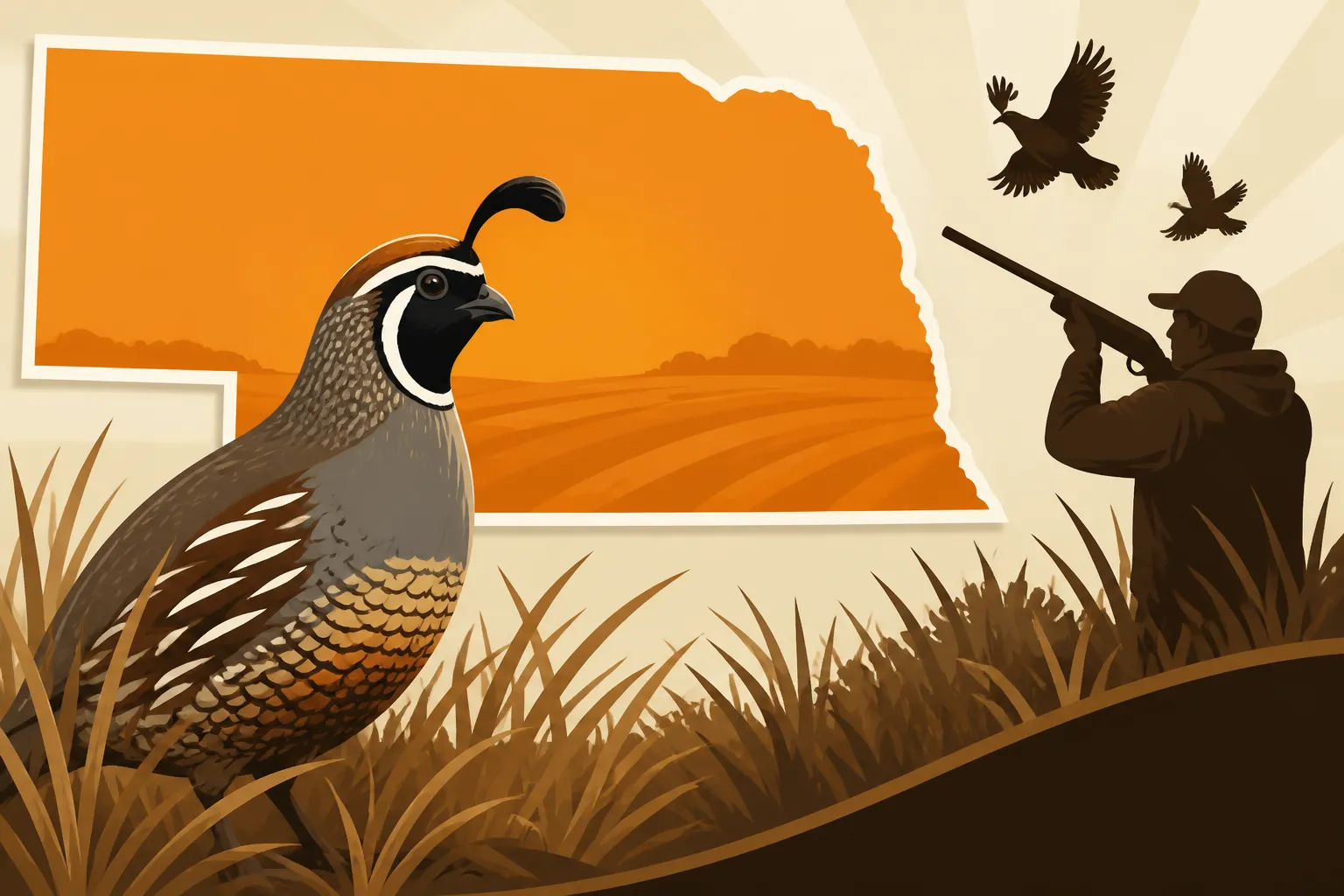
Nebraska's quail season is a highly anticipated period, particularly for those targeting the feisty bobwhite quail found predominantly in the eastern and southern parts of the state. These birds provide challenging hunts and delicious table fare, making their season a highlight on many hunters' calendars. The Nebraska Game and Parks Commission (NGPC) carefully sets these dates each year, balancing conservation needs with recreational opportunities.
Typical Opening and Closing Dates
Historically, Nebraska's quail season kicks off in late October, usually coinciding with the opening of the pheasant and partridge seasons. This integrated approach allows upland bird hunters to pursue multiple species during the same trip, which is a huge benefit for those traveling from other regions or making a weekend out of it. The season typically runs through the end of January. This extended timeframe covers a wide range of weather conditions and bird behaviors, offering diverse hunting experiences from mild autumn days to crisp, snowy winter outings.
For example, in recent years, the season has often opened around the last Saturday of October and concluded on January 31st. While these dates remain fairly consistent, it's absolutely crucial for every hunter to double-check the current year's official Nebraska Game and Parks Commission hunting proclamation. Dates can sometimes shift by a few days, or special regulations might be introduced, and you definitely don't want to be caught unprepared. Knowing these dates inside and out is the first step in planning any successful hunt for Bobwhite Quail in Eastern Nebraska.
Why These Dates Are Chosen
The timing of the quail season isn't arbitrary; it's a strategic decision rooted in wildlife biology and hunter opportunity. Opening in late October ensures that the majority of nesting and brood-rearing activities for the year have concluded. This allows young birds ample time to mature and become strong flyers, increasing their chances of survival into the hunting season and contributing to a healthy population for future years. If the season opened too early, it could put undue pressure on immature birds or disrupt late broods, impacting overall quail numbers.
Furthermore, the late October opener often coincides with cooler weather, which is not only more comfortable for hunters and their dogs but also helps with game care. As the season progresses into November, December, and January, the cooler temperatures can consolidate quail into denser cover, making them more predictable and concentrated, especially as natural food sources diminish. This later part of the season, when temperatures truly drop, presents unique challenges and rewards for those willing to brave the elements, often leading to excellent opportunities to work Quail Coveys in Nebraska Shelterbelts.
Key Considerations for Quail Hunters During the Season
Once you have the season dates firmly in mind, your next step is to understand how various factors within that window influence your hunting experience. Nebraska’s weather and habitat can change dramatically from late October to late January, requiring different strategies and gear.
Early Season Tactics October to Mid-November
The early season, typically from late October through mid-November, presents a unique set of challenges and opportunities. At this time, vegetation is often still relatively thick, providing abundant cover for quail. Birds might be more scattered than later in the season, as food sources are widespread. This means covering more ground is often necessary, and dogs are invaluable for scenting birds in dense grass, milo stubble, and brushy draws.
Temperatures can still be quite warm, especially in October. This means taking extra precautions for your hunting dogs, ensuring they have plenty of water and opportunities to cool down. Overheating a dog is a serious risk and can quickly end a hunt. Focus on areas with good cover near reliable water sources. Early mornings and late afternoons are often the most productive times, as birds might be more active and temperatures milder. It's also a good time to pursue birds in diverse habitat types before they become too pressured or concentrated by weather. For hunters exploring new spots, a subscription service like GoHunt can be a powerful tool for analyzing satellite imagery to identify prime habitat features before you ever step foot in the field.
Late Season Challenges December to January
As the calendar flips to December and January, Nebraska's quail hunting transforms. Temperatures drop, often significantly, and snow can become a factor. While the cold can be harsh for hunters, it often works in their favor by consolidating quail into predictable, thermal-holding cover. Think dense cedar thickets, plum brush, tall cattail sloughs, and thick shelterbelts – places that offer protection from both wind and predators. These are the prime locations for Quail Hunting Nebraska Shelterbelts.
Food sources become scarcer, driving quail to concentrate around remaining crop fields (especially corn or milo stubble) or areas with persistent seed-bearing weeds. This concentration can make covey flushes more spectacular, but also means birds are warier and often hold tighter, requiring a dog with a strong nose and steady point. Hunting during the late season demands robust clothing layers for warmth, and insulated, waterproof boots are essential. Snow cover can make tracking easier but also muffles scent for dogs and can tire them out faster. Always be mindful of the impact of cold and snow on your dog's pads and overall stamina. The persistence required for late-season hunting often pays off with some of the most memorable hunts of the year.
Impact of Weather and Habitat on Bird Behavior
Weather plays a monumental role in quail hunting success throughout the season. Early season heat can make birds lethargic and less willing to fly, leading to missed opportunities. Conversely, a hard frost can knock down vegetation, reducing cover and making birds more visible and vulnerable. Mid-season rains can create excellent scenting conditions for dogs, but heavy snow can bury food sources and force quail into specific, often very dense, escape cover.
Habitat also changes dynamically. Standing corn fields offer incredible cover early on, but once harvested, they become stubble fields that offer less concealment but might still hold waste grain. CRP fields, which are crucial for nesting and brood-rearing, become dense winter cover. Understanding how birds use these different habitats at various points in the season is critical. For instance, a strong freeze in early winter can drastically impact populations, leading to scenarios of Quail Winter Kill in Hard Years. Keeping an eye on weather patterns and adjusting your hunting locations and tactics accordingly is key to consistent success. Utilizing platforms that provide mapping overlays, such as those offered by GoHunt, can help hunters visually analyze how changes in agricultural practices or natural cover might affect quail distribution throughout the season.
Permits, Regulations, and Important Updates
Before you even think about loading your shotgun or heading into the field, you need to ensure you're compliant with all Nebraska hunting regulations. This means having the correct permits, understanding bag limits, and being aware of any specific rules that apply to upland game birds.
Required Permits and Stamps
To hunt quail in Nebraska, you'll need a valid Nebraska Hunt Permit. For residents, this is straightforward. Non-residents will need a Nonresident Annual Hunt Permit or a Nonresident Small Game Permit. In addition to the base hunt permit, every hunter 16 years of age or older must possess a Nebraska Habitat Stamp. This stamp is vital for funding habitat restoration and acquisition projects across the state, directly benefiting quail and other wildlife.
If you're planning to hunt on federal waterfowl production areas (WPAs) or certain other federal lands, remember that nontoxic shot is required for all hunting, not just waterfowl. It's always a good idea to check specific area regulations if you're hunting public land. Youth hunters also have specific regulations and opportunities, often including mentored hunts. All hunters, regardless of age, should review the "Upland Season Dates and Bag Limits" section in the current Nebraska hunting guide. If you're looking to apply for various permits or research regulations, a comprehensive resource like GoHunt can streamline the process, allowing you to access permit details and even some regulatory information quickly.
Daily Bag and Possession Limits
Nebraska sets strict daily bag and possession limits for quail to manage populations sustainably. These limits are designed to allow for recreational hunting while preventing overharvest that could negatively impact future bird numbers.
Here’s a breakdown of the typical limits, but again, always consult the current year's official proclamation:
| Species | Daily Bag Limit | Possession Limit |
|---|---|---|
| Bobwhite Quail | 6 birds | 24 birds |
The daily bag limit refers to the maximum number of birds you can harvest in one calendar day. The possession limit refers to the maximum number of birds you can have in your possession at any given time, including those stored at home, in camp, or in transit. This limit is usually two or four times the daily limit, reflecting the potential for a multi-day hunt. Exceeding these limits can result in significant penalties, so it's paramount to keep an accurate count of your harvest.
Important Updates and Resources
Wildlife management is dynamic, and regulations can change from year to year based on population surveys, habitat conditions, and other factors. Nebraska's turkey population decline in recent years, for instance, has led to significant changes in turkey regulations. While quail populations tend to be more resilient, localized issues or widespread environmental factors could lead to adjustments in season dates or limits.
Always make it a habit to consult the latest Nebraska Game and Parks Commission hunting guide. This guide, available online and at permit vendors, is your definitive source for all regulations. Pay close attention to any sections regarding chronic wasting disease (CWD) if you're also deer hunting, and always be aware of carcass transport rules out of Nebraska. Additionally, for public land access, the Nebraska Public Access Atlas is an invaluable resource that details all public and Open Fields and Waters tracts across the state, crucial for planning where you'll be able to hunt once you know the dates. Many seasoned hunters leverage digital tools like the public land layers available through GoHunt to complement the official atlas, giving them a detailed, navigable view of huntable ground.
Staying informed means you can hunt legally, ethically, and enjoyably. It’s part of being a responsible steward of Nebraska's incredible natural resources.
Disclaimer
Please note: The information provided in this guide is for informational purposes only and is based on general hunting regulations and practices in Nebraska. Hunting regulations, season dates, and permit requirements are subject to change. It is the hunter's responsibility to consult the most current Nebraska Game and Parks Commission official hunting proclamation and regulations prior to any hunting activity. Always confirm specific dates, bag limits, and any special restrictions for the current hunting season.