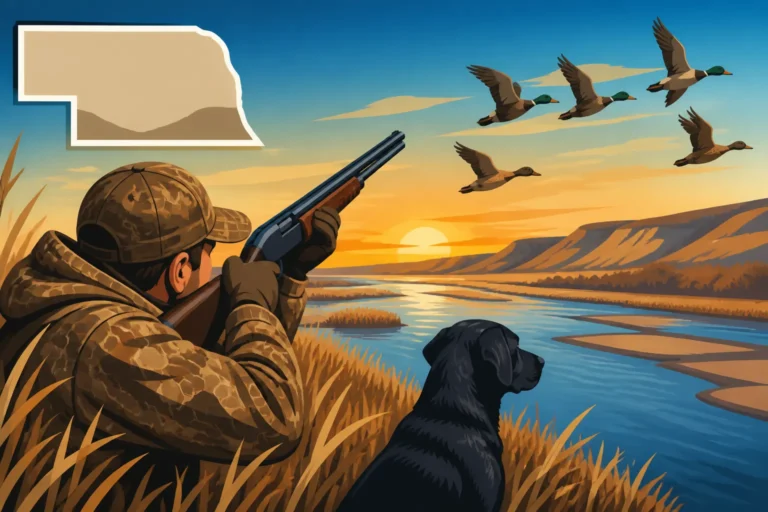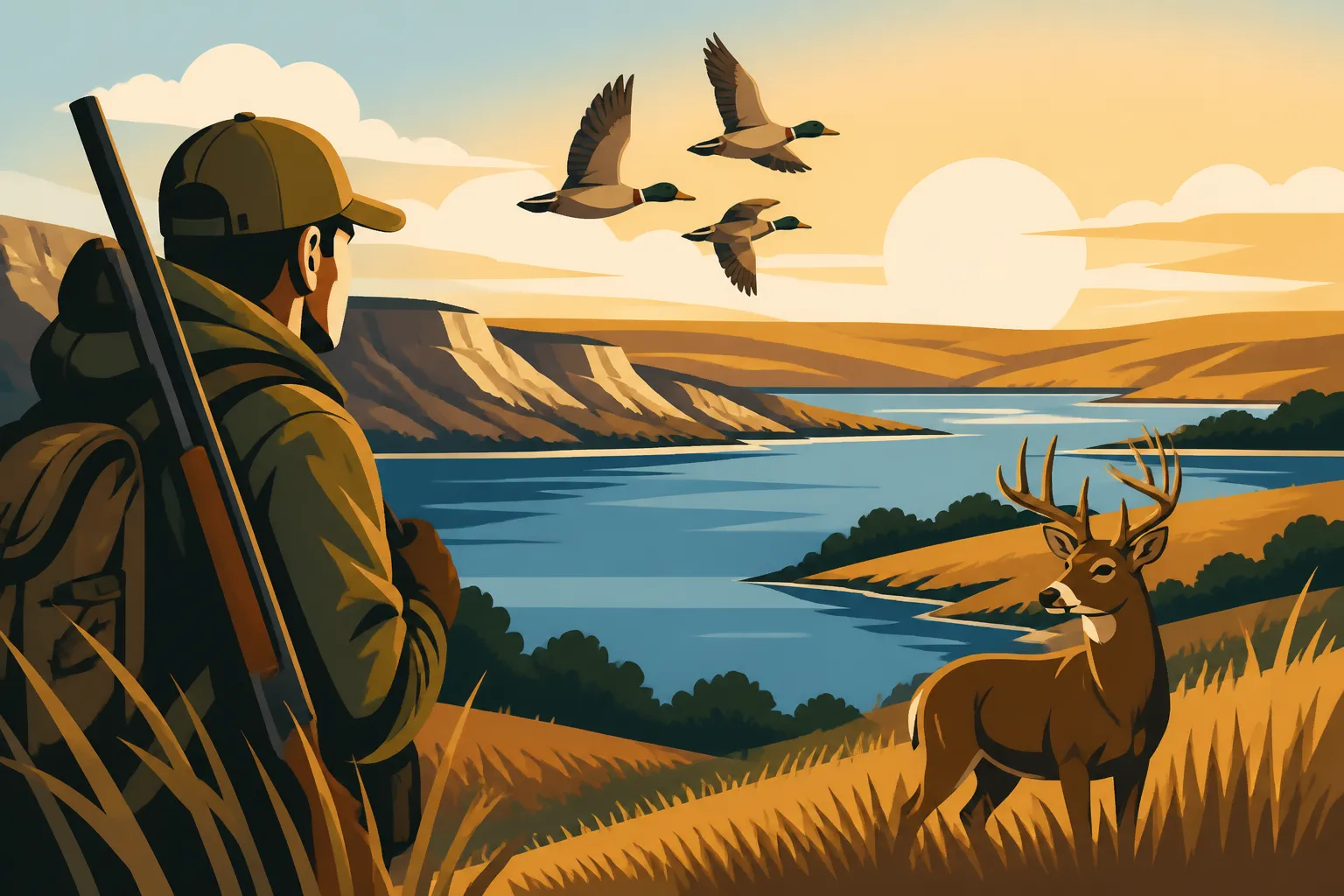
Lewis and Clark Lake Hunting Ground
When you're looking for hunting opportunities in Nebraska, the sprawling landscape around Lewis and Clark Lake often comes to mind. It's a huge body of water along the Missouri River that provides a unique blend of hunting situations, but it also presents a specific set of challenges. This guide will walk you through what to expect when hunting the public lands surrounding Lewis and Clark Lake, from understanding land ownership to effective strategies for various game species, and what gear you'll need to make your hunt successful and safe.
Understanding the Lewis and Clark Lake Hunting Landscape
Hunting around Lewis and Clark Lake isn't like hunting a remote Sandhills tract. This area is a popular recreational destination, which means you'll be sharing the space with anglers, boaters, and campers, particularly during warmer months. Knowing the lay of the land, and who owns it, is your first step to a successful hunt.
Corps of Engineers Land and its Role
The U.S. Army Corps of Engineers manages much of the land directly adjacent to Lewis and Clark Lake. These lands are generally open to public hunting, but they come with their own set of specific rules and regulations that can differ from state or Wildlife Management Area (WMA) guidelines. It's absolutely crucial to consult the local Corps of Engineers office or their website for the most current information regarding hunting, discharge of firearms, and any specific seasonal closures or restrictions. Ignoring these can lead to fines or worse.
These Corps lands are often a mix of timbered river bottom, brushy draws, and sometimes open grasslands or old fields. This varied habitat, especially where it meets the water, creates excellent opportunities for a range of species. But because it's federal land, you might encounter different restrictions on things like tree stands or ground blinds compared to state-managed properties. Always check first, because what's allowed in one area of Nebraska might not fly here.
Types of Habitat and Game Species
The habitat mosaic around Lewis and Clark Lake supports a diverse array of game. Along the main channel of the Missouri River and the lake itself, you'll find ample opportunities for waterfowl. Ducks and geese utilize the open water, backwaters, and adjacent agricultural fields. The river corridors and the numerous small tributaries feeding into the lake offer crucial cover.
Away from the immediate shoreline, especially in the larger tracts of Corps land and some state-owned properties, you'll encounter a mix of timber, dense brush, and sometimes even agricultural fringes. These areas are prime for white-tailed deer. You might also find good numbers of pheasants and quail in areas with good grass cover, shelterbelts, or crop edges, especially those less impacted by heavy recreational traffic. Small game like rabbits and squirrels are abundant in many of the timbered and brushy spots.
Navigating Public vs. Private Boundaries
One of the biggest headaches for hunters near Lewis and Clark Lake, especially if you're not intimately familiar with the area, is figuring out precisely where public land ends and private land begins. Property lines can be irregular, and it's easy to accidentally trespass if you're not paying close attention. This is where tools like a mapping app can become your best friend. An app like onX Hunt, for example, is incredibly valuable for showing you color-coded land ownership data right on your phone, even when you don't have cell service.
Don't rely solely on fences or old property markers, as these can be misleading or simply not present. Always double-check your location, especially if you're venturing off a well-used trail or into dense cover. Respect for private landowners is paramount, and inadvertently crossing a boundary is an easy way to damage the reputation of all hunters. Remember that many landowners in the area live year-round near the lake and are very aware of who is on their land. Always have your Nebraska's Posted-Land and Trespass Rules in mind.
Strategies for Waterfowl and Upland Birds
Lewis and Clark Lake is a magnet for waterfowl, and the surrounding land offers good potential for upland birds if you know where to look. Both require different approaches and a keen understanding of bird behavior and habitat.
Decoying Ducks and Geese on the Lake and Tributaries
Waterfowl hunting on Lewis and Clark Lake can be fantastic, but it's not without its challenges. The sheer size of the lake means birds have vast areas of open water to rest. Focus your efforts on shallower bays, points, and especially the mouths of tributaries or flooded timber. These areas often provide food sources and a break from the wind and larger waves of the main lake. Setting up a spread of decoys in these spots can be very effective.
Consider how the birds are flying and where they're trying to land. Are they working the main lake, or are they heading to smaller feeder creeks? Scouting is absolutely critical. You might find success with a small boat, allowing you to access various areas, or by walking into promising shorelines. Remember, this is a very public area, so be aware of other hunters and recreational users. Good blind concealment is also essential; layout blinds on open points or natural cover in the timber will help you disappear. For more ideas on how to approach these hunts, check out Jump Shooting Nebraska River Ducks for river-specific tactics, or Decoy Spreads for Rainwater Basin Geese for larger spreads, adaptable to open water scenarios.
Walking the Margins for Pheasants and Quail
While Lewis and Clark Lake might not be the first place hunters think of for upland birds, some excellent opportunities exist, particularly on public ground that borders agricultural fields or features good, thick cover. Look for areas with dense grass, plum thickets, or shelterbelts that provide both food and protection from predators and weather. Walking these margins, especially with a good bird dog, can flush pheasants and quail.
These hunts are often more about covering ground and being persistent. You might not find birds in every patch of cover, but consistent effort will pay off. Consider the time of year: early season birds might be in thinner cover, while late-season roosters will hold tight in the nastiest stuff they can find. If you're walking without a dog, work slowly and methodically, pausing often to make birds nervous and flush. For navigating the terrain, reliable footwear is a must; consider Boots for Walking Nebraska Grass and Sand.
Specific Considerations for River Sections and Backwaters
The Missouri River above and below Lewis and Clark Lake, as well as the numerous backwaters and feeder creeks, offer unique hunting experiences. These areas can hold different concentrations of waterfowl and provide excellent cover for deer. The river's current can be a factor for boat access and decoy spreads, while backwaters, especially those that freeze later, can be late-season hotspots for ducks and geese.
When hunting the river sections, think about natural pinch points or islands that funnel birds. For deer, the timbered river bottoms offer vital bedding and travel corridors. Be mindful of water levels, as they can change rapidly and affect access. Some of these areas may be more remote than the main lake, potentially offering a more solitary hunting experience. Remember that for any waterfowl hunting, you'll need the right Waterfowl Gear for Nebraska Fields and Wetlands.
Deer Hunting Opportunities Around the Lake
Lewis and Clark Lake might be known for its water, but the surrounding timber and river breaks offer surprisingly good deer hunting, primarily for white-tailed deer. It's a different kind of deer hunting than you might find in central Nebraska, requiring specific tactics to navigate the mixed-use environment.
Scouting Timbered Draws and River Bottoms
The public land around Lewis and Clark Lake features some fantastic timbered draws and extensive river bottoms along the Missouri and its tributaries. These areas are prime whitetail habitat, offering dense cover, food sources like acorns or browse, and natural travel corridors. Your scouting should focus on identifying these key areas: look for well-used trails, rubs, scrapes, and bedding areas.
Deer here are often accustomed to some human presence, but they will still seek out the thickest, most secluded spots they can find. Use topographical maps to pinpoint hidden pockets of timber or steep draws that offer security. Spend time walking these areas before the season, identifying natural funnels and pinch points where deer are likely to pass. Understanding White-Tailed Deer Across Nebraska will help you connect general behavior patterns to these specific landscapes.
Archery and Firearm Considerations
Both archery and firearm seasons offer opportunities for deer hunting around Lewis and Clark Lake. Archery hunting can be particularly effective in the dense timber and brush, allowing you to get closer to deer. Ground blinds brushed into natural cover or carefully chosen tree stands can be very productive. Be mindful of your scent control, as deer often travel close to the water where thermals can be tricky.
During the firearm season, you might find more pressure, especially on easily accessible public lands. Consider venturing further off the beaten path or utilizing smaller, less obvious parcels of public ground. Elevated stands can be good for visibility, but still-hunting slowly through timber or even organizing small, quiet deer drives on manageable patches of cover can also work. Always be aware of other hunters and observe all safety regulations, including blaze orange requirements during the firearm season.
Dealing with Recreational Pressure
Hunting near Lewis and Clark Lake means you're operating in a multi-use environment. Recreational pressure from boaters, campers, hikers, and other outdoor enthusiasts is a significant factor. Deer become wary and often shift their patterns to avoid these areas during peak recreational times. This means adjusting your hunting times and locations.
Consider hunting during weekdays when crowds are lighter, or focusing on areas that are less accessible to the general public. Early mornings and late evenings, when other users are less active, can be prime times. Deer might move through more open areas at night, retreating to dense cover during the day. This forces hunters to be more strategic and perhaps less visible in their setups. Patience and adaptability are key here. You might find hunting areas or Missouri River and Eastern Nebraska Access helpful in identifying other public lands that might experience less pressure.
Essential Gear and Rules for the Area
Hunting Lewis and Clark Lake requires not just hunting gear, but also the right tools for navigation and an understanding of the specific rules that apply to this unique public land.
Mapping Tools and Scouting Aids
As mentioned earlier, a reliable mapping app is indispensable. Services like onX Hunt provide detailed property lines, public land boundaries, and topographic features that are crucial for staying legal and finding productive spots. Even without cell service, many apps allow you to download maps for offline use, which is a lifesaver in remote areas. A physical map and compass are also wise backups.
Beyond mapping, good optics are vital, especially for scouting waterfowl or spotting deer in the more open areas. Binoculars and perhaps a spotting scope can help you locate game without disturbing them. Trail cameras can also be valuable scouting aids, helping you monitor deer movement, but always check the specific Corps of Engineers rules regarding their placement and use on federal lands, as they can sometimes differ from state regulations.
Safety and Regulations Specific to Lewis and Clark
Safety around Lewis and Clark Lake means more than just safe firearm handling. It involves being aware of water hazards, other recreational users, and varying land regulations. Always wear a life vest if you're hunting from a boat. Be visible to other hunters and outdoor enthusiasts, especially if you're walking through dense cover or during low light conditions.
It cannot be stressed enough: familiarize yourself with the U.S. Army Corps of Engineers regulations for the specific areas you plan to hunt, in addition to Nebraska Game and Parks rules. These regulations can cover things like motor vehicle use, camping, permanent blinds, and even where you can legally retrieve game that might have crossed a boundary. The Nebraska Public Access Atlas is a fantastic resource that often outlines specific rules for various public land tracts, but for Corps land, always cross-reference with their official sources.
Respecting Other Users and the Environment
Hunting is a privilege, and nowhere is that more evident than in shared-use areas like Lewis and Clark Lake. Be courteous to anglers, boaters, hikers, and campers. Keep a respectful distance, manage your noise, and always clean up after yourself. Leave no trace of your presence—pack out all your garbage, including spent shell casings.
Environmental stewardship is also paramount. Adhere to all game laws, including bag limits and tagging requirements. Be mindful of sensitive habitats, especially along the shoreline where erosion can be an issue. By being a responsible and respectful hunter, you help ensure that these public lands remain open for hunting for generations to come, allowing future hunters to also experience the diverse opportunities Lewis and Clark Lake offers.
| Game Species | Primary Habitat | Best Hunting Method | Key Considerations |
|---|---|---|---|
| White-tailed Deer | Timbered draws, river bottom, brush | Still-hunting, tree stands, ground blinds | Scout for secluded areas; manage recreational pressure |
| Ducks & Geese | Lake, backwaters, river channels, adjacent fields | Decoying over water, field spreads | Scouting flight paths, blind concealment, boat access |
| Pheasants | Grasslands, plum thickets, crop edges, shelterbelts | Walking with or without a dog, blocking | Focus on dense cover, particularly late season |
| Quail | Brushy draws, timber edges, shelterbelts | Walking with a dog, working covey areas | Look for woody cover, smaller groups |
| Small Game (Rabbit, Squirrel) | Dense brush, timbered areas, woodlots | Still-hunting, walking, small game dogs | Accessible year-round, often less pressure |
Disclaimer
This article is for general informational purposes only and does not constitute professional advice. Laws, prices and regulations vary by location and change over time. Consult a qualified professional for guidance on your specific situation.