Center-Pivot Corners and Access
It’s a scenario every Nebraska hunter knows all too well: you’re driving down a gravel road, scouting, and there it is – a perfect center-pivot corner, untouched by the irrigator, full of standing cover. You just know there are deer bedded in there, or pheasants stacked up in the thick weeds. But the burning question is always, can I hunt that? This guide is here to unravel the complexities of accessing and hunting those tantalizing center-pivot corners in Nebraska, helping you understand the rules and giving you actionable steps to legally pursue game.
Understanding Center-Pivot Irrigation and Its Impact on Hunting
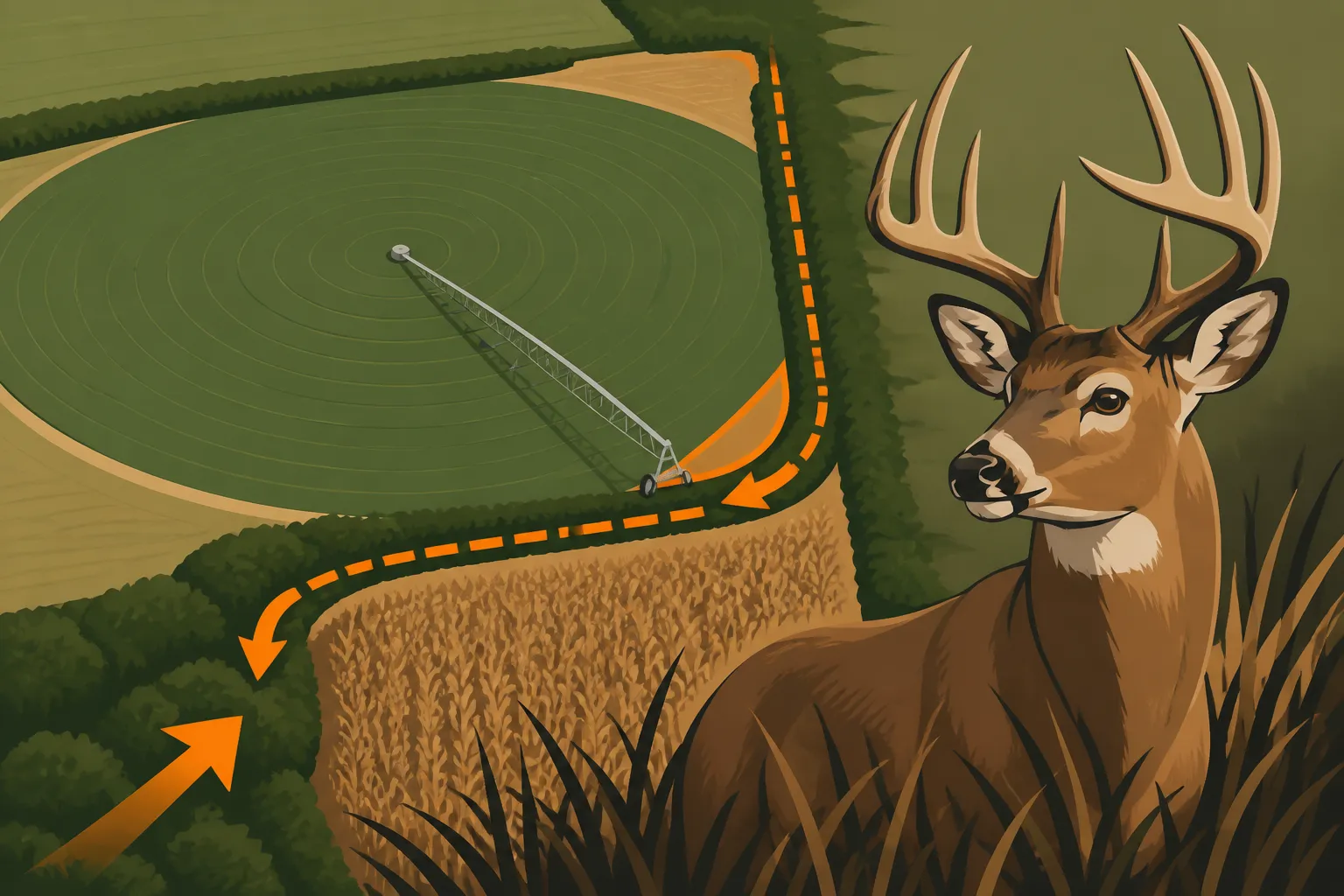
Center-pivot irrigation systems are an iconic part of the Nebraska landscape, especially in our agricultural heartland. These massive, wheeled structures rotate around a central pivot point, watering a circular area of crops. What they leave behind, however, are those distinctive un-irrigated corners – often square or irregularly shaped pockets of native grass, weeds, or timber. For wildlife, these corners are invaluable.
Why Center-Pivot Corners Are Wildlife Magnets
Think about it from a deer's perspective, or a pheasant's. In a landscape dominated by vast, monoculture crop fields, these corners offer a crucial refuge. They provide:
- Dense Cover: Unlike harvested fields, these corners often hold thick, undisturbed vegetation – tall grasses, sunflowers, cedar saplings, or even small stands of cottonwoods. This offers excellent concealment from predators and hunters alike.
- Thermal Regulation: In scorching summer heat or brutal winter winds, these protected pockets offer shelter. Deer can bed down out of the sun, and pheasants can escape the biting north wind.
- Food Sources: Even if the main field is a corn monoculture, these corners often contain natural forage, diverse weeds, and insects that provide a consistent food supply, especially for upland birds.
- Undisturbed Sanctuary: Because they're often overlooked or legally ambiguous, these areas can see less human disturbance than other parts of a property, creating a natural safe haven for game.
We've all seen a magnificent buck bolt from a seemingly small corner, or a dozen pheasants explode into the sky from what looked like a patch of weeds. These corners are not just leftover acreage; they are vital micro-habitats in our agricultural zones.
The Problem of Access and Ownership
The biggest challenge with these corners isn't finding game, it's knowing if you can legally hunt it. Unlike clearly marked public lands or private fields where you've secured permission, center-pivot corners exist in a gray area for many hunters. Is it part of the irrigated field's private ownership? Does it fall under a public access program? Or is it unclaimed, unposted land? This ambiguity leads to a lot of frustration and missed opportunities, or worse, accidental trespassing. It’s critical to understand the legal framework before you ever step foot into one of these promising spots.
Navigating Access: Public vs. Private Land Rules
The golden rule of hunting in Nebraska, and everywhere else, is knowing where you are and whose land it is. This is especially true for those enticing center-pivot corners. The state's land ownership mosaic means that while many are private, some are indeed open to public access under specific programs.
Identifying Land Ownership with Digital Tools
Gone are the days of relying solely on plat maps or guesswork. Modern technology is your best friend when it comes to navigating these tricky boundaries. Tools like onX Hunt have revolutionized how we approach land access.
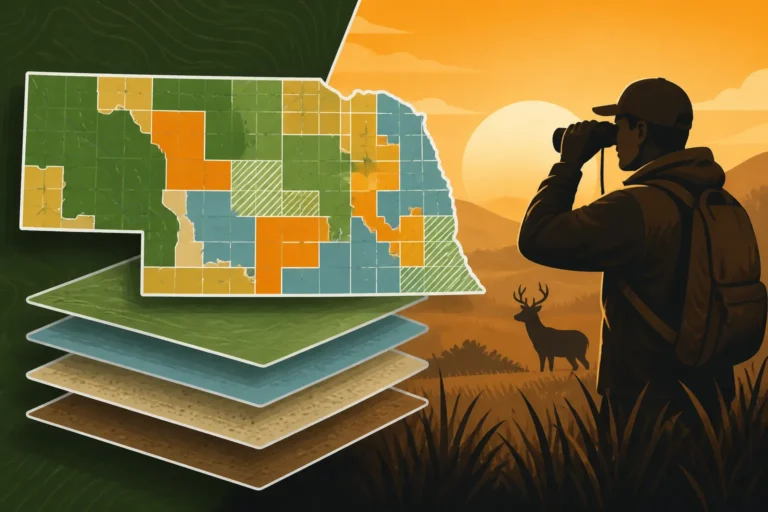
Using a mapping app like onX Hunt, you can overlay public and private land boundaries directly onto a satellite map, often showing landowner names. This is incredibly valuable for center-pivot corners. You can zoom in, see if that little triangle of cover is part of a larger private parcel, or if it's designated as public land. It takes the guesswork out of scouting from the road. Reading a Nebraska Deer Unit Boundary also becomes much clearer when you have these tools in hand.
Once you’ve identified the landowner, if it’s private, you then know who to approach for permission. If the corner appears to be touching or part of a public parcel, further investigation is warranted.
Open Fields and Waters Program (OFW)
Nebraska's Open Fields and Waters (OFW) program is a fantastic initiative that provides public hunting access on privately owned land, and sometimes, those center-pivot corners fall within an enrolled tract. Nebraska's Open Fields and Waters Program is designed to provide access to private land where landowners voluntarily enroll their property.
- How to Check: The Nebraska Public Access Atlas, available online and often through the onX Hunt app as a specific layer, will show all current OFW tracts. Look for the distinctive "Open Fields and Waters" signs on fence lines or at access points. Just because a corner looks like a public piece doesn't mean it is; it must be clearly marked or listed in the Atlas.
- Rules and Restrictions: OFW tracts have specific rules, often related to walk-in only access, parking, or what species can be hunted. Always read the signage at the site and consult the Public Access Atlas for particular regulations on that specific tract. Never assume; verify.
- Hypothetical Scenario: Imagine you spot a beautiful center-pivot corner, brimming with tall switchgrass, nestled against a cornfield. You pull out your phone, open onX Hunt, and see that it's marked as an OFW tract. Fantastic! You check the Atlas, confirm it's open for upland game and deer, and note that it's walk-in only. Now you have a legitimate plan to hunt it.
Other Public Lands: WMAs and School Trust Lands
While less common for isolated center-pivot corners, it's not impossible for one to be adjacent to or even contained within a larger public land holding like a Wildlife Management Area (WMA) or School Trust Lands.
- Wildlife Management Areas: These are managed by the state for wildlife and public recreation. Again, the Public Access Atlas is your definitive source for WMA boundaries and rules. If a corner is within a WMA, standard WMA rules apply. Nebraska Wildlife Management Area Rules are pretty consistent but always worth reviewing.
- School Trust Lands: These are state-owned lands managed to generate revenue for Nebraska's public schools. Many of these tracts, particularly in western Nebraska, are leased for grazing but are still open to public hunting. They are clearly marked in the Public Access Atlas. It's rare to find an irrigated center-pivot that's also School Trust Land, but the un-irrigated corners adjacent to private ag ground could be.
The Importance of Private Land Permission
The vast majority of center-pivot corners in Nebraska are going to be on private land. This means you absolutely need permission from the landowner to hunt them. This isn't just polite; it's the law. What Nebraska Trespass Law Requires states that you must have permission to hunt on private land.
- Seeking Permission: Don't be shy! Most landowners appreciate being asked. A polite knock on the door, a brief introduction, and a clear request for permission can go a long way. Have your hunting license and ID ready. Offer to share contact information. Sometimes, a simple "no" is the answer, and that's okay. Thank them and move on.
- Building Relationships: If you do get permission, treat the property with respect. Leave gates as you found them, don't litter, and report any issues you see. A good relationship with a landowner can lead to hunting opportunities for years to come.
- Written vs. Verbal Permission: While verbal permission is generally accepted, some hunters prefer written permission for clarity, especially for long-term arrangements. It never hurts to offer to put it in writing for both your peace of mind.
It's common to see a beautiful corner and think, "no one probably hunts that." But remember, it's still someone's property. Always get permission.
Strategies for Hunting Center-Pivot Corners Legally and Effectively
Once you've done your homework and secured legal access to a center-pivot corner, either through a public access program or direct landowner permission, it's time to strategize your hunt. These unique pockets of habitat require specific approaches to be successful.
Scouting for Game Sign and Movement
Even with legal access, you can't just walk in blindly. These corners, while small, can be tricky.
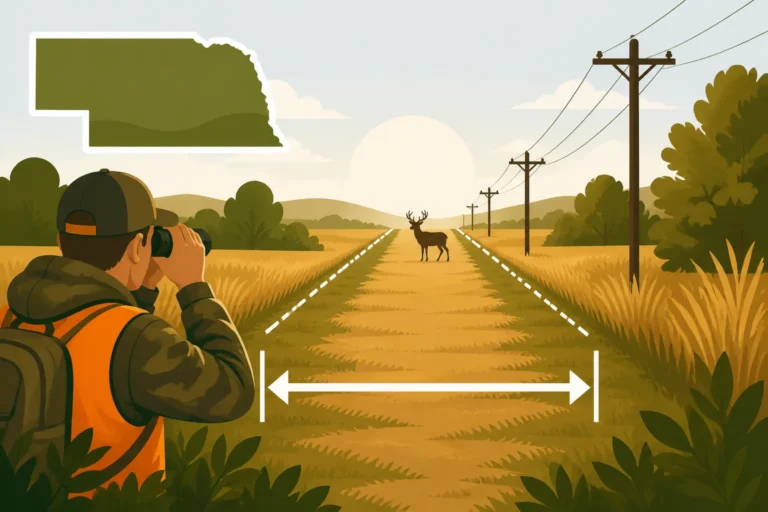
- Pre-Season Drives: Drive by the corners you have access to, binoculars in hand. Look for deer trails entering and exiting the cover. Are there rubs or scrapes along the edges? For pheasants, watch for birds loafing in the ditches nearby or flying into the corner in the evenings.
- Reading the Cover: Note the density and type of vegetation. Is it thick enough for deer to bed deep inside, or is it better for quick pheasant flushes? Identify potential escape routes for game – a narrow strip of timber connecting to a larger woodlot, or a ditch leading to another field.
- Remote Scouting: Utilize satellite imagery on your mapping app to identify potential bedding areas, dense thickets within the corner, or subtle topographical changes that might funnel game. Services like GoHunt can provide insights into general game distribution and trends, which can help prioritize your scouting efforts, though local knowledge remains king.
Hunting Deer in Center-Pivot Corners
Deer often use these corners as daytime bedding areas, especially if there's standing corn nearby. The key is to catch them entering or exiting, or to work the cover effectively.
- Ambush Points: If the corner is small, a well-placed ground blind or even a carefully chosen natural hide can be effective. Consider wind direction meticulously. Deer will often approach and depart with the wind in their favor. Look for pinch points where deer traffic is funneled. Wind Direction on Open Nebraska Prairie Stands is crucial for these exposed areas.
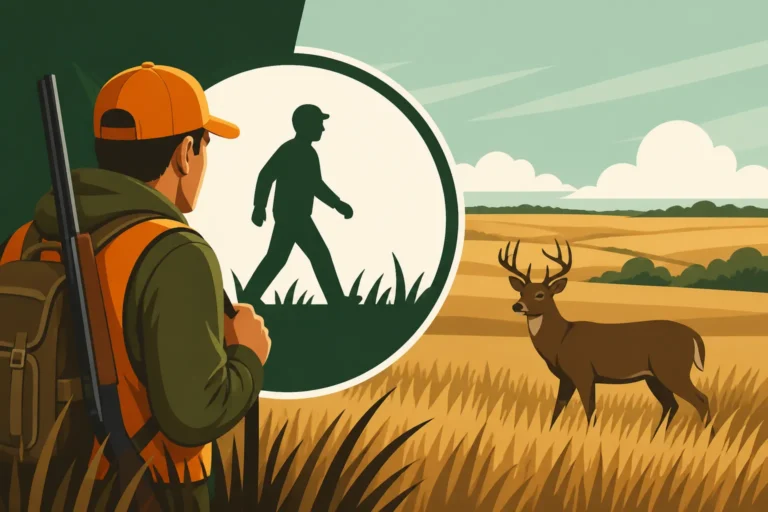
- Still-Hunting or Slow Stalking: For thicker corners, especially if you have an idea where deer might be bedded, a very slow, deliberate still-hunt can be productive. Take two steps, stop, look, listen. This is particularly effective in late archery season or during muzzleloader season when leaves are down.
- Mini Deer Drives: If you have a partner and permission, a small, well-planned drive can push deer out of a corner. One hunter acts as a blocker, positioned to catch deer trying to escape, while the other slowly pushes through the cover. Ensure clear communication and safety protocols. Two-Person Deer Drives on Small Timber tactics can be adapted here.
| Hunting Method | Best For | Considerations |
|---|---|---|
| Ambush (Blind/Stand) | Predictable movement, small corners | Wind direction, entry/exit routes, minimal disturbance |
| Still-Hunting | Thicker cover, cautious deer | Slow pace, keen observation, quiet movement, wind |
| Small Drive | Multiple hunters, dense cover | Communication, safety zones, escape routes, landowner trust |
Hunting Upland Birds in Center-Pivot Corners
Pheasants, quail, and sometimes even prairie grouse will absolutely pile into these corners, especially later in the season when other cover is sparse.
- Working with a Dog: A good bird dog is invaluable here. They can scent birds holding tight in the dense cover and flush them out. Work the dog into the wind, systematically covering the entire corner.
- Blocking and Driving: Similar to deer, these corners are perfect for small-scale bird drives. A blocker positions themselves on the downwind side where birds are likely to flush, while one or two hunters walk through the cover, pushing birds toward the blocker. This works wonderfully for Blocking and Driving a Nebraska Field.
- Systematic Grid: If hunting alone or without a dog, walk the corner in a grid pattern. Make sure you cover every square foot of cover, as birds will often hold incredibly tight, especially late in the season. Don't be afraid to kick clumps of grass.
- Flushing Point: Often, birds will run to the very end of the corner, especially if it tapers to a point or meets a fenceline. Be ready for multiple flushes as you reach these natural bottlenecks. Walking Milo and Corn Stubble for Pheasants tactics directly apply here.
Ethical Considerations and Landowner Relations
Hunting center-pivot corners, especially on private ground, isn't just about understanding the law; it's about being a good steward and maintaining positive relationships. Our hunting access in Nebraska often hinges on the generosity and trust of private landowners.
Respecting the Land and the Landowner
When granted permission to hunt a center-pivot corner, you're not just given access to a patch of weeds; you're given a privilege on someone's livelihood and home.
- Leave No Trace: Pack out everything you pack in, and then some. Pick up any trash you find, even if it's not yours. Leave the land better than you found it.
- Stick to Agreed-Upon Areas: If the landowner specified a particular corner or limited your access, adhere strictly to those boundaries. Don't wander into other fields or areas without explicit, additional permission. This is where your onX Hunt app can be a lifesaver, clearly showing your approved hunting zone.
- Be Mindful of Crops and Livestock: Even after harvest, stubble fields can be damaged. Never drive off designated paths if it's not explicitly allowed. If livestock are present, be extra cautious, close all gates, and give them a wide berth.
- Timeliness: Show up when you say you will, and leave when you say you will. Don't overstay your welcome.
Communicating and Building Trust
Good communication is the bedrock of strong landowner relationships.
- Follow Up and Say Thank You: A simple text, call, or even a handwritten thank you card after your hunt goes a long way. If you were successful, offering to share some game meat is often a very appreciated gesture.
- Share Observations (If Appropriate): If you notice a broken fence, a gate left open, or anything unusual, politely let the landowner know. This shows you're observant and care about their property.
- Don't Abuse the Privilege: Never bring extra hunters without asking first. Don't hunt species you didn't get permission for. Avoid excessive pressure on the land. Remember, this isn't just about one hunt; it's about potentially securing access for future seasons.
- Understanding "No": If a landowner says no, accept it gracefully. Don't push or argue. There are countless reasons they might decline, and none of them are your business. A polite acceptance leaves the door open for future requests, or at least doesn't burn a bridge.
By being respectful, communicative, and responsible, you not only ensure your own access to these often-productive center-pivot corners but also help foster a positive image of hunters as a whole. It's a small effort that pays huge dividends for all of us who love to hunt in Nebraska.
Disclaimer
This article is for general informational purposes only and does not constitute professional advice. Laws, prices and regulations vary by location and change over time. Consult a qualified professional for guidance on your specific situation.