Finding Ground That Sees Fewer Hunters
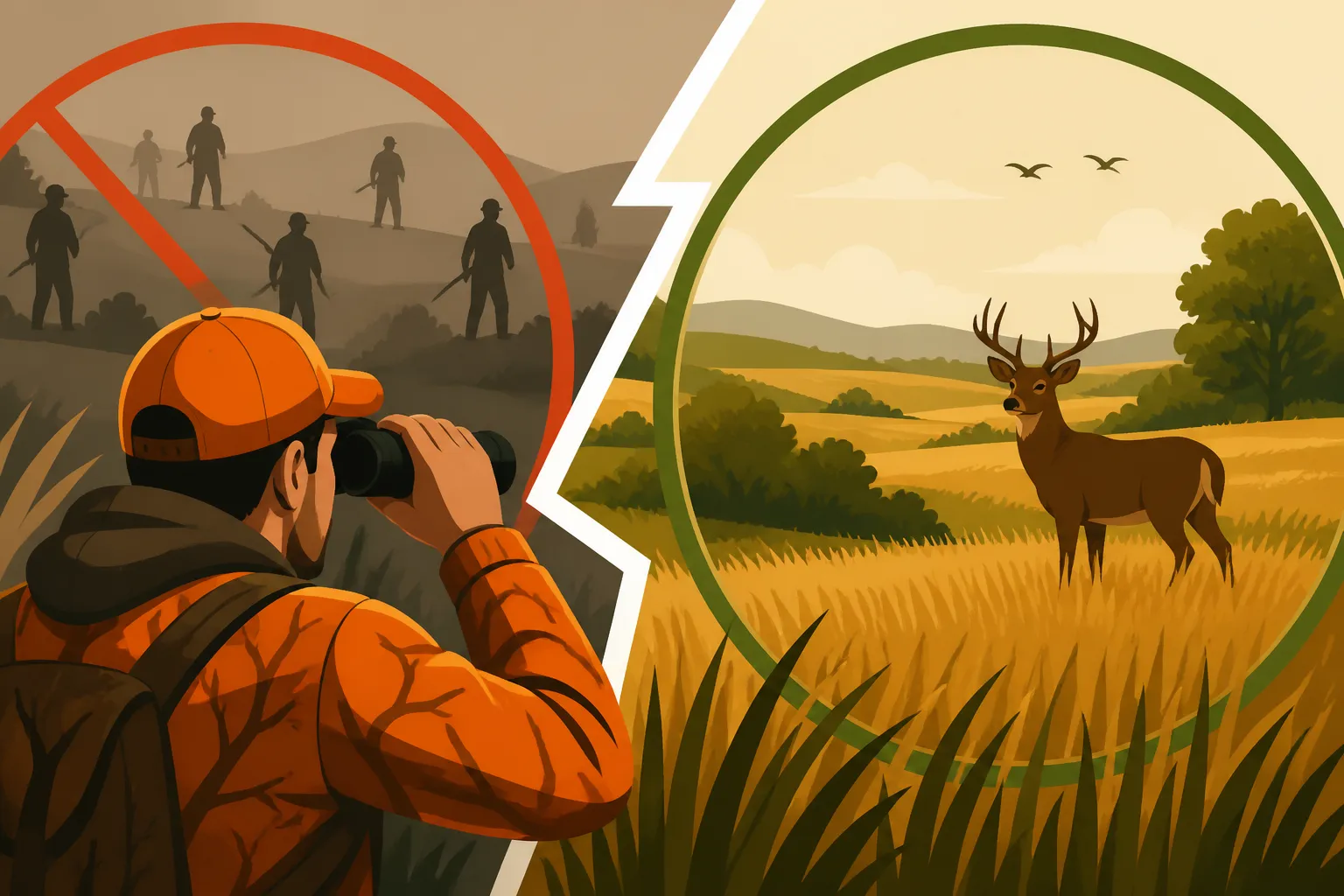
It's a familiar scenario for many Nebraska hunters: you wake up before dawn, drive out to what you hope is a prime piece of public ground, only to pull into a parking lot already bristling with other hunters' trucks. The frustration is real, and it can feel like all the good spots are either leased up or perpetually crowded. But fear not, my friend! This guide is all about helping you dig a little deeper, think a little differently, and discover those overlooked corners of Nebraska where you can find some peace, and hopefully, some unpressured game. It's about working smarter, not just harder, to get away from the crowds and into the quiet.
Beyond the Obvious: Unpacking the Public Access Atlas
Every diligent hunter in Nebraska starts with the Public Access Atlas, and for good reason—it's an invaluable tool. But the mistake many make is stopping there. They look for the biggest blocks of public land, the ones with easy-to-spot parking areas, and assume that's where the action is. While those areas can hold game, they also draw a crowd. The key to finding less-pressured ground often lies in reading between the lines of that map, and then going a few steps further in your research.
Think about it: the most visible parking lots, right off a paved highway, are going to be the first spots to fill up. Hunters, like water, tend to follow the path of least resistance. This means those smaller, less obvious tracts, or those requiring a bit more effort to reach, often get overlooked. Spend some serious time poring over the Reading the Nebraska Public Access Atlas. Don't just look for green squares; look for the types of green squares. Are they slivers of river bottom? Isolated pockets of grassland surrounded by private pivots? These are the kinds of places that might deter someone looking for a quick hunt.
Consider satellite imagery in conjunction with your atlas. Tools like onX Hunt are absolute game-changers here, allowing you to layer public and private land data right over a satellite view. You might spot a small public parcel that looks landlocked on the atlas, but a closer look reveals a faint two-track road or an unmaintained field approach that provides legal access. Or perhaps a piece of public ground has a long, narrow finger that stretches deep into private land—that finger, often requiring a long walk from a distant access point, could be a goldmine. The trick is identifying these subtle features that suggest a tougher approach, which in turn suggests fewer fellow hunters.
Decoding Hunter Behavior: Where Pressure Builds and How to Avoid It
Understanding why certain areas get hammered by hunters is almost as important as knowing where game lives. Most hunters operate under certain assumptions and habits, and by recognizing these, you can strategically place yourself outside the pressure cooker.
One of the biggest factors is sheer convenience. If a piece of public ground has a large, easily accessible parking lot and a well-worn trail leading right into a prime-looking section of timber or CRP, it's going to be a magnet. People want to get out and hunt, and they want to do it easily. This is why you see Opening Weekend Crowds on Nebraska Public Ground. To escape this, you need to commit to going where others won't. This might mean driving past the obvious parking lot and looking for a less-used access point, even if it adds a mile or two to your walk. Sometimes, finding a tiny pull-off that only fits one vehicle can be the secret to a secluded hunt.
Another key aspect is the "walk-in" factor. Many hunters are only willing to venture a few hundred yards from their vehicle. If you're consistently seeing other hunters within sight of the road, it's time to put some real mileage on your boots. Decide to walk an extra half-mile, a full mile, or even more, past where the obvious trails lead. Often, the deepest parts of public land, especially larger Wildlife Management Areas (WMAs) or Open Fields and Waters (OFW) tracts, become de facto sanctuaries simply because most hunters aren't willing to make the trek. You'll be amazed at the difference in game sign, and the sheer quiet, once you're a good distance from any road or parking area. This ties into How Far to Walk From the Parking Area – it’s a mental hurdle for many, but a huge opportunity for you.
Consider the timing of your hunts. Weekends, especially Saturday mornings, are almost always the busiest. If your schedule allows, hunting on a Tuesday or Wednesday can feel like you have the entire landscape to yourself. Even within a weekend, arriving earlier than others or staying later can provide windows of solitude. A lot of hunters head back to the truck mid-morning, leaving the woods quieter in the midday slump. Later in the season, after the initial rush, many public spots become less pressured, especially for species like deer or late-season pheasants.
| Pressure Factor | Typical Hunter Behavior | Strategy to Avoid Pressure |
|---|---|---|
| Access Points | Uses main parking lots, paved roads, easy entry points. | Seek out obscure pull-offs, two-tracks, or walk-in-only access. |
| Walk-In Distance | Stays within a few hundred yards of the vehicle. | Commit to walking a mile or more beyond common hunting areas. |
| Time of Day | Hunts early morning, quits by late morning. | Hunt midday, late afternoon, or during less popular times. |
| Day of Week | Primarily hunts weekends and holidays. | Prioritize weekday hunts whenever possible. |
| Terrain/Cover | Avoids thick brush, steep hills, standing water. | Embrace challenging cover; it deters others and holds game. |
| Season Timing | Focuses on opening day/week, peak rut. | Explore late-season opportunities, or the fringe days of a season. |
| Scouting Habits | Relies on obvious sign near roads. | Deep scout remote areas using mapping apps and boots on the ground. |
Topography and Cover as Natural Hunter Filters
Nature itself provides some of the best filters for hunter pressure. If the terrain is tough, the cover is thick, or there's water to cross, many hunters will simply move on to an easier spot. This creates natural sanctuaries for game and incredible opportunities for those willing to put in the extra effort.
Think about the unique landscapes of Nebraska. The vast, rolling Sandhills, for example, are infamous for their challenging terrain. Miles of soft sand, steep blowouts, and deep basins can be exhausting to traverse. Many hunters will stick to the accessible two-tracks. But if you're willing to lace up stout boots and spend a day Hunting the Nebraska Sandhills Without Permission (always making sure it's public land, of course, and verifying with tools like onX Hunt), you can find areas that see very little human disturbance. Deer and antelope will naturally gravitate to these quieter spots. The same goes for the rugged canyons and breaks of the Pine Ridge, where vertical climbs and dense cedar thickets deter all but the most determined.
River bottoms, particularly those with dense riparian growth, thickets of multiflora rose, or standing water, also serve as excellent filters. While they can be brutal to navigate, these areas offer incredible cover and food sources for deer, turkeys, and upland birds. Many hunters will skirt the edges, but few will truly dive into the deepest, nastiest parts. If you're equipped with good brush pants and a willingness to push through, you might find untouched pockets where game feels secure. Still-Hunting a Snow-Covered River Bottom in December, for instance, can reveal trails and bedding areas that are invisible when the foliage is full.
For bird hunters, cattail sloughs or dense stands of unharvested milo or corn are prime examples of cover that can deter many. During Working a Cattail Slough in January, you'll find that while they can be tough to walk through—especially if partially frozen—they are often overlooked, and mature pheasants will hold incredibly tight there. These areas are tough on hunters and even tougher on dogs, but the reward can be big, unpressured roosters. Embrace the difficulty, and you'll find solitude.
Overlooked Opportunities: Smaller Tracts and Micro-Habitats
Don't always chase the biggest chunks of green on the map. Sometimes, the most under-pressured hunting ground comes in small, unassuming packages. Many hunters are looking for thousands of acres to roam, but there are countless opportunities on smaller parcels that often get ignored.
Consider the network of Nebraska's Open Fields and Waters (OFW) tracts. While some are large and popular, many are smaller, isolated fields or slivers of habitat. These smaller tracts, often surrounded by private agricultural land, can be phenomenal for upland birds, small game, and even deer, precisely because they don't look like "big" hunting spots. Many hunters drive right past them, looking for something grander. Using your mapping app to identify these smaller parcels and then cross-referencing them with aerial imagery to check the cover type can reveal hidden gems. You might find a small corner of CRP that’s a pheasant haven, or a tiny timber stand along a creek that holds a few deer.
Don't forget about school trust lands or public road rights-of-way. While rules vary, some school trust lands are open to hunting, and these can be found in unexpected places. They might be just a quarter section or even smaller, often surrounded by private ground, making them less obvious targets. Similarly, with careful attention to Hunting Nebraska Road Ditches and local regulations, you might find that the legal right-of-way along certain roads can offer surprising pheasant or quail habitat, especially where it borders good private cover. These are micro-habitats, but game uses them, and most hunters ignore them entirely.
Even seemingly insignificant features like center-pivot corners can offer hunting opportunities. These often-wet or brushy corners where pivot irrigation doesn't reach can hold pheasants, quail, or rabbits. Center-Pivot Corners and Access are small, but they provide consistent cover and forage, and they are typically completely unpressured because they don't conform to what most hunters consider "hunting ground." This requires meticulous scouting and perhaps a discussion with the landowner if the corner is on private property, but it showcases the kind of out-of-the-box thinking that yields unpressured opportunities.
Finally, consider searching for specific species in less common areas. While everyone hunts deer in big timber, what about scouting for Late-Season Antlerless Hunting in Nebraska in smaller, isolated pockets of cover within vast agricultural fields? Or pursuing fall turkeys in areas that aren't traditional spring gobbler hotspots? Tools like GoHunt can sometimes offer insights into harvest data by unit, which, while not pinpointing specific locations, can help you understand general pressure and success rates across broader regions, guiding you to units that might be less popular overall. The key is to expand your definition of "hunting ground" beyond the obvious and embrace the smaller, harder-to-reach, and often more rewarding spots.
Disclaimer
This article is for general informational purposes only and does not constitute professional advice. Laws, prices and regulations vary by location and change over time. Consult a qualified professional for guidance on your specific situation.