Hunting Platte River Sandpits
Hunting the intricate network of sandpits along Nebraska's Platte River system presents a truly unique challenge and a rewarding opportunity for waterfowlers and deer hunters alike. If you've ever felt overwhelmed by the sheer scale of the river, or unsure how to navigate the ever-changing landscape of these water bodies, this guide is for you. We're going to dive deep into understanding these remarkable habitats, the species they draw, and the tactics you can employ to make your next hunt a success, all while navigating the practicalities of access and regulations.
The Allure and Challenge of Platte River Sandpits for Hunters
The Platte River, a ribbon of life cutting across Nebraska, is famous for its wide, shallow braided channels and the incredible migration it hosts. But tucked away, often hidden from casual view, are the sandpits. These are not just puddles; they are complex ecosystems, created by past sand and gravel mining operations, now transformed into vital habitat for a multitude of wildlife. For hunters, they offer a dynamic and often overlooked opportunity.
What Exactly Are These Sandpits?
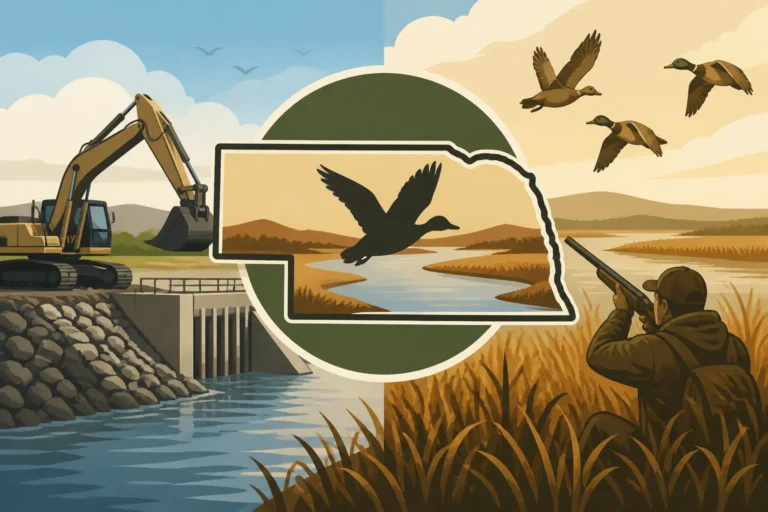
Imagine vast, flat landscapes where, decades ago, heavy machinery dug deep into the earth to extract sand and gravel for construction. As these operations ceased, the excavated areas filled with groundwater, fed by the Platte River itself, creating deep, clear-water lakes and ponds. Over time, nature reclaimed these sites. Emergent vegetation like cattails and phragmites grew along the edges, willows and cottonwoods rooted on the banks, and submerged aquatic plants began to thrive. These aren't just isolated ponds; they often exist in complexes, sometimes interconnected, sometimes separated by narrow strips of timber or farmland, all within the broader river corridor. Their proximity to the main river channel means they often get fresh influxes of water and nutrients, making them incredibly vibrant.
Why Hunters are Drawn to Them
The draw of Platte River sandpits for hunters is undeniable. For waterfowl, these pits offer deep, open water for resting and roosting, especially during strong winds or cold weather when the main river channel might freeze or be too exposed. The surrounding vegetation provides crucial loafing cover and protection, while the clear water allows for diverse aquatic plant life, offering a rich food source. For deer, particularly whitetails, the thick cover around the pits, combined with access to water and nearby agricultural fields, creates ideal bedding and feeding areas. Many of these pits are surrounded by dense willow thickets or cottonwood groves, providing excellent thermal cover and escape routes. You'll often find distinct travel corridors along the edges of these pits, especially where they connect to larger timber blocks or cornfields.
Unique Obstacles and Considerations
Hunting sandpits isn't without its challenges, which is why many hunters either avoid them or don't fully capitalize on their potential. One major hurdle is access; many sandpits are on private land, often still owned by the aggregate companies or private individuals who use them for recreation. Public access, while available, can be limited and highly pressured. Water levels can fluctuate depending on river flows and precipitation, changing the available cover and prime hunting spots year to year, or even week to week. Additionally, because these are often deeper, clearer bodies of water, successful waterfowl hunting often demands excellent concealment and realistic decoy spreads. The open nature of many sandpit areas also means that wind can be a significant factor, both for waterfowl movement and for hunter comfort and concealment. Always remember, a good scouting app like onX Hunt can be invaluable here, helping you identify public lands and potential access points, or even just visualize the terrain before you go.
Prime Game Species You'll Encounter in Sandpit Country
While sandpits might seem like a niche habitat, they support a surprising diversity of game. The rich environment, a blend of water, timber, and often adjacent agriculture, creates a mosaic perfect for various species. Knowing what to expect, and when, is key to planning a successful hunt.
Waterfowl: The Obvious Draw
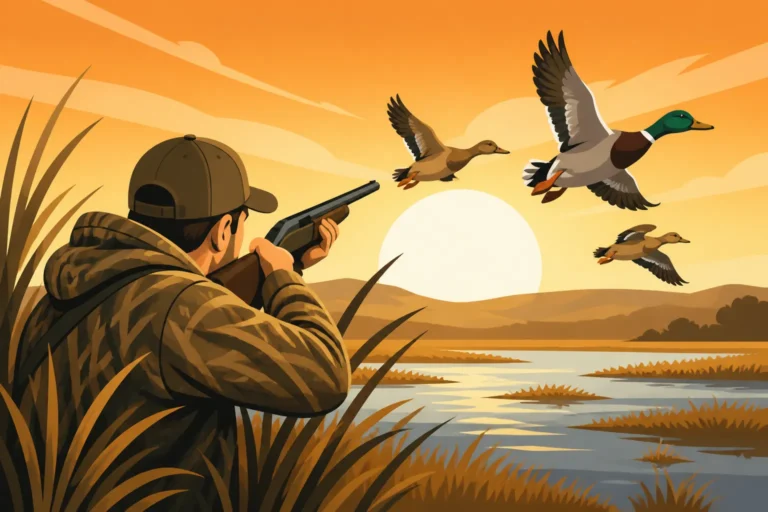
Without a doubt, waterfowl are the stars of the sandpit show. During the fall and winter migrations, the Platte River corridor becomes a superhighway for ducks and geese, and these sandpits serve as critical stopovers and wintering grounds. You'll find a mix of dabbling ducks like mallards, pintails, and wigeon, often feeding in the shallower edges or nearby flooded fields. Diving ducks such as scaup, canvasbacks, and redheads will utilize the deeper, open water. The sandpits also attract a significant number of geese, especially Canada geese, which will use the open water for roosting before heading out to feed in nearby corn or milo fields. The sheer number of birds moving through the area, as documented in articles like Waterfowl of the Central Flyway in Nebraska, makes these pits a prime target. Timing your hunts to coincide with migratory pushes, especially those driven by cold fronts further north, can be incredibly productive.
| Species Category | Common Species Found | Typical Sandpit Use | Preferred Hunting Method |
|---|---|---|---|
| Dabbling Ducks | Mallards, Pintails, Wigeon, Gadwall | Feed in shallower edges, loaf on banks | Decoys (floating & field), jump shooting |
| Diving Ducks | Scaup, Canvasbacks, Redheads, Goldeneyes | Roost in deeper, open water | Decoys (diver rigs), blind hunting |
| Geese | Canada Geese, White-fronted Geese | Roost in open water, feed in nearby fields | Decoys (full body & shell), layout blinds |
| Deer | Whitetail Deer | Bedding in thick cover, feed nearby | Treestands, ground blinds, still-hunting |
| Turkey | Eastern Turkey (sparse) | Roost in cottonwoods, forage along edges | Calling, ambushing |
| Small Game | Rabbits, Squirrels, Pheasants | Thick brush, timbered edges, adjacent fields | Walking, flushing |
Deer: Whitetails in the River Bottoms
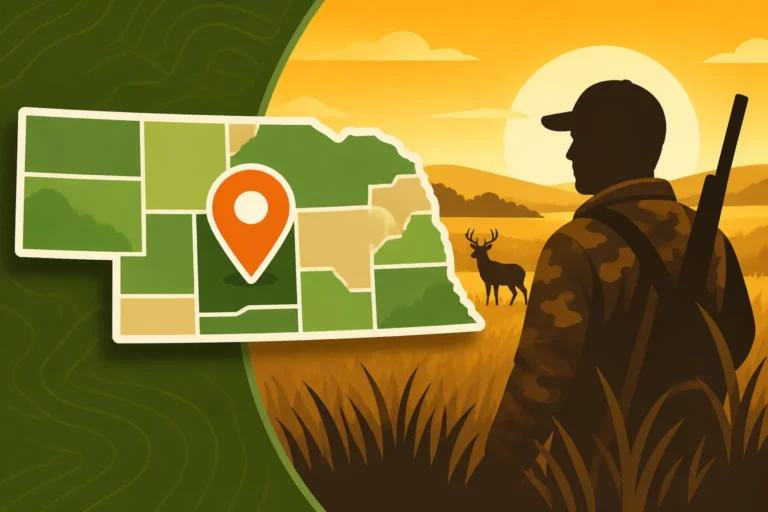
While waterfowl might be the headline act, don't underestimate the deer potential of Platte River sandpits. The dense cover created by willows, dogwoods, and cottonwood stands around these pits, coupled with dependable water sources and proximity to agricultural fields, forms an ideal habitat for white-tailed deer. Bucks will often bed down in these secluded pockets during the day, feeling secure surrounded by water and thick vegetation. They'll use the fringes of these pits as travel corridors, especially when moving between bedding areas and feeding grounds. You might even find them staging in these areas before heading out into open fields at dusk. Scouting the edges for trails, rubs, and scrapes is crucial. For more on this, check out River-Bottom Whitetail Hunting in Eastern Nebraska. Mule deer are less common in the primary Platte River corridor, preferring the Sandhills and Panhandle, but whitetails thrive here.
Other Opportunistic Game
Beyond ducks, geese, and deer, sandpits can also offer opportunities for other game. Wild turkeys, particularly the Eastern subspecies, will sometimes roost in the large cottonwood trees that often grow around older sandpits and forage along their edges. While not a primary turkey hunting destination, a keen observer might find opportunities, especially during the fall season. Pheasants can also be found in the dense cover adjacent to sandpits, particularly where cattail marshes blend into grasslands or crop fields. These areas provide excellent winter cover and nesting habitat. Rabbits and squirrels are almost always present in the timbered sections, offering a chance for a mixed bag or a relaxing small game hunt. Always be aware of specific season dates and bag limits for these species, which you can find in resources like Nebraska Waterfowl Seasons and Zones or through the Nebraska Game and Parks Commission.
Strategies for Hunting Platte River Sandpits Effectively
Successfully hunting Platte River sandpits requires a blend of diligent scouting, thoughtful setup, and adaptability. These environments are dynamic, and what works one day might not the next. The key is to understand the patterns of the game and how to best position yourself.
Scouting and Reconnaissance
Effective scouting is paramount when hunting sandpits. Start well before the season, utilizing tools like the onX Hunt app to identify public access points, property lines, and potential cover. Look for areas where dense cover meets open water or agricultural fields. Identify pinch points, peninsulas, and islands that might funnel game. For waterfowl, pay attention to flight patterns. Where are the birds coming from, and where are they going? Are they using a particular pit for roosting, or are they stopping to feed before moving on? A good pair of binoculars and a spotting scope are your best friends here. You can literally spend hours watching how birds use these waterways. When scouting public ground, as suggested in Scouting Nebraska Public Ground Before Opening Day, look for sign of other hunters but also fresh game sign that might indicate less pressured areas. Often, the farther you're willing to walk, the better your chances of finding undisturbed game. This is where tools like GoHunt can provide valuable insights into potential public land opportunities and access roads, especially when trying to identify those less obvious routes to secluded pits.
Decoying and Blind Setups for Waterfowl
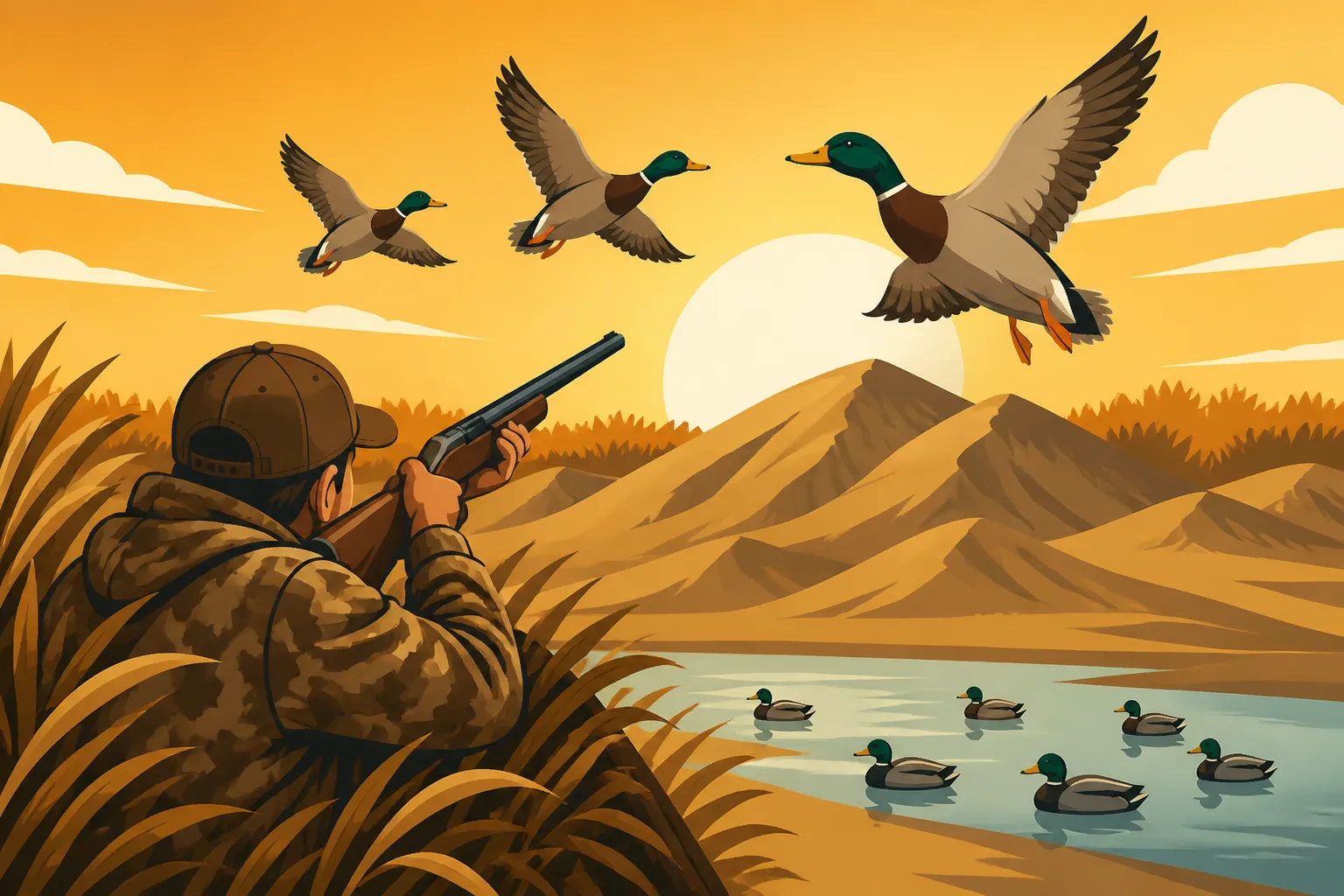
For waterfowl, success often hinges on your decoy spread and concealment. When hunting ducks, a diverse spread featuring mallards, pintails, and gadwalls, perhaps with a few diver decoys if hunting deeper water, can be effective. Consider using motion decoys to add realism, but always check regulations regarding their use, especially spinning-wing varieties. Geese often respond well to full-body or shell decoys in a family group setup, spaced out realistically. Concealment is absolutely critical. Layout blinds are excellent for field hunting adjacent to pits, blending seamlessly into cut corn or stubble. Along the water's edge, natural blinds brushed in with local vegetation like cattails, willow branches, or phragmites are ideal. Don't be afraid to take your time brushing in; a few extra minutes spent on concealment can make or break a hunt. Remember the advice in Setting Decoys Around a Layout Blind – making your setup look as natural as possible is always the goal. Think about wind direction: set your decoys so that incoming birds will naturally land into the wind, presenting a good shot.
Deer Hunting Approaches
Hunting deer in sandpit country usually involves a combination of stand hunting and still-hunting. For stand hunting, focus on transition areas: where thick bedding cover around the pit meets a travel corridor, or where a trail leads directly to a nearby food source. Overlooking a narrow neck of timber between two pits, or a point of land jutting into the water, can be incredibly productive. Cottonwood trees are often large enough and strong enough to support a treestand, but ground blinds can also be effective, especially if you can brush them in naturally to break up your outline against the dense background vegetation. When still-hunting, move slowly and deliberately along the edges of the thickets, paying close attention to wind direction. The dense nature of the cover means deer will often be close before you see them. Listen for the rustle of leaves or the snap of a twig. Using mapping applications like onX Hunt to mark areas where you've seen fresh sign or identified thick cover can help you plan your approach and identify escape routes for deer.
Navigating Access and Regulations for Sandpit Hunting
One of the biggest hurdles to hunting Platte River sandpits is simply knowing where you can legally hunt. Nebraska has a fantastic program that can help, but understanding land ownership and specific rules is crucial for staying ethical and lawful.
Public Access Points
Many sandpits are indeed on private land, but there are several avenues for public access along the Platte. State Wildlife Management Areas (WMAs) often include sandpit complexes as part of their diverse habitat. These are managed specifically for wildlife and public recreation, and they are excellent starting points. You'll also find U.S. Army Corps of Engineers land along portions of the Platte River, which often includes former borrow pits that function much like sandpits. Another fantastic resource is Nebraska's Open Fields and Waters (OFW) program. Many private landowners enroll their sandpits or adjacent fields into this program, opening them up to public hunting. Always check the Nebraska Public Access Atlas, which is updated annually, to identify current OFW tracts, WMAs, and other public lands. It's truly your best friend for finding places to hunt in Nebraska, and you can often overlay these maps with your GoHunt or onX Hunt app for detailed satellite views and boundary lines. Platte River Public Access delves into more specific locations.
Securing Private Land Permission
Given that a significant number of prime sandpits are on private land, learning how to politely and respectfully ask for permission can unlock incredible opportunities. Start early, well before the season. Knock on doors, introduce yourself, and explain your intentions. Be specific about what you want to hunt (e.g., "I'm hoping to hunt ducks on the sandpit in your north field") and offer to share some of your harvest. Dress respectfully, be prepared to accept "no," and always leave the property cleaner than you found it. Offering to help with chores or provide a hand during planting or harvest season can also build goodwill. Remember, many landowners are hesitant due to past negative experiences, so building trust is key. For more on this, check out What Nebraska Trespass Law Requires to ensure you're always on the right side of the law. A simple phone call or a handwritten note can go a long way in showing your respect and commitment to ethical hunting.
Understanding Key Regulations
Before you head out, always refresh your memory on Nebraska's hunting regulations. For waterfowl, this includes federal and state duck stamps, HIP registration, and understanding daily bag limits and species restrictions, as outlined in Nebraska Duck Daily Bag Limit. Nontoxic shot is required for all waterfowl hunting, and often on public lands for all upland hunting as well, so be sure your shells comply with Nontoxic Shot Rules on Nebraska WMAs. Pay close attention to legal shooting hours, which are typically defined as a half-hour before sunrise to sunset. For deer, ensure you have the correct permit for the unit you're hunting, understand tagging requirements, and review legal firearms or archery equipment. Don't forget your Nebraska Habitat Stamp and Hunter Education requirements. Always carry your permits and identification with you. Respecting these rules not only keeps you out of trouble but also ensures a positive public image for hunters and helps conserve these precious resources for future generations.
Disclaimer
This article is for general informational purposes only and does not constitute professional advice. Laws, prices and regulations vary by location and change over time. Consult a qualified professional for guidance on your specific situation.