Leasing School Trust Land in Nebraska
Finding consistent, quality hunting land in Nebraska can often feel like searching for a needle in a haystack, especially if you're not a landowner yourself. For many hunters, public land is the go-to, but the competition can be fierce. Private land leases are an option, but often come with a hefty price tag and require personal connections. This guide dives deep into an often-overlooked avenue: leasing School Trust Land in Nebraska. We'll break down what these lands are, how to navigate the leasing process, and what you need to know to hunt them successfully, helping you unlock potential new hunting opportunities.
What Exactly is Nebraska School Trust Land?
Many hunters have heard the term "School Trust Land" but aren't entirely sure what it means beyond "state land." It's critical to understand that these lands operate under a very specific mandate and are fundamentally different from traditional public hunting grounds.
The Historical Context and Purpose
Nebraska's School Trust Lands have a fascinating history rooted in the state's very foundation. Back when Nebraska achieved statehood, the federal government granted specific sections of land to the state with a clear purpose: to generate revenue for public education. This wasn't just a one-time gift; it was a trust, an endowment meant to provide ongoing financial support for schools across the state.
Today, these lands are diligently managed by the Board of Educational Lands and Funds (BELF). Their core mission is still the same: to maximize income for Nebraska's schools. This revenue comes from various sources, primarily through agricultural leases (for farming and grazing), but also increasingly through other avenues like mineral rights, easements, and, yes, recreational leases—which can include hunting. It's crucial to grasp that because the primary goal is revenue generation, these lands are not open to the public for hunting by default, unlike a Wildlife Management Area (WMA). You need explicit permission, typically in the form of a lease, to hunt them.
Types of School Trust Lands and Their Locations
The sheer diversity and distribution of Nebraska's School Trust Lands often surprise people. BELF manages over a million acres spread across the state, and these aren't all uniform parcels of land. You'll find everything from productive cropland in eastern Nebraska to vast expanses of rangeland in the Sandhills, timbered river bottoms, and even some wetland areas.
The parcels are often interspersed with private holdings, sometimes creating a "checkerboard" pattern of ownership that can be tricky to navigate without proper mapping tools. While a significant portion is leased for agriculture, creating opportunities for Hunting Standing Corn Before Harvest or focusing on areas What Changes in Nebraska After the Corn Comes Off, some tracts are more marginal for farming but offer excellent wildlife habitat. Prime locations for deer, pheasants, and turkeys can certainly be found within these holdings. This wide distribution means that no matter where you are in Nebraska, there might be School Trust Land nearby offering potential hunting access—if you can secure a lease.
Navigating the Leasing Process for Hunting Access
Securing a hunting lease on Nebraska School Trust Land isn't like walking into a sporting goods store and buying a permit. It's a formal process, often competitive, and requires a good understanding of how BELF operates.
Identifying Available Parcels
This is often the first and biggest hurdle for hunters interested in School Trust Land: how do you even find out what's available? The primary source for new lease opportunities is the BELF website. They maintain a list of lands currently open for bidding or application. It's not always a fast-moving list, so regular checking is advised.
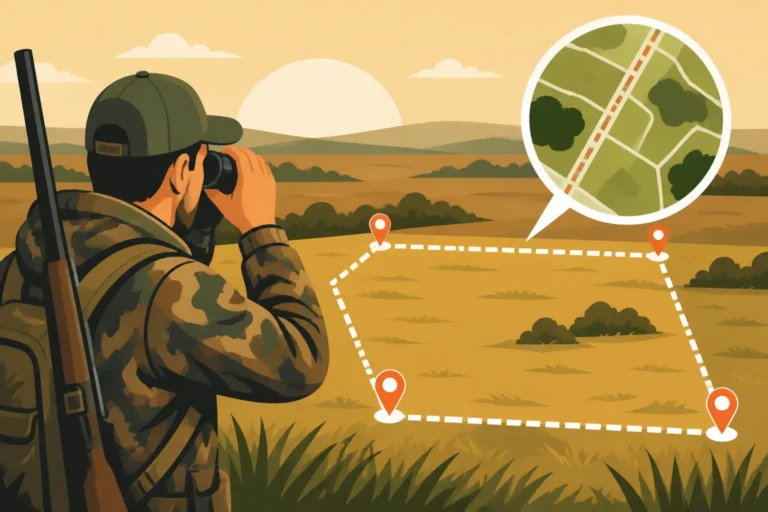
Beyond the official channels, powerful mapping applications like onX Hunt can be invaluable here. While they won't tell you if a specific parcel is currently available for lease, they can clearly display land ownership boundaries, identifying which tracts are "State Trust Land" or "School Land." This allows you to scout potential areas from afar, assess the habitat, and understand access points before you even look for an official listing. Many of these parcels are already leased for agriculture, but sometimes hunting rights can be negotiated or leased separately, or the agricultural tenant might not be interested in hunting the land themselves, leaving an opening for you.
The Application and Bidding Procedure
Once you've identified a promising parcel listed by BELF, the next step is typically a public auction or a sealed bid process. BELF is required to get the best possible return for the school fund, so competition can be high for desirable hunting tracts. They advertise these opportunities on their website and sometimes in local newspapers, ensuring broad awareness.
The lease agreement itself is a formal legal contract. It will clearly outline what recreational activities are permitted (e.g., hunting, trapping, hiking) and what is expressly forbidden (e.g., building permanent structures, planting food plots without explicit permission, driving off established roads). It's crucial to read every detail. Most hunting leases on School Trust Land are for a defined period, often multi-year, which offers a great advantage for long-term hunting strategy and learning the land's nuances, unlike annual permission. Remember, this isn't just a handshake agreement; it's legally binding.
Understanding Lease Costs and Competition
Let's be realistic: leasing hunting ground in Nebraska isn't usually cheap, and School Trust Land is no exception. The costs for these leases vary dramatically based on several factors: the location's desirability, the quality of the habitat, the game populations present, and, perhaps most significantly, the level of competition. A small timber block near a major river in eastern Nebraska with a history of big whitetails will undoubtedly draw more bidders and command a higher price than a marginal tract of rangeland in a less game-rich area.
While I can't provide specific figures, understand that BELF aims to get market value. This means comparing potential lease costs against Nebraska Hunting Lease Prices Per Acre for private ground in the same vicinity can give you a rough idea. Resources like GoHunt or local real estate listings might offer insights into land values and hunting demand in certain regions, which indirectly influences lease prices. Hunters should be prepared for a competitive bidding environment, especially for parcels with good access and established game. It's essential to set a budget before entering the bidding process to avoid overpaying, no matter how appealing a particular tract might seem.
Practical Considerations for Hunting Leased School Trust Land
Once you've successfully secured a lease on Nebraska School Trust Land, the real work—and fun—begins. However, it's not simply "your land" to do with as you please; there are important rules and practicalities to consider.
Rules, Regulations, and Hunter Responsibility
First and foremost, all state hunting regulations apply to School Trust Land just as they would on any private or public ground. This includes adhering to Nebraska Habitat Stamp and Hunter Education requirements, season dates, bag limits, shooting hours, and legal methods of take for your chosen species. The lease agreement itself will also contain specific rules from BELF. Common restrictions include prohibitions on permanent tree stands, baiting (unless otherwise specified, but generally a no-go on state lands), and off-road vehicle use. It is your responsibility to meticulously read and understand every clause in your lease agreement. Any violation could lead to forfeiture of your lease and potential legal trouble. This land is a privilege to lease, and respecting the terms is paramount.
Access, Boundaries, and Neighbor Relations
One of the most critical aspects of hunting leased School Trust Land is understanding access and boundaries. Many of these parcels, especially those interspersed with private holdings, might be landlocked or have very limited, designated access points. You cannot simply cross private land to get to your leased parcel without explicit permission from the adjacent landowner. This is where tools like onX Hunt become indispensable for understanding exact property lines and legal access routes. Without careful planning, you could inadvertently trespass, which is a serious offense in Nebraska as outlined in What Nebraska Trespass Law Requires.
Beyond legal access, maintaining good relations with adjacent landowners is not just polite, it's strategic. They might be farming the land, have livestock, or have their own hunting plans on their property. A friendly wave and a brief introduction can go a long long way. Clearly marking your leased boundaries, especially if they're not fenced, helps prevent any accidental incursions by other hunters or conflicts with neighbors.
Habitat Management and Game Potential
While you are leasing hunting rights, it's rare that you'll have permission to actively manage the habitat on School Trust Land, especially if it's primarily agricultural. The land is typically managed by BELF's agricultural tenants, and their focus is on crop production or grazing. However, this doesn't mean you can't optimize your hunting strategy. Understanding the agricultural cycles and land use (e.g., when crops are harvested, where cattle are grazing) is crucial.
For deer, focus on identifying bedding areas like Where Nebraska Whitetails Bed in Row-Crop Country and connecting them to available Late-Season Food Sources in Nebraska. For upland birds, seek out thick cover like cattail sloughs or shelterbelts adjacent to harvested fields. Even without direct habitat manipulation, astute scouting and knowledge of game behavior within the existing landscape can greatly enhance your success. If you are considering any minor habitat improvements, such as clearing a small shooting lane, you must get explicit written permission from BELF first—do not assume.
Strategies for Successful School Trust Land Leasing
Leasing School Trust Land can be a highly rewarding endeavor for Nebraska hunters seeking more consistent access to quality ground. But success often comes down to strategy and persistence.
Research and Persistence Are Key
Finding the right School Trust Land lease is often a long game, not a quick score. You need to develop a habit of regularly checking the BELF website for new listings. These don't pop up every day, and desirable parcels can be snapped up quickly. It's also wise to network within the local hunting community or even with farmers in areas you're interested in. Sometimes, local knowledge can give you a heads-up about upcoming lease opportunities before they're widely advertised.
Persistence truly pays off. You might not secure a lease on your first or even fifth attempt. Be prepared for competition and don't get discouraged. Think of it as an ongoing scouting mission: continuously assessing available tracts, understanding their potential, and being ready to act when the right opportunity arises. Remember that Scouting Nebraska Public Ground Before Opening Day is a habit that will serve you well, even on lands you hope to lease.
Budgeting for Your Lease and Additional Costs
When considering a School Trust Land lease, it's essential to look beyond just the raw lease fee. While that's the biggest line item, there are other costs to factor into your hunting budget. These include fuel costs for scouting and hunting trips, potentially specialized gear needed for the specific terrain, and your time investment.
Comparing these overall costs with alternative options, such as Nebraska Hunting Lease Prices Per Acre for private land or the effort involved in consistently finding new public hunting spots, can help you determine the true value. A multi-year lease, while a larger upfront commitment, can often be a better value in the long run. It provides stability, allows you to learn the land intimately, and avoids the annual scramble for new spots. Create a realistic budget, and stick to it during the bidding process.
Maximizing Your Hunting Opportunity
Once you've got the keys (or rather, the signed lease agreement) to your School Trust Land, treat it like the prime hunting property it is. This means investing significant time in scouting before and during the season. Walk the boundaries, identify game trails, pinpoint bedding areas, and locate key food and water sources. The more familiar you become with the land, the better you'll understand how game uses it.
Consider varying your hunting tactics based on game pressure and the specific habitat. If the area is accessible and might see some pressure on adjacent public or private lands, you might focus on hunting during weekdays or exploring less obvious corners of your leased parcel. Learning the nuances of deer movement, like Where Nebraska Whitetails Bed in Row-Crop Country, or understanding the seasonal shift in Late-Season Food Sources in Nebraska, will become invaluable. This commitment to active, knowledgeable hunting will ensure you make the most of your hard-won School Trust Land lease.
| Feature | Nebraska School Trust Land Lease | Nebraska Open Fields and Waters (OFW) | Private Land Lease |
|---|---|---|---|
| Access Type | Exclusive (for specified activities) | Public (first-come, first-served) | Exclusive (as agreed upon) |
| Primary Goal of Land | Generate revenue for schools | Provide public hunting access | Landowner's discretion |
| Cost to Hunter | Competitive auction/bid | Free (requires Habitat Stamp) | Negotiated fee, often higher |
| Competition for Access | High for desirable lease parcels | High, especially during peak seasons | Limited to tenant once secured |
| Typical Duration | Often multi-year | Annual enrollment by landowner | Annual or multi-year |
| Habitat Management | Generally limited for hunter | Managed by state or landowner | Potential for hunter input |
| Mapping Tools Importance | Critical for boundaries/access | Very important for location/rules | Important for clarity |
Disclaimer
This article is for general informational purposes only and does not constitute professional advice. Laws, prices and regulations vary by location and change over time. Consult a qualified professional for guidance on your specific situation.