Layout Blind Concealment in Stubble
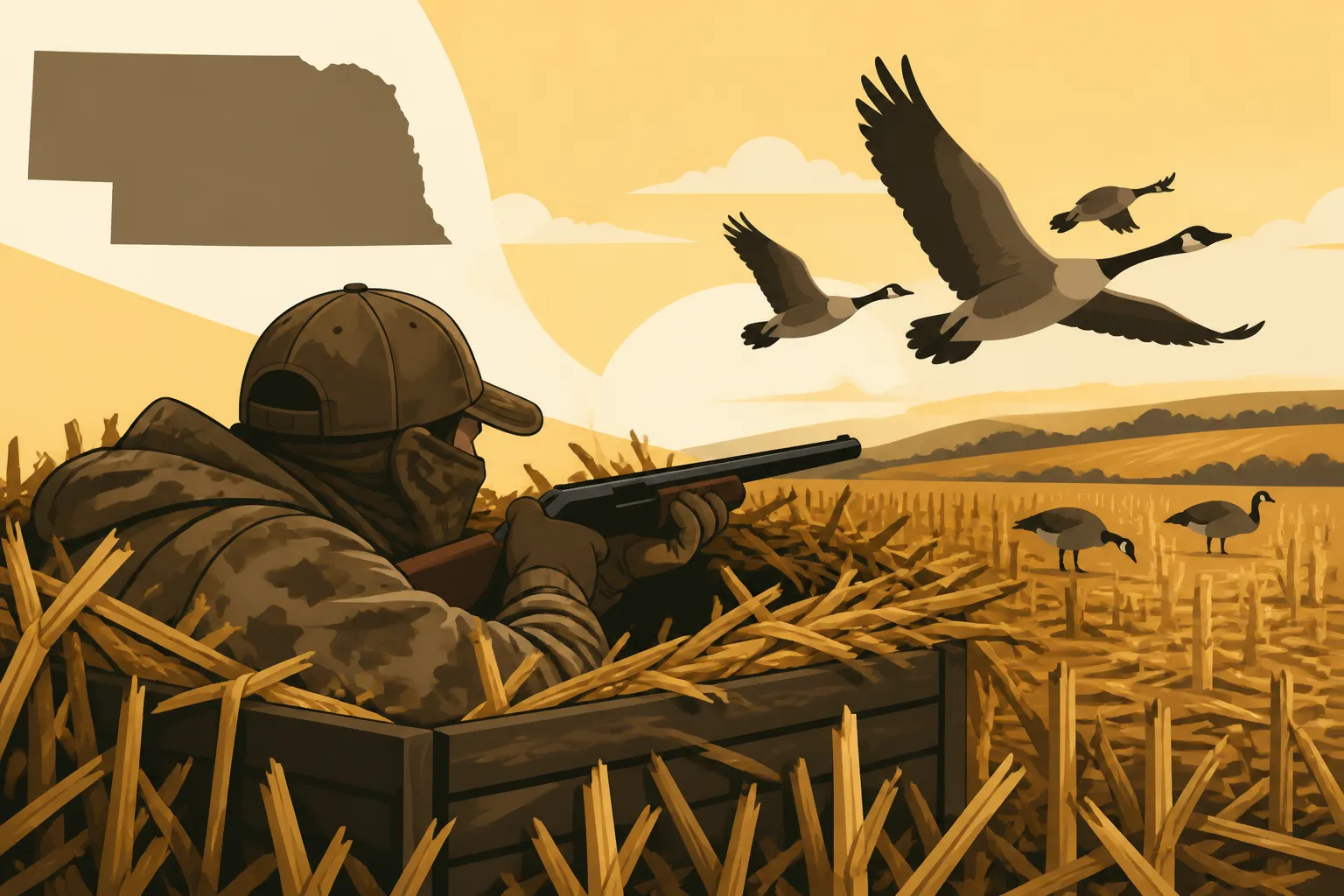
If you've ever spent countless hours meticulously setting up a decoy spread, only to have a flock of wary geese flare at the last moment, you know the crushing disappointment. Often, the culprit isn't your calling or your decoy placement, but your own visibility. Trying to disappear into a vast, open stubble field can feel like an impossible task, but this guide will walk you through the essential techniques and nuanced considerations for making your layout blind truly invisible to those sharp-eyed honkers.
The Challenge of Hiding a Layout Blind in Stubble
Hunting geese from a layout blind in an open field presents a unique set of challenges that can make or break your hunt. These birds are not just intelligent; they've been educated by generations of hunters, evolving into incredibly wary creatures.
Why Geese are So Wary
Imagine flying high above a field, with an almost panoramic view of the landscape below. That's the perspective geese have, and it's why their eyesight is legendary. They can spot anomalies from hundreds of yards away – a piece of shiny gear, an unnatural lump in the field, or even a subtle shift in color that doesn't quite match the surroundings. They're constantly scanning, looking for anything out of place that signals danger. This isn't just a casual glance; it's an ingrained survival instinct. Every single goose in a flock acts as an extra set of eyes, and if one bird spooks, the entire flock is gone in an instant. Understanding this level of wariness is the first step to successful concealment. It means you can't just throw a little stubble on your blind and call it good; you have to think like a goose.
The Flatness Factor
Nebraska's agricultural landscape, while providing abundant food sources for geese, often lacks natural cover. We're talking about wide-open corn, soybean, or milo fields that stretch for miles, offering very little to break up a human form or a blind. Unlike hunting in timber or thick brush where you can use existing terrain features to your advantage, stubble fields are largely uniform and flat. This flatness means your layout blind, no matter how low profile, becomes a noticeable bump on the landscape if not properly disguised. It's like trying to hide a basketball on a football field – it stands out if it's not blended in perfectly. The wind, too, plays a cruel trick, often blowing away your carefully placed cover or creating shadows that highlight your position. Wind Direction on Open Nebraska Prairie Stands is critical not just for bird approach, but also for how your blind appears.
Common Mistakes Hunters Make
We've all been there, and I certainly have too. The excitement of the hunt can lead to hurried setup, and that's where mistakes happen. One of the most frequent errors is not bringing enough extra natural material to brush in the blind. Hunters often rely solely on the stubble immediately surrounding their blind, which is rarely sufficient. Another common misstep is leaving hard lines visible – the sharp edges of the blind where the fabric meets the ground, or the distinct outline of the blind's doors. Any sharp, unnatural angle screams "hunter!" to an incoming flock. Failing to conceal personal gear, like shiny gun barrels or bright clothing peeking out, is another killer. And finally, underestimating the need to brush yourself in, especially your face and hands, can be a dead giveaway. Remember, geese don't just see the blind; they see everything around it.
Choosing Your Stubble Field Wisely
Not all stubble fields are created equal when it comes to effective concealment. The type of crop, the residual height, and the subtle contours of the land all play a significant role in how well you can hide.
Corn vs. Soybean vs. Milo Stubble
Each type of stubble offers different advantages and challenges.
- Corn Stubble: This is often the gold standard for layout blind concealment. Cornstalks, especially after a tall harvest, leave plenty of vertical and horizontal material. The stalks are robust and provide excellent cover to break up the hard lines of a blind. The key is to find fields with plenty of standing stubble, not just a bare dirt patch. When scouting with tools like GoHunt, look for fields that show a good amount of residual corn, as it indicates better material for brushing. Setting a Goose Spread in Harvested Corn often goes hand-in-hand with good corn stubble.
- Soybean Stubble: This can be trickier. Soybean plants are much shorter and finer than corn. After harvest, you're often left with very little standing material, making it harder to get good vertical concealment. You'll need to rely more on gathering extra material from nearby fence rows or field edges, and really focus on blending the blind's profile into the horizontal plane of the ground. This often means more digging out for your blind or choosing a slight depression.
- Milo Stubble: Similar to corn, milo (grain sorghum) can provide decent cover, especially if it was a tall crop. The stalks are thinner than corn but often plentiful. It holds an advantage over soybeans in terms of sheer volume and height of residual material. It's generally a good choice if corn isn't available, but still requires diligent brushing.
| Stubble Type | Pros for Concealment | Cons for Concealment |
|---|---|---|
| Corn | Abundant, tall, robust stalks; breaks up lines well | Can be bulky to move; fewer subtle depressions |
| Soybean | Easy to gather; very low profile | Very little standing material; hard to get vertical cover |
| Milo | Good volume of material; mid-height coverage | Thinner stalks than corn; can be brittle |
Field Edges vs. Open Centers
Where you position your blind within the field is almost as important as the stubble itself.
- Field Edges: Hunting closer to tree lines, fence rows, or brushy ditches (if allowed and if they don't break game laws on cover proximity) can offer fantastic natural cover. The problem is, geese are smart. They know hunters often gravitate to edges. If they've been pressured, they'll often flare wide of edges. However, if you can find a subtle edge that truly blends into the natural landscape, it can reduce the amount of brushing you need. Just be mindful of local regulations and ethical considerations about shooting birds too close to cover where they might drop out of sight or on someone else's property.
- Open Centers: This is often where the most consistent success lies, especially for educated birds. Geese feel safer landing in the middle of a vast field because it offers them unobstructed views of potential predators. The challenge here is that you become the anomaly in a truly flat, open expanse. This demands meticulous brushing and attention to every detail. It means hauling in extra cover material, potentially even going so far as to "dig in" your blind slightly to lower its profile even further. The Nebraska Public Access Atlas can help you find suitable public fields, and then it's up to you to scout for the best center-field locations.
Reading the Terrain: Subtle Depressions and Rises
Even in seemingly flat Nebraska fields, there are almost always subtle undulations. A slight dip, a barely perceptible swale, or even a tractor tire rut can offer crucial inches of concealment. Using aerial maps from tools like GoHunt or even just walking the field before daylight can reveal these hidden features. A layout blind placed in a shallow depression instantly gains a few inches of natural cover, making your job of brushing in much easier. Conversely, placing a blind on a slight rise will make it stand out like a beacon. Always look for the lowest point you can ethically hunt from within your desired landing zone.
Mastering the Art of Brushing In Your Blind
This is where the rubber meets the road. Proper brushing isn't just throwing some stuff on your blind; it's an art form that requires attention to detail and a keen understanding of what a goose sees.
Gathering the Right Materials
You need more than just the stubble immediately around your blind. Before you even unpack your blind, take the time to walk the field edges, fence rows, or even nearby ditches for additional natural cover.
- Extra Stubble: Don't be afraid to pull up more cornstalks, milo stalks, or even dead weeds. Bring a small garden rake or a pair of loppers if permitted to help gather and process material. The more, the better.
- Natural Vegetation: Look for anything that matches the colors and textures of the field. Dried grass, dead thistles, or even small branches from deciduous trees (if they match the dormant field colors) can be incredibly useful. The key is to make it look organic, like it grew there. Avoid bringing in anything too green or unnatural for the time of year.
- Earth/Dirt: Sometimes, especially in extremely sparse stubble, a light dusting of dirt or even a handful of clumps can help blend the blind into the ground, especially around the edges. This is particularly effective if you've chosen to partially dig in your blind.
Layering for Natural Blending
Think of brushing in as building layers, not just piling things on top.
- Base Layer: Start by tucking the skirts of your blind under any available stubble or dirt. This eliminates the sharp line where the blind meets the ground. Then, begin weaving shorter, more broken pieces of stubble into the blind's stubble straps. Focus on the areas that get the most direct light or are most visible from the birds' approach.
- Mid-Layer: Now, add longer, more substantial pieces. Don't just lay them flat. Stand some pieces vertically, angle others, and crisscross them. The goal is to create a random, natural look, mimicking how natural debris falls and collects in a field. Think about creating a "thatch" effect, rather than a solid blanket. This layer helps break up the hard lines and the flat profile of the blind.
- Top Layer (Texture and Shadow): This is where you add the finer details. Use lighter, airier materials like dried grass or small, brittle weeds to add texture and create natural shadows. This helps reduce any shiny spots on the blind's fabric and further blends it into the overall field. Critically, make sure to cover every inch of the blind's fabric, especially the areas where doors open and close, as well as the headrest. You don't want any of the blind's artificial color showing through. Layout Blinds for Nebraska Cut Corn benefit immensely from this multi-layered approach.
The Importance of the Silhouette
One of the biggest giveaways for geese is the unnatural silhouette of a blind. From above, a perfectly rectangular or oblong shape sticks out. Your goal is to break that up.
- Ragged Edges: Ensure the material you've placed extends beyond the actual footprint of the blind, creating a less defined, more natural edge. Think of it like a natural snowdrift or a pile of fallen cornstalks.
- Varying Height: Don't make everything the same height. Some pieces of stubble should stand taller, others shorter, creating an uneven, natural canopy.
- Shadow Management: The sun can cast very distinct shadows from your blind, especially if it's not well-brushed. By varying the height and distribution of your brushing material, you create a more broken, natural shadow pattern that doesn't scream "blind."
Advanced Tactics for Disappearing Act
Once the basics are mastered, a few additional techniques can elevate your concealment to the next level, turning a good hide into a perfect one.
Decoy Spreads as Additional Concealment
Your decoy spread isn't just for attracting birds; it's also a powerful tool for concealment.
- Blind Placement within the Spread: Position your layout blinds among your full-body decoys, especially larger ones like Canada goose decoys. This works incredibly well. The decoys provide additional visual clutter that can help mask the blind. It also makes your blind appear as "just another lump" within the flock, especially if the decoys are arranged in a natural feeding or resting pattern. Decoy Spreads for Rainwater Basin Geese are designed to draw birds in, but also to provide natural looking obstructions.
- Creating "Islands" of Cover: Sometimes, arranging a cluster of decoys around each blind can create a small "island" of apparent activity that helps hide the blind itself. This works particularly well in sparse stubble fields where natural cover is minimal. The geese will focus on the decoys, not the subtle anomaly of your blind.
- Matching Decoy Stance: If your decoys are mostly feeders, ensure your blind is low and subtle, blending into the ground. If you have some sentry decoys, their upright forms can help break up the horizon line slightly, offering a bit more forgiveness for your blind's profile.
Utilizing Shadows and Light
The sun and clouds are constantly changing, and they can either be your best friend or your worst enemy.
- Sun at Your Back: Whenever possible, position your blinds so the sun is at your back, shining into the faces of the incoming geese. This makes it harder for them to see details and can help obscure your blind in glare. However, this isn't always practical, as geese often prefer to land into the wind, which dictates your decoy spread and blind orientation.
- Cloud Cover: Overcast days are a godsend for concealment. The diffused light reduces harsh shadows and glare, making it much easier to hide. On sunny days, you must be extra vigilant about eliminating shine and ensuring your brushing materials cast broken, natural shadows.
- Early Morning/Late Evening: These times of day often have softer, lower-angle light, which can create longer shadows that help to obscure blinds. However, the low sun can also create pronounced silhouettes if your blind isn't perfectly blended into the horizon.
Minimizing Movement and Shine
Even the most perfectly brushed-in blind can be compromised by a careless hunter inside.
- Absolute Stillness: Geese have incredible motion detection. The slightest twitch of a head, the raising of a hand, or even an exposed face can send them packing. Once birds are working, become a statue. Practice your shooting motion in the blind to ensure you can do it smoothly without excessive movement.
- Eliminating Shine: Every piece of gear, from your gun barrel to your eyeglasses, needs to be non-reflective. Use matte finishes, camo tape, or face paint. Even a glossy phone screen can reflect enough sunlight to spook birds. I've had success using non-glare shooting glasses and carefully positioning my shotgun so no shiny parts are exposed until the last second. Rifle Cases for Flying to Nebraska often have matte finishes, but double-check your personal gear.
- Camo Clothing and Face Paint: Your personal camouflage needs to blend with the stubble, not just generic woods. Often, a lighter, more tan or khaki pattern is better than dark green or brown. Always use face paint or a face mask, and gloves. Exposed skin, especially on a human face, is incredibly noticeable against the natural backdrop of a field.
Wind, Sun, and Bird Perspective: Beyond Just Brushing
Truly mastering concealment means understanding how the elements and the birds themselves interact with your hide. It's about thinking beyond just covering the blind.
Wind Direction and Blind Placement
The wind is your compass for waterfowl hunting, influencing everything from decoy spread to how birds approach. It also critically affects how your blind appears and performs.
- Optimal Approach: Geese almost always land into the wind. This means your blinds should be positioned to allow for a shot as they cup their wings and commit. This dictates the general orientation of your spread.
- Concealment and Wind: A strong wind can work against you by blowing loose stubble off your blind, exposing fabric. Regularly check your brushing materials, especially on windy days. Also, consider the wind's effect on shadows. A low sun with a strong crosswind can create long, stark shadows that are harder to disguise. Conversely, if you position your blind so the wind is coming from behind it, the stubble you've laid on top will be pressed down, potentially offering a slightly lower profile. However, this sacrifices the ideal shooting position into the wind. It's a constant balance. Working Sharptails and Prairie Chickens on Foot also teaches you about reading the wind for stalking, a similar principle applies here for concealment.
Sun Angle and Glare
We touched on this before, but it's worth deeper consideration because it’s a dynamic factor throughout the hunt.
- Morning Sun: As the sun rises, its angle changes rapidly. What was concealed in pre-dawn darkness can become illuminated quickly. Be ready to adjust your brushing throughout the morning, especially if the sun is low and directly behind your position, creating a clear silhouette of your blind against the horizon.
- Midday Sun: High sun can reduce shadows but increase glare. This is when any shiny surfaces on your blind or gear become most problematic. It's also when birds are often highest and wariest, making concealment even more critical.
- Late Afternoon Sun: As the sun drops, shadows lengthen again. This can be helpful if your blind is positioned within these lengthening shadows, but if it's in direct sun with a long shadow stretching out, it could still be a giveaway. Always ensure your blind material is dense enough to absorb light and not reflect it. This is where the texture of natural materials truly shines.
Seeing it Like a Goose: The Ultimate Test
The best way to truly test your concealment is to literally see it from a goose's perspective.
- Walk Around Your Spread: Before the birds start flying, once your blinds are set and brushed, get out of your blind (carefully, without leaving tracks) and walk a wide circle around your spread, looking back at it from all angles and distances. Get down low, simulating a goose's approach. What stands out? Are there any hard lines? Is any blind fabric visible? Any shine? This is an invaluable step that too many hunters skip.
- Ask a Buddy: Have a hunting partner do the same. Sometimes a fresh set of eyes will catch something you missed. Critically, ask them to be brutally honest. A little ego bruising is better than empty skies.
- Camera Check: If you have a drone or can get a high vantage point (like a nearby hill, again, respecting property lines and regulations), take a few photos or video clips of your spread from above. You might be shocked at what's visible from a bird's-eye view that you can't see from the ground. This helps identify those subtle shapes and color discrepancies.
Ultimately, mastering layout blind concealment in stubble is a continuous learning process. Every field is different, every weather pattern brings new challenges, and every flock of geese has its own personality. But by understanding their wariness, carefully selecting your location, meticulously brushing in your blinds with natural layers, and constantly evaluating your hide from their perspective, you'll significantly increase your chances of bringing those wary Nebraska honkers into range. Field Hunting Geese in Nebraska's Rainwater Basin or anywhere else with open country demands this level of dedication.
Disclaimer
This article is for general informational purposes only and does not constitute professional advice. Laws, prices and regulations vary by location and change over time. Consult a qualified professional for guidance on your specific situation.