Barrel Length for Walk-Up Hunting
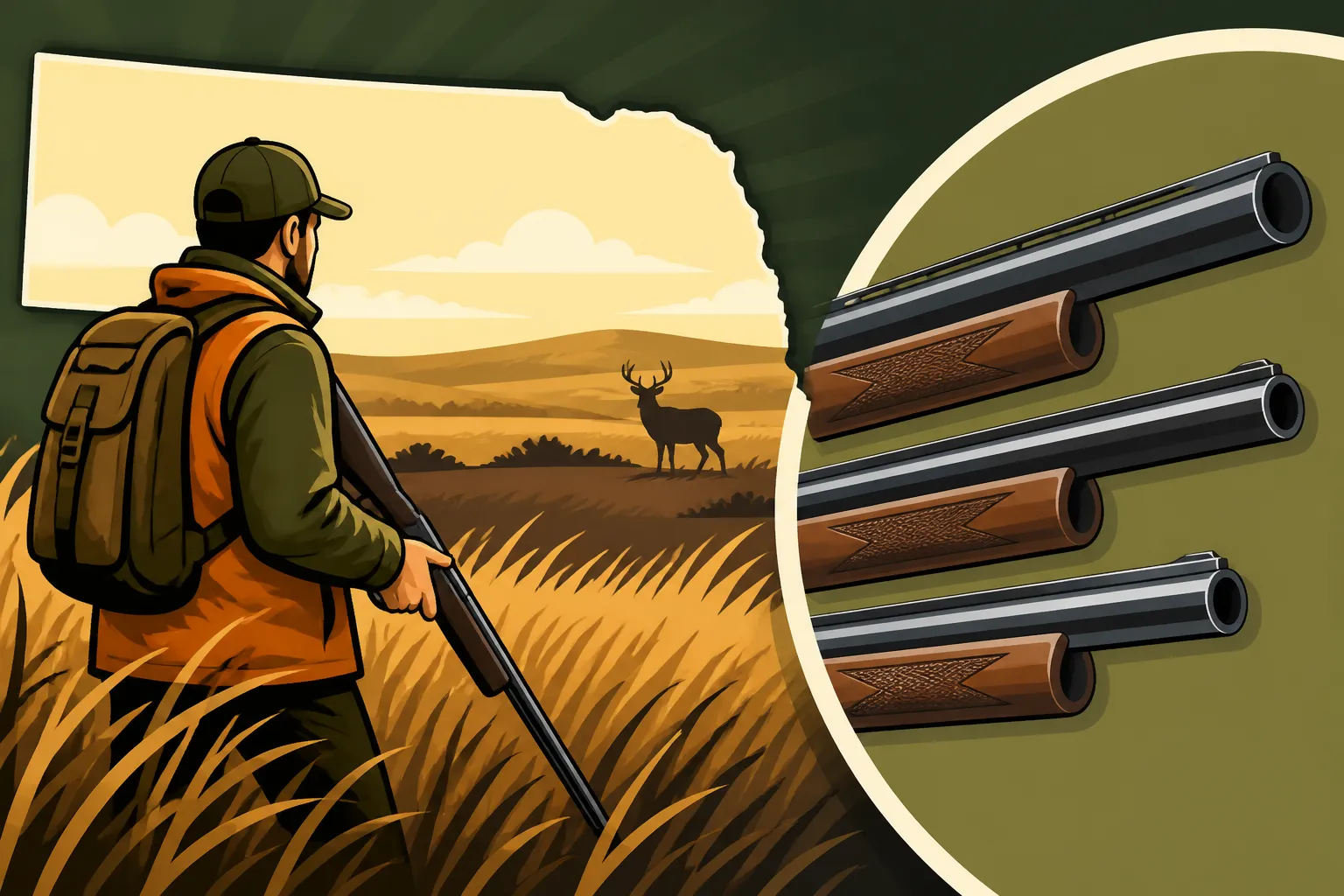
Choosing the right shotgun for walk-up hunting in Nebraska can feel like a real puzzle, especially when you start thinking about something as specific as barrel length. We've all been there, standing in the sporting goods aisle, wondering if that 28-inch barrel is going to be too unwieldy in a tangled cattail slough or if a shorter 24-inch option sacrifices too much swing for open prairie birds. This guide is all about diving deep into the nuances of barrel length, helping you understand the pros and cons as they relate to the diverse upland cover found right here in the Cornhusker State.
The Trade-Offs: Shorter Versus Longer Barrels for Upland Hunting
When it comes to shotguns for upland game, barrel length isn't just a number; it dictates a lot about how your firearm feels and performs in the field. There's a persistent debate among hunters about what's "ideal," but the truth is, it's rarely a one-size-fits-all answer. For walk-up hunting, where you're constantly on the move and flushing birds can erupt at any moment, these distinctions become even more critical.
The Case for Shorter Barrels
Let's talk about those shorter barrels, typically in the 24 to 26-inch range. The immediate benefit you'll notice is maneuverability. Imagine pushing through dense stands of tall prairie grass or navigating the thick brush of a shelterbelt in eastern Nebraska. A shorter barrel is less likely to snag on branches, catch on corn stalks, or dig into the dirt when you're swinging it up for a fast-flushing pheasant. This makes for quicker target acquisition in close quarters, which is often the reality when a rooster bursts from under your feet. They also tend to feel lighter and are easier to carry over long distances, a huge plus when you're putting in miles across varied terrain.
However, this increased agility comes with a few trade-offs. Some hunters find that shorter barrels, due to their lighter front end, can be harder to keep swinging smoothly on longer shots or fast-moving birds. The perception of a shorter sight plane can also lead to issues for some, making precise aiming feel less natural. While modern ammunition largely negates concerns about velocity loss in shorter barrels, the feel and balance are distinct, requiring some practice to master. It's often a favorite for those hunting in truly tight cover or for those who prioritize a compact, easy-to-handle firearm for grueling hunts. For hunters who rely on detailed Scouting Nebraska Public Ground Before Opening Day, understanding the density of cover they'll face can heavily influence this decision.
The Argument for Longer Barrels
On the flip side, we have longer barrels, typically 28 inches and sometimes even 30 inches or more. These are often considered the traditional choice for wingshooting, and for good reason. The added length provides a steadier swing, a quality that's invaluable when tracking a bird that's trying to put some distance between you and it. That extra weight out front helps to smooth out your follow-through, reducing the tendency to stop your swing prematurely. This can translate into more consistent patterns and better success on those flushing birds that give you a bit more time or present a longer shot opportunity.
The longer sight plane of these barrels also contributes to a more intuitive aiming experience for many hunters. While they might feel a bit more cumbersome in thick brush, they truly shine in open country, like the expansive milo stubble fields or wide-open prairie where pheasants often hold tight but can also flush wild. However, carrying a longer barrel all day can be more fatiguing, and moving through dense cover will definitely present more challenges, like getting tangled in Hunting Cattail Sloughs Late in the Season. It's a balance, and for those who prioritize a smooth, deliberate swing and potentially longer reach, the extra length is often worth the extra effort.
Considering Nebraska's Diverse Upland Habitats
Nebraska isn't just one type of hunting ground; it's a tapestry of varied landscapes, each presenting its own set of challenges and opportunities for the walk-up hunter. The "best" barrel length often depends heavily on where in the state you find yourself chasing birds.
Thick Cover: Shelterbelts, Creek Bottoms, and CRP
Think about the classic Nebraska pheasant haunts: dense cedar shelterbelts, brushy creek bottoms in eastern Nebraska, or towering CRP fields that haven't been grazed. These areas are characterized by thick vegetation, often reaching well over your head. In such environments, maneuverability is king. A shorter barrel, say 24 or 26 inches, will feel like a blessing. You'll find it easier to shoulder quickly, swing through the tight spaces, and get on a bird before it's out of range. Trying to navigate these areas with a 30-inch barrel can quickly become frustrating, as you constantly snag on branches or have your swing impeded.
This is where the benefit of a compact firearm truly shines. If you're spending your days Quail Hunting Nebraska Shelterbelts or pushing thick plum thickets for roosters, a shorter barrel reduces fatigue and helps you stay agile. The shots here are typically fast and close, often within 20-30 yards, where the quickness of a shorter barrel can make all the difference. Knowing the specific types of cover you'll encounter can be a crucial part of your pre-hunt strategy, and tools like GoHunt can help you scout and visualize these areas beforehand, informing your gear choices.
Open Country: Stubble Fields, Prairie Grass, and Sandhills
Now, shift your mental image to the vast open spaces of central and western Nebraska. We're talking about harvested corn and milo fields, endless stretches of prairie grass, and the rolling terrain of the Sandhills. Here, birds might flush a bit farther out, and you often have more room for a full, deliberate swing. This is where a longer barrel, like a 28-inch or even 30-inch, can really come into its own. The increased weight out front helps stabilize your swing, making it easier to track a bird that might be quartering away at 40 yards.
For situations like Walking Milo and Corn Stubble for Pheasants or working the vast grasslands for sharptails and prairie chickens, that smooth, controlled swing can lead to more consistent patterns on those longer shots. While still-hunting these open fields, the slight increase in overall length might not be as much of a hindrance as it would be in dense cover. The key here is not necessarily speed, but precision and maintaining your swing through the shot. GoHunt's mapping features can be incredibly useful for identifying the prevalence of these open field types versus dense cover on potential hunting spots, allowing you to tailor your barrel length decision to the predominant habitat.
Impact on Swing, Balance, and Carrying Comfort
Beyond just snagging on branches, barrel length profoundly affects the overall feel of your shotgun, especially when you're walk-up hunting. This isn't just about ergonomics; it directly translates to how effectively you can bring your gun to bear and make a clean shot.
The Dynamics of Shotgun Balance and Pointability
A shotgun's balance point is largely influenced by its barrel length. A shorter barrel tends to make the gun feel lighter and more 'whippy,' meaning it changes direction very quickly. This can be fantastic for snap shooting or quickly reacting to a flushing bird in thick cover. However, it can also lead to over-swinging or a lack of follow-through if you're not careful. Think of it like a short fishing rod—it's agile but might not have the same smooth casting arc as a longer one.
Conversely, a longer barrel shifts the balance forward, creating more momentum in the swing. This "forward balance" helps the gun naturally continue its movement through the target, promoting a smoother and more consistent follow-through. For many experienced wingshooters, this predictable swing is paramount, especially when birds are flying fast or at a distance. It's a subtle difference, but one that can greatly impact your confidence and accuracy over a full day of hunting. You might find a longer barrel helps you maintain that smooth swing even when you're a bit fatigued from a long prairie walk.
Carrying a Shotgun All Day: Weight Distribution Matters
Walk-up hunting is exactly what it sounds like: a lot of walking. Sometimes miles and miles of it. And carrying a shotgun for hours on end, often through challenging terrain, makes carrying comfort a huge factor. While the overall weight of the shotgun is important, how that weight is distributed is equally significant. A shorter barrel, being lighter at the front, often results in a gun that feels less fatiguing to carry in your hands or slung over your shoulder. This reduced forward weight can make a noticeable difference after several hours of busting through cover.
However, a well-balanced longer barrel might distribute its weight in such a way that it still feels comfortable, despite the extra ounces. Much of this comes down to individual preference and body mechanics. Some hunters prefer a gun that points naturally with minimal effort, even if it has a bit more overall mass. The key is to find a gun that feels like an extension of yourself, minimizing conscious effort to hold and swing it. Considering a good Upland Vests and Blaze Orange setup can also help distribute the weight of your gear, making the shotgun feel less cumbersome.
Practical Considerations and Personal Preference
Ultimately, the best barrel length for your walk-up hunting adventures in Nebraska isn't something someone else can definitively tell you. It's a deeply personal choice, influenced by your shooting style, the specific environments you hunt, and what simply feels right in your hands.
Trying Before You Buy: Range Time and Borrowed Guns
One of the absolute best ways to figure out your preferred barrel length is to try different options. If you have friends with shotguns of varying barrel lengths, ask if you can shoulder them, swing them, and maybe even take a few shots at clays. Pay attention to how quickly you can get on target, how smoothly you can track, and how comfortable it feels to hold and swing. A trip to a sporting clays course can be incredibly revealing, allowing you to simulate different shot presentations and see how each barrel length performs for you.
You might find that for Hunting a Pheasant Field Without a Dog, where flushes can be unpredictable, a slightly shorter barrel offers that crucial quickness. Or perhaps you discover that for more deliberate hunts in Working Sharptails and Prairie Chickens on Foot, the added swing weight of a longer barrel gives you more consistent results. Don't be afraid to experiment; what feels good to one hunter might not feel right to another.
Other Gear and Accessories That Impact Feel
It's also worth remembering that barrel length is just one piece of the puzzle. Other aspects of your shotgun setup, and even your overall hunting gear, can influence how different barrel lengths perform. For instance, the type of Choke Choice for Walking Birds you use can affect pattern density, which might alleviate some concerns about effective range, regardless of barrel length. The weight and balance of the entire shotgun, including the receiver and stock, also play a huge role.
Your personal fitness level, the type of boots you wear for Boots for Walking Nebraska Grass and Sand, and even the kind of pack you carry can all contribute to how fatigued you feel and, consequently, how well you can handle your firearm. Think holistically about your entire setup, using resources like GoHunt to understand the terrain you'll be navigating, and consider how each piece of gear works together to create an effective and comfortable hunting experience. No matter your choice, make sure you're always comfortable and confident with your firearm, as that's the real key to success in the field.
| Barrel Length (Inches) | Primary Benefit for Walk-Up | Primary Challenge for Walk-Up | Ideal Nebraska Habitat |
|---|---|---|---|
| 24-26 | High maneuverability, quick handling in thick cover | Can feel 'whippy,' harder to maintain smooth swing on long shots | Shelterbelts, dense CRP, creek bottoms, plum thickets |
| 28 | Good balance of maneuverability and smooth swing | Can be a bit long in very dense brush, might fatigue on long carries | Mixed cover, harvested fields, medium prairie, general upland |
| 30+ | Very smooth, deliberate swing, excellent for longer shots | More cumbersome in thick cover, increased carrying fatigue | Wide-open stubble fields, expansive prairie, distant flushing birds |
Disclaimer
This article is for general informational purposes only and does not constitute professional advice. Laws, prices and regulations vary by location and change over time. Consult a qualified professional for guidance on your specific situation.