Face Coverings and Orange Requirements
Navigating the world of hunting regulations can sometimes feel like trying to untangle a particularly stubborn fishing knot. One area that often causes a lot of head-scratching for Nebraska hunters, especially those who prioritize concealment, is the specific requirement for blaze orange, particularly when it comes to face coverings. It’s a common frustration to want to remain as hidden as possible, only to be told you need to essentially glow in the woods. But these rules are in place for a crucial reason: safety. This guide aims to clarify Nebraska's blaze orange mandates, especially how they apply to face coverings, so you can stay safe, compliant, and focused on your hunt.
Understanding Nebraska's Blaze Orange Mandates
The rulebook isn't always the easiest read, and it's easy to get confused about when and where blaze orange is truly required. But getting this right isn't just about avoiding a citation; it's about protecting yourself and others in the field. Let's break down the core principles of Nebraska's orange mandates.
Why Blaze Orange Matters for Hunter Safety
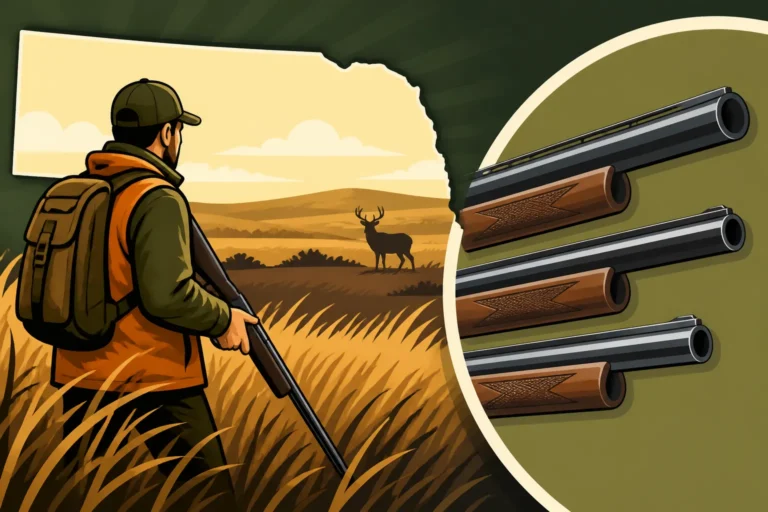
Let’s be honest, putting on a bright orange vest or hat when you’re trying to slip silently through the timber, or hoping to entice a wary whitetail, can feel counterintuitive. You spend so much time thinking about camouflage, scent control, and being invisible, and then suddenly, you're asked to wear something designed to make you stand out like a beacon. It's a valid feeling, that sense of being "lit up" in the very environment you want to blend into. However, the primary purpose of blaze orange is simple and critically important: to prevent hunting accidents. It significantly increases your visibility to other hunters, especially in low light conditions, dense cover, or during fast-paced situations like deer drives. Human eyes are incredibly good at picking out this specific shade of orange, even if a deer's aren't. In a state like Nebraska, where hunters might be pursuing game in everything from open Sandhills grasslands to thick river bottom timber, visibility can literally be a lifesaver. It’s a small compromise in terms of stealth for a massive gain in safety, ensuring that you and your fellow outdoors enthusiasts can all return home safely after a day afield.
Specific Seasons and Situations Requiring Orange
Nebraska's blaze orange requirements aren't universal; they kick in during specific seasons and under certain conditions. The most prominent and often-discussed period is the regular nine-day November firearm deer season. During this window, all deer hunters, regardless of the weapon they are using—be it a rifle, a muzzleloader, or a bow—are required to wear blaze orange. This includes archery hunters, who, outside of this specific firearm season, are generally not required to wear orange. It can be a jarring shift, going from full camouflage to needing significant orange coverage. The rule specifies that you must wear at least 400 square inches of blaze orange material on your head, chest, and back. This doesn't mean you need one solid piece; it can be made up of multiple items, like a vest and a hat, as long as the total visible area meets or exceeds that 400-square-inch threshold. For those venturing out during Bowhunting During Nebraska's November Firearm Season, this is a non-negotiable aspect of your gear. Outside of the November firearm deer season, during other archery-only or muzzleloader-only seasons when there isn't an overlap with a general firearm season, the orange requirement typically doesn't apply. However, it’s always a good practice, even when not legally required, to consider wearing some orange if you're hunting in areas with other hunters or limited visibility, simply for that added layer of personal safety.
Navigating Face Coverings and Blaze Orange
This is where the rubber often meets the road for hunters who value concealment, especially those pursuing turkeys or deer with archery gear. You want to disappear into the background, but the rules dictate otherwise.
The Blaze Orange Face Covering Conundrum
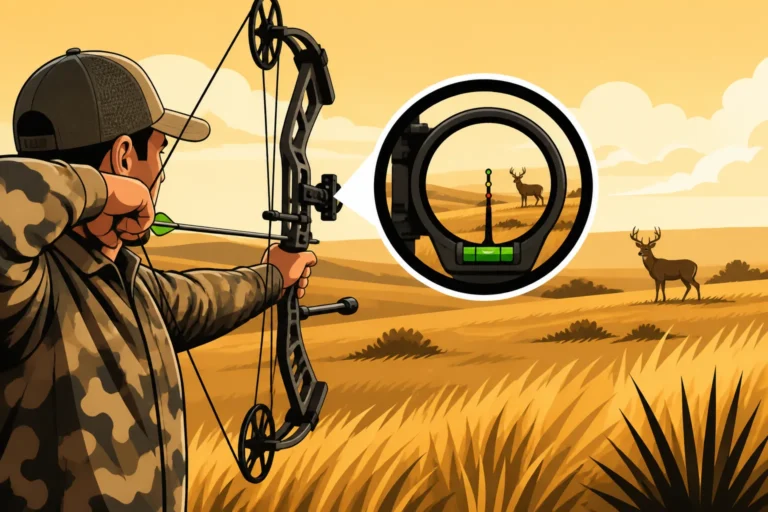
The real head-scratcher often comes down to face coverings. You’re in a ground blind, perhaps, trying to call in a wary gobbler or waiting for that mature buck to step out of the cover. You’ve got your camo net pulled up, or a full facemask on, to break up your human outline. But then you remember the blaze orange rule. If you're hunting during a period when blaze orange is required, and your face covering covers a significant portion of your head, chest, or back, then that face covering itself must also be blaze orange or incorporate enough orange to meet the square inch requirement. This means a plain camouflage balaclava, while excellent for concealment, might put you out of compliance if worn during, say, the November firearm deer season, even if you’re bowhunting. It's a genuine dilemma: how do you achieve that critical level of concealment that helps you seal the deal on an animal while simultaneously making yourself highly visible to other hunters? For archers, this is particularly acute when drawing a bow, as minimal movement and maximum concealment are paramount. It’s a frustrating tightrope walk, but understanding the rule is the first step to finding a practical solution.
Practical Solutions for Face Coverings and Compliance
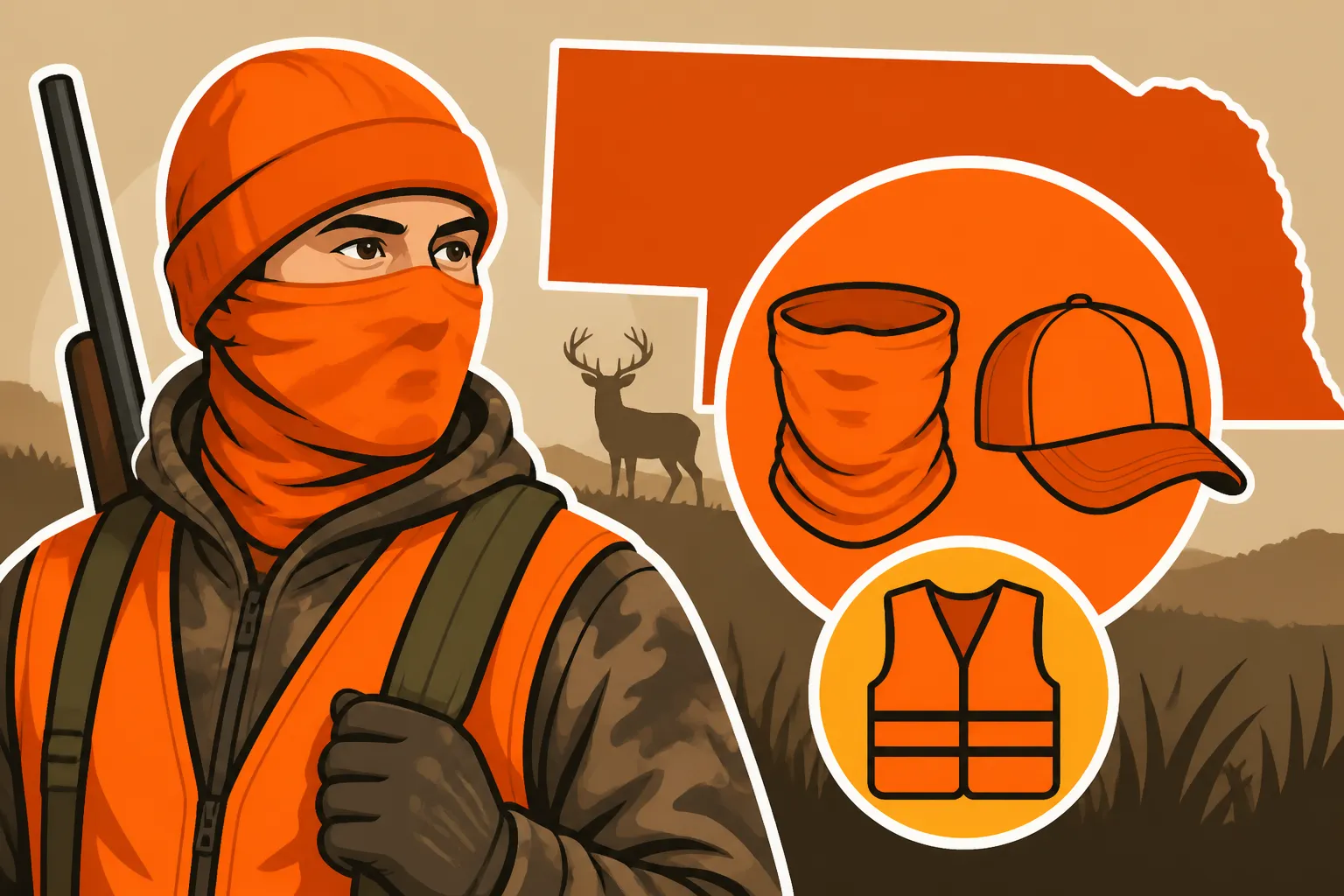
The good news is that manufacturers understand this challenge, and there are practical ways to satisfy both your need for concealment and the blaze orange requirements. The most straightforward solution is to invest in blaze orange face coverings. This could be a blaze orange balaclava that covers your entire head and neck, or a neck gaiter that can be pulled up over your face as needed. Many companies also offer camouflage patterns that incorporate blaze orange, providing a blend of visibility and pattern disruption. For example, a neck gaiter with an orange base and camo patterns layered over it can be effective. When considering your total 400 square inches of orange, a blaze orange hat (covering your head) combined with a blaze orange vest (covering your chest and back) and an orange neck gaiter can easily meet the requirement. This allows you to maintain visibility to other hunters while still minimizing the starkness of solid orange against your face. You might find that a high-quality orange gaiter can be pulled up when other hunters are nearby and dropped around your neck when you’re in an isolated spot, allowing for flexibility. Many hunters use scouting tools like GoHunt to understand terrain before they even pack their bags, which can inform their gear choices, including whether a fully camouflaged or an orange-blended face covering is most appropriate for a given stand or stalk, especially when factoring in the required Orange Requirements for Archers in November.
Common Misconceptions and Legalities
It's easy to fall into traps of assumptions when it comes to hunting regulations. One common misconception is that simply having a blaze orange vest in your pack is sufficient. It's not. The rule specifies that the orange material must be worn and visible from all directions (front, back, and sides). So, a vest stowed away won't count. Another point of confusion often revolves around what counts towards the 400 square inches. Yes, your blaze orange hat absolutely counts towards the head coverage, and can be a significant contributor to your total. The intention is to ensure that a hunter is easily identifiable as a human, not mistaken for game, from a distance by other hunters. Failure to comply with these blaze orange requirements can lead to citations, which carry fines and could impact your hunting privileges in the future. It's not worth the risk, both for your wallet and, more importantly, for your safety. Always make it a habit to review the most current Nebraska hunting regulations guide each year, as rules can sometimes be updated or clarified. Understanding the nuances, like those detailed in Nebraska's 400-Square-Inch Orange Rule, is crucial for a lawful and safe hunt.
Strategic Gear Choices for Nebraska Hunters
Making smart gear choices can make all the difference in achieving both safety and success in the field, especially when juggling visibility requirements with the need for stealth.
Combining Safety with Hunting Effectiveness
The challenge of balancing safety and effectiveness is real, especially for bowhunters. During Nebraska's November firearm season, when blaze orange is mandated for all deer hunters, an archery hunter needs to figure out how to be visible to others while still being able to draw their bow undetected. This often means carefully selecting gear that integrates orange without creating too much bulk or inhibiting movement. Opt for items that are lightweight, quiet, and don't interfere with your bowstring or anchor points. For example, a slim, well-fitting blaze orange vest or jacket that allows for a full range of motion is paramount. A blaze orange cap or beanie is also a key piece, as it covers your head without interfering with a bow draw. The goal isn't just to wear orange, but to wear it effectively for both safety and the hunt itself. High-quality blaze orange garments are designed with hunters in mind, often featuring quiet fabrics and thoughtful cuts. When planning your gear, platforms like GoHunt can help you overlay public land maps with seasonal hunting regulations, making it easier to ensure your blaze orange strategy aligns with specific area rules, particularly in complex situations like Bowhunting Through the November Firearm Season.
Essential Blaze Orange Items Beyond the Vest
While the blaze orange vest is the workhorse of visibility, it’s not the only piece of gear that can contribute to your 400 square inches of required coverage. Thinking creatively about your orange attire can help you reach the minimum without feeling like a giant pumpkin. A blaze orange hat or beanie is often the first thing hunters grab, and for good reason—it’s simple, effective, and fulfills a portion of the head coverage. Beyond that, consider a blaze orange neck gaiter or balaclava, which not only adds to your orange total but also provides warmth and breaks up your facial outline. Some hunters even utilize blaze orange backpack covers, which are fantastic for adding visibility from the rear, especially when you're walking out with a pack full of gear or, hopefully, game. Even gloves with blaze orange accents can add a small but helpful contribution. The key is to think about these items as building blocks that collectively meet the 400-square-inch requirement while offering versatility in various hunting scenarios. It's always smart to double-check the latest regulations directly from sources like GoHunt's state-specific guides, as rules for items like backpack covers counting towards your total orange square inches can sometimes have nuances.
Here's a quick look at how various items can help you reach that 400-square-inch mark:
| Item | Typical Area Covered (sq. inches) | Notes |
|---|---|---|
| Blaze Orange Vest | 300-500 | The most common and effective way to cover torso requirements. |
| Blaze Orange Hat/Beanie | 50-100 | Essential for head visibility, easily combined with a vest for compliance. |
| Blaze Orange Balaclava | 70-150 | Excellent for cold weather and when face concealment is desired alongside orange requirements. |
| Blaze Orange Neck Gaiter | 60-120 | Versatile; can be pulled up over the face or worn around the neck, adding to total visible orange. |
| Blaze Orange Backpack Cover | 150-300 | Great for adding rear visibility, especially when carrying a large pack that might obscure other orange. |
| Blaze Orange Gloves | 20-50 (pair) | Smaller contribution, but every bit helps to reach the total; ensures visibility on hands. |
Staying Informed and Safe in Nebraska
Hunting is a privilege that comes with responsibilities, and staying informed about regulations is one of the most important.
Where to Find the Latest Regulations
Hunting regulations are not static; they are dynamic documents that can change from year to year based on wildlife population data, management goals, and public safety considerations. Relying on outdated information, or "what your buddy told you," is a recipe for trouble. The single best source for the most current and accurate information regarding Nebraska's hunting regulations, including all details on blaze orange and face covering requirements, is the official Nebraska Game and Parks Commission website and their annual hunting guides. These guides are available both online and often in print at license vendors across the state. Take the time to read through them every single year before the season starts. While resources like GoHunt offer fantastic tools for mapping and planning, and often compile regulatory information, you should always cross-reference with the official state publications to ensure you have the absolute latest and most authoritative rules. This vigilance ensures you're always in compliance, whether you're navigating Nebraska Habitat Stamp and Hunter Education requirements or confirming shooting hours.
Prioritizing Safety in Every Hunt
Ultimately, the blaze orange requirement, and all hunting regulations, boil down to one core principle: safety. While the logistical dance of wearing orange with a face covering might feel like an added hassle or an unwelcome compromise to your carefully planned concealment, it's a small price to pay for the well-being of yourself and your fellow hunters. Being a responsible hunter means not just adhering to the letter of the law, but embracing its spirit. This means actively thinking about how you can maximize your visibility during seasons where orange is required, especially in areas with significant hunting pressure. It's about exercising good judgment, being mindful of your surroundings, and doing everything you can to prevent accidents. No harvest is worth a hunter's safety, and by understanding and respecting these rules, we all contribute to a safer, more enjoyable hunting heritage in Nebraska.
Disclaimer
This article is for general informational purposes only and does not constitute professional advice. Laws, prices and regulations vary by location and change over time. Consult a qualified professional for guidance on your specific situation.