Boots for Nebraska Sandhills Walking
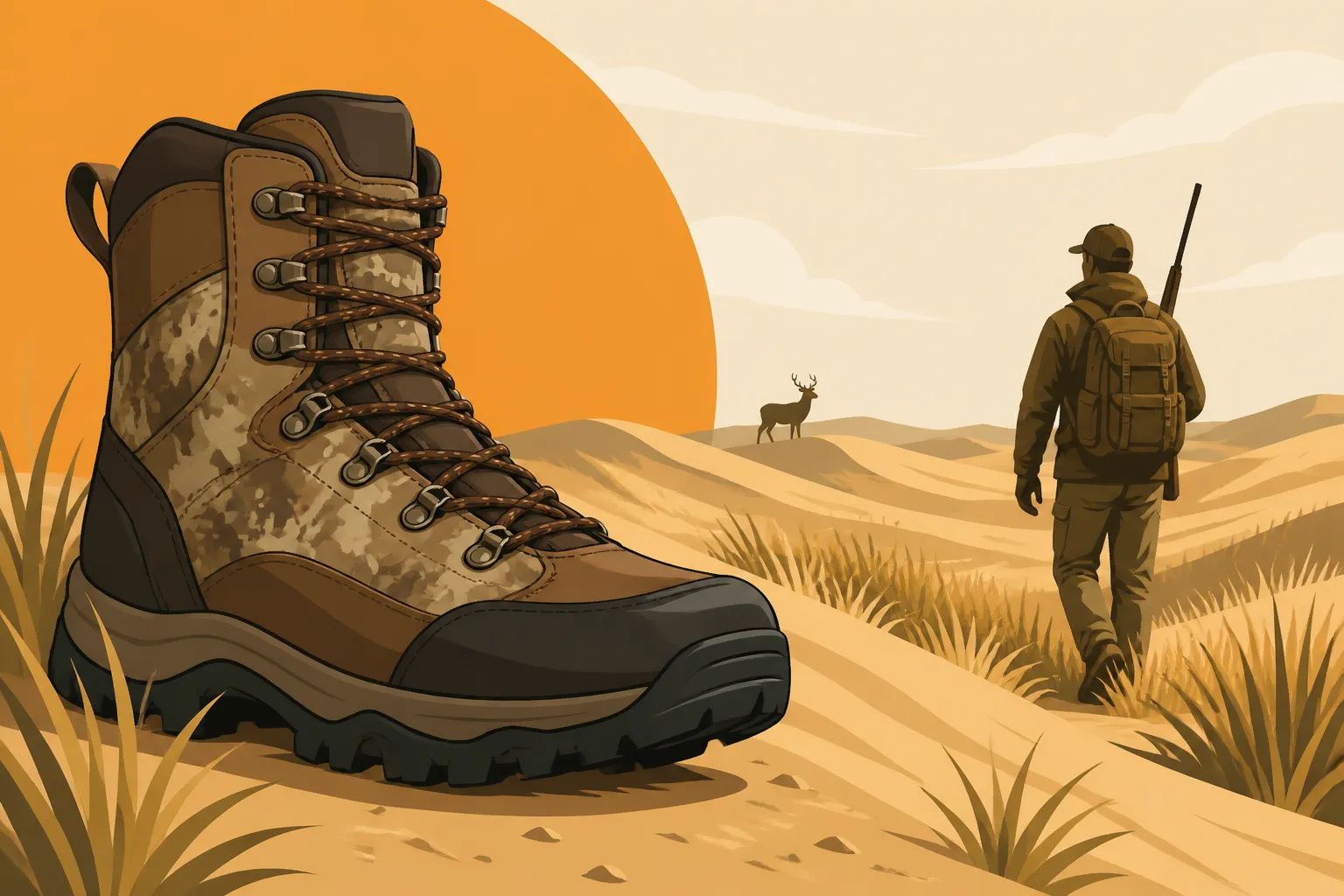
There's nothing quite like the unique challenge of hunting the Nebraska Sandhills. One minute you're trudging through soft, ankle-deep sand, the next you're navigating steep blowouts or slogging through boggy low spots. The wrong pair of boots can turn an otherwise incredible day afield into a miserable, blistered nightmare. This guide is all about helping you understand what kind of footwear truly stands up to the demands of the Sandhills, so your feet can carry you further and keep you comfortable, no matter what Nebraska throws your way.
Understanding the Sandhills Terrain and Its Demands
The Nebraska Sandhills are a marvel, an immense sea of grass-stabilized dunes that stretch for miles. But for the hunter, this beautiful landscape presents some very specific, often brutal, challenges to your footwear. It's not just a walk in the park; it's a constant test of durability, support, and weather resistance.
Sand, Grass, and Blowouts: The Constant Grind
Imagine stepping out of your truck, the crisp morning air hitting your face, and immediately sinking an inch or two into soft, fine sand. This isn't your typical forest floor. The Sandhills are, well, sandy. This abrasive terrain acts like sandpaper on your boot materials and can quickly wear down flimsy construction. Every step is an effort, and the constant shifting sand inside your boot can lead to painful chafing and blisters if you're not properly prepared. The tall, often tough prairie grasses, while beautiful, are also home to countless burrs and stickers that will latch onto any exposed fabric, trying to work their way into your socks. Then you have the blowouts – those dramatic, bowl-shaped depressions where the wind has scoured away the vegetation, exposing raw, loose sand. Descending into one means a controlled slide, and climbing out is often a two-steps-forward, one-step-back ordeal. Your boots need to grip, flex, and protect your feet from the constant movement and abrasion.
The combination of loose sand and tough grass means your boots are constantly being put to the test. A thin-soled boot might feel light initially, but after a few hours of walking over unseen roots and uneven ground hidden by the prairie, your feet will be screaming. The flexibility in the upper needs to be there for natural movement, but without compromising the stability crucial for preventing ankle rolls on unpredictable slopes. For hunters covering significant ground, especially when chasing antelope or mule deer across this expansive landscape, every ounce of protection and support from your boots is paramount. Glassing Sandhills Blowouts for Mule Deer often means covering varied terrain, from relatively flat grasslands to the treacherous slopes of these natural depressions, making reliable footwear non-negotiable.
Water Crossings and Mud: Unexpected Wet Challenges
While the Sandhills are famous for their dry, rolling dunes, they're also dotted with numerous shallow lakes, marshes, and spring-fed bogs that can pop up unexpectedly. These aren't just quaint features; they're essential watering holes for wildlife and can present significant obstacles for hunters. Crossing a seemingly dry low spot can quickly turn into slogging through calf-deep mud or icy water, especially during early spring or late fall hunts when water levels might be higher or recent rains have turned low-lying areas into quagmires.
A hunter unprepared for these wet conditions might find their feet soaked and miserable, leading to rapid heat loss in colder weather or an increased risk of blisters. Even seemingly small puddles can be surprisingly deep and extend further than they appear. If you're Tracking a Deer in Sandhills Grass through a marshy area, waterproof integrity becomes as critical as ankle support. The boot's construction needs to ensure that water stays out, but also that mud doesn't pack into the tread, turning your reliable traction into slippery platforms. This dual challenge of abrasion and moisture means a robust, well-designed boot is truly your best friend in the Sandhills.
Key Boot Features for Sandhills Hunting Success
Given the unique demands of the Sandhills, certain boot features move from "nice to have" to "absolutely essential." Investing in quality footwear with these attributes will pay dividends in comfort, safety, and overall hunting enjoyment.
Ankle Support and Stability: Preventing Twists and Falls
The Sandhills are deceptively uneven. What looks like a gentle slope from a distance can be a mosaic of badger holes, unseen cattle tracks, and sudden drops hidden by tall grasses. Navigating this kind of terrain with a pack or a harvested animal requires exceptional ankle support. A boot with a high, stiff ankle collar and a robust lacing system helps to stabilize your foot and ankle, significantly reducing the risk of a sprain or twist.
Think about those moments when you step into a hidden depression or off a crumbling edge of a blowout. Without adequate support, your ankle could roll, potentially ending your hunt or worse, leaving you stranded. Quality Sandhills boots will often feature a mid-to-high cut, wrapping securely around the ankle. The stiffness shouldn't be so rigid that it restricts natural movement, but it needs to provide a firm hug, especially laterally. A well-designed lacing system, often with hooks and eyelets, allows for a custom, secure fit that won't loosen as you put in the miles. This kind of stability is non-negotiable when you're navigating the unpredictable footing of the Sandhills, whether you're hunting pheasants or stalking a big mule deer.
Waterproofing and Breathability: The Comfort Equation
As we discussed, the Sandhills aren't always dry. Standing water, dew-soaked grass, and unexpected bogs mean your boots absolutely must be waterproof. Modern waterproof membranes, often Gore-Tex or similar proprietary technologies, are designed to create a barrier that prevents external moisture from entering while allowing internal moisture (sweat vapor) to escape. This combination is crucial for keeping your feet dry and comfortable.
A boot that keeps water out but traps sweat in is almost as bad as one that leaks. Sweaty feet are prone to blisters, even in dry conditions, and can quickly become cold in cooler weather. Breathability, therefore, is key. Look for boots that explicitly mention waterproof-breathable membranes. While no boot is 100% breathable in all conditions, good designs strike a balance that allows your feet to manage moisture. It’s a delicate dance, but when you're walking all day, sometimes covering ground in unexpected rain or early morning fog, you'll be glad for a boot that masters it. Imagine you've been working hard, maybe on a long stalk or walking endless miles of prairie, and then you hit a wet area; that waterproof barrier is what stands between you and cold, squishy feet, ensuring you can keep going.
Outsole Traction and Durability: Gripping the Shifting Sands
The outsole of your boot is your direct connection to the ground, and in the Sandhills, that ground can be incredibly varied. You need lugs that can dig into loose sand for traction on climbs and descents, but also shed mud easily when you hit a wet spot. Durability is equally important, as the abrasive sand will chew through soft rubber compounds quickly.
Look for outsoles with aggressive, multi-directional lug patterns. These "teeth" on the bottom of your boot provide purchase on soft ground, preventing slips and helping you maintain balance. A good heel brake is also important for controlling descents down steep blowouts. The rubber compound itself needs to be tough enough to withstand constant abrasion from sand and rocks without wearing down prematurely. Manufacturers often use proprietary rubber blends designed for specific types of terrain. Vibram soles, for example, are renowned for their durability and grip. For the Sandhills, avoid soles with shallow, tightly packed lugs, as these will quickly clog with mud and offer minimal grip on loose sand. You want something that bites, cleans itself, and lasts, because you'll be putting a lot of miles on them in some of the most challenging walking terrain imaginable.
Different Boot Types and When to Use Them in Nebraska
Just like you wouldn't use the same rifle for elk as you would for squirrels, different boot types excel in different Sandhills conditions. Matching your footwear to the season and anticipated terrain is a smart move that can greatly enhance your hunting experience.
Lightweight Hikers for Early Season Hunts
When Nebraska's archery season opens in September, or during early pheasant and grouse seasons, the weather can still be quite warm. Hauling heavy, insulated boots through hot sand and tall grass is a recipe for sweaty feet, blisters, and exhaustion. This is where lightweight, uninsulated hiking boots shine. These boots prioritize breathability and reduced weight, making them ideal for covering long distances in mild to warm conditions.
While lighter, they shouldn't skimp on the essential Sandhills features: good ankle support, a reliable waterproof-breathable membrane, and an aggressive outsole are still critical. The "lightweight" aspect primarily comes from less insulation and often more flexible materials in the upper. They might not have the rock-solid stiffness of a heavy mountain boot, but they offer enough support for typical Sandhills hiking while keeping your feet cooler. Just be mindful of how early season rain or an unexpected cold snap could change conditions, and consider a slightly more robust option if you anticipate colder temps or significant moisture. For high-mileage days chasing Prairie Grouse Hunting on Nebraska's Open Range or spot-and-stalk archery antelope during the warmer months, these boots are often the most comfortable choice.
Insulated Boots for Late Fall and Winter Pursuits
Once those crisp fall mornings turn into truly cold days and the Sandhills start seeing frost, then snow, your priorities shift dramatically. Keeping your feet warm becomes paramount. Insulated hunting boots are designed to do just that, typically incorporating layers of synthetic insulation (measured in grams, e.g., 400g, 800g, 1200g) to trap heat. The amount of insulation you need depends on how cold it gets and how active you plan to be.
For a stationary sit in a ground blind during late muzzleloader season, you'll want more insulation than for actively walking miles during a late-season pheasant hunt. The key is to balance warmth with bulk and weight. Too much insulation can make a boot clunky and lead to sweaty feet if you're working hard. Too little, and your toes will be numb. A good starting point for active cold-weather hunting might be 400-800 grams of insulation, while stationary hunting in severe cold might call for 1000 grams or more. Remember, cold weather often means snow and ice, so a durable, aggressive outsole with good grip is still absolutely critical. Keeping your feet warm allows you to stay out longer and focus on the hunt, rather than shivering your way back to the truck. This is especially true for Muzzleloader Deer Hunting in Nebraska in December when temperatures can plummet.
Rubber Boots for Wet Conditions: Mud and Water Aren't a Problem
When the Sandhills turn truly wet – after heavy rains, during early spring thaws, or in areas with consistent shallow water and mud – a pair of quality rubber boots can be your best friend. Traditional leather or synthetic hiking boots, even with waterproof membranes, can eventually become saturated on the exterior, become heavier, and take longer to dry if exposed to prolonged standing water or deep mud. Rubber boots, on the other hand, are inherently waterproof up to their height.
These boots are fantastic for navigating muddy trails, crossing shallow creeks, or setting up in marshy areas for waterfowl. Many models now come with insulation, making them suitable for cold, wet conditions. The downside can be breathability; rubber doesn't breathe as well as membrane-lined synthetic boots, so sweat can build up. However, for situations where you anticipate constant exposure to water and mud, they are unbeatable. Look for models with good arch support and an aggressive, self-cleaning lug pattern on the sole to handle slick, muddy conditions. If you're hunting in the low-lying areas or around the numerous ponds and wetlands, having a pair of reliable rubber boots, perhaps even hip waders, can open up a lot more accessible hunting ground.
Fit and Comfort: The Unsung Heroes of a Successful Hunt
You can have the most expensive, feature-packed boots on the market, but if they don't fit well or aren't comfortable, they're worse than useless. Poor fit is the primary cause of blisters, sore feet, and ultimately, a shortened or ruined hunt. This is where patience and attention to detail truly pay off.
Sizing and Break-in Period: Your Feet Will Thank You
Getting the right size is paramount, and it's not always as simple as your street shoe size. Your hunting boots need to accommodate thicker socks, and your feet will swell slightly over a long day of walking. It's often recommended to try on boots in the afternoon or evening when your feet are slightly swollen, and with the exact socks you plan to wear while hunting. Pay close attention to heel slip (a little is okay, a lot is not), toe room (you should be able to wiggle your toes, but not have your foot slide forward and hit the front), and overall snugness without being tight.
Once you've found a pair that seems to fit, don't expect them to be trail-ready immediately. Most quality hunting boots, especially those with leather components, require a break-in period. This means wearing them around the house, then for short walks, gradually increasing the distance and difficulty of terrain. Rushing the break-in process almost guarantees blisters. Take the time to soften the materials, mold them to your feet, and allow your feet to adapt to the boots. This could take weeks, so plan accordingly, well before opening day. When using resources like GoHunt to plan your scouting trips, remember to factor in ample time for boot break-in before those long treks.
Sock Selection and Blister Prevention: The Often-Overlooked Detail
Good socks are just as important as good boots, and together they form your foot's defense system against discomfort. Cotton socks are an absolute no-go for hunting. They absorb moisture and hold it against your skin, creating a perfect environment for blisters and cold feet. Instead, invest in high-quality wool or synthetic blend socks.
Wool (especially Merino) is fantastic because it wicks moisture away from your skin, regulates temperature, and retains warmth even when damp. Synthetic blends offer similar moisture-wicking properties and can be very durable. Consider wearing a thin liner sock made of silk or synthetic material directly against your skin, underneath a thicker wool or synthetic outer sock. The liner sock helps to wick moisture and reduces friction between your foot and the outer sock, further preventing blisters. Ensure your socks fit well – no bunching, no slipping. Having a couple of fresh pairs to change into during a long day or for multi-day hunts can also make a huge difference in foot health and morale. Water and Heat Risk for Bird Dogs reminds us that even our canine companions need care, and for us, that extends directly to our feet!
Maintenance and Longevity: Protecting Your Investment
A good pair of Sandhills hunting boots can be a significant investment, both in terms of money and the comfort they provide. Proper care and maintenance are essential to ensure they last for many seasons and continue to perform at their best. Neglecting your boots can drastically shorten their lifespan and compromise their waterproof integrity.
Cleaning and Drying: The Daily Ritual
After every hunt, especially in the Sandhills, your boots will be covered in dust, sand, mud, and possibly burrs. Resist the urge to just toss them in the corner until next time. Take a few minutes to clean them. Use a stiff brush to remove loose dirt and sand from the exterior and the outsole. If they're muddy, rinse them with water, taking care not to fully submerge them if they're not explicitly designed for it.
The most critical step after cleaning, especially if your boots got wet, is proper drying. Never dry your boots with direct heat, like a campfire, radiator, or direct sunlight. High heat can damage waterproofing membranes, delaminate glues, and crack leather. Instead, remove the insoles and open the boots up as much as possible. Stuff them loosely with newspaper or paper towels, which will absorb moisture. Change the paper every few hours until they are dry. Boot dryers with gentle, circulating air are also an excellent investment. Proper drying prevents mildew, odor, and material breakdown, ensuring your boots are ready for your next adventure.
Resoling or Replacing: Knowing When It's Time
Even the most durable boots won't last forever. The outsole is usually the first component to wear out, especially with the abrasive nature of Sandhills terrain. Many high-quality hunting boots are designed to be resoleable. If the uppers, ankle support, and waterproofing membrane are still in good condition, but the tread is worn smooth, taking them to a reputable cobbler for a resole can give them a whole new lease on life at a fraction of the cost of a new pair.
However, there comes a point where even a resole isn't enough, or the cost outweighs the benefit. If the uppers are cracked, torn, or constantly leaking despite waterproofing treatments, if the ankle support has broken down, or if the overall structure of the boot feels compromised, it's time to retire them. Continuing to hunt in worn-out boots not only compromises your comfort but also your safety, increasing the risk of injury. Regularly inspect your boots for signs of wear and tear, and make an honest assessment. Sometimes, buying a new pair is the safest and most practical decision for serious hunters. When you're planning your next hunt using tools like GoHunt and thinking about the miles you'll cover, consider if your current boots are truly up to the task.
| Boot Type | Primary Use Case (Sandhills) | Key Advantages | Potential Disadvantages | Ideal Season/Conditions |
|---|---|---|---|---|
| Lightweight Hikers | High-mileage walking, active hunts | Breathable, less fatigue, agile | Less insulation, potentially less support | Early Fall (Warm/Mild), Dry Conditions |
| Insulated Hikers/Boots | Cold weather, moderate activity | Warmth, good support, waterproof | Heavier, can be hot if overdressed | Late Fall, Winter (Cold/Snow), Moderate Wet |
| Rubber Boots | Wet, muddy, standing water | Superior waterproofing, easy to clean | Less breathable, can be heavy/clunky | Wet conditions, marshes, early spring |
Remember, your boots are an extension of your body when you're out hunting. Taking the time to choose the right pair for the Sandhills and maintaining them diligently will ensure that your feet are the least of your worries on your next adventure.
Disclaimer
This article is for general informational purposes only and does not constitute professional advice. Laws, prices and regulations vary by location and change over time. Consult a qualified professional for guidance on your specific situation.