Electronics a Nebraska Hunter Actually Needs
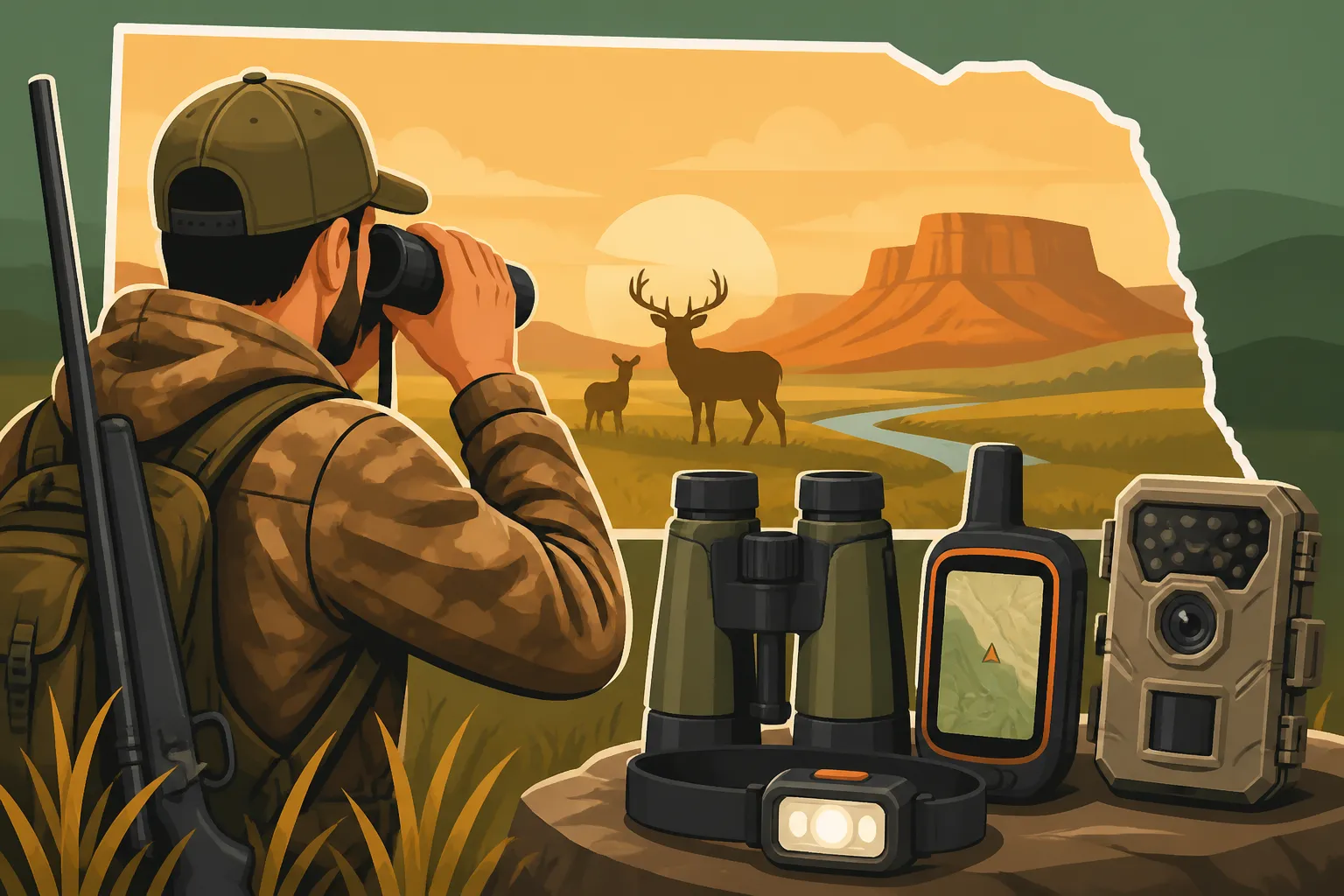
Hunting in Nebraska, whether you're chasing whitetails in the river bottoms or mule deer in the vast Sandhills, often throws unexpected challenges your way. From rapidly changing weather to navigating sprawling public lands, the modern hunter faces a lot of variables. While skill and woodsmanship remain paramount, there's no denying that smart use of electronics can significantly enhance your safety, efficiency, and ultimately, your success. This guide will help you sort through the myriad of gadgets out there and focus on the essential electronic tools every Nebraska hunter should consider.
Navigational Electronics: Your Digital Compass on the Plains
Gone are the days when a paper map and compass were your only navigational aids. While those analog tools are still absolutely vital as backups, modern electronic navigation devices have revolutionized how we find our way, understand boundaries, and plan our movements across Nebraska's diverse landscapes. Getting lost or inadvertently trespassing are real concerns, and good digital mapping can mitigate both.
Dedicated GPS Units for Reliable Tracking
There's a reason many seasoned hunters still rely on dedicated handheld GPS units. They are built for the field, often boasting rugged, waterproof designs and long battery life. Think about those chilly late-season pheasant hunts where your phone's battery might be zapped by the cold, or a sudden downpour while trying to track a deer. A standalone GPS unit, like a Garmin InReach model, is often more reliable in extreme conditions and less prone to freezing or shutting down. These devices excel at showing your exact location, marking waypoints for rubs, scrapes, or your truck, and tracking your path in real-time, even in areas with no cell service. They are often simpler to operate with physical buttons when your fingers are numb, and their screens are typically designed for direct sunlight visibility.
However, dedicated units can be pricey, and their maps might not always be as detailed or up-to-date as some of the subscription-based smartphone applications. They require you to download maps in advance, which can be a learning curve for new users. For the hunter who frequents truly remote parts of the state, perhaps deep within the Oglala National Grassland or far into the Sandhills, the robust reliability and dedicated satellite signal of a good GPS unit provide peace of mind that a phone simply can't match. Having your hunt saved on a device specifically designed for it also means your phone remains free for calls or other necessities.
Smartphone Apps for Detailed Mapping
For many hunters, a smartphone with a robust mapping application has become the primary navigational tool. Apps like OnX Hunt, BaseMap, and even GoHunt offer incredibly detailed aerial imagery, topographical maps, and crucial land ownership data, often color-coded to distinguish public from private ground. This feature alone is invaluable in Nebraska, where Reading the Nebraska Public Access Atlas is essential, and public access can be a patchwork of state lands, Open Fields and Waters tracts, and federal ground intertwined with private property. These apps allow you to see precisely where you are in relation to property lines, ensuring you respect landowner boundaries and avoid accidental trespass.
These apps also come packed with features like wind direction and historical weather data, markable waypoints for potential stand sites or game sign, and tools to measure distances. They allow you to plan routes, drop pins for parking areas, and navigate confidently. Some apps, including The Nebraska Public Access Atlas Mobile App itself, allow you to download maps for offline use, which is critical since cell service can be spotty to non-existent in many prime hunting areas, especially in the western half of the state. The convenience of having everything on a device you already carry makes them incredibly popular.
Comparing Mapping Software Features
Choosing the right mapping software, whether for a dedicated GPS or a smartphone app, comes down to personal preference and your specific hunting needs. Different platforms offer slightly different strengths. Some prioritize highly detailed parcel data, which is fantastic for Finding Nebraska Property Lines in checkerboard country. Others might have superior topographical layers for judging elevation changes when you're hunting the bluffs of the Pine Ridge or a Sandhills basin.
A major consideration is the subscription model. Many of the premium hunting apps operate on an annual subscription, which grants you access to updated maps and features. This is often well worth the cost for the amount of information they provide, especially for out-of-state hunters trying to maximize their time afield. When evaluating options, consider factors like ease of use, ability to download offline maps, battery drain on your device, and the richness of their base map layers. Look for apps that integrate things like shooting hours, sunrise/sunset times, and even historical satellite imagery to help identify changing habitat or water sources, adding another layer of strategic planning to your hunt.
Communication Devices: Staying Connected (and Safe)
Hunting, especially alone or in remote areas, carries inherent risks. A twisted ankle, a sudden change in weather, or an unexpected encounter can turn a great day into a dangerous situation quickly. Having a reliable way to communicate, both with your hunting partners and with emergency services, is not just a convenience—it's a critical safety measure.
Two-Way Radios for Group Coordination
When hunting with a group, whether it's a deer drive on small timber or Two-Person Deer Drives on Small Timber, or a large party pushing pheasants through a cornfield, two-way radios are indispensable. Cell phones are great, but service can be unreliable, and fumbling with a phone call is much less efficient than a quick radio squawk. Radios allow for instant communication, coordinating movements, relaying sightings, and checking in on each other without draining phone batteries or relying on cell towers.
Family Radio Service (FRS) and General Mobile Radio Service (GMRS) radios are popular choices for hunters. FRS radios are license-free and generally have a range of a mile or two in open terrain, though that drops significantly in thick cover. GMRS radios require a simple, inexpensive license but offer more power and range, often up to several miles. The key is to test your radios in similar terrain before your hunt to understand their real-world capabilities. Imagine trying to coordinate a block on a pheasant field without radios—it's a chaotic mess. Being able to quickly say "Bird's out left side!" or "Hold up, I see a deer!" can make all the difference.
Satellite Communicators for Off-Grid Safety
For serious adventurers who venture into the truly remote corners of Nebraska where cell service is non-existent—think far out in the Sandhills or deep in some of the less-traveled public lands along the Niobrara River—a satellite communicator is a non-negotiable piece of gear. Devices like the Garmin InReach or the Zoleo Satellite Communicator use satellite networks to send and receive text messages, track your location, and most importantly, send an SOS signal to a 24/7 emergency monitoring center.
These devices aren't cheap, and they require a monthly or annual subscription, but the peace of mind they provide is priceless. In a true emergency, being able to hit a button and know help is on the way, regardless of where you are, is worth every penny. Beyond emergencies, they allow you to check in with loved ones, send updates on your hunt, or receive important messages when you're completely off the grid. This means you don't have to cut your trip short just to find a signal, allowing you to fully immerse yourself in the hunting experience while maintaining a critical safety link to the outside world.
Cell Phones and Their Limitations
Your smartphone is undoubtedly a powerful tool, combining mapping, communication, and a camera into one device. However, relying solely on it for critical communication in the field is a gamble in many parts of Nebraska. As mentioned, cell service can be incredibly spotty or completely absent, especially once you get away from major highways and towns. Batteries can also die quickly in cold weather or with heavy use of GPS features.
Despite these limitations, your phone remains crucial. It's your primary contact with the outside world when you do have service, your camera for capturing memories, and it can store important documents like your hunting permits. Always ensure your phone is fully charged before heading out and consider putting it in airplane mode to conserve battery life when you're not actively using its cellular functions. Carrying a Power Banks for Long Days Afield is also a smart move to keep it topped off. Use it smartly, but don't assume it will always be there for you when the chips are down.
Trail Cameras: Eyes in the Woods (and on the Prairie)
Trail cameras have become an indispensable scouting tool for many Nebraska hunters. They offer a window into the secretive lives of deer, turkeys, and other game, helping you understand their patterns, travel routes, and when they are most active. This information can dramatically increase your chances of success, especially on pressured public ground or when trying to figure out a new piece of property.
Cellular vs. Standard Trail Cameras
The biggest debate in trail cameras today is between cellular models and traditional SD card cameras. Cellular cameras, as the name suggests, send images or videos directly to your phone or computer via a cellular network. This means you can get real-time intel from your hunting spot without having to physically visit the camera, which reduces human pressure on a deer's bedding area or a turkey's strutting ground. This is especially useful for hunters who live far from their hunting grounds or want to avoid disturbing a prime spot. Brands like Tactacam or Moultrie Mobile offer robust cellular options.
Traditional trail cameras store images on an SD card, requiring you to physically retrieve the card to view the photos. While this means more trips into your hunting area, they are generally less expensive, don't require a monthly data plan, and don't rely on cell service. For hunters with accessible properties or those who prefer a more hands-on scouting approach, a good standard camera can still provide excellent value. They are also often easier to set up and troubleshoot. The choice often comes down to budget, access to cell service at your camera location, and how often you want to check your cameras.
Strategic Placement for Scouting Success
Simply hanging a trail camera on the first tree you see is unlikely to yield useful results. Strategic placement is key. Think about natural funnels, pinch points, food sources, and travel corridors. Along a fenceline with a deer trail, at the edge of a standing cornfield, or near a reliable water source are all prime locations. When considering Where Cameras Help on Pressured Ground, aim for areas that offer natural cover for the camera itself, blending it into the environment to avoid theft or spooking game. Face your camera north or south to avoid direct sunlight hitting the lens at sunrise or sunset, which can lead to washed-out images.
Consider the angle and height. For deer, chest height is generally good. For turkeys, lower to the ground might be better. Angle the camera so it covers a good swath of the travel route, rather than just a narrow lane. Using features like time-lapse mode can be great for open areas to get a broad overview of activity throughout the day, while video mode can help you identify specific bucks or determine if a deer has an injury. GoHunt often features articles and tools that emphasize effective scouting techniques, and trail camera placement is always a hot topic among successful hunters.
Rules and Ethics of Camera Use
Before you deploy any trail camera, especially on public land, familiarize yourself with the local regulations. Rules regarding trail cameras vary widely by state and even by specific wildlife management areas. Some states have restrictions on cellular camera use, or even on leaving cameras unattended for extended periods. On private land, always obtain explicit permission from the landowner before placing a camera.
Ethically, consider the impact your cameras have. While they are a great scouting tool, constantly checking cameras, especially during the season, can pressure game. Use them wisely and respect the animals' space. Also, be mindful of where your camera is pointing—avoid capturing images of people or private property without consent. The goal is to gather information to improve your hunt, not to infringe on others' privacy or disturb the natural environment. Responsible camera use is part of being a good steward of the land and the game.
Power Management: Keeping Your Tech Alive
Modern hunting relies heavily on electronics, and electronics rely on power. Nothing is more frustrating than having your GPS die when you're deep in the timber, or your phone go dead right when you need to check the wind. Effective power management is crucial for any successful hunt, especially when you're away from an electrical outlet for extended periods.
Portable Power Banks for On-the-Go Charging
A high-capacity portable power bank is arguably one of the most essential electronic accessories for any hunter. These devices are basically large, portable batteries that can recharge your smartphone, GPS unit, headlamp, or even some trail camera battery packs multiple times. Look for power banks with a high mAh (milliampere-hour) rating, generally 10,000 mAh or more, to ensure you have enough juice for several recharges.
Consider the ruggedness of the power bank. Hunting environments are harsh—dusty, wet, and prone to drops. A durable, weather-resistant power bank will serve you much better than a flimsy one. Also, pay attention to the output ports; some offer USB-C for faster charging of newer devices. Keeping your phone charged means your mapping app is always available, and your communication lines are open. When you're out Hunting the Pine Ridge Escarpment or covering vast distances Walking Nebraska Sandhills Meadows for Sharptails, knowing you have backup power for your vital electronics is a game-changer.
Solar Chargers for Extended Trips
For truly extended backcountry trips or if you're setting up a remote camp for several days, relying solely on power banks might not be enough. This is where portable solar chargers come into play. These devices consist of foldable solar panels that can convert sunlight into electricity, allowing you to trickle-charge power banks, phones, or other small electronics.
While solar chargers aren't typically fast chargers, they offer a sustainable way to replenish your power reserves over time. They work best when laid out in direct sunlight during the day. Consider models that have built-in charge controllers to protect your devices from overcharging. The main drawback is their reliance on sunny weather—cloudy days will significantly reduce their effectiveness. However, in combination with a large power bank, they can dramatically extend your electronic independence in the field, making multi-day hunts in remote areas far more feasible without needing to trek back to the truck for a recharge.
Battery Best Practices for Cold Weather
Nebraska hunting seasons often stretch into cold, bitter weather, and batteries are notoriously finicky in the cold. Extreme temperatures can rapidly drain battery life and even cause devices to shut down unexpectedly. To combat this, always carry spare batteries for devices that use them (like headlamps or some GPS units) and keep them in an internal pocket, close to your body heat.
For smartphones and power banks, keep them as warm as possible. Store your phone in an inside jacket pocket, especially when not actively using it. When using a power bank, try to keep both the power bank and the device being charged insulated. Avoid leaving electronics exposed to the elements for extended periods. Turning off unnecessary features like Wi-Fi, Bluetooth, and background app refresh on your phone, and putting it in airplane mode when not needing cellular service, will also help conserve battery life. Planning for power is just as important as planning your shot, especially when Cold Weather Sitting Strategy is key to success.
Here's a quick comparison of common power solutions:
| Power Solution | Pros | Cons | Best Use Case |
|---|---|---|---|
| Portable Power Bank | High capacity, fast charging, compact, works anywhere | Finite charge, needs to be recharged from outlet, can be heavy | Day hunts, weekend trips, keeping phones/GPS alive |
| Solar Charger | Renewable power, ideal for extended trips, lightweight (panels) | Slow charging, weather-dependent, can be bulky (panels), less effective in low light | Multi-day remote hunts, base camp charging |
| Spare Batteries | Instant power, reliable, lighter for small devices (e.g., AA/AAA) | Specific to device, finite supply, can be forgotten | Headlamps, older GPS units, small electronics backup |
| Vehicle Charger | Unlimited power from vehicle, can charge multiple devices simultaneously | Requires proximity to vehicle, drains vehicle battery if not running, not portable for field use | Charging gear before/after hunt, camp charging |
Weather & Wind Tracking: The Unseen Influences
Understanding the weather and, critically, the wind, can make or break a hunt in Nebraska. Wind direction dictates scent dispersal, animal movement, and even your shot placement. Rapidly changing weather, from sudden blizzards to intense thunderstorms, can also create dangerous conditions. Having electronic tools to track these elements provides a significant advantage.
Handheld Anemometers and Weather Apps
For pinpoint accuracy, especially when setting up for a shot or determining scent dispersal, a handheld anemometer can be incredibly useful. These small devices measure wind speed and, often, temperature. Knowing the exact wind speed helps in judging bullet drop or arrow drift, particularly important when taking Rifle Ranges Realistic in Open Country shots on pronghorn or mule deer in the vast open plains. This is an advanced piece of gear, but for the precision-minded hunter, it adds another layer of data.
For broader weather patterns and forecasts, weather apps on your smartphone are invaluable. Look for apps that provide detailed hourly forecasts, radar maps, and specific wind direction predictions. Some hunting-specific apps, including GoHunt, integrate weather directly into their platforms, showing how wind shifts might affect your stand choice or animal movement. However, always be aware that forecasts can change rapidly, especially in Nebraska. Use these tools to make informed decisions about your day, but always be prepared for the unexpected.
Understanding Thermals and Wind Shifts
While weather apps predict general wind, understanding local thermals—air currents influenced by heating and cooling terrain—is critical, particularly in varied topography like the Pine Ridge or river valleys. Electronics can help you gather data, but true mastery comes from observation and experience. As the sun rises and heats slopes, air moves uphill (updrafts); as it sets and the ground cools, air moves downhill (downdrafts). These thermals can completely override prevailing winds, carrying your scent into areas you thought were safe.
Monitoring wind direction using a simple puffer bottle or milkweed seeds, in conjunction with a weather app, helps you piece together the real-time conditions. Recognizing when a thermal is starting to pull your scent uphill, or when it’s reversing and pushing it down into a creek bottom, allows you to adjust your approach or stand location. This is especially vital when Wind Direction on Open Nebraska Prairie Stands can vary significantly even over short distances due to subtle terrain features. Electronics give you the broad strokes, but the nuanced reading of micro-climates is where true woodsmanship shines.
Forecasting for Multi-Day Hunts
Planning a multi-day hunting trip requires a thorough understanding of the forecast beyond just tomorrow. Many robust weather apps offer extended forecasts (7-10 days), allowing you to anticipate major weather fronts, cold snaps, or warm spells. This helps you pack appropriate clothing, plan for shifting animal behavior (e.g., deer feeding heavily before a cold front), and determine if you'll need to adjust your strategy for deep snow or torrential rain.
Pay close attention to severe weather alerts, especially for thunderstorms, blizzards, or high winds, which can pose significant safety risks. Having a reliable weather app means you can get these alerts even in remote areas if you have cell service or a satellite communicator. Understanding how different weather patterns, like a sudden drop in temperature, might affect Deep Snow and Deer Movement or Late-Season Food Sources in Nebraska is a critical aspect of strategic planning that electronics can help you with.
Specialized Optics & Ranging: Precision in the Field
In Nebraska's expansive landscapes, judging distance and identifying game at long range is often part of the hunt. This is particularly true for open country pursuits like hunting mule deer, antelope, or even coyotes. Specialized electronic optics and ranging devices have become indispensable for precision and ethical shot placement.
Rangefinders: The Modern Hunter's Edge
A laser rangefinder is an absolute must-have for any hunter, especially in Nebraska's often open terrain. Estimating distances accurately is incredibly difficult, and misjudging by even 10-20 yards at longer ranges can result in a missed shot or, worse, a wounded animal. A rangefinder provides instant, precise distance measurements, taking the guesswork out of holdovers and ballistic calculations.
Look for a rangefinder that is rugged, waterproof, and offers a good maximum range (1,000+ yards is ideal for open country glassing). Many modern rangefinders also feature angle compensation, which is critical when shooting from an elevated position or at steep uphill/downhill angles, as it provides the "shoot-to" distance rather than the line-of-sight distance. This technology is vital whether you're Closing the Last Hundred Yards on Sand for a mule deer or Stalking Pronghorn Across Open Nebraska Ground. Some even integrate with ballistic apps to give you holdover recommendations directly.
Ballistic Calculators and Apps
For rifle hunters making longer shots, particularly on the windy Nebraska plains, a ballistic calculator or app on your smartphone can be a game-changer. These tools use factors like bullet type, muzzle velocity, ballistic coefficient, wind speed, temperature, and shooting angle to predict bullet drop and wind drift at various distances. This allows you to dial your scope or use your reticle's holdovers with far greater precision.
While some advanced rangefinders integrate basic ballistic solutions, dedicated apps like those from Kestrel or Applied Ballistics offer more comprehensive data and customization. You'll need to know your rifle and ammunition's specifics, and ideally, have chronographed your muzzle velocity. Combined with an accurate rangefinder and a reading from a handheld anemometer, these apps allow for highly educated shots, reducing the margin for error and promoting ethical hunting. Understanding Bullet Weight for Windy Conditions and how your chosen caliber performs is key, and a ballistic calculator quantifies that performance.
Thermal and Night Vision Considerations
Thermal and night vision devices are fascinating pieces of technology, but their legality for hunting varies significantly and is subject to strict regulations. In Nebraska, the rules around their use, especially for big game, are specific and can change. Generally, these devices are not permitted for hunting big game during legal shooting hours. However, they may be legal for certain predator hunting, like Coyote Calling on Winter Grassland, or for search and recovery efforts after legal hunting hours, under specific conditions.
Self-correction: I must avoid stating specific rules as they can change. I will frame this as a "consideration" and emphasize checking current regulations.
Thermal imaging detects heat signatures, making it incredibly effective for spotting animals in darkness, heavy cover, or even fog. Night vision intensifies ambient light. While primarily used by some for predator control or scouting (if allowed), their application in ethical big game hunting during regulated hours is very limited due to legal restrictions. Always, always check the absolute latest regulations from the Nebraska Game and Parks Commission before considering the use of thermal or night vision devices for any hunting activity. Misuse can lead to severe penalties.
Safety & Emergency Electronics: Being Prepared
Hunting often takes us into wild, unforgiving places, and even a minor incident can escalate quickly if you're unprepared. Beyond communication, there are several electronic tools that enhance your personal safety and improve your chances of a successful self-rescue or swift assistance in an emergency.
Headlamps and Hands-Free Lighting
A reliable headlamp is an absolute necessity for every hunter. Whether you're heading to your stand before dawn, tracking a deer after sunset, or breaking down an animal in the field, you'll need hands-free illumination. Trying to hold a flashlight while doing delicate tasks in the dark is a recipe for frustration and potential injury.
Look for headlamps with multiple brightness settings, a red light option (to preserve night vision and avoid spooking game), and a long battery life. Many modern headlamps are rechargeable via USB, making them easy to top off with your power bank. Consider carrying a small backup headlamp or a spare set of batteries, especially for longer trips or in cold weather. Navigating Entry and Exit Routes on Flat Farm Ground in the dark requires clear vision, and a bright, reliable headlamp ensures you can do so safely without tripping over obstacles.
Personal Locator Beacons and Satellite Messengers
While we've touched on satellite communicators for messaging, Personal Locator Beacons (PLBs) are solely emergency devices. They send a distress signal directly to rescue authorities via satellite, providing your precise location. Unlike satellite communicators that offer two-way messaging, PLBs are a one-way ticket to help, making them simpler to operate under duress. They typically have a longer battery life in emergency mode and are often more rugged.
Both PLBs and satellite messengers require activation and registration, but they offer the ultimate safety net for solo hunters or those in extremely remote areas. If you break a leg miles from the nearest road, or encounter a medical emergency, pressing that SOS button can be the difference between life and death. For anyone exploring deep into the Sandhills or the remote Pine Ridge, this level of preparedness is crucial, fitting right into a comprehensive First Aid Kits for Remote Nebraska Ground strategy.
Electronic First-Aid and Survival Tools
Beyond the major communication and navigation devices, several smaller electronic items can contribute to your survival and comfort. A small, waterproof flashlight for detailed tasks, an electronic fire starter (plasma lighter), or even a compact hand warmer (rechargeable electric models exist) can be invaluable. These aren't just luxuries; they can be critical for morale and basic survival in unexpected situations.
For instance, a plasma lighter works even in windy or wet conditions where traditional lighters might fail, making it easier to start a warming fire. Rechargeable hand warmers can provide hours of soothing heat, crucial for maintaining dexterity in cold weather, especially if you're Cold Weather Sitting Strategy in a blind or stand. While not life-saving on their own, these smaller electronic aids contribute to your overall preparedness and ability to overcome minor challenges before they become major problems.
Vehicle & Recovery Electronics: Navigating the Backroads
Nebraska's hunting grounds often require navigating unimproved roads, two-tracks, and sandy trails that can quickly turn treacherous, especially after rain or snow. Having the right electronic tools in your vehicle isn't just about getting there; it's about getting back out safely.
Off-Road Navigation and Mapping for Vehicles
Just as you use mapping apps on foot, having detailed maps for vehicle navigation in remote areas is vital. Many smartphone apps, like OnX or even Google Maps with downloaded offline areas, can show two-tracks and access points that might not be on a standard GPS. For dedicated off-roading, specialized GPS units or apps designed for overland travel can provide even greater detail, showing topographical features relevant to vehicle passage and potential obstacles.
When you're trying to locate Sandhills Two-Track Road Access or finding a path through a Wildlife Management Area, accurate vehicle-specific mapping helps prevent getting stuck or ending up on private property. These systems can help you identify legitimate public access roads versus private trails, which is crucial for respecting landowners and avoiding trouble. The ability to mark your parking spot and track your route means you can always find your way back, even if unfamiliar tracks confuse you.
Vehicle Recovery Gear and Electronic Aids
Nebraska's sandhills are notorious for swallowing vehicles that venture off established paths. Even a seemingly solid two-track can quickly turn into a soft, sandy trap. Having electronic recovery aids can be a lifesaver. While winches are mechanical, they require electrical power, and having a powerful jump starter pack is a wise investment. These portable battery packs can jump-start a dead vehicle battery without needing another vehicle, often even in sub-zero temperatures.
Additionally, consider a reliable air compressor that runs off your vehicle's 12V outlet. If you get stuck in sand, airing down your tires dramatically increases your traction. Once you're free, you'll need a compressor to reinflate them for safe road travel. Getting Stuck in Sandhills Sand is a common frustration, and these electronic tools, combined with traditional recovery gear like a shovel and traction boards, ensure you're as prepared as possible to self-rescue. A good two-way radio or satellite communicator in the vehicle also means you can call for help if all else fails.
Managing In-Vehicle Power and Charging
Your truck or SUV often serves as your primary charging station in the field. Ensure you have adequate USB charging ports, 12V outlets, or even an inverter to power standard AC devices. Having multi-port chargers and long cables is helpful for keeping multiple devices, like phones, power banks, and camera batteries, topped off while you're driving between hunting spots or during a lunch break.
Consider installing a small, dedicated auxiliary battery system if you spend a lot of time camping or running accessories with the vehicle off. This prevents draining your primary starting battery and leaves you stranded. Running a small cooler for meat care, for example, can quickly deplete a single battery. Thoughtful in-vehicle power management ensures all your essential electronics are ready when you need them, and your vehicle is always ready to take you home.
Disclaimer
This article is for general informational purposes only and does not constitute professional advice. Laws, prices and regulations vary by location and change over time. Consult a qualified professional for guidance on your specific situation.