Coolers for a Warm Nebraska Opener
There's nothing quite like the excitement of a Nebraska hunting opener. Whether it's the bow season kicking off in September, or an early teal hunt in the sweltering heat of summer, the anticipation is palpable. But let's be real, the Cornhusker State often throws us a curveball with unseasonably warm temperatures right when we're trying to get a deer, antelope, or even a handful of doves. The last thing any hunter wants is to put in all that hard work, make a clean shot, and then have their hard-earned game meat spoil before they can get it home. This guide is all about equipping you with the knowledge and strategies to ensure your harvest stays perfectly cool, no matter how hot Nebraska decides to get.
The Harsh Reality of Warm Nebraska Openers
We've all been there. You wake up on opening day, and instead of that crisp autumn air, it feels like mid-July. Nebraska's weather is notoriously unpredictable, and those early season hunts, especially for archery deer or antelope, often coincide with temperatures soaring into the 80s or even 90s. This isn't just uncomfortable for us; it's a critical threat to the quality of your wild game.
Why Early Season Heat is a Major Challenge
Imagine you've just taken a beautiful whitetail buck in early September. The sun is beaming down, and there's not a breath of wind. Your heart is still pounding, but a little voice in the back of your head is already screaming, "Get this thing cool!" The biggest challenge in warm weather is the rapid rate at which bacteria can multiply on game meat. A deer's body temperature is naturally high, and after the stress of the hunt, that core temperature can actually spike even further. If you don't quickly dissipate that heat, you're creating a perfect incubator for bacteria, leading to sour meat or outright spoilage.
The effort involved in hunting – scouting, tracking, the shot, and the recovery – is immense. To have that effort undone by something as preventable as improper cooling is incredibly frustrating. It's not just about losing the meat; it's about disrespecting the animal and the hunt itself. That’s why having a solid plan for cooling your game is just as important as having a good shot placement. You might be hunting When Nebraska's Archery Deer Season Opens and thinking about cooler temperatures, only to be met with a heat wave.
Understanding Core Temperature and Bacteria Growth
When an animal is harvested, its internal temperature is still very much alive, so to speak. For deer, that can be around 100-102 degrees Fahrenheit. To prevent spoilage, you need to get that internal temperature down to around 40 degrees Fahrenheit or lower as quickly as possible. Every minute that meat stays in the "danger zone" (between 40 and 140 degrees Fahrenheit), bacteria are multiplying exponentially. These bacteria produce toxins and enzymes that break down the meat, causing that telltale sour smell and texture.
This isn't just about the surface of the meat; it's about the deep muscle tissue. Air exposure helps cool the surface, but a thick hindquarter can retain heat for hours. This is why field dressing is the absolute first step, but often not enough on its own in warm conditions. You need a proactive approach to rapidly remove that latent body heat and prevent it from festering within the carcass or quartered meat.
Essential Cooler Features for Nebraska Hunting
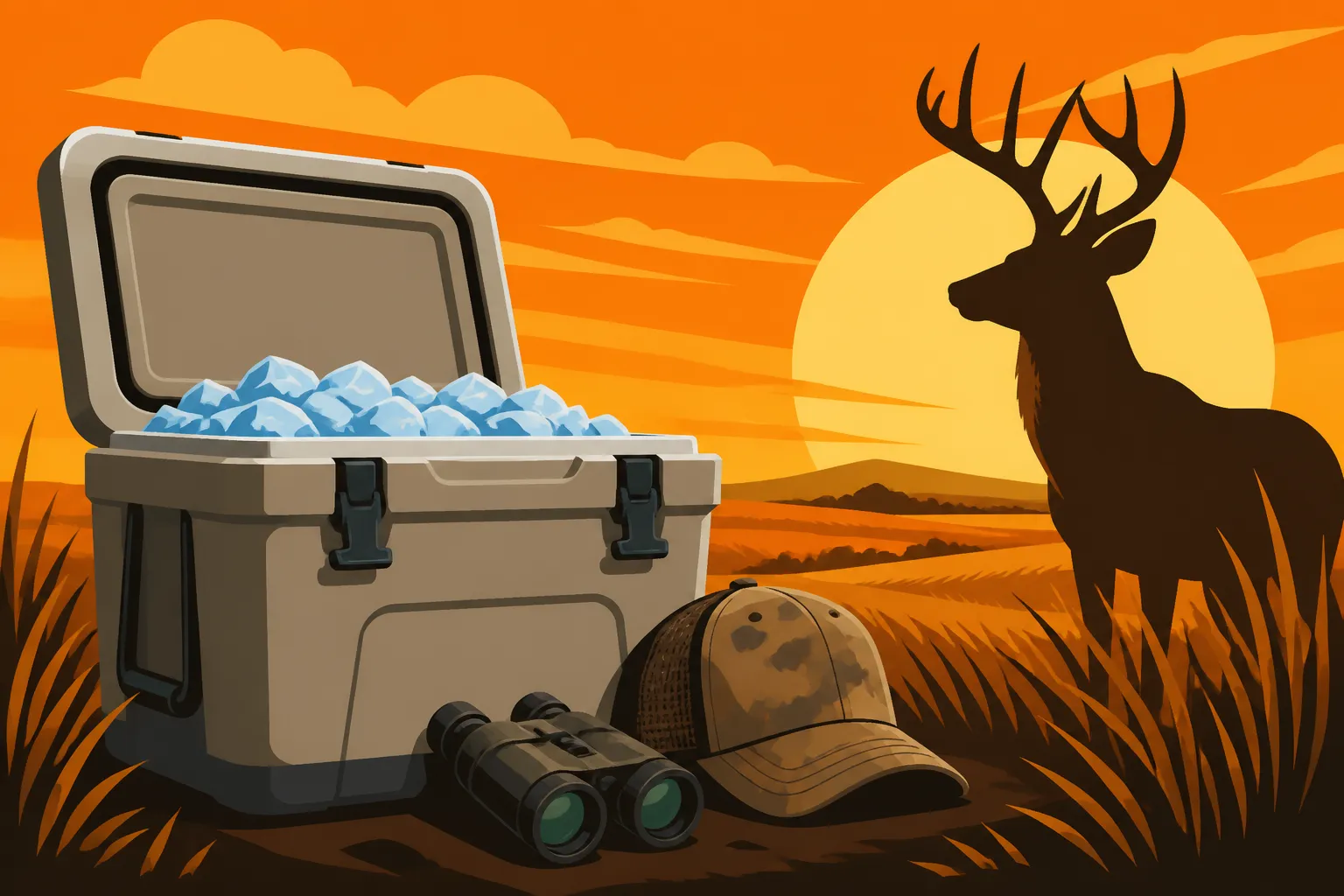
When you’re relying on a cooler to protect your meat from the Nebraska heat, you can't just grab any old picnic cooler. You need something built for the job, something that can stand up to the rigors of the field and truly lock in the cold. Investing in a quality cooler is an investment in every hunt.
Insulation is Non-Negotiable
The core function of a cooler is to keep cold in and heat out, and that comes down to insulation. You'll often hear about "rotomolded" coolers, which are made from a single, seamless piece of plastic, allowing for incredibly thick walls filled with pressure-injected foam insulation. This construction minimizes air gaps and provides superior thermal retention compared to traditional coolers. While these are often heavier and more expensive, their performance in extreme conditions is unmatched.
Look for models with dense, thick insulation in the lid, walls, and bottom. The gasket seal around the lid is also crucial. A good freezer-grade gasket will create an airtight seal, preventing cold air from escaping and warm air from seeping in. If you're researching options, sites like GoHunt often review rugged outdoor gear, including coolers, giving you insight into which brands truly excel in holding ice in tough environments. Don't compromise here; better insulation means longer ice retention and peace of mind.
Size and Portability for Field Operations
Choosing the right size is a balancing act. You need enough capacity for your expected harvest, but it also has to be manageable to transport. For a quartered deer or antelope, a 70-100 quart cooler is often a good starting point, though some hunters prefer two smaller coolers (one for each side of a deer) for easier handling and better cooling separation. For smaller game like turkeys or pheasants, a 45-65 quart cooler might suffice. Remember, the stated capacity usually assumes the cooler is empty. Once you add ice and game, that space shrinks quickly.
Consider portability. Some larger coolers come with heavy-duty wheels, which are a godsend when you're moving a full cooler over rough terrain or from your truck bed to a game processing area. Sturdy, comfortable handles are also key. When loaded with ice and meat, even a medium-sized cooler can become incredibly heavy, so reliable handles that won't pinch your hands or break are essential. Think about how you'll get it into and out of your vehicle, especially if you're hunting solo on public ground or far from easy vehicle access.
Drainage and Durability for Real-World Use
A good drain plug is more important than you might think. As ice melts, you'll accumulate water. You want a large, leak-proof drain plug that allows for quick and complete draining, making cleaning much easier. Some coolers have multiple drain plugs or plugs that can stay open a bit to vent any trapped gasses if you're transporting meat for a longer period.
Durability is paramount for hunting gear. Your cooler will be bumped, dragged, set in the dirt, and potentially even subjected to curious wildlife. Look for robust construction, reinforced hinges, and reliable latches. Stainless steel hardware is a plus, and tie-down slots are invaluable for securing the cooler in the back of a truck or ATV, preventing it from sliding around and potentially damaging itself or its contents. You want a cooler that can handle the grit and grime of a Nebraska hunting season, year after year.
Strategies for Maximizing Cooler Performance
Having a great cooler is only half the battle. How you use it makes all the difference, especially when battling the heat on a warm Nebraska opener. Every step, from preparing your cooler to packing your game, contributes to keeping that meat cool and safe.
Pre-Chilling Your Cooler and Ice Selection
This is a step many hunters skip, and it's a huge mistake. A cooler pulled from a warm garage or truck bed on a 90-degree day will actively melt ice just trying to cool its own internal temperature. The day before your hunt, or at least several hours prior, fill your cooler with sacrificial ice or frozen water bottles. Let it sit for a few hours to bring the interior down to temperature, then dump that ice and replace it with your fresh supply. This "pre-chill" significantly extends the life of your fresh ice.
When it comes to ice, block ice is your best friend. It has less surface area than cubed ice, so it melts much slower, providing sustained cooling. I often use a combination: a layer of block ice on the bottom, then cubed ice mixed with the meat, and another block on top. Frozen two-liter soda bottles or milk jugs filled with water are also fantastic. They last a long time, don't create a watery mess when they melt (just frozen water you can drink!), and can be refrozen. Consider storing your ice chest in the coolest spot possible, perhaps with a blanket or tarp over it to add insulation, even for the short trip to your hunting spot.
Field Dressing and Initial Game Preparation
The moment your game is on the ground, the clock starts ticking, especially in warm weather. The absolute priority is to get the heat out of the animal. Begin Field Dressing and Cooling Game in Warm Weather immediately. This means gutting the animal as quickly and cleanly as possible to remove the internal organs, which are a major source of heat and bacteria. If legal and practical, consider skinning the animal in the field or at least partially skinning areas like the backstraps and hindquarters. Skin is a fantastic insulator, and removing it allows for much faster cooling.
If you can, quarter the animal in the field. This breaks the carcass down into manageable pieces, allowing air to circulate around each section and speeding up the cooling process significantly. Separate the pieces and lay them on game bags or a clean tarp to allow ambient air to cool them down for a bit before packing. For smaller game like pheasants, simply opening the body cavity can help, but they typically cool faster due to their size. For deer, don't forget to remove the head and cape if you plan to get a taxidermy mount, but remember that the neck and shoulder meat still needs to be cooled.
Packing and Transporting Game for Success
Once the game is field-dressed and potentially quartered, it's time to get it into the cooler. Crucially, don't just toss the meat directly onto melting ice water. While cold, submersion can cause the meat to absorb water, which can affect its texture and flavor, and also potentially harbor bacteria. Use game bags – these breathable fabric bags protect the meat from dirt, flies, and allow air to circulate while keeping the meat dry.
Pack the meat into the pre-chilled cooler, making sure there's plenty of ice distributed around and between the pieces. Don't just layer meat on top of ice; try to create a matrix of ice and game bags. If you have blocks, place them strategically. Keep the drain plug open slightly if you want to drain meltwater regularly, which helps keep the meat dry and prevents it from sitting in a slush bath. Minimize opening the cooler lid to check on the meat. Every time you open it, warm air rushes in. For longer drives home, consider stopping for additional ice or rotating coolers if you have multiple. You can also research resources like GoHunt for gear reviews on specialized game bags and cooler accessories that aid in transport and cooling.
Different Game, Different Cooler Needs
While the core principle of rapid cooling remains the same, the practical application can vary depending on the type of game you're after in Nebraska. Each species presents its own set of considerations for optimal cooler use.
Deer and Antelope: The Big Chill
These are your big game animals, and they present the biggest challenge in warm weather. For a full-sized whitetail or mule deer, you'll need a large cooler (100+ quarts) or, more practically, two 65-75 quart coolers for quartered meat. Quartering is almost a necessity in warmer conditions. You simply can't get enough cooling into the deep muscle of a whole carcass quickly enough without a walk-in cooler. Once quartered, bag the meat, and ensure each piece is surrounded by plenty of ice. Pack some frozen jugs of water under the meat and between quarters.
Antelope, being smaller, cool faster, but their season often opens in August or early September when temperatures are notoriously high. The same principles apply: gut quickly, skin if possible, and get the meat on ice. With their smaller size, you might be able to get an entire antelope, quartered, into a single 65-quart cooler. The key for both deer and antelope is getting that body heat out. If you're Archery Antelope From a Water in Nebraska and the mercury is climbing, you know how crucial this rapid cooling truly is.
Upland Birds and Turkeys: Smaller but Still Critical
Even smaller game can spoil if mishandled in the heat. Think about a limit of pheasants on a warm November afternoon, or a spring turkey taken during a scorching May day. For upland birds like pheasants, quail, or grouse, a smaller cooler (20-45 quarts) is usually sufficient. After harvesting, open the body cavity of the bird to allow heat to escape. Some hunters will even gut their birds in the field. Placing them directly on ice or a bed of frozen water bottles is effective. If you plan to pluck your birds, doing it sooner rather than later helps dissipate heat.
Turkeys, particularly large Toms, hold a surprising amount of heat. After a successful morning of Spring Turkey Calling in Nebraska's River Corridors, get that bird opened up. You can gut a turkey in the field to start the cooling process. Place the bird, breast down, on a layer of ice in a cooler. Again, using game bags can help keep the bird cleaner. Don't underestimate how quickly bacteria can grow on a warm turkey carcass, especially if it's left whole in the sun for an extended period.
Waterfowl: Dealing with Wet Conditions
Waterfowl hunting often involves wet environments, and while ducks and geese are generally hardy, cooling is still important, especially if you plan to breast them out and save the meat. For a morning duck hunt or field goose hunt, a 45-70 quart cooler is good. The main challenge with waterfowl is that they're often retrieved from water, so they're already wet. This means you don't necessarily need to keep them dry in the cooler.
You can create an ice-water slush bath in your cooler for ducks and geese. This method rapidly cools the birds because water is an excellent conductor of heat. Simply put a layer of ice, add some water, and then place your birds in the slush. Just be sure to drain the water regularly and replenish with fresh ice to keep the temperature consistently low. For longer transport, you might switch to just ice to minimize waterlogging, but for quick cooling in the field, the slush method is very effective.
Here's a quick comparison of cooler features for Nebraska hunting:
| Feature | Budget-Friendly Cooler (Basic) | Mid-Range Cooler (Enhanced) | High-End Cooler (Premium) |
|---|---|---|---|
| Insulation | Thin walls, simple foam, short ice retention | Thicker walls, injected foam, good seals | Rotomolded, dense foam, freezer-grade gasket, exceptional ice retention |
| Durability | Flimsy hinges, prone to cracking | Robust plastic, decent latches | Reinforced hinges, heavy-duty latches, impact-resistant |
| Portability | Light, basic handles | Sturdy handles, some wheeled options | Heavy-duty wheels, comfortable grips, tie-down slots |
| Drainage | Small, leaky plug | Adequate plug, sometimes recessed | Large, leak-proof, fast-flow plug |
| Cost | Low | Moderate | High |
| Best For | Short trips, already cool temps | Day trips, smaller game, mild weather | Multi-day hunts, large game, extreme heat |
When hunting Nebraska, particularly in those early, warm seasons, having the right cooler and knowing how to use it are non-negotiable skills. Don't let the weather dictate the success of your harvest. Be prepared, be smart, and enjoy that hard-earned wild game for months to come.
Disclaimer
This article is for general informational purposes only and does not constitute professional advice. Laws, prices and regulations vary by location and change over time. Consult a qualified professional for guidance on your specific situation.