Walking Milo and Corn Stubble for Pheasants
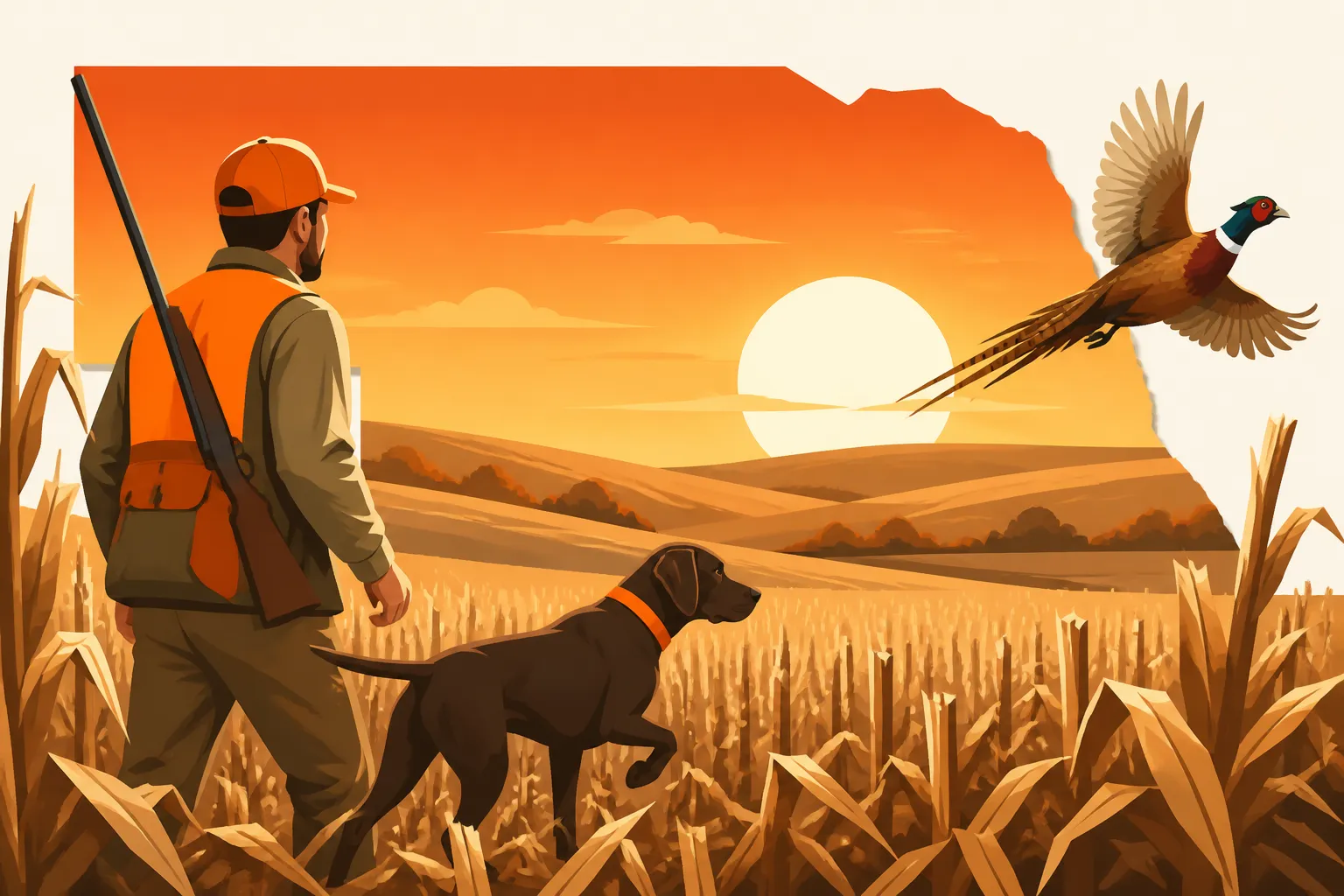
There's nothing quite like the crunch of frosted milo or corn stubble underfoot on a crisp Nebraska morning, the kind of quiet that gets shattered by the explosive flush of a ring-necked pheasant. But let's be honest, hunting these seemingly endless fields can be incredibly frustrating. You walk for miles, convinced birds must be there, only to come up empty-handed or watch them flush 80 yards out. It feels like a guessing game, a test of endurance against cunning birds that seem to know your every move. This comprehensive guide is here to demystify walking milo and corn stubble for pheasants, providing you with the strategies, gear insights, and hard-earned wisdom to turn those long walks into successful hunts, bringing more roosters to hand.
Understanding the Cover: Why Stubble Fields Hold Pheasants
When you look across a vast expanse of harvested corn or milo, it might just look like… well, a lot of stubble. But to a pheasant, it's a veritable sanctuary and a five-star dining experience all rolled into one. Understanding why they choose these fields is the first step in learning how to hunt them effectively. It's not just random; there's a method to their madness, and understanding it helps you predict their movements.
The Allure of Milo and Corn Stubble
Pheasants are masters of survival, and milo and corn stubble fields offer a perfect combination of necessities. First and foremost, these fields are a consistent food source. Even after harvest, countless kernels and milo seeds remain scattered on the ground, providing a readily available, high-energy diet. This is especially crucial as winter approaches and other food sources become scarce or buried under snow. They're not just eating what's on the ground, either; bugs and insects often persist in these fields longer than in short-cropped pastures, adding to the buffet.
Beyond food, these fields offer phenomenal protection from predators, both aerial and terrestrial. The standing stubble, even if only a few inches high, breaks up their silhouette, making them harder for hawks and owls to spot from above. From the ground, the dense network of stalks provides a maze-like escape route, allowing them to run and weave, making it difficult for coyotes or other ground predators to pinpoint and catch them. Think of it as a low-rise jungle gym, perfect for evading pursuit. The sheer vastness of these fields also offers a sense of security; there's always more cover just a few wing beats or quick strides away.
Reading the Landscape: Identifying Key Holding Areas Within the Stubble
Even within a seemingly uniform stubble field, pheasants aren't just everywhere. They prefer specific areas that offer a bit extra in terms of cover, food, or escape routes. Learning to "read" these fields is a skill that comes with practice, but there are definite hotspots to prioritize.
Look for areas with thicker, standing crop residue. Sometimes, a combine might have missed a spot, or there's a low-lying area where the corn stood taller and broke less. These thicker patches offer denser overhead cover and more visual obstruction. Another prime location is along the field edges, especially where the stubble meets a different type of cover like a grass waterway, a CRP field, a timber belt, or a fence line with overgrown weeds. These "edge habitats" are transition zones where birds feel secure moving between feeding grounds and heavy roosting cover. A pheasant might feed in the stubble but quickly dart into the adjacent cover if pressured. You might find it useful to check out articles like Reading a Cedar Draw for Deer Movement or Hunting a Shelterbelt Between Nebraska Fields for more insights on how these transition areas function for various game.
Don't overlook low spots, depressions, or terraces within the field. These areas often collect more moisture, which can lead to slightly denser vegetation or simply offer a subtle break in the terrain that a pheasant will use for concealment. Finally, consider the orientation of the field relative to the wind and sun. On a cold, windy day, pheasants will often seek out the lee (downwind) side of a field or a rise within it to escape the biting wind. Conversely, on a sunny but cold day, they might be found loafing in a sunny, protected spot, soaking up the warmth. Tools like the satellite imagery on apps from companies like GoHunt can really help you identify these subtle terrain changes and cover transitions before you even step foot in the field.
Essential Gear for Stubble Field Hunters
Hunting pheasants in Nebraska's expansive milo and corn stubble fields isn't just a walk in the park; it's a physically demanding endeavor that requires the right equipment. The gear you choose can make or break your comfort, safety, and ultimately, your success. This isn't about fancy gadgets, but practical, durable items that stand up to the rigors of prairie hunting.
Shotguns and Ammunition: Finding the Right Balance
When it comes to shotguns, reliability and fit are paramount. A 12-gauge or 20-gauge shotgun is standard for pheasants, with many hunters preferring the 12-gauge for its greater payload, especially for the sometimes longer shots required for flushing roosters. The crucial part is choosing a gun you can comfortably carry all day. A heavy gun might feel good at the shoulder for a few shots, but after miles of walking, it quickly becomes a burden. Lighter, more agile shotguns, often with shorter barrels (26-28 inches), are a real blessing when you're swinging quickly on a bird that erupts from underfoot. If you're looking for more specific recommendations, our guide on Shotgun Weight on a Long Prairie Walk could be a good next read.
For ammunition, late-season pheasants can be tough, requiring a bit more punch. Generally, 1¼ ounce loads of 4-shot or 5-shot are excellent choices for tackling these robust birds. Early in the season, you might get away with 6-shot, but as birds get smarter and flush wilder, heavier shot delivers the necessary energy. Choke selection is also vital. While some hunters swear by improved cylinder for close-quarters flushing, many find a modified choke to be a versatile all-around choice for stubble fields, providing a good pattern density for shots out to 35-40 yards. If you're working with a dog that holds birds tight, you might even drop down to a more open choke, but for wilder birds or longer flushes, a light modified or even full choke might be warranted, particularly when Stepping Up Shot Size in December for those hardier roosters. Always remember to check regulations; while many stubble fields are private, some public lands, like those enrolled in Nebraska’s Open Fields and Waters program, may require Steel Versus Lead on Nebraska WMAs.
Footwear and Clothing: Comfort, Durability, and Safety
Your feet are your most important asset when walking stubble fields, so investing in quality footwear is non-negotiable. Choose comfortable, well-broken-in upland boots that offer good ankle support and are waterproof. The stubble can be abrasive, so durable leather or synthetic uppers are a must. Look for a sole with good traction to navigate uneven ground, wet spots, and perhaps even light snow or ice late in the season. You'll want to avoid anything that allows stalks to poke through or cause blisters. To dive deeper into boot selection, check out our insights on Boots for Walking Milo Stubble.
Clothing should prioritize layering, protection, and visibility. Nebraska weather can be notoriously fickle, with wide temperature swings even within a single day. Start with moisture-wicking base layers, add insulating mid-layers, and top it off with a tough, briar-resistant outer shell. You'll be pushing through thick, sometimes thorny, cover, so durable pants and a jacket are essential to prevent tears and scratches. A good upland vest with plenty of pockets for shells, water, and harvested birds is invaluable. And, of course, blaze orange is a legal and ethical requirement for safety during many hunting seasons in Nebraska, especially if there's any overlap with deer seasons. Make sure you meet the Nebraska's 400-Square-Inch Orange Rule, usually with a vest or hat, to ensure you're visible to other hunters.
The Role of a Good Bird Dog: An Unbeatable Advantage
While it's certainly possible to hunt pheasants in stubble fields without a dog, having a well-trained bird dog is an undeniable advantage, transforming the experience from a challenging walk into a truly engaging hunt. A good dog excels at finding birds, using its superior nose to locate pheasants that a human would undoubtedly walk past. They can pinpoint running birds, track them down, and often hold them for a flush within shooting range. This saves you countless miles of walking unproductive ground.
Beyond finding birds, a dog's retrieving skills are invaluable. Pheasants, especially wounded ones, are notorious for running incredible distances and hiding in the densest cover. A dog will track and retrieve these birds, minimizing lost game and ensuring a humane harvest. This ethical consideration alone is a compelling reason to hunt with a canine partner. Moreover, a dog adds an incredible dynamic to the hunt; watching them work, seeing their excitement on scent, and sharing the experience creates memories that last a lifetime. For more on hunting with a dog, you might enjoy reading Walking Nebraska Pheasant Cover With a Dog. If you're Hunting a Pheasant Field Without a Dog, you'll need to adjust your tactics significantly, focusing more on methodical grid patterns and cutting off escape routes.
Effective Walking Strategies for Stubble
The sheer size of Nebraska's milo and corn stubble fields can be daunting. You can't just wander aimlessly and expect consistent success. Instead, strategic walking patterns and an understanding of pheasant behavior are crucial. These tactics are designed to push birds into predictable flushing zones and ensure you cover the ground efficiently.
Grid Patterns and Systematic Coverage
When hunting a large stubble field, the most effective approach for a single hunter or a small group is to implement a systematic grid pattern. This ensures that you cover the entire area thoroughly and don't miss pockets of birds. Imagine the field divided into strips, and you walk each strip in a deliberate manner. For example, start at one end of the field and walk in a straight line, parallel to a fence line or road. Once you reach the other end, turn and walk back, offsetting your next line by 20-40 yards, depending on visibility and dog range. This "lawnmower" pattern ensures comprehensive coverage.
The pace is important too. Don't rush. Pheasants are runners, and a slow, steady pace allows them to get nervous, decide to hold, or run just enough to put them within range of your dog. A quick pace often results in birds running far ahead or flushing wild. If you're using a dog, adjust your pace to allow the dog to work thoroughly in front of you. Tools from providers like GoHunt are fantastic for mapping out these grid patterns on public ground, helping you track your progress and ensure you're not missing sections, especially on vast properties found within Nebraska’s Open Fields and Waters Tracts Best for Pheasants. This pre-hunt planning can save you miles of unproductive walking.
Hunting the Edges and Transition Zones
As mentioned earlier, pheasants love edges. They provide a sense of security, access to diverse food sources, and quick escape routes. Therefore, systematically hunting every edge of a stubble field is a high-percentage strategy. This includes fence lines, tree belts, grass waterways, ditches, and the boundaries where the stubble meets an adjacent CRP field, pasture, or food plot. These are often the first places birds will run to when pressured in the open field.
When approaching an edge, consider walking parallel to it, with your dog (if you have one) working the cover between you and the actual boundary. This pushes birds out into the stubble or forces them to flush from the thicker edge cover. If you're hunting with a partner, one person can walk the open stubble while the other walks the adjacent thicker cover, effectively "pincering" any birds trying to sneak out. Don't forget the corners of fields, especially those that meet up with heavier cover. These act as natural funnels and bottlenecks for running birds, often concentrating multiple pheasants in a small area.
Pushing Heavy Cover and Ditch Lines
While the stubble itself is crucial, pheasants often duck into the nastiest, thickest cover they can find when feeling pressured. This includes deep, overgrown ditches, creek bottoms, dense stands of cattails, and even small patches of brush within or adjacent to the stubble. These aren't the easiest places to walk, but they are often where the wiliest roosters will hold tight. Neglecting these spots means leaving birds behind. Our guide on Hunting Cattail Sloughs Late in the Season offers more specific advice for these often-overlooked habitats.
When you encounter these heavy cover areas, slow down even further. Work them meticulously, making sure to push all the way through. If hunting with a group, position blockers at the end of the cover to cut off escape routes. This is where a good bird dog truly shines, as they can penetrate dense tangles that are nearly impassable for a human. Be prepared for explosive flushes at close range, as birds in these thick spots often wait until the last possible second before bursting out.
Solo Hunting vs. Group Tactics
Pheasant hunting in Nebraska’s stubble fields can be a solitary pursuit or a highly social event. Both approaches have their merits and challenges, and understanding them will help you decide how to best tackle a particular field or scenario.
Solo Hunter's Approach: Challenges and Advantages
Hunting pheasants alone in a vast stubble field is perhaps the purest form of the sport, offering an unparalleled sense of self-reliance and connection with the landscape. The primary challenge, however, is covering enough ground effectively. As a single hunter, you lack the ability to block escape routes or systematically push birds across a wide front. This means pheasants have more opportunities to run ahead, circle around, or slip out the sides. You'll likely walk more miles for fewer flushes, but the flushes you do get often feel incredibly earned.
The key to successful solo hunting is meticulous planning and slower, more deliberate walking. Focus on smaller fields, or concentrate your efforts on the highest-percentage areas within larger ones, such as edges, waterways, and small pockets of thicker cover. A well-trained bird dog is almost essential for the solo hunter, as it vastly increases your ability to locate and retrieve birds. Without a dog, you'll need to be even more methodical, perhaps walking a tighter grid pattern and paying extra attention to tracks and sign. The advantages of solo hunting include complete control over your pace and strategy, the freedom to change plans on the fly, and the profound satisfaction of matching wits with the birds entirely on your own terms. It's also an excellent way to practice your dog's training without the distractions of other hunters.
Small Group Blocking and Driving: Coordinating for Better Flushes
For larger fields or when hunting more wary, late-season birds, group hunting tactics can be incredibly effective. The most common approach is "blocking and driving." This involves strategically positioning a few hunters (the "blockers") at the far end or along the sides of a field, while other hunters (the "drivers") walk through the field towards them, pushing birds. This tactic drastically reduces the birds' ability to run out of range or escape unseen. For more on effective group strategies, consider Blocking and Driving a Nebraska Field.
The success of a drive hinges on good communication and coordination. Before starting, everyone should understand the plan: who is driving, who is blocking, the intended direction of the drive, and safety zones for shooting. Drivers should walk a relatively straight line, maintaining a consistent distance from each other to create a broad front. Blockers should remain still and concealed, ready for birds trying to escape the push. This is where understanding How Many Hunters a Nebraska Quarter Section Holds can inform your strategy, ensuring you have enough personnel without overcrowding. Utilizing two-way radios can be a game-changer for maintaining contact and adjusting positions in real-time, especially in vast fields. With proper execution, group drives can yield multiple flushes and more birds in the bag, making it a very rewarding social hunting experience.
Overcoming Challenges and Maximizing Success
Nebraska's pheasant hunting can throw a lot at you, from unpredictable weather to incredibly cunning birds. Being prepared for these challenges and adjusting your tactics on the fly is what separates a good hunt from a frustrating one.
Dealing with Wind and Weather: Adjusting Your Tactics
The Nebraska plains are famous for their wind, and it plays a huge role in pheasant hunting. On a calm day, birds can be anywhere, but with a strong wind, they will almost always seek shelter on the downwind side of cover or a rise. This is where you should concentrate your efforts. Instead of walking into a biting headwind, try to position yourself to hunt with the wind at your back, or across it, allowing your dog to work into the scent stream more effectively. This can also help you hear distant flushes that much better.
Cold temperatures and snow also influence pheasant behavior. In deep snow, birds will often move to heavier, taller cover where they can escape the elements and access any remaining food. They might also concentrate in areas where the snow has blown clear or melted, revealing stubble and seeds. In milder weather, they might spread out more. Being aware of the forecast and observing current conditions will help you make smarter decisions about where and how to hunt. Early season can also bring warm temperatures, which means extra considerations for you and your dog. Keep water handy for your canine companion, and perhaps consider an article like Water and Heat Risk for Bird Dogs for more specific advice on managing their well-being.
Late-Season Roosters and Their Cunning: Adapting Your Approach
As the season progresses, pheasants become incredibly wary and cunning. They've been hunted for months, they've learned to run rather than fly, and they know exactly how far they can let you approach before bolting. These "educated" roosters are a true test of a hunter's skill. This means you need to adapt your approach to match their increased wariness. Our guide on Late-Season Roosters and Longer Flushes delves into this in more detail.
One key adaptation is to slow down even further. Give the birds ample opportunity to make a mistake or decide to hold. Focus on pushing them towards natural barriers, like thick cattail sloughs, dense river bottoms, or the end of a field with waiting blockers. If hunting solo, consider working smaller, overlooked pockets of cover that might have been ignored earlier in the season. These can often hold a wily old rooster. Using a good rangefinder is also helpful in confirming distances, especially when birds are flushing further out. Remember, these birds aren't just running; they're often sprinting to get out of sight. A quick, accurate shot becomes even more important.
Safety First: Gun Handling, Hunter Spacing, and Communication
Hunting stubble fields, whether solo or in a group, demands an unwavering commitment to safety. Always follow the fundamental rules of firearm safety: treat every gun as if it's loaded, always point the muzzle in a safe direction, keep your finger off the trigger until ready to shoot, and be sure of your target and what's beyond it. In stubble fields, it's easy to lose sight of a dog or another hunter, so awareness is paramount.
When hunting in a group, maintain safe spacing between hunters. A general rule of thumb is to stay far enough apart that you can clearly see the person next to you and still have a safe zone of fire. This distance will vary with cover density and terrain. Always communicate with your hunting partners, especially when changing direction, stopping, or when a bird flushes. Calling out "Bird up!" or "Coming your way!" is crucial. Wear plenty of blaze orange to maximize your visibility, even if it's not strictly required by law for the specific season you're hunting. Remember, no bird is worth risking an accident.
| Season/Conditions | Recommended Shot Size | Recommended Choke | Notes |
|---|---|---|---|
| Early Season, Close | 6 shot | Improved Cylinder | For tight-holding birds, quick, close flushes. |
| Mid-Season, General | 5 shot | Modified | Versatile choice for varied flushes. |
| Late Season, Wary | 4 shot | Modified to Full | For longer shots, tougher birds, or wild flushes. |
| Wind/Long Shots | 4 shot | Light Modified/Full | Provides denser pattern for extended range in challenging conditions. |
| Heavy Cover | 5 or 6 shot | Improved Cylinder | When birds are expected to flush close in dense thickets. |
Disclaimer
Hunting is an inherently risky activity. This guide provides general information and recommendations for hunting pheasants in Nebraska. Always consult the latest Nebraska Game and Parks Commission regulations and local ordinances before hunting. Hunter safety is the responsibility of each individual. The author and publisher are not responsible for any accidents, injuries, or legal infractions that may occur.