Nebraska Nonresident Annual Hunt Permit Cost
Figuring out the exact costs for hunting in a new state can feel like navigating a maze, especially when you're an out-of-stater just trying to understand the permit system. It’s easy to get lost in the jargon of annual hunt permits, stamps, and species-specific tags. This guide is here to break down the total financial picture for nonresidents looking to hunt Nebraska, focusing specifically on the annual hunt permit and how it fits into your overall budget.
Understanding the Foundation: The Nonresident Annual Hunt Permit
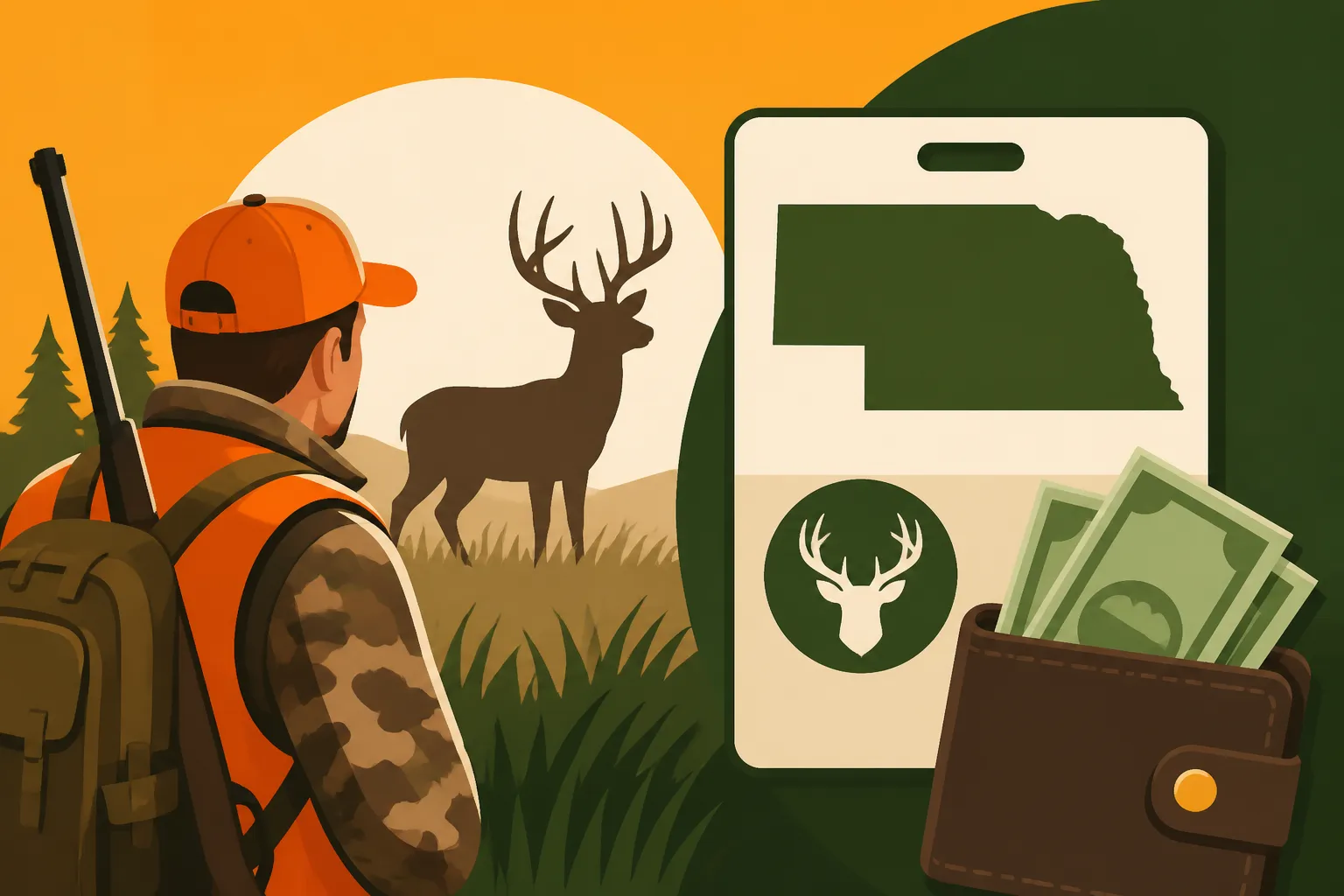
For any nonresident hunter setting their sights on Nebraska, the very first piece of the puzzle you'll need is the Annual Hunt Permit. Think of this as your general admission ticket to the state's hunting opportunities. It's a foundational permit that allows you to hunt small game, upland birds like pheasants and quail, and furbearers. However, and this is a crucial distinction that often trips people up, this permit alone does not authorize you to hunt big game like deer, antelope, or turkey. For those species, you'll need additional, specific permits on top of your annual hunt permit.
The cost of this nonresident annual permit typically sits around $180. While this might seem like a significant upfront investment, it’s designed to grant access to a wide array of hunting experiences that Nebraska offers, from chasing fast-flushing pheasants across the stubble fields to calling coyotes on the winter plains. Without this permit, you cannot purchase any other hunting-specific tags in Nebraska, making it the essential first step in your hunting journey here. It’s also important to remember that this fee, like most state wildlife agency fees, contributes directly to conservation efforts, habitat management, and wildlife research across Nebraska, ensuring healthy populations for future generations of hunters.
Breaking Down the Base Cost
Let's delve a bit deeper into what you're actually paying for with that $180 (approximately) annual hunt permit. This single permit covers a broad spectrum of hunting activities. For instance, if your primary goal is to spend a few days Walking Nebraska Pheasant Cover With a Dog or explore the opportunities for Quail Hunting Nebraska Shelterbelts in the southeastern part of the state, this permit is your gateway. It's valid for the entire permit year, which typically runs from January 1 to December 31, allowing for multiple trips if your schedule allows.
Beyond upland birds, this permit also allows you to pursue other small game like rabbits and squirrels, and it’s the necessary stepping stone if you plan on participating in Predator Calling on the Nebraska Plains. The Nebraska Game and Parks Commission sets these fees annually, and while they can see minor adjustments, the approximate cost of a Nebraska nonresident annual hunt permit has remained relatively consistent in recent years. This base permit serves as an administrative cornerstone, streamlining the process for hunters who want to engage in the state’s diverse small game and furbearer seasons.
Essential Add-Ons: The Habitat Stamp
Just having the Annual Hunt Permit isn't quite enough; almost every hunter in Nebraska, resident or nonresident, is required to purchase a Habitat Stamp. This stamp is an additional fee, usually around $30, and it's mandatory for anyone engaging in hunting or trapping activities. The funds generated by the Habitat Stamp are earmarked specifically for the acquisition, development, and maintenance of public lands and waters, as well as private land habitat improvement projects. It's a vital program that directly benefits all hunters by enhancing wildlife habitat across the state.
Many of the public lands you might explore for Scouting Nebraska Public Ground Before Opening Day or Hunting Open Fields and Waters Tracts for Pheasants are directly supported by these Habitat Stamp dollars. It’s a small extra cost that makes a massive difference in providing the places where we get to enjoy our passion. So, when you're budgeting, always factor in both the Annual Hunt Permit and the Habitat Stamp as non-negotiable elements for any nonresident hunt in Nebraska. Think of them as a package deal for basic hunting access.
Beyond the Basics: Big Game and Waterfowl Permits
While the Nonresident Annual Hunt Permit and Habitat Stamp are your entry fee for general hunting, if your sights are set on bigger quarry, you'll need to layer on additional, species-specific permits. This is where the cost structure becomes more complex, and it’s critical for nonresidents to understand that these are separate purchases with their own distinct costs and application processes.
Deer Permits: A Significant Investment
Hunting deer in Nebraska as a nonresident can be a truly rewarding experience, especially with the opportunities for both whitetails and mule deer. However, the permits for these animals represent the largest portion of a nonresident's hunting budget. For detailed figures, you'll want to check out the dedicated guide on Nebraska Nonresident Deer Permit Cost. Generally, a nonresident deer permit (which will be for a specific deer management unit or a statewide whitetail buck permit) can cost upwards of $250, sometimes more depending on the unit and species.
These deer permits are often allocated through a lottery drawing, particularly for popular units or desirable species like mule deer. If you're planning for Bowhunting Nebraska's Four-Month Archery Season or hoping to draw a tag for the Nebraska's Nine-Day November Firearm Deer Season, you'll need to apply in the annual draw, usually in June. Tools like GoHunt can be incredibly helpful for nonresidents to analyze draw odds, identify units with better success rates, and keep track of application deadlines. Without first possessing that foundational Annual Hunt Permit and Habitat Stamp, you won't even be eligible to apply for these valuable deer tags.
Turkey and Antelope: Separate Costs
Just like deer, if you’re hoping to call in a gobbler during Spring Turkey Calling in Nebraska's River Corridors or Archery Antelope Over Water in Nebraska, you’ll need specific permits for these species. Nonresident turkey permits typically cost around $125-150 per tag, and there's a cap on how many nonresidents can purchase, often leading to quick sell-outs. For a deeper dive into these numbers, our guide on Nebraska Turkey Permits and the Nonresident Cap provides valuable insights.
Antelope hunting in Nebraska, particularly in the Sandhills and Panhandle regions, is another sought-after experience. Nonresident antelope permits are usually around $200, often requiring participation in a draw like deer permits. The specifics for these permits can be found in our comprehensive article on Nebraska Antelope Permits and Seasons. Again, the Annual Hunt Permit and Habitat Stamp are non-negotiable prerequisites before you can even think about adding these exciting big game opportunities to your Nebraska hunting itinerary.
Waterfowl and the Federal Duck Stamp
For those whose passion lies in the marshes and fields chasing ducks and geese, an additional stamp is required: the Federal Duck Stamp. This is a federal requirement, not just a state one, and it's needed by anyone 16 years of age or older hunting migratory waterfowl. The Federal Duck Stamp costs around $25 and goes directly to conserving wetland habitats critical for waterfowl and other wildlife. You can often purchase this online or at your local post office.
While the Federal Duck Stamp isn't managed by the Nebraska Game and Parks Commission, it's an essential part of the Nebraska Waterfowl Seasons and Zones picture. So, a nonresident waterfowl hunter's permit package would include the Annual Hunt Permit, the Nebraska Habitat Stamp, and the Federal Duck Stamp, along with any specific state waterfowl tags if required (though often the Annual Hunt Permit covers the state portion). Always double-check current regulations before you head out.
Calculating Your Total Investment for a Nebraska Hunt
When budgeting for a nonresident hunting trip to Nebraska, it’s crucial to look beyond just the permit fees. While the cost of the Nebraska Nonresident Annual Hunt Permit Cost is a significant piece, it’s just one part of the overall financial puzzle. Many hunters, especially those traveling long distances, need to factor in lodging, food, fuel, gear, and potentially guide fees.
Let's consider a hypothetical scenario: You're a nonresident planning a deer hunt in Nebraska.
Example Nonresident Deer Hunt Budget (Estimated):
| Item | Estimated Cost (USD) | Notes |
|---|---|---|
| Nebraska Nonresident Annual Hunt Permit | $180 | Mandatory base permit. Allows hunting small game, upland birds, furbearers. Required to purchase big game permits. |
| Nebraska Habitat Stamp | $30 | Mandatory for all hunters/trappers. Funds habitat conservation. |
| Nonresident Deer Permit | $250 – $300 | Species-specific permit. Cost varies by unit and whether it's an "Any Deer" or "Antlerless Only" tag. Often requires a draw. Refer to Nebraska Deer Permit Types by Unit for specifics. |
| Total Permit & Stamp Costs | $460 – $510 | This is your minimum to hunt deer. |
| Fuel/Travel | $300 – $1000+ | Depends heavily on distance traveled and vehicle fuel efficiency. |
| Lodging (5-7 nights) | $400 – $1000 | Hotels, motels, or cabins. Can be reduced by camping on public land or staying with friends/family. |
| Food & Drink (5-7 days) | $200 – $400 | Groceries, restaurant meals, snacks. |
| Processing/Taxidermy | $100 – $500+ | Basic meat processing for a deer. Taxidermy is an additional, often substantial, cost if desired. Refer to Field Dressing and Cooling Game in Warm Weather for initial care. |
| Miscellaneous Gear/Supplies | $50 – $200 | Ammunition, forgotten items, hunting accessories. |
| Grand Total (Estimate) | $1510 – $3610+ | This is a broad estimate. Your actual costs could be higher or lower. This gives you a realistic picture of the Total Cost of a Nonresident Nebraska Deer Hunt when you factor in all elements beyond just the initial permit fee. |
As you can see, the permits are a significant part, but not the entirety, of the financial commitment. Being prepared for these other costs will ensure a smoother, more enjoyable trip.
Planning for the Long Haul: Preference Points and Draw Odds
Nebraska offers a preference point system for some of its big game draws, which can be an important strategy for nonresidents seeking to increase their odds for future hunts. A preference point basically gives you a slight advantage in subsequent draws without having to apply for a permit that year. If you don't draw a permit in a given year, you can choose to simply purchase a preference point to build seniority for future applications. This allows you to accumulate points, improving your chances for a coveted tag down the road, especially for units with lower draw odds.
The cost of a preference point is usually a smaller fee, but it's an investment in future hunting opportunities. For serious nonresident hunters, especially those interested in specific units or species that are highly sought after, understanding How the Nebraska Big Game Lottery Works and strategically purchasing preference points is key. Resources like GoHunt, which specializes in analyzing draw data and application strategies across western states, can be invaluable for nonresidents to make informed decisions about when to apply directly for a tag versus when to buy a preference point. This long-term planning can ultimately save you frustration and potentially money by guiding your application strategy effectively.
Navigating the Permit Application and Purchase Process
Once you’ve got a handle on the costs, the next step is actually securing your permits. The Nebraska Game and Parks Commission has made the process increasingly user-friendly, with most purchases and applications handled online.
Where and When to Buy Your Permits
The easiest and most common way to purchase your Annual Hunt Permit, Habitat Stamp, and apply for most big game draws is directly through the Nebraska Game and Parks Commission’s official website. They have a dedicated permit and registration portal. You can also buy permits at various vendors across the state, such as sporting goods stores, but for nonresidents, the online system is typically the most convenient. Our guide on Buying Nebraska Permits Online offers a step-by-step walkthrough of this process.
It’s crucial to pay close attention to the specific dates for permit sales and draw applications. The big game draw application period for deer and antelope usually opens in early to mid-June, with a firm Nebraska Big Game Draw Deadline. If you miss this window, you’re out of luck for the draw, though some leftover permits may become available later.
Key Dates to Remember for Nonresidents (General Timeline):
- January 1: New permit year begins. Annual Hunt Permits and Habitat Stamps generally available for purchase.
- Early June: Big game draw application period opens (deer, antelope, elk, bighorn sheep).
- Mid-June (exact date varies): Big game draw application deadline.
- Early July: Draw results typically posted.
- Mid-July: Leftover permits (if any) usually go on sale over-the-counter.
- August: Archery antelope season opens, if you secured a permit.
- September: Archery deer season opens.
- Mid-October: Fall turkey permits go on sale, if not already available.
- November: Firearm deer season.
- December: Muzzleloader deer season.
For nonresidents, securing big game permits, especially for deer and antelope, often hinges on being vigilant about these application deadlines. Nonresident turkey permits, though not typically a draw, can sell out quickly due to the annual cap, so purchasing early is recommended. Knowing When Over-the-Counter Permits Go on Sale can also be critical if you didn't participate in the draw or are looking for additional opportunities like antlerless-only tags.
Tips for Nonresident Permit Success
Here are a few pointers to help nonresidents navigate the Nebraska permit system:
- Plan Ahead: Decide what you want to hunt well in advance. Research the species, seasons, and permit types available.
- Create an Account: Set up your online profile with the Nebraska Game and Parks Commission before application periods open. This saves time and stress.
- Understand the Draw: If you’re targeting deer or antelope, familiarize yourself with the draw system. Nonresidents have specific quotas, and some units are harder to draw than others. Checking historical draw odds, potentially with tools like GoHunt, can help you pick units with a realistic chance of success.
- Buy the Annual Permit First: Remember, you must have the Annual Hunt Permit (and Habitat Stamp) before you can apply for or purchase any big game permits.
- Don’t Miss Deadlines: This cannot be stressed enough. Mark your calendar for draw application deadlines and over-the-counter permit sale dates.
- Consider Leftover Permits: If you miss the draw, or simply want an additional tag (e.g., antlerless deer), be ready to jump on leftover permits when they go on sale. These are first-come, first-served and can sell out rapidly.
- Youth Opportunities: Nebraska offers youth permits at reduced rates. Our guide on Nebraska Youth Permit Prices explains these options, which can be a great way to introduce young hunters to the sport. Youth hunters still need the Annual Hunt Permit and Habitat Stamp, but the big game tags themselves are often significantly cheaper.
Navigating the various permits and costs can feel like a lot, but with a bit of planning and understanding, you’ll be well on your way to enjoying the diverse hunting experiences Nebraska has to offer.
Disclaimer
The information provided in this guide is for general informational purposes only and is subject to change. Hunting regulations, permit costs, and season dates are set by the Nebraska Game and Parks Commission and can be modified annually. Always consult the official Nebraska Game and Parks Commission website or their current hunting guide for the most up-to-date and accurate information before planning any hunting trip.