How Many Acres Are in Open Fields and Waters
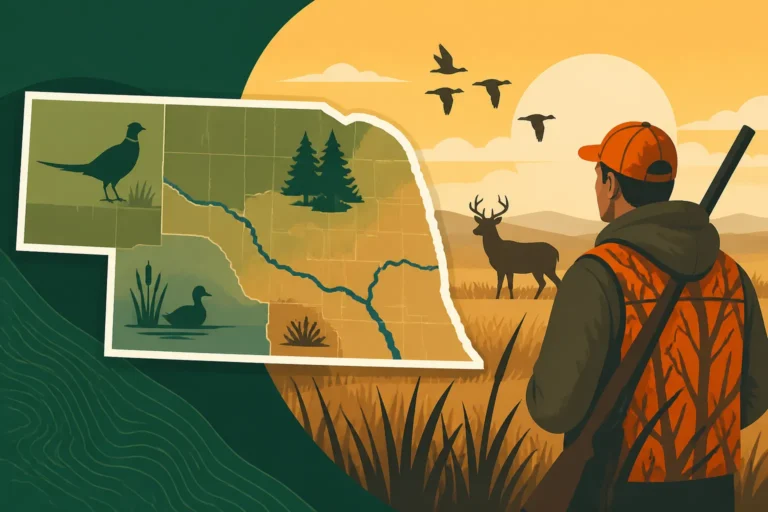
Finding accessible hunting land in Nebraska can feel like an endless scavenger hunt, especially with so much ground being privately owned. This guide is here to shed some light on the Nebraska Game and Parks Commission's crucial Open Fields and Waters (OFW) program, breaking down exactly how much land this initiative opens up for public hunting and why it's such a vital resource for anyone looking to punch a tag in the Cornhusker State.
Understanding the Scope of Nebraska's Open Fields and Waters Program
The Nebraska Open Fields and Waters program is a game-changer for hunters, offering precious public access on privately owned land. It’s an incredibly important initiative in a state where the vast majority of land is privately held, meaning hunters often face the daunting task of securing permission. OFW acts as a bridge, compensating landowners for allowing public hunting and fishing access to their property. But how much land are we really talking about? It's not a static number, and that's one of the first things hunters need to grasp.
The program's acreage is dynamic, constantly changing as landowner agreements are renewed, added, or sometimes removed. This flexibility allows the program to adapt to current needs and landowner participation. Instead of a fixed, unchanging figure, think of it as a living, breathing network of access points that fluctuates throughout the year, primarily before and during hunting seasons. This ever-shifting landscape can be a bit tricky to track without the right tools and information.
For example, a parcel that was open last year might not be this year, or a new tract might appear in a prime area for pheasants or deer. This continuous evolution means that relying on old maps or outdated information can lead to frustration and wasted time. It highlights the importance of always checking the most current resources provided by Nebraska Game and Parks, such as their Public Access Atlas, which is updated regularly to reflect these changes.
The Variable Nature of OFW Acreage
It’s easy to get frustrated when you hear about "public land" and expect a fixed number, but the Open Fields and Waters program operates on voluntary agreements, which naturally leads to fluctuating acreage. The total number of acres enrolled can vary significantly from year to year, and even within a single year as new contracts are signed. This isn't a sign of instability, but rather the very nature of a program that incentivizes private landowners to open their gates.
Landowners might enroll for a variety of reasons – perhaps they have crop stubble fields they don't plan to graze, or a shelterbelt that provides excellent pheasant cover but isn't otherwise generating income. These contracts are typically renewed annually, or for multi-year terms, but they aren't permanent easements. This means the acreage can ebb and flow based on landowner decisions, economic factors, or even changes in habitat management on their property. This fluidity is part of the challenge and the beauty of OFW; it brings hunters closer to actively managed private lands they might never otherwise experience.
When you consider the vast agricultural landscape of Nebraska, with its corn and soybean fields, milo stubble, and countless private creek bottoms, the value of every single enrolled acre becomes clear. These aren't just marginal lands; often, they are prime hunting spots that have been carefully managed by landowners for generations. The program is designed to secure access to these productive habitats, whether it's for upland birds, deer, or waterfowl. The success of the program relies heavily on continued landowner participation, which in turn depends on hunters respecting the land and the rules.
Tracking the Numbers Over Time
While specific real-time numbers can't be cited, it's generally true that the Nebraska Game and Parks Commission works hard to maintain and expand the Open Fields and Waters program. They often report on the total number of acres enrolled annually, and these figures demonstrate the program's vital role. You'll typically find updates in their annual hunting guides or on their official website. Historically, the program has consistently opened up hundreds of thousands of acres across the state, providing critical access for various hunting opportunities.
What we often see is an effort to target specific habitat types or regions where public access is particularly scarce. For instance, increasing acres in eastern Nebraska's timbered river bottoms for River-Bottom Whitetail Hunting in Eastern Nebraska, or adding more milo and corn stubble fields in the pheasant-rich central and southwestern parts of the state. This strategic enrollment helps to diversify the hunting experiences available through OFW.
The impact of these varying acreage totals is felt directly by hunters. More acres mean more opportunities, less crowding, and potentially better quality hunts. Conversely, a dip in acreage in a specific area could lead to more pressure on remaining public tracts. This is why staying informed about the most current enrollment figures, particularly for the areas you plan to hunt, is absolutely essential. The Public Access Atlas is your best friend here, as it provides the most up-to-date visual representation of what's open.
Types of Land Enrolled
The Open Fields and Waters program isn't just about raw numbers; it's also about the diversity of habitat it offers. You'll find a wide array of landscapes enrolled, each catering to different game species and hunting styles. This varied offering is one of the program's greatest strengths, allowing hunters to pursue everything from pheasants to deer on ground they wouldn't otherwise access.
Here's a breakdown of the general types of land you can expect to find:
| Land Type | Primary Game Species | Typical Habitat Features | Hunting Method Examples |
|---|---|---|---|
| Upland Game | Pheasant, Quail, Partridge | CRP fields, native grass, corn/milo stubble, shelterbelts | Walking Nebraska Pheasant Cover With a Dog, Quail Hunting Nebraska Shelterbelts |
| Deer (Archery/Firearm) | Whitetail, Mule Deer | River bottoms, cedar draws, woodlots, crop edges, Sandhills | Choosing a Treestand Site on Nebraska Farmland, Still-Hunting Nebraska Cedar Draws |
| Waterfowl | Ducks, Geese | Ponds, wetlands, harvested crop fields (for field hunting) | Setting a Goose Spread in Harvested Corn, Jump Shooting Nebraska River Ducks |
| Predators/Furbearers | Coyote, Bobcat, Fox | Open rangeland, timber edges, brushy draws | Coyote Calling on Winter Grassland, Predator Calling on the Nebraska Plains |
This table illustrates the broad spectrum of opportunities. It’s not just about a large quantity of acres, but the quality and variety of those acres that truly make the OFW program stand out.
Locating and Utilizing Open Fields and Waters Acreage
Knowing that hundreds of thousands of acres exist under the OFW program is one thing; actually finding and effectively hunting them is another challenge entirely. The key to successful OFW hunting lies in diligent pre-season scouting and smart in-season navigation. You can't just show up and expect to stumble upon a great spot. You need to leverage the tools available to you.
The most important tool for any hunter looking to utilize OFW land is the Nebraska Public Access Atlas. This resource is published annually and is meticulously updated to show all the enrolled properties. It's available both in print and, perhaps more usefully, as digital layers for mapping applications. Knowing how to read and interpret this atlas is paramount for making the most of your hunting efforts.
Imagine you're planning a trip for Walking Milo and Corn Stubble for Pheasants. You'll want to cross-reference the atlas with current crop conditions, looking for those golden opportunities where a landowner has enrolled a large, accessible stubble field. Without the atlas, you'd be driving around aimlessly, trying to guess which private parcels are open to the public.
The Public Access Atlas: Your Essential Map
The Nebraska Public Access Atlas is the official guide to all public hunting lands in the state, and it’s especially vital for the Open Fields and Waters program. It typically highlights OFW tracts with distinct color coding or symbols, making them easy to identify. This atlas isn't just a simple map; it provides critical information such as species often found on the tract, specific rules (e.g., walk-in only, no motorized vehicles), and important boundary lines.
Think of it this way: you could drive past a fantastic-looking piece of cover every day, not knowing it's an OFW tract. The Atlas changes that, clearly marking these opportunities. Many experienced hunters spend hours pouring over the Atlas, both the physical copy and its digital counterpart, to plan their entire season. It's not just about finding any open land, but finding the right open land for your target species and hunting style. For example, if you're targeting deer, you might be looking for a Hunting a Creek Crossing in the Sandhills within an OFW boundary.
Using The Nebraska Public Access Atlas Mobile App or integrating the data into popular hunting apps is a game-changer. These digital tools allow you to pinpoint your exact location relative to OFW boundaries, ensuring you're always on legal ground. They also help with navigating complex property lines in the field, which can be tricky in areas with mixed private and public ownership.
Leveraging Technology: onX Hunt and GoHunt
In today's hunting world, technology is an indispensable ally, especially when navigating programs like Open Fields and Waters. When you're trying to figure out if that promising-looking corner is actually an OFW tract, tools like the onX Hunt app become absolutely invaluable. You can overlay the public land data, including OFW boundaries, right onto your GPS map on your phone or tablet. This means no more guessing if you've crossed a property line or if that stand of timber is fair game.
Imagine you're scouting for Where Nebraska Whitetails Bed in Row-Crop Country. With onX Hunt, you can zoom in on potential bedding areas, identify nearby OFW tracts, and plan your entry and exit routes meticulously, all while knowing you're adhering to Walk-In Only Rules on Open Fields Tracts if they apply. It takes a huge amount of guesswork and anxiety out of public land hunting.
For those really diving deep into hunt planning, especially non-residents looking to maximize their time, services like GoHunt might offer valuable insights into permit strategies and public land access across the state, even if OFW details are best found directly from Nebraska's resources. While Nebraska's official atlas is the definitive source for OFW boundaries, GoHunt can complement your research by providing broader overviews of hunting units and general public land distributions, helping you identify promising regions before you dive into the granular OFW maps. Using the onX Hunt app, you can layer the Public Access Atlas data right onto your map, giving you real-time confidence in your location.
Respecting the Rules and Landowners
The continued success and expansion of the Open Fields and Waters program hinge entirely on hunter ethics and respect for landowners. These are private lands, remember, and the privilege of access can be revoked if abuses occur. This means adhering strictly to all posted rules, which often go beyond general hunting regulations.
Common rules for OFW tracts include:
- Walk-in access only: Most OFW sites do not allow vehicles beyond designated parking areas. This is crucial for maintaining the integrity of farm fields and limiting disturbance.
- No permanent blinds or stands: Unless explicitly stated otherwise, you cannot leave permanent structures on OFW land. Portable ground blinds or climbing stands used for a single day's hunt are typically acceptable but must be removed at the end of the day. For more on this, check out Ground Blinds in Open Nebraska Country.
- Respecting crops and livestock: Always be mindful of active agricultural operations. Do not damage crops, fences, or disturb any livestock. Leave gates as you find them.
- Packing out what you pack in: This should go without saying for any outdoor pursuit, but it's especially important on private lands. Leave no trash, spent casings, or any other debris behind.
If hunters consistently violate these tenets, landowners will naturally become less inclined to re-enroll in the program. This leads to a reduction in available acres for everyone. So, every hunter has a responsibility to be a good steward of these valuable access points. Practicing Scouting Nebraska Public Ground Before Opening Day is also essential, but make sure your scouting activities also adhere to the "walk-in" and respect-for-property rules of OFW. The program thrives on trust, and it's up to us as hunters to uphold that trust.
Benefits and Challenges of Hunting OFW Land
Hunting Nebraska's Open Fields and Waters tracts offers a unique blend of opportunities and considerations that differ from hunting traditional public lands or even private land with explicit permission. It's a fantastic program, but knowing what to expect can greatly enhance your experience.
The Advantages for Hunters
The primary benefit, without a doubt, is the sheer expansion of accessible hunting ground. In a state where private land dominates, OFW opens doors to prime habitat that would otherwise be off-limits. This is especially true for upland bird hunters, who often rely on large expanses of grassland, stubble, and CRP fields. These tracts can be fantastic for Hunting a Shelterbelt Between Nebraska Fields for pheasants, or even finding early season quail.
Another significant advantage is the potential for less pressure. While some easily accessible OFW tracts will see their share of hunters, many others require a bit more legwork or are in less popular areas, meaning you might find yourself with a quality spot largely to yourself. The diverse habitat also provides opportunities for targeting a variety of species. You might hunt pheasants in the morning on a grassland tract and then switch to deer hunting in the afternoon on a creek bottom OFW.
Furthermore, these lands often integrate seamlessly with larger landscapes, creating valuable travel corridors and feeding areas for game. A particular OFW field might connect a private timber block to a river, creating an ideal scenario for Entry and Exit Routes on Flat Farm Ground for deer. It provides a more expansive feel than small, isolated public parcels.
Navigating the Challenges
Despite the immense benefits, hunting OFW land comes with its own set of challenges. The dynamic nature of the acreage is a double-edged sword; while new opportunities arise, favorite spots can also disappear. This requires hunters to stay vigilant with their mapping and planning year after year. When Open Fields Signs Go Up can be a moving target, meaning last-minute checks are always a good idea.
Pressure can also be a factor, particularly on easily accessible or well-known tracts. Just like any public land, if a spot consistently produces, it will attract attention. This means early mornings, smart tactics, and sometimes, a willingness to walk further than others are crucial. Hunters should also be mindful of other users, including other hunters and potentially even non-hunting recreationalists if the tract allows.
Finally, the rules, while generally straightforward, do require careful attention. The "walk-in only" rule, for instance, might mean a longer drag for a deer than you'd experience on private land with vehicle access. Understanding Nebraska's 400-Square-Inch Orange Rule and any specific requirements for OFW areas is vital for safety and compliance. It all boils down to preparedness and a commitment to respecting the system that provides these valuable hunting opportunities.
Disclaimer
This article is for general informational purposes only and does not constitute professional advice. Laws, prices and regulations vary by location and change over time. Consult a qualified professional for guidance on your specific situation.