Toadstool Park and Grassland Access
For many hunters, the image of Nebraska might conjure up vast cornfields and river bottoms, but head out to the far western Panhandle, and you'll find a landscape that feels like a different planet entirely. The unique, almost alien badlands formations of Toadstool Geologic Park, nestled within the expansive Oglala National Grassland, present both a visual wonder and a puzzle for those looking to pursue game. It can be confusing to discern where public hunting is permitted and how to navigate such an unusual terrain, which is precisely what we're going to unravel here, helping you understand how to access and successfully hunt this unique corner of Nebraska.
Understanding Toadstool Park's Unique Landscape and Regulations
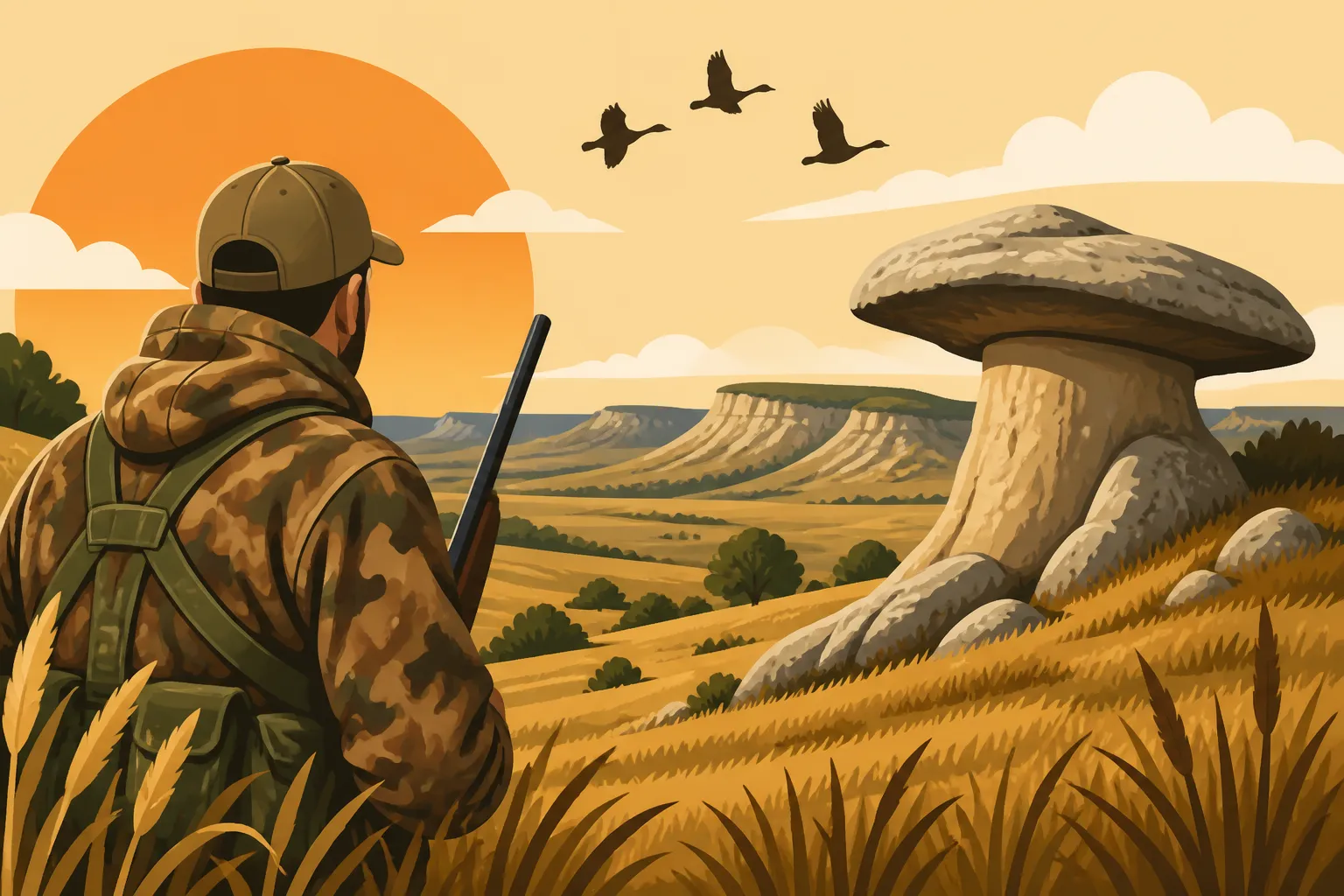
Toadstool Geologic Park is a genuinely mesmerizing place, often called "the Moonscape of Nebraska." It's a land of bizarre, mushroom-shaped rock formations carved by wind and water over millennia, making it a truly one-of-a-kind natural wonder. This unique geological feature, while captivating, also means it's a protected area with specific rules that hunters absolutely need to understand before setting foot here. It's not your typical hunting ground, and mistaking it for general grassland can lead to a world of trouble.
The Geological Marvel and Its Hunting Implications
Toadstool Geologic Park itself is managed as a recreational and interpretive site, meaning the core area with the formations is not open to hunting. This is a common point of confusion. Folks see "National Grassland" and assume it's all fair game, but like many special natural features on public land, this specific park has restrictions to preserve its delicate geology and allow for quiet public enjoyment. The frustration often comes when you're glassing from a distance, seeing promising terrain, only to realize it's off-limits. You're there to hunt, not to be a tourist, but respecting these boundaries is paramount. Think of it as a small, protected island within a vast ocean of huntable land.
It’s crucial to treat the immediate park area with respect, staying on marked trails if you choose to explore it, and never disturbing the formations or archaeological sites that might be present. Your hunting adventure might bring you close, but the actual park grounds are for viewing and hiking only. The hunting opportunities lie around the park, on the broader Oglala National Grassland.
Navigating Access Points and Boundaries
Successfully hunting near Toadstool Park requires a keen eye for maps and an understanding of the specific land designations. The Oglala National Grassland is vast, encompassing a mosaic of federal, state, and private lands. Toadstool Park is a designated part of the Oglala National Grassland, but it operates under separate recreational rules. You can't just drive in and start hunting wherever you see open space.
Before you even leave home, spend considerable time poring over maps, especially those that clearly delineate public and private land. This is where tools like onX Hunt truly shine. You can zoom in and see parcel by parcel exactly what's public, what's private, and critically, where the non-hunting zones like Toadstool Park begin and end. This foresight prevents you from wasting valuable hunting time or, worse, inadvertently trespassing. Pay close attention to roads and two-tracks, as some might lead to private property or dead ends, while others offer excellent access to promising public hunting ground.
Specific Regulations Around the Monument
While the park itself is off-limits to hunting, the surrounding Oglala National Grassland is indeed open to hunting. However, you'll still need to be aware of the general regulations that apply to all federal lands in Nebraska, as well as specific state regulations regarding hunting seasons, bag limits, and permitted weapons. For instance, any temporary closures due to fire danger or other management activities would apply.
It's wise to check the Nebraska Game and Parks Commission regulations annually, as rules can change. You'll need the appropriate Nebraska Big Game Permits and How to Get One for your chosen species, along with a Nebraska Habitat Stamp and Hunter Education if applicable. The "no hunting" boundary around Toadstool Geologic Park is typically well-marked on current public land maps and often has signage on the ground where roads enter the immediate vicinity. Don't assume anything; verify your location often, especially when pursuing game that might lead you near these sensitive areas.
Hunting Opportunities on the Oglala National Grassland
Stepping away from the immediate Toadstool formations, the broader Oglala National Grassland Hunting presents fantastic opportunities for those willing to put in the effort. This vast expanse of shortgrass prairie, punctuated by draws, buttes, and the distant Pine Ridge escarpment, is prime habitat for several coveted game species. It's a place where big country hunting thrives, requiring different tactics than the dense timber or agricultural fields of eastern Nebraska.
Species to Pursue on the Grassland
The Oglala National Grassland is a land of wide-open spaces, and the game here is adapted to it. Here’s what you can typically expect to find:
- Mule Deer: This is arguably the most sought-after big game animal on the grassland. Mule deer thrive in the broken terrain, using the draws, cedar pockets, and even the "blowouts" (sandy depressions) for cover. Their large ears and distinctive bounding gait are iconic to this landscape. Hunting Mule Deer in the Nebraska Pine Ridge shares some common strategies, as the terrain can be similar in how it holds deer.
- Pronghorn Antelope: Often mistaken for antelope, these incredible animals are built for speed and live almost exclusively in open prairie. The Oglala offers excellent opportunities for Stalking Pronghorn Across Open Nebraska Ground. They are wary, with incredible eyesight, making them a true challenge.
- Prairie Grouse (Sharptails and Prairie Chickens): For upland bird hunters, the grassland offers a unique experience. Prairie Grouse Hunting on Nebraska's Open Range involves miles of walking, often with a good bird dog, through native grasses, seeking out coveys of these elusive birds.
- Coyotes: As always on the prairie, coyotes are abundant. While often seen as a predator, they offer an exciting hunting challenge, especially in the winter months.
This diverse array means that a single trip to the Oglala can offer opportunities for multiple species, provided you have the right permits and are willing to adapt your approach.
General Access and Dispersed Hunting
Hunting on the Oglala National Grassland is primarily a dispersed, do-it-yourself experience. There are no designated hunting blinds or established food plots like you might find on some state-managed areas. Access often involves driving well-maintained gravel roads and then transitioning to two-track trails or simply walking from a designated parking area. You'll likely encounter gates; if they're closed, close them behind you. If they're open, leave them open. Always be aware of your surroundings, as cattle grazing is common on these grasslands, and you’ll want to give them their space.
One of the great joys of hunting here is the solitude. It's not uncommon to walk for miles and not see another hunter. This provides a truly immersive experience, but it also means you need to be self-reliant. Carry plenty of water, understand your navigation, and be prepared for changing weather conditions. The vastness requires a different mindset than hunting smaller, more confined parcels.
Using Technology for Navigation and Land Ownership
In a landscape as vast and sometimes featureless as the Oglala National Grassland, modern mapping technology isn't just a convenience—it's practically essential. Relying solely on paper maps, while still a good backup, can make navigating the complex quilt of public and private land incredibly difficult.
This is where digital mapping apps like onX Hunt become invaluable. With onX Hunt, you can instantly see property boundaries, landowner names (which is crucial if you need to ask for permission on adjacent private land), and even track your movements. I can't tell you how many times I've been out west, thinking I was on public ground, only to realize a small finger of private land extended into what I assumed was open country. A quick glance at onX Hunt keeps you legal and confident. Similarly, services like GoHunt offer detailed harvest statistics and draw odds, which, while not directly telling you where to hunt, can inform your permit applications and give you an idea of hunting pressure and success rates in different units that overlap with the Grassland. Using these tools to scout remotely before your trip, marking potential water sources, terrain breaks, and access points, can save you days of aimless wandering once you're on the ground.
Essential Tactics for Hunting This Region
Hunting the Oglala National Grassland requires a specific set of skills and a healthy dose of patience. This isn't a place for quick sits in a treestand; it's a place for covering ground, relying on your eyes, and making smart plays on animals that are constantly exposed. The vastness is both its beauty and its challenge.
Spot-and-Stalk Strategies
For big game like mule deer and pronghorn, the spot-and-stalk method is king. The open terrain demands it. You'll spend a significant amount of time glassing, often from high points, using quality Optics for Glassing the Nebraska Sandhills (which works equally well here) to pick apart distant hillsides and draws. A good pair of 10x binoculars and even a spotting scope are indispensable.
Once you spot an animal, the real work begins. The stalk is a chess match against the animal's keen senses and the exposed landscape. You'll need to use every bit of cover available – draws, folds in the terrain, even isolated clumps of yucca – to close the distance. This is where patience truly pays off. Rushing a stalk almost always ends in failure. Practice moving slowly, pausing often, and staying low. For mule deer, refer to advice on Spot-and-Stalk Mule Deer in the Nebraska Sandhills as many of the principles apply, especially regarding using terrain to your advantage. For pronghorn, remember they can see incredibly well, so a successful stalk often involves a long, circuitous route to stay out of sight.
Wind, Weather, and Terrain Considerations
The Nebraska Panhandle can be a land of extremes. Wind is a constant factor and must be respected, not just for scent control when stalking, but for hunter comfort and safety. A calm morning can quickly turn into a howling gale by afternoon. Understanding Wind and Thermals in the Sandhills is crucial, as the same principles apply here where terrain creates subtle thermal currents, especially in and out of draws.
Weather can also shift dramatically. Warm, sunny days can give way to sudden thunderstorms, and early season hunts might involve intense heat, while late season can bring snow and bitter cold. Dress in layers, carry rain gear, and always be prepared for the unexpected. The terrain itself, while seemingly flat from a distance, is actually quite broken. Expect to walk up and down numerous draws, some with surprisingly steep banks. The soil can be sandy, especially in blowouts, making walking more arduous. Always let someone know where you're going and when you expect to return, as cell service can be spotty in remote areas.
Ethical Hunting and Respect for the Land
Hunting on public land, especially a unique place like the Oglala National Grassland, comes with a responsibility to uphold ethical hunting practices and respect the environment. This means leaving no trace, packing out everything you pack in (including spent shell casings), and being mindful of other users. You might encounter hikers, birdwatchers, or even ranchers checking cattle. Share the land courteously.
Ensure you have a solid plan for retrieving your game. A downed animal far from a road can be a significant challenge, especially a large mule deer. Consider bringing a game cart or a sturdy frame pack. Practice your shooting at realistic distances you expect to encounter, and never take a shot you're not confident in making cleanly. The open country often tempts hunters to take longer shots, but ethical hunting means knowing your limits and the limits of your equipment.
Practical Preparation for Your Hunt
A successful hunt in the Toadstool Park and Oglala National Grassland area isn't just about showing up with a rifle or shotgun; it's about meticulous preparation. The remote nature of much of this hunting ground means you need to be self-sufficient and ready for anything.
Permits, Stamps, and Hunter Education
First things first: ensure all your paperwork is in order. You'll need a valid Nebraska hunting permit, species-specific tags (like deer or antelope permits), and a Nebraska Habitat Stamp. If you're a nonresident, plan ahead, as some permits can be competitive in the draw or sell out quickly over-the-counter. Confirm if you need to take a hunter education course, especially if you're a younger hunter or new to the state. The rules around Nebraska Hunter Education Age Requirement are clear, so check if they apply to you.
It's always a good idea to carry physical copies of your permits and a photo ID, even if you have digital versions on your phone. You never know when your phone battery might die, or you're in an area with no service. Being ready to present your documents instantly if a game warden approaches can save you a lot of hassle.
Gear Considerations for the Panhandle
Given the open, often windy, and sometimes rugged conditions, your gear choices are critical:
- Optics: As mentioned, good binoculars and a spotting scope are a must for glassing vast areas. A rangefinder is also essential for accurate shots.
- Clothing: Layering is key. Start with good base layers, add insulating mid-layers, and top it with a windproof and waterproof outer shell. Even on a seemingly warm day, the wind can make you cold quickly. Don't forget a wide-brimmed hat for sun protection and a warm beanie for cold mornings.
- Footwear: Sturdy, broken-in hiking boots with good ankle support are crucial for covering miles of uneven terrain. You'll be walking on sand, hard-packed earth, and potentially sharp rocks.
- Navigation: While a phone app like onX Hunt is great, always have a backup. A handheld GPS unit or a detailed paper map (like the Reading the Nebraska Public Access Atlas) and compass are non-negotiable for safety.
- Vehicle: Four-wheel drive is highly recommended, especially if you plan to explore two-track roads after rain or in sandy areas. Carry recovery gear like a shovel, tow strap, and traction boards. A full-size spare tire is also a good idea.
- Water and Food: Carry more water than you think you'll need. Dehydration can creep up quickly in dry, windy conditions. Pack high-energy snacks and a solid lunch.
Planning and Scouting for Success
The most successful hunts on the Oglala National Grassland often begin long before the season opens. Remote scouting using tools like Google Earth, onX Hunt, and even topographic maps can reveal promising areas, natural funnels, and potential bedding or feeding zones. Look for changes in terrain, water sources (even small stock ponds), and areas with thicker cover.
If possible, make a scouting trip a few weeks before your hunt. This allows you to put boots on the ground, confirm access points, identify game sign, and get a feel for the lay of the land. Even if you can't scout in person, use your mapping tools to pinpoint several potential areas, developing a Plan A, B, and C for different wind directions or if your primary spot is occupied. Understanding the terrain, the local conditions, and the habits of the animals you're pursuing will dramatically increase your odds of a memorable and successful hunt in this unique Nebraska landscape.
| Game Species | Primary Habitat in Oglala | Typical Hunting Method | Key Challenges |
|---|---|---|---|
| Mule Deer | Draws, creek bottoms, cedar pockets | Spot-and-Stalk | Wary, sparse cover, long shots |
| Pronghorn Antelope | Open grasslands, rolling hills | Spot-and-Stalk, Decoying | Exceptional eyesight, speed, open terrain |
| Prairie Grouse | Native shortgrass prairie, robust cover | Walk-up, with or without dogs | Elusive coveys, extensive walking, strong flushes |
| Coyotes | Anywhere, especially near prey | Calling, long-range shooting | Wary, excellent senses, travel long distances |
Disclaimer
This article is for general informational purposes only and does not constitute professional advice. Laws, prices and regulations vary by location and change over time. Consult a qualified professional for guidance on your specific situation.