Camping on the Oglala Grassland
Ah, the Oglala National Grassland! It's a vast, breathtaking expanse in Nebraska's Panhandle that beckons with its wide-open spaces and incredible opportunities for outdoor enthusiasts. But if you're like many folks, the thought of camping out there can feel a little daunting. Where do you go? What are the rules? How do you even prepare for such a wild, untamed landscape? This guide is here to demystify camping on the Oglala, giving you the confidence and practical know-how to make your next adventure under those big Nebraska skies a truly memorable one.
Discovering the Oglala National Grassland: Your High Plains Basecamp
The Oglala National Grassland isn't just a place; it's an experience. Sprawling across northwestern Nebraska, this incredible expanse of public land is managed by the U.S. Forest Service and offers a completely different vibe than the typical forested national parks or wilderness areas many people are used to. It's high plains, rolling hills, dramatic buttes, and vast horizons that stretch further than you can imagine.
The Untamed Beauty of Nebraska's Panhandle
When you first drive into the Oglala, you might be struck by the sheer openness. There are no towering mountains or dense forests here. Instead, you'll find a subtle, rugged beauty in the grasslands themselves, the occasional cedar breaks, and the dramatic geological formations like Toadstool Geologic Park, often called the "Badlands of Nebraska." It's a landscape sculpted by wind and water, home to an incredible array of wildlife that has adapted to its unique conditions. This isn't manicured parkland; it's raw, wild, and requires a certain respect and preparedness. Don't let the lack of obvious landmarks fool you; it's easy to get turned around out here if you're not paying attention. The beauty lies in its vastness, its quiet, and the profound sense of solitude it offers.
Why Oglala is a Hunter's and Camper's Paradise
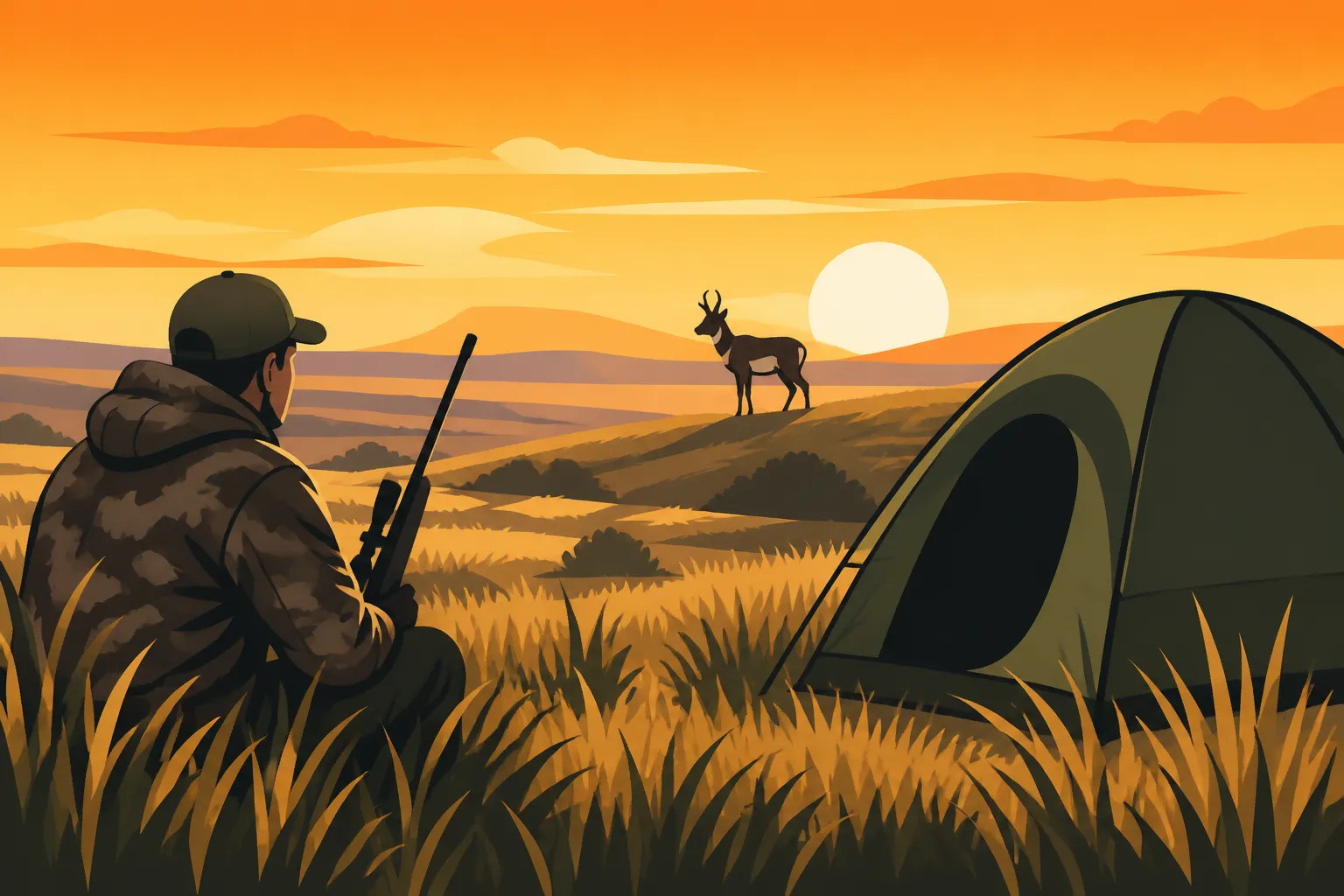
For hunters, the Oglala National Grassland is an absolute gem. It's renowned for its populations of mule deer and pronghorn, offering some fantastic opportunities, especially for those who enjoy spot-and-stalk hunting. The wide-open terrain allows for extensive glassing, and the rolling hills provide cover for stalks. Beyond big game, you'll find coyotes, prairie dogs, and various bird species. But it's not just about the hunt; it's about the overall experience of being out there. Camping on the Oglala means waking up to a sunrise painting the endless sky, falling asleep under a canopy of stars you rarely see in more populated areas, and feeling completely immersed in nature. It's the perfect basecamp for an extended hunting trip, allowing you to be on location at first light and last light without needing to commute from a distant town. Hunting Oglala Grassland for Pronghorn or Glassing Sandhills Blowouts for Mule Deer become much more feasible when your tent is just a few miles from your prime hunting grounds.
Navigating the Rules: What You Need to Know Before You Pitch Your Tent
One of the biggest anxieties about camping on public land, especially a national grassland, is figuring out what's allowed and what's not. The good news is that the Oglala National Grassland generally permits dispersed camping, meaning you can set up camp pretty much anywhere that isn't specifically prohibited, without the need for a designated campsite. But with this freedom comes responsibility and a few crucial rules to keep in mind.
Understanding Dispersed Camping on National Grasslands
Dispersed camping is a fantastic option for those seeking solitude and an authentic backcountry experience. Unlike a developed campground, you won't find picnic tables, fire rings, or restrooms. It's essentially primitive camping. On the Oglala, you're generally allowed to set up camp away from developed recreation sites, water sources, and roads. A good rule of thumb is to be at least 200 feet from any water source (like creeks or stock tanks) to protect water quality and wildlife access. You should also be far enough from main roads and private property boundaries to ensure privacy and avoid disturbing others. This means finding those little two-track trails or pull-offs that take you into the heart of the grassland. Using a mapping application like onX Hunt can be incredibly helpful here, as it clearly delineates public land boundaries and shows many of these secondary trails, helping you identify appropriate camping zones.
Permitting, Stays, and Fire Restrictions
For most dispersed camping on the Oglala National Grassland, you typically don't need a special permit for simply pitching a tent. This is one of the great perks! However, it's always wise to check the local U.S. Forest Service office or their website before your trip, as regulations can change, especially regarding fire. Length of stay is usually limited to 14 days within any 30-day period, preventing long-term residency. This ensures everyone has a chance to enjoy the land.
Fire restrictions are perhaps the most critical rule to heed. The Nebraska Panhandle, especially during dry seasons or high winds, is highly susceptible to wildfires. Always check current fire danger levels and restrictions before you go. This information is usually posted at ranger stations and often online. Sometimes, campfires might be completely banned, even in a small pit. If fires are allowed, use an existing fire ring if you can find one, keep it small, never leave it unattended, and ensure it's completely out – cold to the touch – before you leave. Bringing a small propane stove for cooking is often a much safer and more reliable option.
Leave No Trace: Respecting the Resource
The principle of "Leave No Trace" is absolutely paramount when dispersed camping on the Oglala. Because there are no facilities, everything you bring in, you must pack out. This includes all trash, food scraps, and even human waste. For human waste, you'll need to dig a cathole 6-8 inches deep and at least 200 feet from water, trails, and camp, then cover it completely. Better yet, consider using a WAG bag or portable toilet for solid waste to ensure no impact.
Think about minimizing your impact on vegetation and soil. Camp on durable surfaces like bare ground or existing disturbed areas rather than trampling delicate grasses. Don't cut down live trees or vegetation for firewood. Respect wildlife by storing food securely and observing animals from a distance. The beauty of the Oglala is its wildness, and it's up to every camper to keep it that way for future generations.
Essential Gear and Practicalities for Oglala Camping
Camping in the Oglala National Grassland requires a bit more self-sufficiency than staying at a developed campground. You're heading into a wild, often remote environment, so being well-prepared is key to a comfortable and safe experience.
Preparing for Variable Weather and Rough Terrain
Nebraska weather can be notoriously unpredictable, especially in the Panhandle. A sunny, warm day can quickly turn into a windy, cold, or even stormy one. Pack layers, even in summer. A good quality windbreaker is essential, as the Oglala is famous for its incessant wind, which can make even mild temperatures feel chilly. Rain gear is also a must, as pop-up thunderstorms are common, and a wet camp can quickly become a miserable one.
For sleeping, a reliable tent that can withstand strong winds is crucial. Look for tents with sturdy poles and good staking points. Even if the forecast is clear, stake everything down securely! A comfortable sleeping bag rated for colder temperatures than you expect is a good idea, as night temperatures can drop significantly, even in summer.
The terrain, while appearing flat, can be surprisingly rough. Off the main roads, you'll encounter two-tracks, sandy spots, and rocky areas. Sturdy, broken-in hiking boots are essential if you plan to do any walking or Scouting Nebraska Public Ground Before Opening Day. If you're driving off the main gravel roads onto lesser-used two-tracks, a high-clearance 4×4 vehicle is highly recommended, especially after rain, when sand and mud can become serious hazards. Getting stuck miles from anywhere is not an adventure you want.
Water, Waste, and Wildlife Considerations
One of the biggest challenges on the Oglala is water. There are very few reliable natural water sources that are safe to drink without extensive filtration, and no potable water hookups. You must bring all the water you'll need for drinking, cooking, and basic hygiene. Overestimate how much you'll use! A good rule of thumb is at least one gallon per person per day for drinking and cooking, plus extra for washing.
As for waste, we covered Leave No Trace principles earlier, but it bears repeating: pack it all out. Bring sturdy trash bags that won't rip. When it comes to wildlife, remember you're in their home. Store all food in sealed containers, ideally in your vehicle, to avoid attracting critters like coyotes, raccoons, or even curious rodents. While bears are rare in this part of Nebraska, it's still good practice to be mindful. Watch for rattlesnakes, especially when walking through tall grass or near rock formations. They generally want to avoid you, but it's important to be aware of your surroundings.
Vehicle Access and Navigating Remote Two-Tracks
Accessing remote camping spots on the Oglala often means leaving the well-graded county roads and venturing onto primitive two-track trails. These roads can range from decent gravel to sandy, rutted paths that require careful driving. Again, a 4×4 vehicle with good ground clearance is your best friend here. Always be mindful of changing conditions; a dry, firm track can become a quagmire after a rain shower.
Before you head out, have a solid navigation plan. Cell service is spotty to non-existent in many areas of the Oglala. Relying solely on your phone's online maps is a recipe for trouble. Download offline maps to your phone using apps like onX Hunt or even Google Maps. A dedicated GPS unit or a traditional paper map and compass are excellent backups. Using the Atlas App Without Service is a life-saver out here. Pay attention to landmarks, even subtle ones, so you can backtrack if needed. Let someone know your itinerary and expected return time, especially if you plan to venture far off the beaten path.
Finding Your Perfect Spot: Scouting and Setting Up Camp
The beauty of dispersed camping is the freedom to choose your own adventure, but finding that perfect spot requires a bit of scouting and strategic thinking. It's not just about setting up a tent; it's about establishing a comfortable, safe, and low-impact base for your Oglala experience.
Using Maps and Technology to Identify Campsites
Before you even leave home, spend some time studying maps of the Oglala National Grassland. The U.S. Forest Service provides maps, and online resources are abundant. Digital mapping tools, like onX Hunt or GoHunt, are invaluable. They allow you to overlay public and private land boundaries, topography, and even identify subtle two-tracks and potential pull-offs that might lead to a good camping spot. You can mark potential sites, measure distances, and get a better feel for the terrain from the comfort of your home. onX Layers for Nebraska Land Status can help prevent accidental trespassing and ensure you're on legal public ground.
When you arrive, drive slowly and look for natural clearings or areas that have clearly been used for camping before, indicated by a faint tire track pull-off or a small, disturbed patch of ground. These are often the most durable surfaces and minimize new impacts. Avoid camping in low-lying areas that could collect water if it rains, or directly in washes that could become flash flood zones. Look for a spot that offers some natural windbreak, perhaps a small rise or a patch of cedar, if available.
Establishing a Safe and Low-Impact Camp
Once you've identified a promising area, don't just immediately unload. Walk around, survey the area for any hidden hazards like prairie dog holes (a twisted ankle waiting to happen!), ant hills, or loose rocks. Consider your neighbors, both human and animal. While solitude is often the goal, if another camper or hunter is already established, give them plenty of space.
When setting up your tent, ensure it's firmly staked. The Oglala wind is no joke and can rip an unsecured tent right out of the ground. Position your tent so the smallest side faces into the prevailing wind, reducing resistance. Keep your cooking area separate from your sleeping area to reduce attracting wildlife to your tent. Have all your water and food containers easily accessible but securely stored. Wind Direction on Open Nebraska Prairie Stands applies to your campsite too; understanding prevailing winds can help you orient your camp for maximum comfort.
A well-organized camp is a safe camp. Keep your gear tidy, especially if you're staying for several days. This reduces trip hazards and helps you quickly find what you need in the dark or in an emergency. Always have a fully charged communication device (even if only for emergencies, as cell service is spotty) and a well-stocked first-aid kit readily available.
Combining Camping with Your Hunting Objectives
For many, camping on the Oglala isn't just about relaxation; it's an integral part of a hunting trip. Your campsite becomes your strategic hub. Think about the proximity to your hunting areas. Does your camp allow for easy, quiet access to where you expect to find game at first light? Is it located so that prevailing winds don't carry your scent into your hunting zone? Planning a Hunt From the Public Access Atlas can help you scout not just hunting areas but also suitable camping spots in relation to them.
Having your camp set up allows you to maximize your time afield. You can get an early start without a long drive, and stay out until legal shooting hours end without worrying about navigating unfamiliar roads in the dark. It also means you have a comfortable place to return to for lunch, to warm up, or to process game away from prying eyes. Remember, processing game at camp requires proper disposal of waste and blood to prevent attracting scavengers or impacting the environment, typically by scattering entrails widely or burying them deep. Having a cool place to hang meat, even if it's just a shaded spot with good airflow, is also important for early season hunts.
| Camping Style | Description | Pros | Cons |
|---|---|---|---|
| Dispersed Tent | Basic tent camping, no amenities, chosen location | Ultimate privacy, free, direct access to hunting/hiking | No facilities, requires full self-sufficiency, exposure to elements |
| Vehicle/Truck Camp | Sleeping in a vehicle, sometimes with a rooftop tent | Mobile, provides shelter from elements, quick setup | Limited space, can be less stealthy for hunting, dust/sand accumulation |
| RV/Trailer (Small) | Self-contained unit, sometimes towed or driven | More comfort, amenities (kitchen, bed), good for longer stays | Limited to accessible roads, still no hookups, less mobile |
| Developed Campground | Designated site, potentially with amenities (not common on Oglala itself) | Basic facilities (restrooms, water), less planning required | Less privacy, often paid, might be further from prime hunting areas |
This article is for general informational purposes only and does not constitute professional advice. Laws, prices and regulations vary by location and change over time. Consult a qualified professional for guidance on your specific situation.