Nebraska Pheasant Daily Bag Limit
The thrill of a rooster pheasant exploding from cover is something every Nebraska upland hunter lives for. But if you’re anything like me, or the countless hunters I’ve shared a field with, you’ve probably had moments of uncertainty about the rules, especially when it comes to how many of those beautiful birds you can actually take home. It can be frustrating trying to keep all the regulations straight, and nobody wants to accidentally break a rule after a successful hunt. This comprehensive guide will clear up all the confusion around the Nebraska pheasant daily bag limit, ensuring you know exactly what’s allowed and how to plan your hunts accordingly.
Understanding Nebraska's Current Daily Bag Limit for Pheasants
Let's dive right into the nitty-gritty of what you can expect when you hit the fields for pheasants in Nebraska. The Nebraska Game and Parks Commission sets these limits to manage wildlife populations and ensure sustainable hunting opportunities for everyone. It’s not just a random number; it's a careful balance of science and sport.
The Standard Rooster Limit
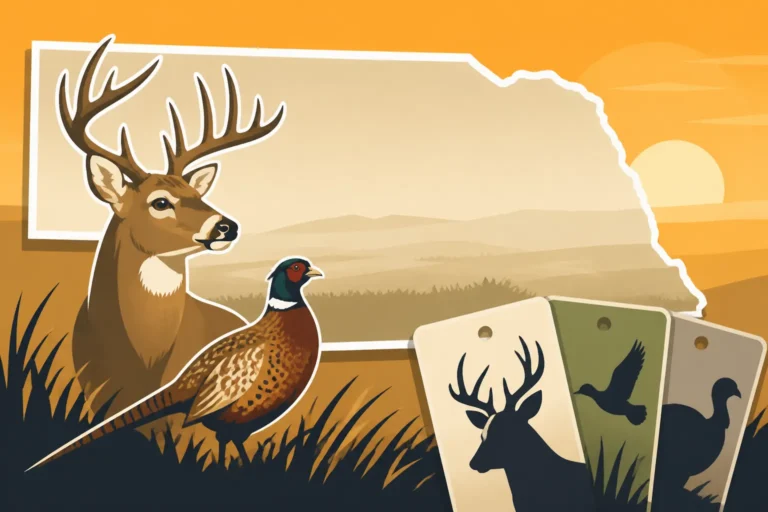
For most of us, the bread and butter of pheasant hunting in Nebraska revolves around roosters. These are the birds with those tell-tale iridescent colors, the long tail feathers, and the distinctive "cackle" when they flush. The current daily bag limit for ring-necked pheasants in Nebraska is three roosters. This means that in any single calendar day of hunting, you are legally allowed to harvest up to three male pheasants. Once you've bagged your three, your pheasant hunting for that day is done, even if you’re still out in the field walking with your dog.
This limit is pretty consistent across most of the state and has been stable for a while, reflecting the ongoing efforts to maintain healthy pheasant populations despite the challenges many parts of the state face. It’s a limit that makes you work for your birds but also allows for a respectable day's harvest when the conditions are right. For many, just getting one or two roosters is a fantastic accomplishment, so three feels like a real jackpot! You can learn more about the specific season dates by checking out the Nebraska Pheasant Season Opening Date and Nebraska Pheasant Season Closing Date details.
The Possession Limit Explained
Beyond the daily bag limit, there's also something called the possession limit, and it's where a lot of hunters can get a little turned around. The possession limit refers to the total number of birds you can have in your possession at any given time, whether they are in your cooler, your freezer at home, or at a processor. For pheasants in Nebraska, the possession limit is typically 12 roosters.
This means that while you can only shoot three birds per day, you can accumulate up to 12 birds over multiple days of hunting. So, if you hunt on a Friday, bag three roosters, and then hunt again on Saturday and bag another three, you now have six birds in your possession. You could continue this until you hit 12. Once you reach 12, you would need to either consume some of your birds, give them away (following proper tagging rules), or have them processed and removed from your immediate possession before you could harvest more. This system is designed to allow hunters to take multi-day trips without feeling pressured to process birds every single night, while still preventing over-harvesting on a larger scale.
Youth Hunter Regulations
Nebraska is fantastic about getting the next generation into hunting, and they often have special seasons and slightly different rules for youth hunters. Typically, youth hunters, during the designated youth pheasant season, also adhere to the same daily bag limit of three roosters and a possession limit of 12. However, the true benefit for youth often comes in the timing – they get an earlier crack at the birds before the main season opens, giving them less crowded fields and a better chance at success. Always check the current year’s regulations for specific youth season dates and any potential special provisions, as these can sometimes change. Encouraging youth participation is crucial, and these early opportunities are a great way to introduce them to the sport without the pressure of heavy competition.
What Counts Towards Your Bag Limit
It might seem straightforward, but understanding precisely what "counts" towards your daily bag limit is vital to stay legal and ethical. It’s not just about the bird hitting the ground; it’s about proper identification and responsible hunting.
Identifying a Rooster Pheasant
This is perhaps the most critical part of staying within the limit: correctly identifying a rooster pheasant. While it might seem obvious to experienced hunters, for newcomers or those hunting in mixed cover, it can sometimes be a quick-fire decision. Rooster pheasants are characterized by their vibrant plumage – typically a metallic green head, a distinctive white neck ring (though some subspecies or individuals may lack this), a red wattle around the eye, and those long, pointed tail feathers. Hens, on the other hand, are much duller in color, primarily mottled brown to blend into the cover, and have shorter, more rounded tails.
In Nebraska, the bag limit only applies to roosters. Shooting a hen pheasant is illegal during the regular season, and doing so can result in fines and penalties. This regulation is in place to protect the breeding stock, as one rooster can breed with multiple hens, but the loss of hens directly impacts future pheasant numbers. So, take that extra second to confirm before you pull the trigger. If you're unsure, it's always better to let the bird fly. Tools like the GoHunt app can sometimes have guides to help with identification or maps showing areas with higher pheasant densities.
Handling Shot or Crippled Birds
It’s an unfortunate reality of hunting that not every shot is perfectly clean, and sometimes a bird might be hit but not immediately fall dead. What happens then? Any bird that you wound and make a reasonable effort to retrieve counts towards your daily bag limit, whether you physically recover it or not. The emphasis here is on "reasonable effort." This means actively pursuing the bird, looking for signs of its flight path, using your dog if you have one, and thoroughly searching the area where it went down.
This rule is in place to prevent hunters from continuously shooting at birds, wounding several, and only counting the ones they pick up cleanly. It promotes ethical hunting and encourages responsible shot placement. If you shoot at a bird and it goes down, even if you can't find it, consider that bird part of your limit. This is a common point of confusion for many, but it's a critical ethical consideration. It reinforces the idea that hunting is about respect for the game, not just filling a bag.
Strategies for Bagging Your Limit Ethically
Hitting your daily limit of three roosters in Nebraska is a great achievement, but it often takes a combination of good scouting, effective technique, and a bit of luck. It's not always about how many birds are there, but how effectively you hunt them.
Effective Scouting and Location
Before you even step foot in a field, good scouting can drastically improve your chances. Pheasants love specific types of cover – thick stands of switchgrass, cattail sloughs, dense shelterbelts, and unharvested crop fields or areas of crop stubble. They’ll also congregate around food sources like cornfields and milo. Using tools like the Nebraska Public Access Atlas, or digital mapping systems like GoHunt, can help you identify prime public hunting areas or secure private land permission. Look for areas with a mix of these habitat types, especially where they intersect or create "edge" cover.
For example, a classic Nebraska pheasant setup might involve a long strip of CRP grass bordering a harvested cornfield, with a thick shelterbelt providing winter cover nearby. Birds will utilize all these areas throughout the day. You can often find areas specifically listed as good for pheasants through programs like Open Fields and Waters Tracts Best for Pheasants. A little time spent online or driving rural roads before the season, identifying these key habitat features, will pay dividends.
Hunting Techniques for Success
Once you're in the field, your approach matters. For most pheasant hunting in Nebraska, especially on larger tracts, a systematic walk is key. Don't just wander aimlessly. Imagine the field as a grid and try to cover it thoroughly, moving in lines or blocking sections. If you're walking alone or with a partner, try to push birds towards natural escape routes or corners of the field where they're more likely to flush within range.
If you have a good bird dog, they are an invaluable asset. A well-trained setter or pointer will locate birds, and a flushing dog like a springer spaniel or Labrador will put them in the air. Remember, pheasants would much rather run than fly, so a dog's nose and persistence are often what's needed to get them airborne. If you're Hunting a Pheasant Field Without a Dog, you'll need to be even more strategic in your approach, often working into the wind and pausing frequently to make birds nervous enough to flush. Another tactic is to have blockers at the end of a field while others walk it, a strategy often employed when Blocking and Driving a Nebraska Field.
Responsible Harvest and Transport
Once you’ve successfully harvested your birds, the responsibility doesn’t end there. Make sure you tag your birds according to Nebraska regulations immediately. This usually involves attaching your permit or a portion of it to the bird. Proper tagging ensures that if you're checked by a conservation officer, there’s no question about the legality of your harvest.
Also, be mindful of how you transport your birds, especially if you're staying for multiple days. Keeping them cool is crucial, particularly during early season hunts when temperatures can still be quite warm. A good cooler with plenty of ice is your friend. When you're heading home, remember the possession limit. If you’ve been successful, you might be carrying multiple days’ worth of birds. Ensure they are properly counted and accounted for. You can find more specific rules about how to prepare your birds for the trip home in Pheasant Tagging and Transport Rules in Nebraska.
Common Misconceptions and Mistakes
Even seasoned hunters can sometimes make mistakes or harbor misconceptions about bag limits and regulations. It's easy to get caught up in the excitement of the hunt and overlook details, but understanding these common pitfalls can save you a headache later.
Confusing Daily and Possession Limits
This is, hands down, the most common mistake I see out there. Hunters often confuse the daily bag limit with the possession limit, or they simply forget about the possession limit altogether. They might think, "I can shoot three birds today, and another three tomorrow, so that's six. Great!" And it is great, but if they continue this for five days, they might end up with 15 birds in their freezer, which exceeds the 12-bird possession limit.
It's crucial to always be aware of how many birds you have accumulated. A simple way to manage this is to keep a running tally in your head or a note on your phone. If you're traveling, make a habit of processing and freezing birds after two or three days of hunting, or ensure you have a plan to legally transport excess birds out of your immediate possession. For instance, if you have 12 birds and want to hunt another day, you could give three to a hunting partner who hasn't reached their possession limit, provided they are properly tagged and your partner has a valid permit.
Misidentifying Birds in Flight
While we covered this briefly, it's worth reiterating the importance of positive identification. In the heat of the moment, with birds flushing fast, it's easy to pull the trigger on a hen by mistake, especially if the light is poor or the bird is partially obscured. This not only goes against the law but also impacts the future of the pheasant population. A hen is critical for reproduction, and mistakenly shooting one reduces the potential for future broods.
One of the best ways to avoid this is to practice "target discrimination" – consciously waiting until you can clearly see the white neck ring, the distinct colors, or the long tail of a rooster before you shoot. If there’s any doubt, don’t shoot. It's a skill that improves with practice and discipline.
Ignoring Field Conditions and Their Impact
Another mistake hunters often make is not adjusting their expectations or strategies based on field conditions. For instance, in an early season with standing corn, birds will often stay hidden in the rows, making it incredibly tough to get them to flush. Or, after a heavy snowfall, birds might be concentrated in specific thermal cover, making other areas barren.
Ignoring these nuances can lead to frustration and missed opportunities. By paying attention to details like What Changes in Nebraska After the Corn Comes Off or how late-season snow affects bird movement, you can adapt. For example, knowing Working a Cattail Slough in January might be more effective than walking open fields after snow will make you a more successful and efficient hunter, increasing your chances of reaching your limit without wasting time in unproductive areas. Using a service like GoHunt might provide valuable insights into changes in habitat or bird concentrations throughout the season, based on user reports or updated maps.
Changes in Bag Limits Over Time
Wildlife management is dynamic, and pheasant bag limits, while generally stable, aren't set in stone forever. They are a reflection of population health, habitat availability, and even broader ecological trends.
Factors Influencing Bag Limits
The Nebraska Game and Parks Commission continually monitors pheasant populations through various methods, including roadside surveys, hunter harvest reports, and habitat assessments. Factors that strongly influence pheasant numbers include:
- Habitat Availability: The amount and quality of nesting, brooding, and winter cover are paramount. Programs like the Conservation Reserve Program (CRP) have historically provided crucial habitat, and changes in CRP enrollment, as explored in CRP Loss Since the 1990s Peak, directly impact bird numbers.
- Weather Patterns: Severe winters can lead to high mortality, while cold, wet springs can decimate chick survival. Conversely, mild winters and ideal nesting conditions can lead to population booms.
- Predation and Disease: While less frequent, significant outbreaks of disease or localized increases in predator populations can also play a role.
- Hunting Pressure: While hunting is generally not a primary limiting factor for pheasants, excessive pressure in specific areas could potentially lead to localized adjustments.
Because these factors are always shifting, the Game and Parks Commission regularly reviews data and makes decisions to ensure sustainable hunting.
Historic Trends and Future Outlook
Historically, Nebraska has seen its ups and downs with pheasant populations. The 1990s and early 2000s were generally strong decades, partly thanks to robust CRP programs. However, more recently, like many other states in the pheasant belt, Nebraska has experienced some declines. Nebraska's Pheasant Population Decline is a concern, influenced by habitat loss and changing agricultural practices. This has led to proactive measures and plans like the Berggren Pheasant Plan, aimed at boosting numbers.
While the daily bag limit of three roosters has remained relatively consistent through many of these fluctuations, it's not unimaginable that it could change in the future if populations experience a significant shift. For now, the current limit reflects a careful balance: allowing hunters a fair opportunity while protecting the resource. It’s a testament to good management that despite challenges, Nebraska continues to offer quality pheasant hunting. Staying informed about annual regulation changes is always a good practice to ensure you're hunting legally and responsibly.
| Category | Daily Bag Limit | Possession Limit | Notes |
|---|---|---|---|
| Rooster Pheasants | 3 | 12 | Only male (rooster) pheasants may be harvested. |
| Youth Hunters | 3 | 12 | Applies during regular and special youth seasons. |
| Identification | Roosters only | Roosters only | Hens are protected and illegal to harvest. |
| Crippled Birds | Counts if wounded | Counts if wounded | Make reasonable effort to retrieve. |
Final Thoughts on Your Nebraska Pheasant Hunt
Navigating hunting regulations can sometimes feel like a puzzle, but understanding the Nebraska pheasant daily bag limit is really quite straightforward once you break it down. Three roosters per day, twelve in possession – those are the numbers to remember. But beyond the numbers, it's about respectful hunting, positive identification, and a deep appreciation for the opportunities Nebraska offers. Whether you’re walking vast stretches of Walking Nebraska Sandhills Meadows for Sharptails or focusing on prime pheasant habitat, being knowledgeable about the rules enhances your experience and ensures these traditions continue for generations. Happy hunting, and may your dog have a great nose this season!
Disclaimer
Always consult the most current Nebraska Game and Parks Commission regulations before heading afield. Wildlife laws and regulations can change annually, and it is the hunter's responsibility to be aware of and comply with all applicable rules.