When Nebraska Youth Can Hunt Pheasants First
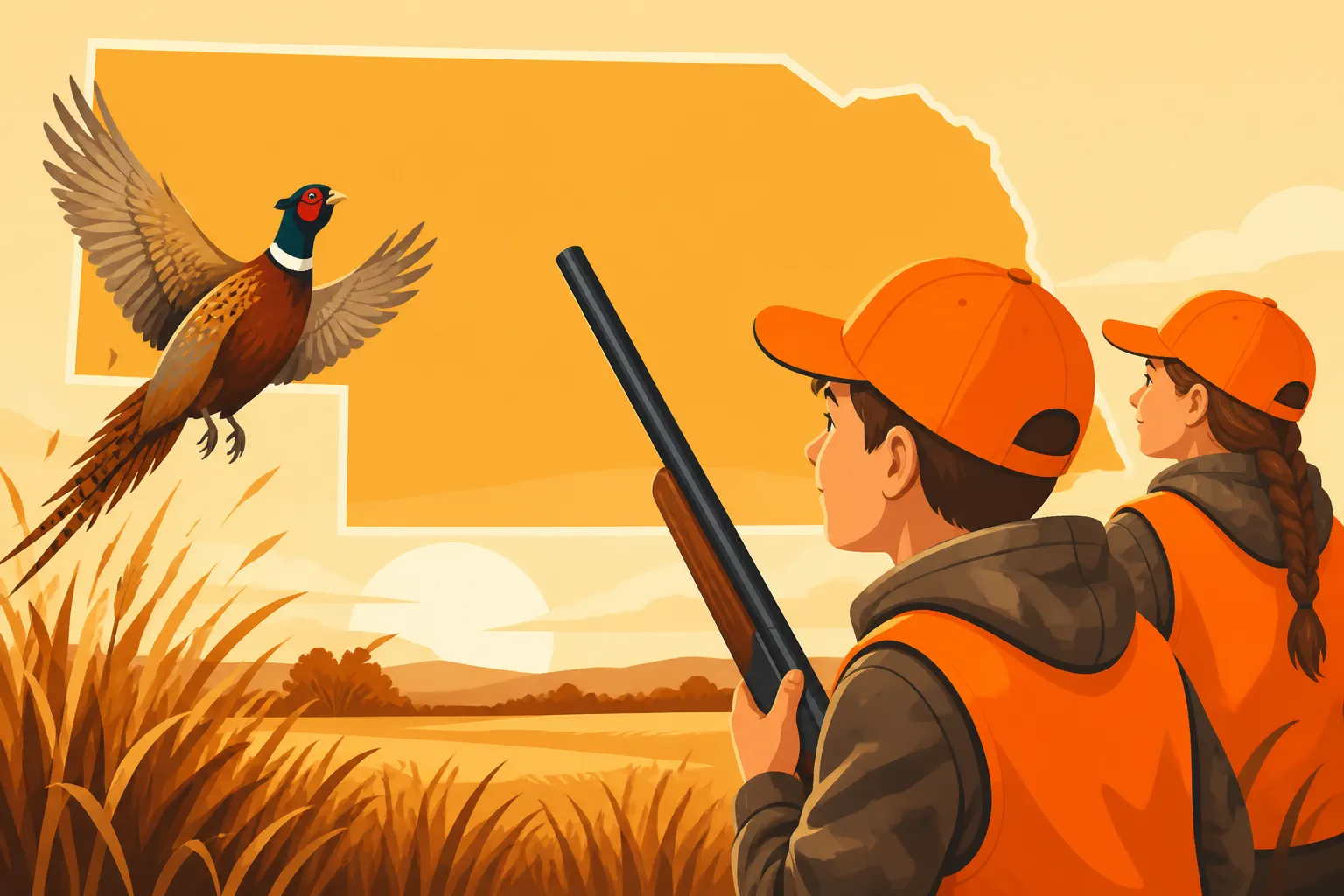
Navigating the myriad of hunting seasons and regulations can feel like a full-time job for any hunter, but when you're trying to introduce a young person to the sport, it often feels even more complicated. You want to give them the best possible start, a chance to experience the thrill of the hunt without the crowds or intense pressure of a regular season opener. That's exactly why Nebraska offers a dedicated youth pheasant season, and this guide will walk you through everything you need to know to make the most of it for your aspiring hunter.
Understanding Nebraska's Youth Pheasant Season
For many of us, the opening day of pheasant season in Nebraska brings back a flood of memories: the crisp autumn air, the rustle of dry grass, and the sudden explosive flush of a rooster. But those memories are often tinged with the reality of packed public lands, intense competition, and sometimes, a less-than-ideal environment for a new hunter still learning the ropes. That's precisely why the Nebraska Game and Parks Commission established a special season just for youth, designed to provide a safer, less crowded, and more educational experience.
Why a Dedicated Youth Season Exists
The idea behind a youth-only season is brilliant in its simplicity: create an opportunity where young hunters can learn, practice, and succeed without the added pressure of adult competition. Imagine a field where your child can focus on safe gun handling, reading their dog, and making ethical shots, rather than feeling rushed or intimidated by experienced hunters around them. This early start not only boosts confidence but also fosters a deeper appreciation for the outdoors and the traditions of hunting. It's a fantastic stepping stone before they dive into the full-blown general season. It’s also an important tool to help combat the general decline in hunting participation by nurturing the next generation of conservationists.
Key Dates and Differences from the General Season
The Nebraska youth pheasant season typically kicks off a week or two before the general pheasant season begins. This timing is crucial; it allows youth hunters to have prime access to fields that haven't yet been pressured by hundreds of other hunters. For example, in recent years, the youth season has often opened around the third weekend of October, while the Nebraska Pheasant Season Opening Date for adults falls closer to the last weekend of October. This pre-season window can be a game-changer for success. Beyond the timing, the daily bag and possession limits usually mirror those of the regular season, typically two roosters daily and eight in possession. However, always double-check the current year's Nebraska Hunting Guide, which you can often find digitally or even by cross-referencing information on platforms like GoHunt, just to be sure. It’s a small detail that can save a lot of headaches later.
Eligibility and Requirements for Young Hunters
Getting a youngster ready for their first pheasant hunt involves more than just picking a date; there are specific rules and preparations that need to be in place. It’s all about ensuring safety, legal compliance, and a positive learning environment.
Age Restrictions and Hunter Education
To participate in the youth pheasant season, hunters generally need to be 15 years of age or younger. This age range is pretty standard for youth hunting opportunities across different game species in Nebraska. A critical requirement for any young hunter, however, is completing a certified hunter education course. This isn't just a formality; it's foundational to responsible hunting. The Nebraska Hunter Education Age Requirement dictates that anyone born on or after January 1, 1986, must have completed hunter education to hunt firearms. While there's an apprentice hunter exemption that allows individuals to hunt under the direct supervision of a licensed adult without hunter education for a limited time, it's always best for a young hunter to complete the course. It instills vital safety knowledge, ethical principles, and wildlife conservation awareness right from the start. You'll find that having them go through the course makes them much more confident and capable in the field.
Necessary Permits and Licenses
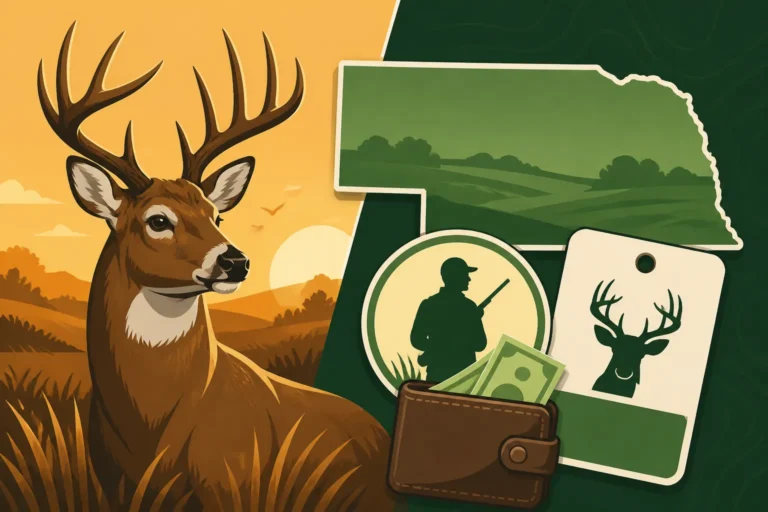
Just like adult hunters, young hunters need to have the appropriate permits and licenses to participate legally. First and foremost, they'll need a Nebraska Hunt Permit. Thankfully, Nebraska Youth Permit Prices are often significantly reduced or even free for certain permits, making it more accessible for families. In addition to the hunt permit, a Nebraska Habitat Stamp is required for all hunters 16 years of age and older. Since the youth pheasant season is specifically for those 15 and under, they generally won't need a Habitat Stamp. However, if your child is approaching their 16th birthday or will hunt other species later in the year, it's good to be aware of this requirement. All these permits can typically be purchased online through the Nebraska Game and Parks Commission website, or at authorized vendors. Having everything in order before you hit the field prevents any unnecessary stress and allows you to focus on the hunt itself.
| Requirement | Age Group | Details |
|---|---|---|
| Youth Hunt Permit | 15 years and younger | Required for all youth hunters. Often reduced in price or free. |
| Hunter Education | Born after 1/1/1986 | Mandatory for anyone using a firearm or bow. Apprentice Hunter Exemption allows supervised hunting for a limited period without certification, but full certification is highly recommended for safety and skill development. |
| Habitat Stamp | 16 years and older | Not required for hunters 15 and under participating in the youth pheasant season. Required for all hunters age 16 and above, even if accompanying a youth hunter. |
| Adult Hunter Support | All youth hunters | Youth hunters must be accompanied by a properly licensed adult (19 years or older) who has completed hunter education (if required) and holds valid permits and stamps. The adult cannot hunt pheasants during the youth season but can carry a firearm for other legal game, if permitted, and for safety. |
| Blaze Orange | All hunters | While not always specifically outlined for youth pheasant hunts, wearing blaze orange is highly recommended for safety during any upland bird hunting season, especially when multiple hunters are present. It is explicitly required during firearm deer season, and a good habit for all upland hunting. |
Practical Tips for a Successful Youth Pheasant Hunt
A successful youth hunt isn't just about bagging birds; it's about creating lasting memories, building confidence, and fostering a love for the outdoors. With a little planning and patience, you can ensure your young hunter has an experience they'll cherish.
Choosing the Right Location and Managing Expectations
Finding the perfect spot is paramount for a youth hunt. You want less crowded areas, which is a huge advantage of the early youth season. Public hunting lands in Nebraska, especially those enrolled in the Open Fields and Waters Program, can be excellent choices. These tracts are often managed for upland birds and provide ample space. However, during the general season, they can get quite a bit of pressure. With the youth season, you'll likely find much less competition. Scout areas beforehand, looking for good pheasant habitat like tall grass, crop stubble, and brushy draws. Using tools like the GoHunt app or the Nebraska Public Access Atlas can help you pinpoint promising locations and check boundaries. More importantly, manage expectations. The goal isn't to fill a limit on the first day; it's about the experience. Celebrate every step—the long walk, a bird dog working scent, even a missed shot. Make it fun, and the success will follow.
Mentorship, Safety, and Pacing the Day
Your role as a mentor is critical. This isn't your hunt; it's theirs. Focus on teaching safe gun handling above all else. Emphasize muzzle control, knowing your target and what's beyond it, and keeping fingers off the trigger until ready to shoot. These are lessons that will serve them for a lifetime. When you're out there, take frequent breaks. Young hunters can tire quickly, and pushing them too hard can sour the experience. Pack plenty of snacks, water, and warm clothing. If you have a bird dog, teach your child how to interact with it, how to read its body language, and how it helps locate birds. A good dog can make a youth hunt incredibly exciting. You might even find yourself focusing less on Walking Nebraska Pheasant Cover With a Dog yourself and more on coaching your youth hunter. Remember, patience is your greatest virtue in the field with a young hunter. Let them take their time, ask questions, and soak it all in.
Equipment and Clothing Considerations
While you don't need top-of-the-line gear, having appropriate equipment will make the experience much more enjoyable. A lightweight shotgun, typically a 20-gauge or even a .410, is often ideal for younger hunters due to its lighter recoil and easier handling. Make sure the gun fits them properly. Heavy recoil can quickly turn a fun outing into an unpleasant one. Dress in layers to adapt to Nebraska's often unpredictable fall weather. Blaze orange is a must for visibility and safety, so ensure your young hunter has a comfortable, well-fitting vest and cap. Good, broken-in boots that are suitable for walking through fields are also essential. If you plan on being out for an extended period, a small backpack for water, snacks, and extra layers will come in handy. Don't forget ear and eye protection – non-negotiable for safety.
Beyond Pheasants: Other Youth Hunting Opportunities in Nebraska
The youth pheasant season is a fantastic starting point, but Nebraska offers a wealth of other opportunities for young hunters to get involved in the outdoors, helping them build skills and a deeper connection to nature.
Deer and Turkey Youth Seasons
Nebraska is proactive in getting youth involved across various game species. Just like pheasants, there are often special seasons dedicated to youth for big game. For instance, there's a specific youth deer season, typically in early September, which offers an excellent chance for young hunters to pursue deer before the regular archery or firearm seasons open. These seasons usually have very specific date ranges and unit restrictions, so it's always critical to consult the current year's regulations. Similarly, spring turkey hunting offers a dedicated youth season that often runs for a few days before the statewide season opens. These early starts are invaluable for teaching calling techniques, camouflage, and patience in pursuit of a wily gobbler. Check out resources like Youth Deer Permits and Mentored Hunts or the Upland Season Dates and Bag Limits for more details on these and other opportunities.
Mentored Hunts and Apprentice Programs
For families new to hunting, or those with limited experience, Nebraska's apprentice hunter program is a game-changer. It allows new hunters, regardless of age, to experience hunting under the direct, close supervision of an experienced, licensed mentor without first completing hunter education. This is perfect for those who want to "try before they buy" into the full commitment of a hunter education course. However, it’s important to remember that this is a temporary waiver, and full hunter education is still the long-term goal. Additionally, various organizations and local conservation groups often host mentored hunts specifically for youth. These events provide expert guidance, often include equipment, and create a supportive community for new hunters, making the entry barrier much lower. These programs are fantastic ways to make sure a youth hunter is getting proper instruction and having a positive experience.
Fostering a Lifelong Love for the Outdoors
Ultimately, the goal of these youth hunting opportunities is to do more than just harvest game; it's about instilling a lifelong passion for the outdoors and conservation. When a young hunter learns to respect wildlife, understands habitat, and participates in ethical hunting, they become stewards of the land. These early experiences, free from intense pressure, allow them to connect with nature on a deeper level. They learn patience, observation skills, and resilience, lessons that extend far beyond the hunting field. By leveraging these dedicated youth seasons, we're not just creating hunters; we're cultivating future conservationists, ensuring the traditions and natural resources of Nebraska thrive for generations to come. It’s an investment in their future, and the future of our wild spaces.
Disclaimer
Please remember that hunting regulations, season dates, and permit requirements are subject to change annually. Always consult the most current Nebraska Game and Parks Commission hunting guide or their official website before planning any hunting trip. This guide provides general information and should not be considered a substitute for official regulations.