Bowhunting Through the November Firearm Season
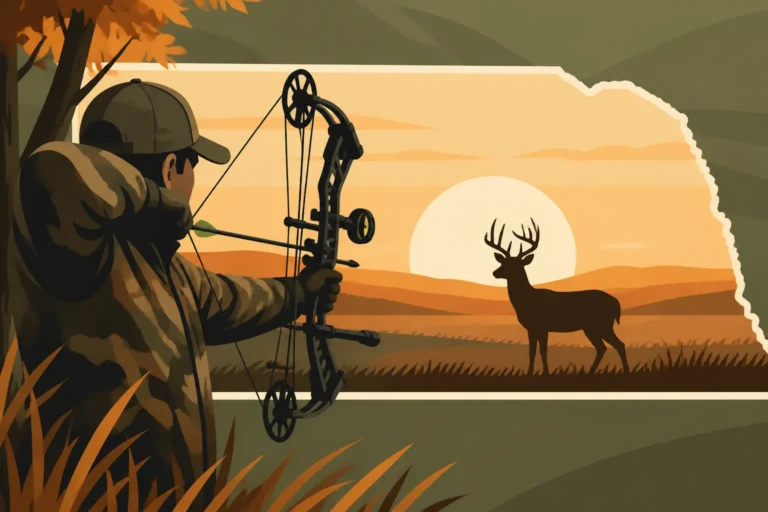
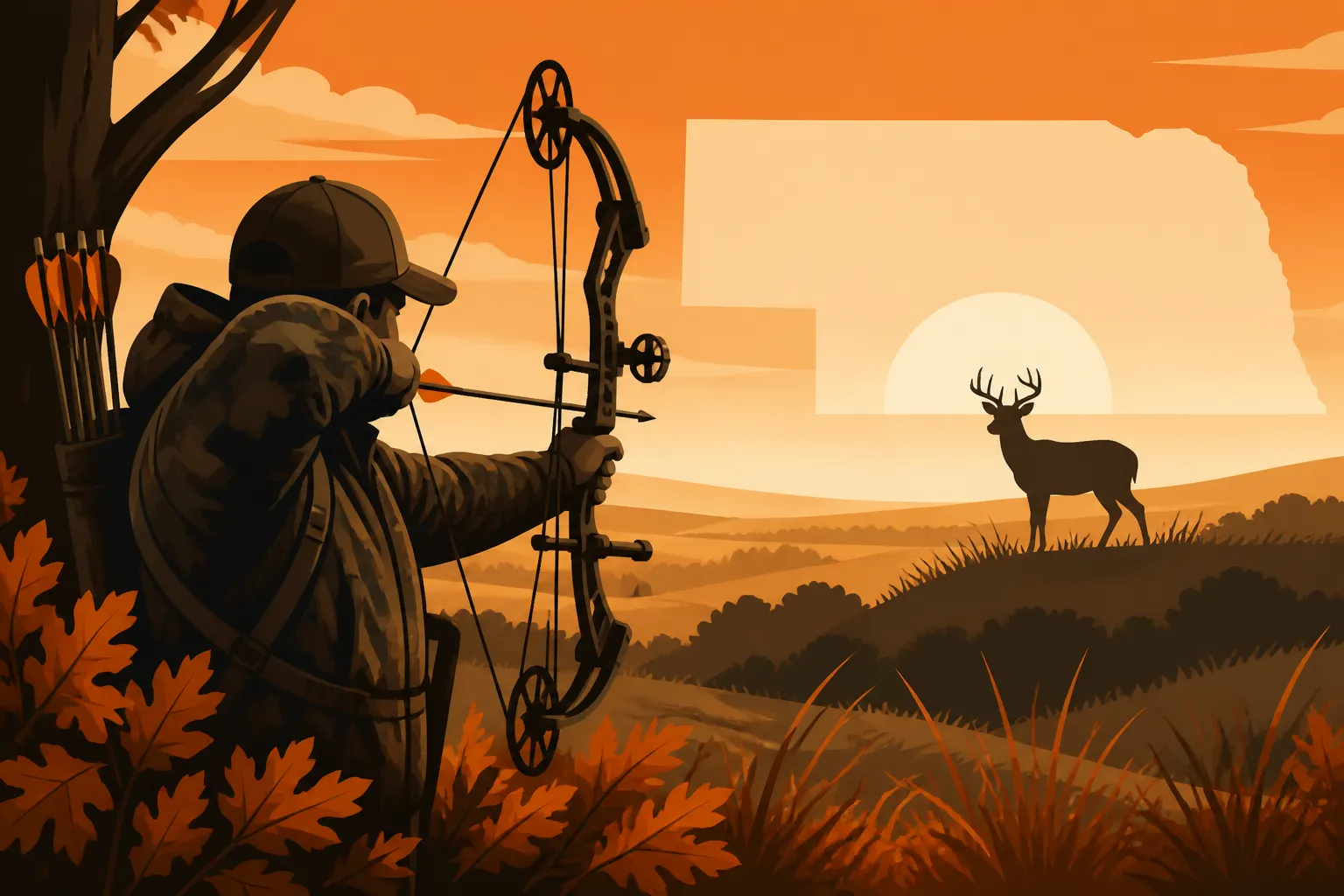
Bowhunting during Nebraska's November firearm season can feel like stepping into a whole new world, fraught with both frustration and unique opportunity. Many archers find themselves torn between the thrill of the late rut and the increased pressure from rifle hunters, often wondering if it's even worth hitting the woods. This guide aims to demystify the challenges and provide a comprehensive roadmap for bowhunters looking to navigate the busiest deer hunting season in Nebraska safely and successfully.
Navigating the November Overlap: Understanding the Season
When that nine-day firearm season opens in November, the entire deer hunting landscape in Nebraska shifts dramatically. For the dedicated bowhunter, it’s not just about managing your own hunt; it’s about understanding the broader picture, from legal requirements to the immediate impact on deer behavior.
The Calendar Conundrum: Archery Meets Firearm
Nebraska's archery deer season is incredibly generous, stretching for four months, which means it runs concurrently with the popular nine-day November firearm season. This overlap is a double-edged sword. On one hand, you're hunting during what is often the tail end of the whitetail rut, a time when bucks are still actively cruising for does, making them more vulnerable to daylight movement. The weather is typically colder, which can also get deer on their feet more during daylight hours. You might even find that you're hitting the woods just as When the Whitetail Rut Peaks in Nebraska. However, the immediate downside is the sheer volume of hunters that pour into the timber and fields.
This influx of firearm hunters creates a level of disturbance that archery hunters rarely encounter in the earlier parts of the season. Suddenly, those quiet river bottoms or secluded cedar draws are alive with the sounds of vehicles, walking hunters, and inevitably, gunshots. Deer, being highly adaptable creatures, react quickly to this increased pressure. They might become almost entirely nocturnal, retreat to the densest, most difficult-to-access cover, or even relocate to areas with less hunting activity. Understanding How Nebraska's Archery Deer Season Overlaps the Rut is crucial for setting realistic expectations and adapting your strategy. It's not about giving up, but rather recalibrating your approach to account for this change in their environment.
Blaze Orange Requirements: Your Non-Negotiable Safety Net
Safety during the firearm season is paramount, and Nebraska has clear, non-negotiable rules for anyone hunting deer, including archers, during the November firearm season. If you are bowhunting during this period, you are required to wear blaze orange. This isn't just a suggestion; it's a legal mandate designed to protect every hunter in the field. The specific requirement is 400 square inches of blaze orange on your head, chest, and back. This typically means a blaze orange hat and a vest.
It’s easy for archers, who are accustomed to relying on camouflage for stealth, to resent having to wear such a bright color. However, you must embrace it. Your visibility to other hunters takes precedence. Think of it as your most important piece of gear during these nine days. There’s simply no debating it. Even if you're in a ground blind or a treestand, that orange must be visible from all directions. This rule is in place for a good reason: to prevent tragic accidents. Make sure you understand all the specifics of the Orange Rules That Apply During Archery Season. It's a small inconvenience for a massive gain in safety. Remember, while you’re trying to avoid detection from deer, your ultimate goal is to be seen and identified by every other hunter in the vicinity.
Deer Behavior Under Pressure: What to Expect
Deer are incredibly resilient, but they are also highly sensitive to pressure. When the Nebraska firearm season kicks off, their behavior changes almost overnight. Those predictable patterns you might have observed during the early archery season often go out the window. Deer will seek out the thickest cover they can find – dense cedar thickets, impenetrable plum thickets, deep creek bottoms, or the standing corn that hasn't been harvested yet. They become much more wary, moving cautiously and typically sticking to heavy cover, especially during daylight hours.
You’ll notice a shift from open feeding patterns to quick, furtive movements between bedding and food sources, often utilizing every ditch, creek bank, and fence line for concealment. They might even move into residential areas or properties that aren't hunted, finding refuge there. Understanding What Changes in Nebraska After the Corn Comes Off is critical because suddenly, those fields that offered excellent cover are now wide open, forcing deer into different holding areas. This means your scouting in October might need a rapid adjustment. The biggest bucks, in particular, will become almost phantom-like, moving at the faintest hint of danger. For the bowhunter, this means you must be prepared to get into their sanctuary, often requiring more patience and a willingness to hunt in extremely dense areas that most rifle hunters might avoid.
Strategic Bowhunting Tactics for Firearm Season Success
Bowhunting during the firearm season demands a significant shift in strategy. What worked in September or early October likely won't cut it when the woods are full of bright orange. It’s about adapting, thinking like a pressured deer, and leveraging every advantage you can find.
Choosing Your Stand Site Wisely
During the firearm season, your choice of stand location becomes even more critical. You can no longer rely on routine deer movement in open areas. Instead, you need to focus on sanctuaries and pinch points that offer security cover, often in places that firearm hunters overlook or find too difficult to access. Think about thick, nasty areas that provide bedding cover adjacent to food sources. This could be a dense CRP field with tall grass, a tangled river bottom, or a secluded timber patch on private ground that acts as a refuge. These are the spots where deer will try to ride out the storm.
Consider areas where multiple cover types converge, creating natural funnels. A small strip of timber between two large open fields, a deep ravine that crosses a wide-open pasture, or even an unharvested pocket of standing beans can become a deathtrap for deer trying to escape pressure. You might even find success in setting up along known escape routes that deer use when pushed from a neighboring property. When considering Choosing a Treestand Site on Nebraska Farmland, look for those overlooked pockets, creek crossings, or isolated woodlots that offer a sense of security. The goal is to ambush a deer that feels safe or is being pushed.
Utilizing Cover and Terrain to Your Advantage
In open Nebraska country, especially during the firearm season, deer are incredibly sensitive to human presence. Maximizing your use of cover, both for concealment and for directing deer movement, is paramount. If you're hunting more open terrain, consider using a ground blind. A well-brushed-in ground blind can offer excellent concealment and can be a fantastic option in areas where treestands are not practical or where the cover is sparse. Think about setting up a Ground Blinds in Open Nebraska Country on the edge of a cornfield that still has standing stalks, or along a thick fencerow that deer use for travel.
For treestand hunters, focus on dense trees that offer plenty of cover for you, even if it means sacrificing a perfect shooting lane. A little extra concealment goes a long way. Use topography to your advantage as well. Deep draws, creek beds, and elevated ridges can provide natural travel corridors for deer trying to stay out of sight. A ridge line might offer a high vantage point for deer to observe their surroundings before venturing out, or a deep draw might be a hidden highway. Always pay attention to Wind Direction on Open Nebraska Prairie Stands as it will dictate both your approach and the deer's movement patterns. If you're on a two-track, a quick check on GoHunt's mapping features can show property lines and topography to help you pinpoint these spots.
Calling and Decoying: Enhancing Your Odds
While the primary rut activity might be winding down for some deer, others are still very much in the game. Don't underestimate the power of calling and decoying during the November firearm season. The increased pressure can make deer more cautious, but it can also make a buck desperate enough to respond to a well-placed call. Grunts, bleats, and even rattling can still be effective, especially if you're targeting those areas where bucks might be seeking refuge with unbred does. A subtle grunt can be just enough to draw a curious buck into bow range. Consider using Grunt Calls in Thick River Timber where sound travels less far, making your calls seem more localized and less alarming.
Decoys can also play a role, particularly a well-placed buck or doe decoy in a visible but secure location. A buck decoy might challenge an approaching male, while a doe decoy might pique the interest of a cruising buck. Always be aware of your surroundings when using decoys, especially during firearm season, and position them so that you are never directly behind them. Remember, deer might respond cautiously, so patience is key. Having the right tools and knowing when to use them is essential for success.
Essential Gear and Mindset for the November Bowhunter
November in Nebraska can be brutally cold, often with biting winds. Beyond that, the mental game of bowhunting amidst firearm season pressure is significant. Your gear and your mindset need to be in top form.
Staying Warm and Concealed: The Right Apparel
Staying warm and comfortable is not just about personal preference; it directly impacts your ability to sit still, remain focused, and ultimately, be successful. Layering is absolutely critical for November hunting in Nebraska. Start with a good base layer that wicks moisture away from your skin, add insulating mid-layers like fleece or down, and top it off with a windproof and waterproof outer shell. Given the blaze orange requirement, you'll want to ensure your outer shell, or at least a significant portion of it, meets the 400 square inch rule. For more in-depth advice on keeping warm, check out Layering for a Nebraska November Sit.
Don't forget the extremities! Your head, hands, and feet are crucial for heat retention. A warm blaze orange beanie, insulated gloves or mittens, and high-quality, insulated, waterproof boots are non-negotiable. Cold feet can cut a hunt short faster than almost anything else. If you're spending hours on stand, good boots, perhaps even with chemical warmers, are essential. Read up on Insulated Boots for a Firearm Season Sit to ensure your feet stay toasty. While you're wearing orange, your remaining clothing should still be camouflage to break up your outline against the background, giving you every advantage when a wary deer finally appears.
Optics and Tracking: Post-Shot Readiness
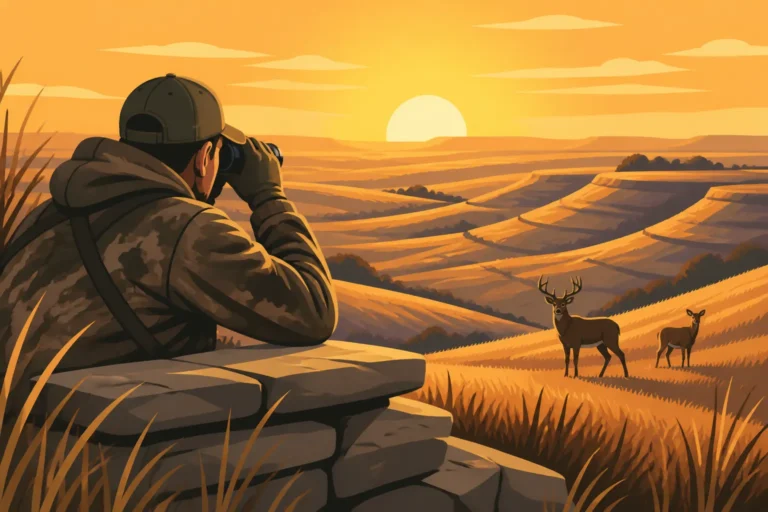
Having the right optics is always important, but during the firearm season, when deer might be moving quickly or subtly, and cover is at a premium, quality binoculars are invaluable. Use them to pick apart distant cover, identify subtle movements, and confirm whether that dark shape is a deer or just a stump. Beyond the shot, however, your most crucial gear might be what helps you recover your animal. Deer wounded during high-pressure times tend to run farther and hide deeper.
Always carry a powerful headlamp or flashlight, and ensure its batteries are fresh. A good rangefinder is also helpful for making precise shots if a buck offers a fleeting opportunity. The best bowhunters understand that the hunt doesn't end until the animal is recovered. Given the likelihood of deer heading for the thickest cover, preparing for a difficult track is smart. Using a reliable GPS unit or a hunting app like GoHunt on your phone to mark the shot location and initial blood trail can be a lifesaver, especially if you have to track after dark. Knowing how to efficiently field dress and cool your game, especially if temperatures are still mild, is another crucial skill. In some scenarios, you might even find yourself needing to learn Tracking a Deer in Sandhills Grass if you're hunting in western Nebraska.
Mental Fortitude: Embracing the Challenge
Let's be honest, bowhunting during Nebraska's firearm season isn't for the faint of heart. It can be frustrating to hear gunshots echoing through the woods, knowing that deer are being pushed around. It can be disheartening to see other hunters, sometimes in places you thought were secluded. However, successful bowhunting during this period requires a significant dose of mental fortitude. You need to be patient, adaptable, and resilient. Don't let the pressure get to you.
Instead, view the firearm season as a unique challenge and an opportunity. The same pressure that pushes deer away from some areas might push them directly into your ambush site. Embrace the quiet moments between the bursts of activity. Focus on your process, your breath, and your unwavering commitment to a clean, ethical shot. Trust your scouting, your gear, and your instincts. The deer that you do encounter will likely be extremely wary, so every encounter will be hard-earned and incredibly rewarding.
Respecting Other Hunters and the Resource
While our primary focus is on how to succeed as a bowhunter, it’s vital to acknowledge and respect the hunting community around you, especially during a shared season. This means being mindful of other hunters, understanding ethical boundaries, and acting as a responsible steward of the natural resource.
Good etiquette goes a long way. If you see another hunter, a simple wave or nod is often appreciated. Avoid setting up too close to another hunter if you can help it, and always be aware of your backdrop and what lies beyond your target. Communication, where possible, can prevent misunderstandings or even dangerous situations. Remember, everyone out there is enjoying the outdoors, and while you might be chasing the same deer, a shared respect for the experience benefits everyone. Hunting is a privilege, and upholding its integrity by following rules, respecting wildlife, and being considerate of others ensures that privilege continues for future generations.
| Safety Rule / Requirement | Description | Applicability for Bowhunters During Firearm Season | Notes |
|---|---|---|---|
| Blaze Orange | 400 square inches on head, chest, and back. | REQUIRED | This is the most crucial safety measure. Your camo is secondary. |
| Hunter Education | Required for hunters born after January 1, 1986. | Required | Applies to all hunters, regardless of weapon type or season. |
| Legal Shooting Hours | 30 minutes before sunrise to 30 minutes after sunset. | Applies | Stick to these hours. No early or late shots. |
| Carcass Tagging | Immediately attach valid permit tag to carcass. | Applies | Essential for legal transport and possession. |
| Private Land Permission | Written permission required to hunt private land. | Applies | Always get permission, even if you’ve hunted there before. |
| Tree Stand/Blind Rules | No permanent stands/blinds on public land; remove daily or label. | Applies | Be aware of specific WMA or public land rules regarding structures. |
Disclaimer
Please note that hunting regulations, seasons, and permit requirements can change. Always consult the most current Nebraska Game and Parks Commission regulations before planning any hunt. This guide is for informational purposes only and should not be considered a substitute for official legal documentation.