Base Layers for a Nebraska November
Hunting in Nebraska during November brings a unique set of challenges. One moment you might be sweating from a brisk walk to your stand, and the next, you're shivering as a biting prairie wind cuts through your layers, making those long sits feel utterly miserable. Choosing the right base layers isn't just about comfort; it's about staying focused, healthy, and ultimately, effective in the field. This guide will walk you through everything you need to know to pick the perfect foundational clothing to conquer those unpredictable Nebraska November conditions.
The Non-Negotiable Necessity of Base Layers for Nebraska November Hunting
Let's face it, nobody wants to be uncomfortable when they're trying to outsmart a whitetail or track a mule deer across the Sandhills. November in Nebraska is notorious for its wild swings in temperature, often starting well below freezing at dawn and climbing to a surprisingly mild afternoon, only to plummet again with the sunset. This volatility is precisely why a well-thought-out base layer system is not just a nice-to-have, but an absolute necessity for any serious hunter.
The Battle Against Sweat and Chill: How Base Layers Work
The primary job of your base layer is to manage moisture, specifically your sweat. When you exert yourself – whether it's climbing into a treestand, still-hunting a river bottom, or dragging a deer – your body produces sweat to cool down. If that sweat sits against your skin, it will quickly cool once you stop moving, leading to a phenomenon known as "post-exertion chill." This is the enemy of comfort and safety in cold weather.
Effective base layers are designed with moisture-wicking properties. This means they pull sweat away from your skin and transfer it to the outer surface of the fabric, where it can evaporate. This keeps your skin dry, which in turn keeps you warm. Think of it like a one-way street for moisture: out, but not in. Without this critical function, any warmth your other layers provide will be undermined by dampness, making you feel much colder than the ambient temperature suggests. This is why you should absolutely avoid cotton for base layers; cotton absorbs and holds moisture, effectively turning your shirt into a cold, wet sponge.
Maintaining Core Temperature in Variable Conditions
Nebraska's November weather can be a real rollercoaster. You might have calm, sunny days where the mercury reaches the 40s or even 50s, followed by blustery, overcast days that barely break freezing, often accompanied by strong winds that make it feel even colder. A good base layer acts as your first line of defense in regulating your core body temperature through these shifts. It helps trap a layer of warm air close to your body when it's cold, and when you start to warm up from activity, its wicking ability prevents overheating and excessive sweating.
This ability to adapt is crucial. For instance, you might be out for Hunting the Pre-Rut in Late October and experience milder conditions, but as November progresses towards the peak of the rut and into the later weeks, the cold intensifies. If your base layer can't handle both the initial chill and the heat generated from, say, a quick retrieve or a long hike, you're going to be constantly adding and shedding layers, which is disruptive and inconvenient. The right base layer provides a stable thermal foundation, making your outer layers more effective and your hunting experience far more enjoyable.
The Impact on Scent Control (Yes, Even Base Layers Help)
While proper hygiene and specialized scent-control outer layers are often emphasized for deer hunting, your base layers also play a subtle but important role. Sweat is a breeding ground for bacteria, and it's these bacteria, not the sweat itself, that produce human body odor. By quickly wicking moisture away from your skin, base layers help to reduce the damp environment that bacteria thrive in.
Some base layer materials, particularly merino wool, have natural antimicrobial properties that can further inhibit odor-causing bacteria. This doesn't mean you can skip showering or washing your hunting clothes, but it adds another layer of defense against giving away your position to a wary buck. When you're spending hours in a blind or Choosing a Treestand Site on Nebraska Farmland, anything that helps minimize your scent footprint is a significant advantage. Many successful Nebraska hunters, as you'll see discussed on forums or even in articles curated by groups like GoHunt, emphasize that the base layer is truly the foundation of any effective cold-weather system, including considerations for scent.
Deciphering Base Layer Materials: Wool, Synthetics, and Blends
The world of base layers offers a few core material choices, each with its own set of advantages and disadvantages. Understanding these differences is key to making an informed decision that suits your hunting style and the specific conditions you'll face during a Nebraska November.
Merino Wool: The Natural Wonder
Merino wool has become a darling in the hunting and outdoor community, and for good reason. Sourced from merino sheep, this natural fiber is incredibly fine, making it soft against the skin and far less itchy than traditional wool. Its standout features include excellent warmth-to-weight ratio, even when wet. If you get caught in a light drizzle or work up a sweat, merino will continue to insulate, a massive advantage over synthetic materials that lose most of their thermal properties once damp. It also boasts natural odor-resistant properties, meaning you can wear it for multiple days without it smelling like a locker room, which is a huge plus on multi-day hunts or when dealing with fluctuating temperatures.
However, merino wool isn't without its drawbacks. It tends to be more expensive than synthetic options, and it can be less durable, sometimes prone to developing small holes with heavy use or snags. It also takes longer to dry than synthetics. For long sits in a treestand during a brutally cold morning, merino wool is often the preferred choice among seasoned hunters looking for maximum warmth and comfort without carrying a lot of bulk. It's a fantastic option for Cold Weather Sitting Strategy where consistent warmth is paramount.
Synthetic Powerhouses: Polyester and Polypropylene
Synthetic base layers, primarily made from polyester or polypropylene, are the workhorses of the base layer world. Their main advantages lie in their superior moisture-wicking capabilities and extremely fast drying times. If you're planning an active hunt, perhaps Walking Nebraska Pheasant Cover With a Dog in cooler conditions or executing Deer Drives on Small Nebraska Timber, synthetics excel at moving sweat away from your body quickly and drying out rapidly once you stop moving. They are also generally more durable and significantly more affordable than merino wool.
The main downside of synthetics is their tendency to retain body odor over time. While many modern synthetics are treated with antimicrobial finishes to combat this, they still don't match wool's natural ability in this department. For hunters who prioritize quick drying, durability, and a lower price point, especially if they plan on high-exertion activities, synthetics are an excellent choice. They are easy to care for and can withstand repeated washing and abuse in the field.
Blended Fabrics: The Best of Both Worlds?
As technology advances, so do the options in hunting gear. Many manufacturers now offer blended base layers, combining the best attributes of both merino wool and synthetic fibers. These blends often aim to leverage wool's warmth and odor resistance with synthetics' durability, faster drying times, and sometimes, a more comfortable stretch.
A typical blend might feature a higher percentage of merino wool for warmth and feel, with a smaller percentage of polyester or nylon added to the exterior for improved durability and faster moisture transport. These hybrids can be an excellent compromise, offering a balanced performance that might suit a wider range of Nebraska hunting scenarios, from stationary sits to more active stalks. Before investing in new base layers, it's always smart to check reviews and gear guides, maybe even some of the deeper dive articles you'd find on platforms like GoHunt, to see what other hunters are saying about performance in similar conditions.
Here's a quick comparison of these popular base layer materials:
| Feature | Merino Wool | Synthetic (Polyester/Polypropylene) | Blended Fabrics |
|---|---|---|---|
| Warmth (wet) | Excellent (insulates well when damp) | Poor (loses most insulating power) | Good (retains warmth better than pure synthetic) |
| Moisture Wicking | Good | Excellent | Very Good |
| Drying Time | Moderate | Fast | Moderate to Fast |
| Odor Resistance | Excellent (natural antimicrobial) | Poor to Fair (relies on treatments) | Good |
| Comfort | Very Soft | Smooth, often stretchy | Soft, adaptable |
| Durability | Fair to Good (can be prone to holes) | Excellent | Good to Very Good |
| Price | Higher | Lower | Moderate to Higher |
| Best Use Case | Long, cold sits; multi-day hunts | High-activity hunts; budget-friendly | Versatile; balances performance |
Finding Your Perfect Fit and Weight for Nebraska's Demands
Beyond the material, the weight and fit of your base layers are equally critical to their performance, especially when dealing with the varied conditions of a Nebraska November. You wouldn't wear the same base layer for a brisk October archery hunt as you would for a frigid late-November rifle sit, and understanding these nuances will significantly enhance your comfort.
Understanding Base Layer Weights: Lightweight, Midweight, Heavyweight
Base layers come in different weights, typically categorized as lightweight, midweight, and heavyweight. Each is designed for specific temperatures and activity levels:
-
Lightweight Base Layers: These are designed for active pursuits in cool-to-cold weather or as a foundation layer in milder conditions. They offer maximum breathability and wicking, making them ideal for high-exertion activities. In Nebraska, a lightweight base layer might be appropriate for an early November pheasant hunt where you're constantly moving, or as a first layer on a milder deer hunting day if you anticipate a long walk to your stand. They won't provide a ton of insulation on their own, but they are crucial for sweat management.
-
Midweight Base Layers: This is often the most versatile choice for Nebraska November hunting. Midweight base layers strike a balance between warmth and breathability, making them suitable for a wide range of cold weather activities where you might have periods of both activity and stillness. For many deer hunters who face average November temperatures, a midweight merino or synthetic blend will serve them well, providing enough insulation for moderate sits while still managing sweat effectively during movement. This weight is generally a safe bet when you're unsure how much the weather will fluctuate.
-
Heavyweight Base Layers: When the mercury truly plummets, and you're planning for extended periods of minimal activity – such as an all-day stand sit during a late-November cold snap or Nebraska Muzzleloader Deer Tactics in December – heavyweight base layers are your best friend. They offer maximum insulation and are designed for extreme cold. While they might be too warm for highly active hunts, they are indispensable for sedentary activities in deep cold. When the Wind Direction on Open Nebraska Prairie Stands is screaming and the temperature struggles to get above freezing, a heavyweight base layer is what you want closest to your skin.
The Importance of a Proper Fit
The effectiveness of any base layer hinges on its fit. For optimal performance, a base layer should fit snugly against your skin, like a second skin, without being constrictive or uncomfortable. This close contact is essential for two key reasons:
First, it allows the fabric to efficiently wick moisture away from your body. If there are gaps between the fabric and your skin, sweat can pool, reducing the wicking action and leaving you damp. Second, a snug fit minimizes air pockets, which helps to trap a thin layer of warm air against your body, providing insulation. Baggy base layers, conversely, allow cold air to circulate next to your skin, negating their insulating properties.
While the fit should be close, it shouldn't restrict your movement. You need to be able to draw your bow, shoulder your rifle, and move freely without feeling any tugging or binding. Pay attention to the shoulders, armpits, and crotch area to ensure a full range of motion. Modern base layers are designed with stretch to accommodate this, so don't equate "snug" with "tight."
Matching Base Layers to Activity Level and Forecast
The ultimate decision on which base layer to wear comes down to a careful assessment of your planned activity and the weather forecast. Using weather forecasting tools, perhaps even those integrated into advanced hunting apps like some offered by GoHunt, will help you decide between a midweight or heavyweight base layer each morning.
Consider these scenarios:
-
Active Upland Hunting: If you're going to be constantly on the move, covering ground while Walking Milo and Corn Stubble for Pheasants, you'll likely generate a lot of body heat. A lightweight or midweight synthetic base layer would be ideal to wick away sweat quickly and prevent overheating, even if the air temperature is quite cool. You might even opt for just a lightweight top with midweight bottoms.
-
Deer Stand Sitting: For a stationary deer hunt, especially during those frosty November mornings, warmth is paramount, and moisture management is still important if you're walking to the stand. A midweight or heavyweight merino wool or blend top and bottom would be a strong choice. This ensures you stay warm through hours of minimal movement, especially if you plan on extended durations in a stationary position. Remember to layer your Wind-Blocking Outerwear for the Plains over this to cut the chill.
-
Variable Conditions: Nebraska's weather can be notoriously unpredictable. If the forecast calls for a wide temperature swing throughout the day, a midweight blend offers a good compromise. You get decent insulation for the cold morning and sufficient wicking for a warmer afternoon. Always remember that it's easier to shed an outer layer than to add a base layer once you're in the field.
Integrating Base Layers into Your Full Nebraska Layering System
Understanding base layers is just the first step; their true power is unlocked when they are integrated correctly into a complete layering system. Think of it as building a house – the foundation (base layer) is critical, but it won't keep you warm and dry without walls (mid-layers) and a roof (outer shell). In Nebraska's November conditions, a well-executed layering system is your best defense against the elements.
The Mid-Layer Connection: Adding Insulation and Versatility
Once your base layer is doing its job of wicking moisture, your mid-layer steps in to provide the bulk of your insulation. Mid-layers are designed to trap air, which is then warmed by your body heat, creating a thermal barrier. Common mid-layer materials include fleece (polyester), down, or synthetic puff-insulation.
For a November hunt in Nebraska, a fleece jacket or vest is a popular choice for a mid-layer. It's breathable, relatively lightweight, and continues to insulate even if it gets a bit damp. For colder days, a puffy jacket or vest with down or synthetic insulation offers superior warmth-to-weight. The key is that your mid-layer should complement your base layer without hindering its wicking performance. A good mid-layer should be easy to add or remove as your activity level and the ambient temperature change, allowing you to regulate your comfort throughout the day. This adaptability is key to enduring those longer periods, like when you're executing Nebraska Muzzleloader Deer Tactics in December.
Outer Shells: Protection from Wind and Precipitation
No matter how effective your base layer and mid-layers are, they'll struggle to keep you warm and dry if exposed directly to Nebraska's often harsh November wind, rain, or snow. This is where your outer shell comes into play. The outer shell's primary role is to protect you from the elements while allowing moisture vapor (sweat that has been wicked by your base layer and passed through your mid-layer) to escape.
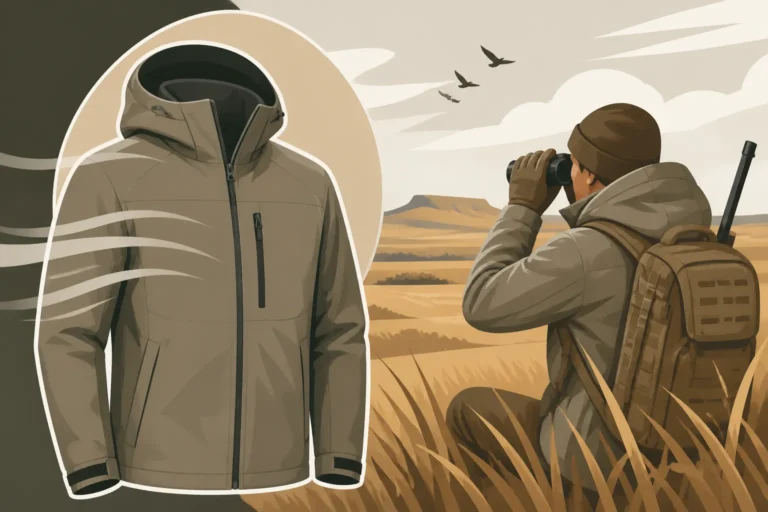
A good outer shell for Nebraska hunting needs to be windproof and water-resistant or waterproof, depending on the forecast. Look for materials like Gore-Tex or similar proprietary waterproof/breathable membranes. Wind is a particularly nasty enemy on the open Nebraska plains or in river bottoms; a strong wind can strip away your body heat incredibly quickly, a phenomenon known as wind chill. An effective outer shell will block this wind entirely, allowing your inner layers to perform optimally. Remember to check out specialized Wind-Blocking Outerwear for the Plains to ensure you're getting the best protection.
Head, Hands, and Feet: Don't Forget the Extremities
While base layers cover your torso and legs, it's crucial not to overlook the importance of keeping your extremities warm. Your body prioritizes keeping your core organs warm, and it does this by constricting blood flow to your hands and feet first. If your hands and feet get cold, your entire body will feel colder, regardless of how well-layered your core is.
- Headwear: A warm hat is essential, as a significant amount of body heat can be lost through your head. A beanie, a balaclava, or a hood integrated into your outer shell will make a huge difference.
- Gloves/Mitts: For long sits, insulated mittens are often warmer than gloves, as they allow your fingers to share warmth. For active hunts, thin liner gloves might be sufficient, with warmer gloves or mitts carried for when you slow down.
- Socks: Just like your base layers, avoid cotton socks. Opt for merino wool or synthetic blend socks designed for cold weather. They should fit snugly to prevent bunching but not be so tight that they cut off circulation. Paired with quality Insulated Boots for a Firearm Season Sit, proper socks complete your foot warmth system.
By thinking of your hunting attire as a comprehensive system – starting with those critical base layers and building outwards – you can tailor your clothing to meet the diverse and often challenging conditions of a Nebraska November, ensuring you stay warm, dry, and focused on the hunt.
Disclaimer
This article is for general informational purposes only and does not constitute professional advice. Laws, prices and regulations vary by location and change over time. Consult a qualified professional for guidance on your specific situation.