Reading Wind on the Nebraska Plains
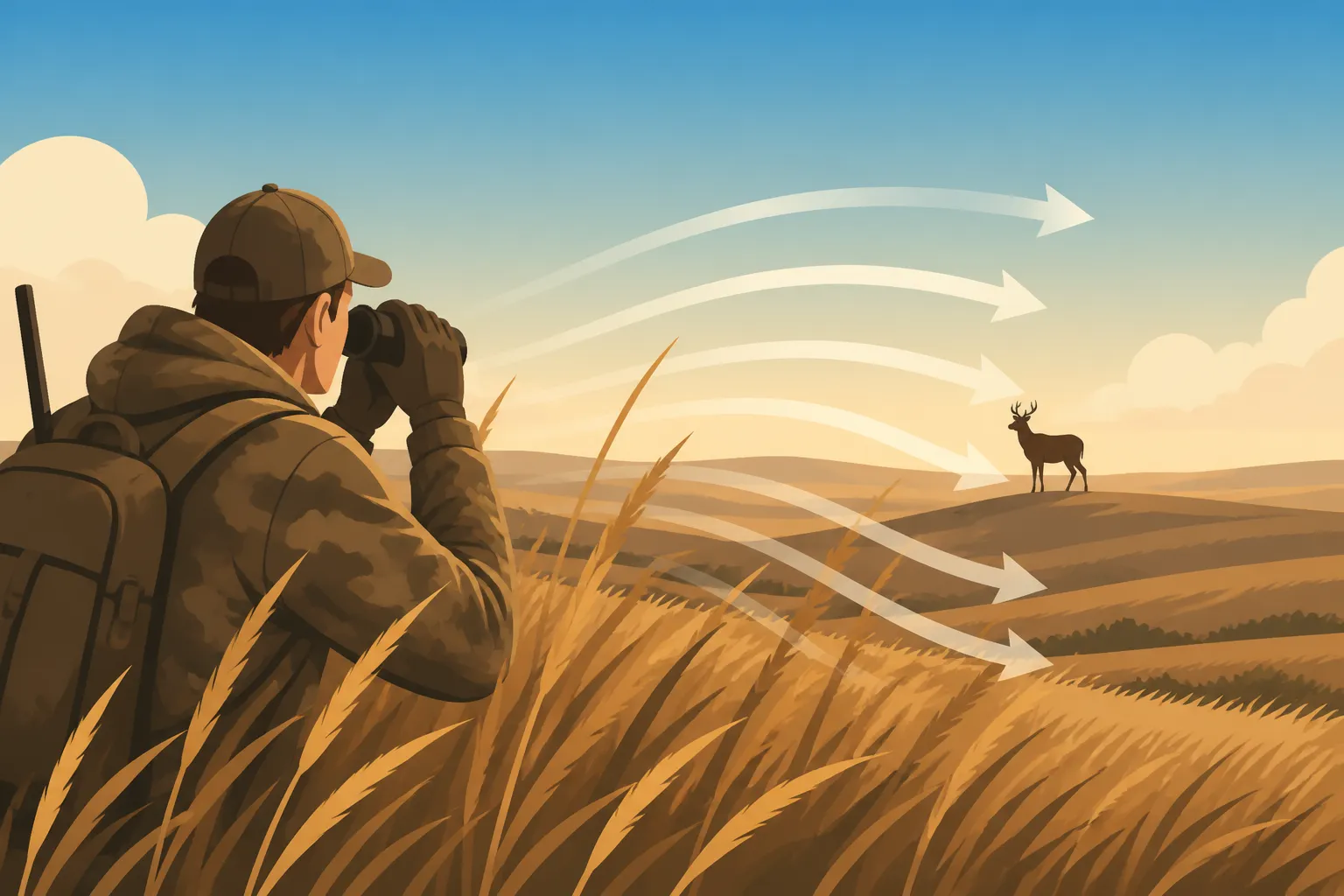
Oh, the Nebraska wind. If you've spent any time hunting out here, you know it's not just a weather phenomenon; it's a living, breathing entity that dictates everything from deer movement to your scent cone. Many a promising hunt has been dashed because a hunter didn't truly understand how to read and respond to the ceaseless breezes that sweep across our plains. This guide isn't about fighting the wind; it's about making it your silent partner, helping you decipher its whispers and roars so you can get closer to your quarry.
The Unseen Predator: Why Wind Dominates Nebraska Hunting
Out here in Nebraska, especially on the vast, open plains, the wind isn't just a minor inconvenience; it's arguably the single most critical factor in a successful hunt. It governs everything, often more than temperature or precipitation. For newcomers or those accustomed to more sheltered, timber-heavy hunting grounds, this can be an incredibly frustrating realization. You can have all the latest gear, know your exact shot distance, and even scout a prime location, but if you misread the wind, it can all unravel in an instant.
Scent Control: The Wind's Primary Domain
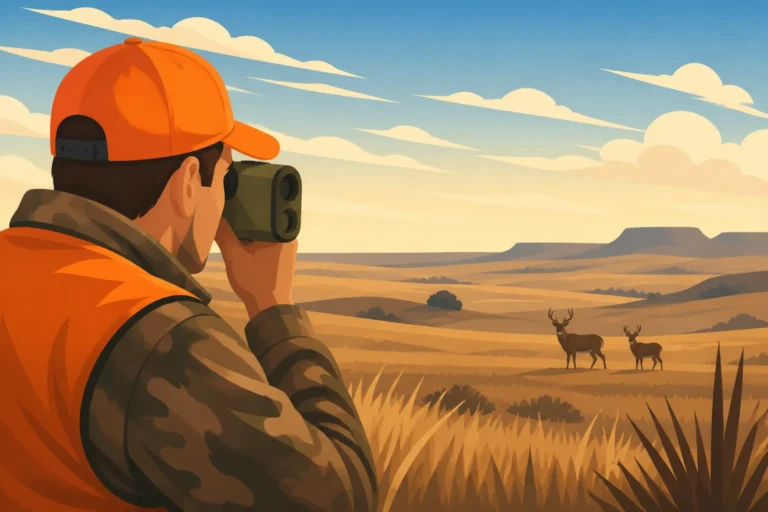
Let's be real: deer, antelope, and even pheasants don't have super eyesight or hearing like they do an incredible nose. Their sense of smell is their superpower, their primary defense mechanism, and the wind is what carries your human scent directly to them. Imagine spending hours on a stalk for a Sandhills mule deer, belly-crawling through the yucca and grass, only for a subtle shift in wind to carry your scent ahead of you, causing that buck to bolt before you even get a glimpse. It's soul-crushing, and it happens to the best of us. That's why understanding how air currents move your scent is paramount. Without this knowledge, all the scent-eliminating sprays and special detergents in the world are just a hopeful gesture against a fundamental force of nature.
Beyond deer, consider Stalking Pronghorn Across Open Nebraska Ground. Antelope can see you from miles away, but it's often the wind that betrays your final approach, swirling your scent around corners you thought were safe. Even bird hunting benefits from wind awareness; pheasants often hold tighter into the wind, making your dog's job, and yours, a little easier. Knowing how to mitigate your scent's travel, or even use it to push game where you want it, transforms your hunting strategy from hopeful to tactical.
Sound and Movement: The Wind's Deceptive Influence
While scent is the big one, don't underestimate how wind impacts sound and movement. A strong gust can mask the sound of your footsteps as you Still-Hunting Nebraska Cedar Draws, allowing you to close the distance without alerting bedded deer. Conversely, the rustle of dry leaves or the creak of your treestand in a shifting breeze can carry further than you'd think, especially if the wind is blowing towards your target. The wind also influences how game animals move. On bitterly cold, windy days, deer will often seek out sheltered draws, cedars, or river bottoms, making those areas high-priority scouting targets.
Consider also how wind affects your own movements. Trying to hold steady for a shot in a stiff crosswind can be a real challenge, even with a solid rest. Your arrow flight or bullet trajectory can be significantly altered, especially at longer ranges common on the plains. This is why practicing your shooting in varying wind conditions, not just on a calm range, is crucial for hunting in Nebraska. Rifle Ranges Realistic in Open Country often means factoring in crosswinds that could push your shot several inches off target.
Decoding the Air: Understanding Wind's Behavior on the Plains
The wind on the Nebraska Plains isn't always a simple, steady breeze. It swirls, it eddies, it accelerates, and it creates microclimates that can fool even experienced hunters. Learning to "read" the wind is a skill honed over seasons, but understanding the basic principles of how it interacts with terrain and temperature is a massive head start.
Topographical Wind Shifts: Gullies, Bluffs, and River Bottoms
While Nebraska might seem flat, it's far from featureless. Every little gully, bluff, shelterbelt, or river bottom creates its own localized wind dynamics. In open country, the wind generally follows the prevailing direction, but as soon as it hits an obstruction, it can do some wild things. Think of a deep draw: wind blowing over the top might create a downward draft on one side and an upward eddy on the other. This is especially true in places like the Pine Ridge or the Sandhills, where rolling hills and canyons redirect air currents in complex ways. A seemingly light breeze on top of a hill can become a swirling vortex in the valley below.
River bottoms, with their dense timber and steep banks, are notorious for creating unpredictable thermals and swirling winds, often described as "washing machine" winds. These areas can be incredibly productive for River-Bottom Whitetail Hunting in Eastern Nebraska, but they demand constant vigilance regarding wind direction. The wind can even follow the river's path, creating an entirely different flow than what you feel 50 yards up on the bank. Knowing how to navigate these tricky conditions is the difference between a successful hunt and alerting every deer in the area.
Thermal Winds: The Daily Cycle of Air Movement
Beyond topographical influence, thermal winds are a daily occurrence that every Nebraska hunter must consider. These are caused by temperature changes throughout the day. As the sun rises and warms the earth, air begins to rise, creating an upward draft – "uphill" thermals. As the sun sets and the earth cools, air sinks, creating "downhill" thermals. On the vast plains, this might translate to air rising off warm, dark crop fields and moving across cooler, grassy areas, or vice-versa.
In a place like the Nebraska Sandhills, where massive dune formations absorb and release heat, these thermals are incredibly pronounced. Understanding Wind and Thermals in the Sandhills means knowing that in the morning, air will generally rise out of the deep basins and move up the slopes, carrying your scent upwards. In the evening, the opposite occurs, with air sinking into those basins. This knowledge allows you to plan your approach and exit routes, ensuring your scent is carried away from bedding areas rather than into them. It's a subtle dance, but one that game animals live by, and so should you.
Tools and Tactics for the Wind-Wise Hunter
Successfully reading the wind isn't just about understanding theory; it's about having the right tools and knowing how to use them constantly throughout your hunt. Don't rely solely on a weather app; the wind at your hunting spot can be dramatically different from the general forecast, and it can change by the minute.
Constant Wind Monitoring: Powders, Flags, and Apps
Your most essential tool for real-time wind reading is a simple bottle of unscented talc powder or a small squeeze bottle of puff dust. Every few minutes, especially when moving or setting up, give it a puff. Watch how the powder drifts, not just straight, but how it swirls, rises, and falls. This provides immediate, hyper-local information that no app can replicate. Hang small pieces of brightly colored thread or surveyor's tape on low branches or fence posts in your hunting area to give you visual cues as you scan. These can act as miniature wind flags, silently telling you which way the air is moving without you having to pull out your powder bottle constantly.
While real-time indicators are paramount, digital tools can still provide a valuable macro-picture. Apps like GoHunt often integrate detailed wind forecasts, showing not just direction but also speed, and sometimes even predictions for thermal shifts. Before heading out, a quick check of an app that incorporates local topography can give you a general idea of what to expect, but never treat it as gospel once you're on the ground. Use it as a planning tool, then confirm and adjust with your real-time indicators. For example, knowing the general wind direction before choosing a Hanging a Stand on a Cornfield Edge can save you a lot of grief.
Using Terrain to Your Advantage: Deflection and Containment
Once you understand how wind interacts with terrain, you can start to strategically use the land to deflect or contain your scent. If you're hunting open country for deer, a small rise or a line of cedars can create a temporary "wind shadow" or funnel, allowing you to approach more quietly or keep your scent from blowing directly into a bedding area. When still-hunting or stalking, always try to keep the wind in your face or quartering into it. If the wind is at your back, you're essentially broadcasting your presence. This might seem obvious, but it's amazing how many hunters get caught in a crosswind because they weren't paying close enough attention.
For setting up ground blinds, especially Ground Blinds in Open Nebraska Country, understanding prevailing winds is crucial. You want to place your blind where the wind will carry your scent away from where you expect game to appear, or at least keep it from swirling unpredictably. If you're on a hill, setting up on the leeward side can not only protect you from the brunt of the wind but also help contain your scent plume, making it less likely to reach animals downwind. Similarly, if hunting a creek crossing, position yourself where the prevailing wind pushes your scent downstream and away from any potential travel routes.
Hunting with the Wind: Strategies for Success
Embracing the wind isn't just about mitigating its downsides; it's about actively integrating it into your hunting plan, turning a potential adversary into a powerful ally. Every decision, from your entry route to your shot angle, should be made with the wind in mind.
Planning Your Approach and Exit
Your entry and exit routes are just as important as your stand location. Always plan to approach your hunting area or stand with the wind in your face or quartering to you. This keeps your scent behind you, away from the area you intend to hunt. For instance, if you're trying to hunt a field edge and the wind is blowing from east to west, your ideal approach would be from the west. This strategy is critical whether you're climbing into a treestand or setting up a Layout Blinds for Nebraska Cut Corn. Exiting is often overlooked, but just as vital. Don't blow out a bedding area on your way out by walking straight downwind. Try to reverse your approach or find an alternative route that minimizes disturbance for future hunts.
On the open prairie, where cover is sparse, managing your scent during approach becomes even more challenging. This is where tools like GoHunt's detailed maps and wind overlays can help you pre-plan routes that take advantage of subtle terrain features to mask your approach. Knowing Wind Direction on Open Nebraska Prairie Stands before you even leave your vehicle can give you a significant advantage in choosing the right path.
Strategic Game Movement: Drives and Pushing Game
Sometimes, you can use the wind to actively influence game movement, especially when hunting with partners or conducting small drives. In a subtle two-person deer drive, one hunter can walk upwind of a suspected bedding area, relying on the wind to carry their scent towards the animals, gently nudging them towards a waiting partner downwind. This works well in smaller pockets of timber or dense cover, where deer might move cautiously rather than bolting.
For upland bird hunting, particularly Walking Nebraska Pheasant Cover With a Dog, working into the wind is usually preferred. It allows your dog to scent birds more effectively and keeps the birds from flushing too far ahead of you. When Blocking and Driving a Nebraska Field for pheasants, the blockers will often set up downwind, anticipating birds being pushed by hunters walking into the wind. However, sometimes a crosswind or even a tailwind can be used to your advantage in specific scenarios, but this requires a much deeper understanding of the local wind patterns and game behavior.
Dealing with Shifting Winds: Adapt or Relocate
The truth is, even with the best planning, Nebraska's wind can be unpredictable. A steady breeze can suddenly shift 90 degrees, leaving you exposed. When this happens, you have a choice: adapt your strategy immediately or relocate. Adapting might mean changing your body position, getting lower, or repositioning slightly within your stand or blind. If the shift is significant and prolonged, the best decision might be to quietly pull out and find a new setup that favors the new wind direction. It's tough to leave a spot you've invested time in, but hunting into a bad wind is almost always a wasted effort.
Having a backup plan for different wind directions is a hallmark of an experienced Nebraska hunter. Before you even head out, consider what spots you have for a north wind, a south wind, an east wind, and a west wind. This proactive approach ensures you're not scrambling when the wind inevitably decides to change its mind. This adaptability is key to success on the wide-open plains where the wind is a constant, dynamic force.
| Wind Indicator | Best Use | Notes |
|---|---|---|
| Puff Bottle / Powder | Real-time, localized direction and swirls | Essential for constant monitoring; immediate feedback. |
| Small Flags / Yarn | Visual cue of prevailing direction and subtle shifts | Good for static stands; shows sustained direction. |
| Tree Branches / Leaves | General wind direction, speed, and turbulence | Watch higher branches for overall pattern, lower for local eddies. |
| Tall Grass / Weeds | Subtle ground-level air movement, especially thermals | Crucial in open country for reading low-level currents. |
| Smoke (campfire, cigar) | Excellent for visualizing complex currents | Use sparingly to avoid scenting; great for observation before a hunt. |
| GoHunt / Weather App | Macro forecast, planning, thermal predictions | Provides context but needs on-the-ground verification. |
Disclaimer
This article is for general informational purposes only and does not constitute professional advice. Laws, prices and regulations vary by location and change over time. Consult a qualified professional for guidance on your specific situation.