Oglala National Grassland Acreage
For many hunters, the sheer scale of public land can be both exciting and daunting. You've heard whispers of the vast, open spaces in the Nebraska Panhandle, but understanding just how much ground is available and how to actually hunt it can feel like trying to find a needle in a haystack. This guide is here to unravel the mystery of the Oglala National Grassland, giving you a clear picture of its immense acreage and the incredible hunting opportunities it offers.
Understanding the Scope of Oglala National Grassland
When we talk about hunting in Nebraska, especially in the western reaches, the Oglala National Grassland immediately comes to mind. It’s one of those places that feels different from much of the state's agricultural landscape, offering a wide-open, almost frontier-like experience. For those accustomed to hunting smaller parcels of timber or tucked-away river bottoms, stepping onto the Oglala can be a truly eye-opening experience.
Just How Big Is This Place?
The Oglala National Grassland is truly immense, encompassing a staggering amount of acreage that provides a massive expanse for public hunting and recreation. Unlike a single contiguous block, it’s a mosaic of federally owned land interspersed with private holdings, which is a common characteristic of many national grasslands. However, the sheer volume of public acres here makes it a formidable destination for anyone looking for elbow room and a chance to truly roam. We're talking about land that stretches out over a vast area of the Nebraska Panhandle, near towns like Crawford, Harrison, and Chadron. It’s a place where you can drive for miles and still be within the general boundaries, feeling a sense of wildness that’s rare in many parts of the country. This isn't your average quarter-section walk-in area; it’s an entire ecosystem of rolling hills, ancient badlands formations, and wide-open prairie.
Let's put the Oglala's scale into perspective compared to some other notable public hunting areas in Nebraska:
| Public Hunting Area | Approximate Acreage | Primary Habitat Type | Key Species |
|---|---|---|---|
| Oglala National Grassland | ~94,000 acres | Mixed-grass prairie, badlands, riparian | Mule Deer, Pronghorn, Sharptail Grouse |
| Valentine National Wildlife Refuge | ~71,000 acres | Sandhills wetland/prairie | Waterfowl, Deer |
| Samuel R. McKelvie National Forest | ~116,000 acres | Sandhills prairie, pine | Deer, Grouse |
| Halsey National Forest (Bessey Ranger District) | ~90,000 acres | Pine forest, Sandhills prairie | Deer, Grouse |
As you can see, the Oglala National Grassland holds its own among the giants of Nebraska's public lands, offering a distinct habitat and array of species unique to the Panhandle. Its acreage provides ample opportunity for solitude, making it a favorite for hunters who enjoy the challenge of expansive, unpressured landscapes.
What Makes Oglala Unique for Nebraska Hunters?
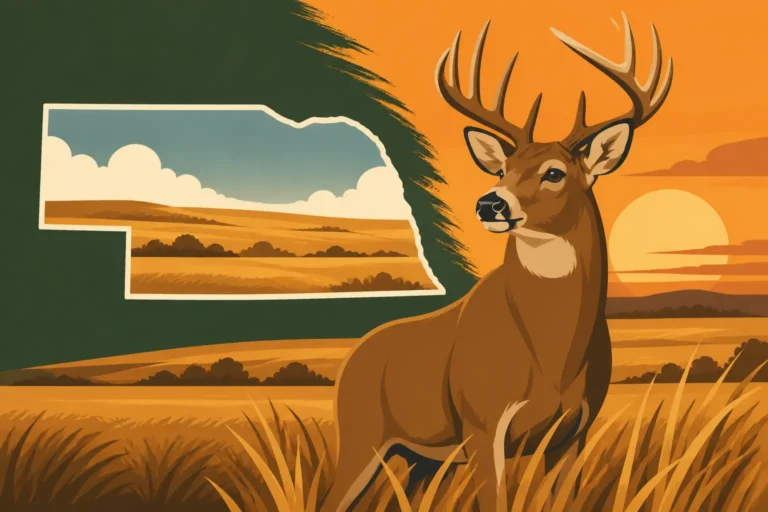
The Oglala National Grassland isn't just big; it's unique. Geographically, it's situated in the northwestern corner of Nebraska, often referred to as the Panhandle. This region is a striking contrast to the fertile farmlands dominating much of the state. Here, you'll find an incredible mix of rolling grasslands, dramatic badlands formations, and isolated pockets of timber, primarily ponderosa pine, especially closer to the Pine Ridge Escarpment. This varied terrain offers a totally different hunting experience compared to River-Bottom Whitetail Hunting in Eastern Nebraska or Hunting a Shelterbelt Between Nebraska Fields.
For hunters, this means an environment that favors species adapted to wide-open spaces and rugged terrain. While whitetails can be found along riparian corridors and in denser cover, the Oglala is truly mule deer and pronghorn country. Mule Deer in the Nebraska Sandhills and Panhandle thrive in these broken landscapes, using the subtle contours and blowouts for cover. Pronghorn, with their incredible eyesight and speed, also call these plains home. Beyond big game, the grasslands are crucial habitat for upland birds, particularly Greater Prairie-Chickens and Sharptails in Nebraska. Walking through the vast prairie, you might flush a covey of sharptails from a plum thicket or hear the distinctive cackle of a pheasant in a low-lying draw, although pheasants are generally less numerous than in more agricultural areas to the east. The sheer size allows for true "spot and stalk" hunting, a method that is less common in the denser covers of eastern Nebraska.
Navigating the Vastness and Finding Access
The idea of hunting 94,000 acres might sound incredible, but without a plan, it can quickly become overwhelming. This isn't a place where you just park your truck and wander into the woods. Effective navigation and understanding access points are paramount to a successful hunt on the Oglala National Grassland.
Tools for Locating Public Access
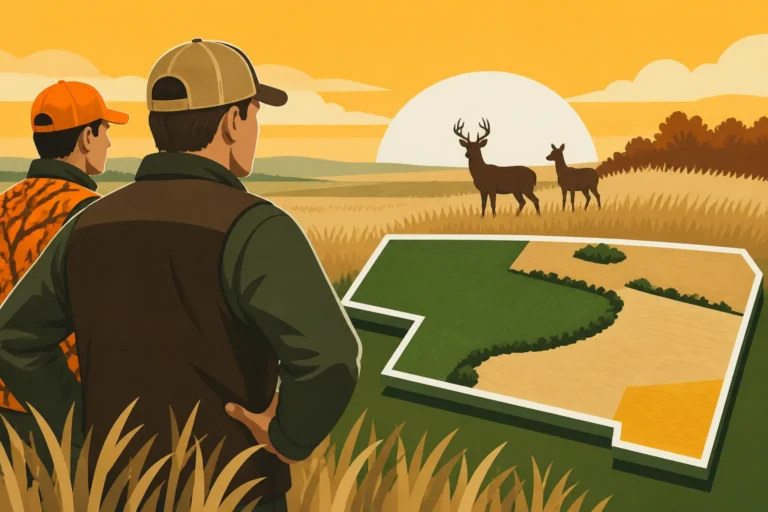
The "mosaic" nature of the Oglala means public land is often interspersed with private holdings. While this creates a challenge, modern mapping tools have become invaluable for hunters. I can’t stress enough how crucial it is to have a reliable mapping app on your phone. Services like onX Hunt are an absolute game-changer here. With a subscription, you can clearly see property boundaries, identifying public land in green and private land in other colors, often showing landowner names. This technology empowers you to hunt confidently, knowing exactly where you stand and avoiding accidental trespassing, which is a huge concern on such checkerboarded ground. Reading the Nebraska Public Access Atlas is a great start, but an app like onX takes it to the next level with real-time GPS tracking.
Another excellent resource, especially for detailed scouting and planning from home, is GoHunt. While perhaps better known for its draw odds and application strategies in western states, GoHunt also provides robust mapping capabilities that can help you visualize the terrain, identify potential access roads, and mark waypoints for future scouting or hunting trips. Both of these platforms can help you identify not just the federal grassland, but also any adjacent state-owned land or Open Fields and Waters tracts that might provide additional access. Remember, just because it looks like public ground doesn't mean it is. Always verify. Before you head out, make sure you've downloaded offline maps for your chosen area, as cell service can be spotty or non-existent in many remote parts of the Oglala.
Practical Tips for Traversing the Grassland
Once you’ve identified your target area, getting around the Oglala requires a bit of strategy and preparation. Many of the roads within and around the grassland are gravel or dirt, and some are little more than two-tracks. After heavy rain or snow, these can become impassable, even for 4×4 vehicles. Always be prepared for mud, sand, and rough terrain. Getting stuck out here can be a serious ordeal, so travel with a full tank of gas, spare tire, shovel, tow strap, and plenty of water. You might be a long way from help. Getting Stuck in Sandhills Sand isn't just a Sandhills problem; it applies to the soft soils of the Grassland too.
Beyond vehicle travel, be ready to walk. A lot. The best hunting often requires covering significant ground on foot to get away from roads and other hunters. Invest in comfortable, supportive boots that can handle miles of uneven terrain, sharp yucca plants, and potential cactus. Boots for Walking Nebraska Grass and Sand are essential. Binoculars are also a must; you'll spend a lot of time glassing distant hillsides and draws. Optics for Glassing the Nebraska Sandhills principles apply here just as much, if not more, to the Oglala. Consider a good quality spotting scope if you're seriously targeting mule deer or antelope, as judging animals at extreme distances is common. Remember, the wind can be relentless on the open prairie, so dress in layers and carry wind-blocking outerwear, even on mild days.
Hunting Opportunities on Oglala's Acres
The Oglala National Grassland, with its vast and varied landscape, offers a unique set of hunting opportunities. It’s a place where hunters can truly immerse themselves in the western Nebraska experience, pursuing game in an environment largely untouched by intensive agriculture.
Target Species and Hunting Considerations
The primary draw for many hunters on the Oglala National Grassland is big game, particularly mule deer and pronghorn.
- Mule Deer: These magnificent deer are well-adapted to the rugged terrain of the Panhandle. They utilize the rolling hills, badlands formations, and deep draws for cover and escape. Spot-and-stalk is a highly effective method here, requiring keen eyesight and patience. Hunters will spend hours glassing distant ridges and pockets, slowly working their way into position once an animal is spotted. Rifle hunters need to be proficient with longer shots, as distances can often extend beyond what many eastern Nebraska hunters are used to. Glassing Sandhills Blowouts for Mule Deer is a tactic that works equally well in the Oglala's similar, but often more dramatic, topography. Archery hunters face an even greater challenge, needing to master Closing the Last Hundred Yards on Sand and reading the swirling winds common in open country.
- Pronghorn: The fastest land mammal in North America, pronghorn are perfectly at home on the Oglala's open plains. Their incredible eyesight makes them notoriously difficult to approach. Decoying can be an effective tactic during the rut, but more often, it's a game of using terrain to your advantage, creeping slowly through draws and over rises. Stalking Pronghorn Across Open Nebraska Ground is an art form on the Oglala. Rifle hunters again need to be prepared for long shots, while bowhunters might consider Archery Antelope From a Water Blind in hotter weather, though natural water sources are less frequent on the Oglala than in some other parts of the Panhandle.
- Upland Birds: While not as famous for pheasants as some eastern counties, the Oglala is prime habitat for sharp-tailed grouse and, in some areas, greater prairie-chickens. These native grassland birds provide a fantastic opportunity for walk-up hunting, especially with a good bird dog. Expect to cover a lot of ground, working the edges of plum thickets, brushy draws, and tall grass. Working Sharptails and Prairie Chickens on Foot is exactly the kind of hunting experience you can expect. Don't forget that non-toxic shot rules may apply on federal lands, so always double-check regulations.
- Wild Turkeys: Merriam's turkeys can be found in the ponderosa pine stands and riparian areas, especially along the Niobrara River which borders portions of the region. Hunting Merriam's in the Nebraska Pine Ridge is a viable option for those willing to explore the timbered canyons and ridges of the northern Panhandle.
Special Rules and Regulations for National Grasslands
Hunting on federal land like the Oglala National Grassland comes with its own set of rules, which often overlay or interact with Nebraska state regulations. It's crucial to be aware of these to ensure a legal and ethical hunt.
- Licensing and Permits: You will, of course, need the appropriate Nebraska hunting permits for your chosen species, including a Habitat Stamp. Nebraska Habitat Stamp and Hunter Education covers the basic requirements. For big game like mule deer and pronghorn, specific unit permits are required, often obtained through a lottery draw. Check the current year's Nebraska Game and Parks regulations carefully for application deadlines and availability.
- Vehicle Use: While there are designated roads and two-tracks, off-road vehicle use is generally restricted to protect the fragile grassland ecosystem. Stay on established routes and always be mindful of signage. Do not drive across open prairie to retrieve game unless explicitly permitted by specific regulations or in designated areas. This is why a sturdy game cart or being prepared to quarter an animal and pack it out are important considerations, especially for larger game like mule deer.
- Blinds and Stands: Rules for placing and leaving blinds and treestands can vary. On National Grasslands, temporary blinds made of natural materials are generally allowed, but check specific regulations regarding leaving structures unattended or for extended periods. Ground blinds are common on the Oglala, particularly for antelope and mule deer. Ground Blinds That Handle Nebraska Wind are a wise choice, as the Panhandle winds can be fierce.
- Camping: Dispersed camping is often permitted on National Grasslands, but there may be restrictions on duration, fire bans, or specific areas. Always check with the local National Forest Service office for current rules and conditions before setting up camp. Being able to camp on-site can be a huge advantage for hunters planning multi-day trips deep into the grassland.
- Firearms and Shot: All state regulations regarding legal firearms, calibers, and shot types apply. Additionally, on federal lands, there are often specific rules about target shooting or firearm discharge in certain areas. Nontoxic shot is usually required for waterfowl and sometimes for upland birds on federal refuges or specific WMA sections, so verify this for your hunt.
- Respecting Private Property: Given the checkerboard nature of the Oglala, always be hyper-aware of private land boundaries. Use your mapping apps diligently, and if you are unsure, err on the side of caution. Nebraska's Posted-Land and Trespass Rules are serious, and respecting landowner rights is paramount to maintaining good public-private relations in hunting country.
Hunting the Oglala National Grassland is an adventure. It demands preparation, self-reliance, and a deep respect for the land and its wild inhabitants. But for those willing to put in the effort, it offers some of the most rewarding and authentic hunting experiences Nebraska has to offer.
Disclaimer
This article is for general informational purposes only and does not constitute professional advice. Laws, prices and regulations vary by location and change over time. Consult a qualified professional for guidance on your specific situation.