Nebraska National Forest and Grasslands Hunting
Hunting Nebraska's vast federal lands can feel like staring at a blank canvas when you're used to smaller, more defined plots. The sheer scale, unique terrain, and specific regulations on places like the National Forests and Grasslands can be intimidating, leaving many hunters wondering where to even begin their planning. This comprehensive guide is here to demystify hunting these expansive public resources, offering practical advice and insights to help you confidently explore and succeed in Nebraska's national wildlands.
Overview of Nebraska's Federal Lands for Hunters
Nebraska might be known as a farming state, but tucked away within its borders are incredible federal lands managed by the U.S. Forest Service that offer unique hunting experiences. These aren't your typical dense, towering forests you might picture in other states; instead, they represent a fascinating mix of planted pine forests in the Sandhills and sweeping, open prairie grasslands. For those of us who love chasing game on public ground, these areas are absolute treasures, providing vital habitat for a variety of species and a different kind of challenge compared to the river bottoms or agricultural fields.
The Unique Character of National Forests and Grasslands in Nebraska
When you think "National Forest," you might envision towering timber, deep canyons, and endless wilderness. In Nebraska, it's a bit different, and that's what makes it so special. We have the Samuel R. McKelvie National Forest and the Nebraska National Forest at Halsey (also known as the Bessey Ranger District), both nestled within the vast Sandhills region. These forests are largely man-made, planted more than a century ago to stabilize the sandy soils and demonstrate forestry's potential in a prairie environment. They stand as emerald islands in an ocean of grass, providing crucial cover and food sources for deer, turkeys, and various upland birds that might struggle in purely open terrain.
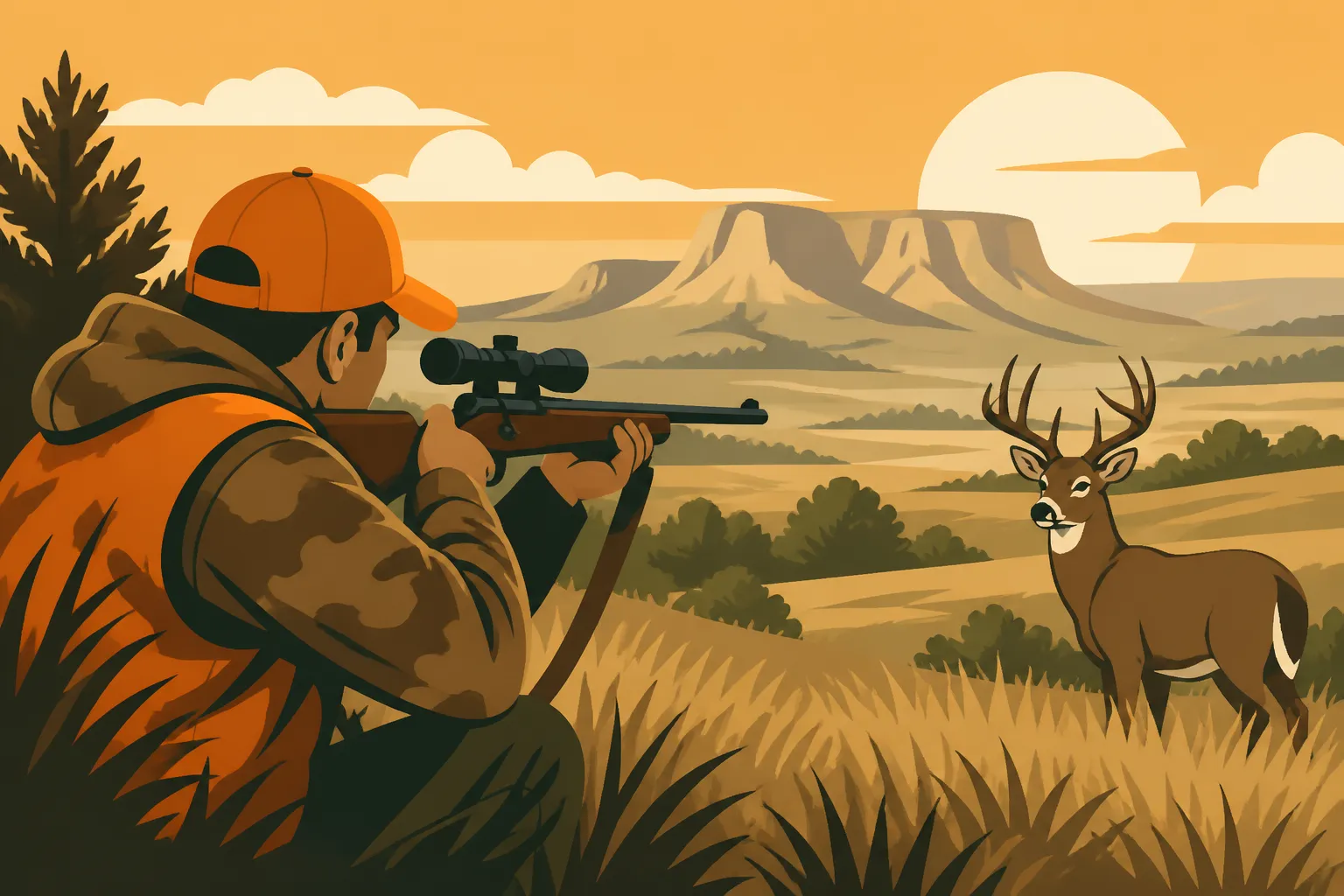
Then there are the National Grasslands, with the Oglala National Grassland in the panhandle being a prime example. These aren't forests at all, but rather immense tracts of native prairie, rolling hills, and dramatic badlands. Here, the hunting experience is entirely different—it's about vast horizons, incredible visibility, and pursuing game like pronghorn and mule deer in their natural, open habitat. The scale of these landscapes demands a different approach to scouting and hunting, often favoring long-range glassing and patient stalks. It’s a truly humbling experience to be out there, with nothing but the wind and the land stretching out before you.
General Regulations and Access Considerations
Hunting on federal lands in Nebraska primarily follows state regulations, but with a few important nuances. You'll need all the standard Nebraska Game and Parks permits, including your annual hunt permit and a habitat stamp. Beyond that, always check for any specific rules that might apply only to federal property, such as restrictions on ATVs, camping, or tree stands. While these lands are generally open to public hunting, there can be designated areas, roads, or access points that are off-limits or have specific use guidelines.
It’s crucial to understand that federal lands are multi-use areas. This means you’ll often share the space with hikers, campers, bird watchers, or even cattle grazing under federal permits. Being a responsible hunter means respecting these other users and understanding that your chosen hunting spot might also be someone else's scenic overlook. Always practice safe hunting, know your backstop, and be aware of your surroundings. Using resources like The Nebraska Public Access Atlas and even digital mapping tools such as onX Hunt can be incredibly helpful for identifying boundaries, roads, and potential access points, saving you a lot of guesswork and frustration on the ground.
Hunting the Samuel R. McKelvie National Forest
The Samuel R. McKelvie National Forest, located in Cherry County, is a prime example of Nebraska's unique planted forests. It's a vast expanse, primarily consisting of Ponderosa pine, eastern red cedar, and various hardwoods, all providing a fantastic blend of cover and forage within the rolling Sandhills. If you're looking for an opportunity to hunt big game or upland birds in a truly distinct environment, McKelvie offers a rugged, often solitary experience that feels miles away from the more pressured hunting areas in the state.
Deer and Turkey Hunting Opportunities
McKelvie is a solid destination for both white-tailed and mule deer. While mule deer tend to prefer the more open, grassy areas adjacent to or within the forest, whitetails often stick to the denser timber and brushy creek bottoms. The patchwork of pine stands, interspersed with Sandhills grasslands and occasional wet meadows, creates ideal edge habitat where deer thrive. Early archery season can be hot, requiring a good strategy for Field Dressing and Cooling Game in Warm Weather, but as the seasons progress into fall, deer become more active during daylight hours. During the firearm seasons, the dense cover offers challenging hunting but can hold impressive bucks. Nebraska's Nine-Day November Firearm Deer Season is particularly popular here.
For turkey hunters, McKelvie is a gem, boasting a healthy population of Merriam's turkeys, particularly in the spring. The pine forests provide excellent roosting habitat, and the open understory in many areas makes calling and stalking effective. Fall turkey hunting is also popular, offering a different dynamic where you might encounter larger flocks feeding in the open or scattered after the roost. The key to success often lies in covering ground, listening for distant gobbles or yelps, and understanding how the birds use the diverse terrain.
Upland Bird Hunting in McKelvie
Beyond big game, the Samuel R. McKelvie National Forest is a fantastic area for upland bird hunters, particularly those targeting grouse and pheasants. The mosaic of planted pines, native grasslands, and interspersed food plots creates diverse habitat. Sharptail grouse thrive in the more open, brushy grasslands, especially in areas where native forbs and shrubs provide cover and food. Prairie Grouse Hunting on Nebraska's Open Range often involves long walks and keen eyes to spot birds flushing from the grass.
While pheasants are typically associated with agricultural areas, McKelvie does hold huntable populations, particularly in the edges where grasslands meet timber, or near planted food plots. These birds can be particularly wild, flushing at longer ranges than their counterparts in row crops. Having a good bird dog can dramatically increase your success here, as they can help locate birds tucked deep in cover and retrieve those that fall in dense vegetation. The mixed cover also makes for exciting flushes, demanding quick reactions and accurate shooting.
Navigating and Planning a Hunt in McKelvie
Navigating McKelvie can be a challenge, as many roads are unimproved sand trails. A reliable 4×4 vehicle is often essential, especially after rain, and knowing how to handle sand is crucial to avoid getting stuck. The sheer size of the forest means covering ground efficiently is important. Digital mapping applications, like onX Hunt, are invaluable here, helping you track your location, mark spots of interest, and stay within public land boundaries. Downloading offline maps before you head out is a must, as cell service can be spotty or nonexistent.
When planning your hunt, consider the water situation. The Sandhills can be dry, so bringing plenty of water for yourself and any hunting dogs is paramount, especially during early seasons. Scouting before the season, if possible, can give you a huge advantage, helping you locate game trails, bedding areas, and water sources. Look for areas where different habitat types converge, as these "edge" zones are often magnets for game. Remember, these remote areas require self-sufficiency, so packing extra supplies and being prepared for varying conditions is always a good idea.
Exploring the Nebraska National Forest at Halsey (Bessey Ranger District)
The Nebraska National Forest at Halsey, part of the Bessey Ranger District, holds a special place in the state's conservation history. It was the first hand-planted forest in the nation, an ambitious project that transformed vast stretches of Sandhills prairie into a productive forest. Today, it remains a unique hunting destination, offering a mix of dense pine stands, open grasslands, and riparian areas along the Middle Loup River. This diverse landscape supports a surprising array of wildlife, providing hunters with opportunities not found elsewhere in Nebraska.
Hunting Deer and Other Big Game at Halsey
Halsey is known for its white-tailed deer, which thrive in the dense pine plantations and along the river bottom. While mule deer are less common here than in the western Sandhills or Pine Ridge, they do occasionally frequent the more open, grassy areas surrounding the planted forests. The thick cover of the pine stands provides excellent thermal protection and escape cover for deer, making them challenging to hunt, especially during firearm season. Hunters often employ still-hunting tactics, slowly moving through the timber, or utilize ground blinds near known travel corridors or water sources. The transition zones between the dense pines and the open Sandhills can be particularly productive.
Turkey hunting is also excellent at Halsey, especially for Eastern turkeys which have found a haven in the mix of pines and deciduous trees along the river. Like McKelvie, the planted pines offer perfect roosting sites. Spring turkey hunters will find plenty of opportunities for calling in gobblers, while fall hunters can work flocks scattered across the diverse terrain. The challenge here is often the thickness of the cover, which can make it hard to see birds until they are close, emphasizing the importance of good calling and stealthy movement.
Bird Hunting in Halsey's Planted Forests
For upland bird enthusiasts, Halsey offers a unique experience. While you might not find the same density of pheasants as in agricultural regions, the forest edges, grassland pockets, and riparian zones hold huntable populations. More notably, Halsey is part of the broader Sandhills ecosystem that supports both sharp-tailed grouse and greater prairie-chickens. Greater Prairie-Chickens and Sharptails in Nebraska often utilize the open grasslands adjacent to the planted pines, providing opportunities for hunters willing to cover some serious ground on foot.
Hunting grouse in this mixed environment requires adaptability. You might find sharptails holding in low-lying brush in the open, or prairie-chickens hunkered down in taller native grasses. The transition areas where the forest gives way to prairie are often key. For pheasants, focus on the areas of denser cover within the forest or along its boundaries, especially where water is present. Again, a well-trained bird dog is an invaluable asset for sniffing out birds and retrieving them from thickets.
Challenges and Strategies for Hunting Halsey
Just like McKelvie, Halsey presents unique challenges. The sandy roads can be treacherous, so a high-clearance 4×4 is strongly recommended. Navigation within the forest can be disorienting due to the uniform rows of planted pines, making it easy to lose your bearings without a reliable GPS or mapping app. Navigation and communication tools are critical here. Carry extra water, especially if hunting with dogs, as natural water sources can be few and far between during dry spells.
Effective strategies at Halsey often involve combining different hunting methods. For deer, consider Still-Hunting Nebraska Cedar Draws (or in this case, pine rows) or setting up a ground blind along pinch points created by terrain or vegetation changes. For birds, be prepared for long walks across varied terrain, and pay close attention to the wind, which can be a significant factor in the open Sandhills. Understanding deer and bird movement patterns relative to the forest edges and water sources will greatly increase your chances of success.
The Oglala National Grassland: A High Plains Hunting Gem
Stretching across the northwest corner of Nebraska, the Oglala National Grassland is a stark contrast to the planted forests. This vast expanse of shortgrass prairie, dotted with buttes, badlands, and incredible geological formations, offers a truly unique hunting experience. It’s a place where the horizon stretches forever, and the wind is a constant companion. For hunters seeking pronghorn, mule deer, or prairie grouse in an authentic high-plains setting, the Oglala is an unmissable destination.
Pronghorn and Mule Deer Hunting on the Oglala
The Oglala National Grassland is arguably one of Nebraska's premier destinations for Pronghorn Antelope on the Nebraska Plains. Their incredible eyesight and speed are legendary, and hunting them in this open country is a true test of a hunter's patience and stalking skills. Spotting and stalking is the primary method, often involving hours of glassing from a high point, followed by careful, often lengthy, approaches using terrain features to stay out of sight. Archery Antelope From a Water Blind can also be effective during hot, dry periods when pronghorn are concentrated around limited water sources.
Mule deer also call the Oglala home, often preferring the rugged breaks, badlands, and brushy drainages that provide both cover and food. Mule Deer in the Nebraska Sandhills and Panhandle thrive in this habitat, and hunting them here often involves extensive glassing to locate deer feeding at first light or bedding down in the broken terrain. Once spotted, a strategic stalk is essential, utilizing the contours of the land to close the distance. Understanding wind direction is paramount, as thermals in the breaks can be tricky. Glassing Sandhills Blowouts for Mule Deer is a key tactic for success here, as is mastering your rifle for accurate long-range shots.
Upland Birds and Predators of the Oglala
The Oglala is prime habitat for prairie grouse, specifically sharp-tailed grouse. These birds are perfectly adapted to the wide-open grasslands, finding cover and food in the native grasses and low-lying shrubs. Hunting them typically involves walking large tracts of grassland, often with a bird dog, hoping to flush coveys. The birds can hold tight or flush wild, depending on the cover and pressure. Working Sharptails and Prairie Chickens on Foot is an exhilarating experience, often yielding breathtaking flushes against the vast prairie backdrop.
Beyond game birds, the Oglala National Grassland is also excellent country for predator hunting. Coyotes are abundant, drawn to the open terrain where they can hunt small rodents and deer fawns. Coyote Calling on Winter Grassland can be highly effective here, using various calls to bring these wary canines into range. The wide-open spaces offer clear sightlines, but also make it easy for coyotes to spot you, requiring careful concealment and smart setup locations. Always check specific regulations for predator hunting, including any night hunting rules, on federal lands.
Understanding Access and Navigation on Vast Grasslands
Accessing and navigating the Oglala National Grassland requires planning. While there are main roads, many routes are unimproved dirt trails that can become impassable with rain. Always carry a spare tire, a shovel, and recovery gear. Cell service is often nonexistent, reinforcing the need for downloaded maps on robust GPS devices or apps like GoHunt, which are fantastic for identifying land ownership and navigating off-grid. Knowing Wind Direction on Open Nebraska Prairie Stands is also crucial, not just for stalking game but for understanding how scent travels across the vast landscape.
When planning your hunt, consider the immense scale. You'll likely be covering many miles on foot, so Boots for Walking Nebraska Grass and Sand are critical. Hydration is also key, even in cooler weather, due to the dry, windy conditions. Always respect private land boundaries, which can be intermingled with public tracts. The Oglala National Grassland Acreage is vast, but paying attention to your map is essential to avoid accidental trespass. Camping on the Oglala Grassland is a popular option, allowing hunters to maximize their time in the field.
Permits, Seasons, and Regulations Specific to Federal Lands
Hunting on Nebraska's National Forests and Grasslands, while primarily governed by state hunting laws, does come with a few additional considerations. It's not just about what game you're after, but where you're hunting it. Understanding these nuances can save you a headache and ensure a legal, enjoyable hunt.
General Permit Requirements and State Regulations
First and foremost, any hunting on federal lands in Nebraska requires the same state permits as hunting anywhere else in Nebraska. This means you'll need a valid Nebraska annual hunt permit and a habitat stamp. For big game, specific deer, antelope, or turkey permits are required, issued by the Nebraska Game and Parks Commission. For example, if you're chasing mule deer on the Oglala National Grassland, you'll need an appropriate Nebraska Big Game Permits and How to Get One for the unit the grassland falls within.
All state-mandated seasons, bag limits, shooting hours, and method-of-take regulations apply directly to hunting within National Forests and Grasslands. This includes blaze orange requirements during certain seasons, rules regarding crossbow use, and legal firearms. It's your responsibility as a hunter to be intimately familiar with the current Nebraska Hunting Guide, as these regulations can sometimes change year to year. The federal land managers generally defer to state wildlife agencies for game management, so state rules are your primary guide.
Special Considerations for Federal Land Hunting
While state regulations form the backbone, federal lands often have additional rules specific to the management of their resources. These can include:
- Vehicle Access: Roads on federal lands, especially on the grasslands, can be unimproved and sometimes seasonally closed. Always check with the local Ranger District for current road conditions and any restrictions on off-road travel. Driving on an Open Fields and Waters tract or other public ground often has specific rules.
- Camping: Dispersed camping (camping outside of designated campgrounds) is often allowed on federal lands but may have specific fire restrictions or length-of-stay limits. Check with the U.S. Forest Service or National Grassland office before your trip. Camping on the Oglala Grassland, for example, has certain guidelines.
- Tree Stands and Blinds: While generally permitted, there might be rules about how long stands can remain in place, what materials they can be made of, or if they need to be clearly marked. Always assume you must remove any temporary structures at the end of your hunt.
- Nontoxic Shot: While not always universal, some federal areas, particularly those with wetland components or those managed primarily for migratory birds, may require the use of nontoxic shot for upland game or waterfowl. Always verify before heading out.
- Commercial Use: Some federal lands have ongoing grazing leases or other commercial activities. Hunters are expected to respect these operations and avoid disturbing livestock or infrastructure.
It's always a good practice to contact the specific Ranger District office for the National Forest or Grassland you plan to hunt. They are the best source for localized rules and current conditions.
Staying Informed with Current Rules
The best way to stay on top of regulations is to consult multiple sources. Start with the annual Nebraska Hunting Guide from Nebraska Game and Parks. Then, cross-reference that with information directly from the U.S. Forest Service or National Grassland website for the specific area you intend to hunt. Many hunters also find value in using mapping applications like GoHunt, which can overlay public land boundaries and sometimes include regulatory notes.
Here's a quick reference table for general permitting:
| Permit Type | Required for Nebraska Federal Lands | Notes |
|---|---|---|
| Annual Hunt Permit | Yes | Basic permit for all hunting activities. |
| Habitat Stamp | Yes | Funds wildlife habitat conservation; required for most hunting. |
| Federal Duck Stamp | Yes | Required for hunting migratory waterfowl, regardless of land ownership. |
| Big Game Permit | Yes (species specific) | Deer, Antelope, Turkey permits are required if hunting these species; specific to management units and seasons. See Nebraska Antelope Permits and Seasons for details. |
| Hunter Education Card | Yes (age/date dependent) | Required for hunters born after January 1, 1977. See Nebraska Habitat Stamp and Hunter Education for details. |
| Apprentice Hunter | Optional | Allows uncertified hunters to hunt under the direct supervision of a licensed, experienced hunter for a limited time. |
Remember, ignorance of the law is no excuse. A few minutes of research before your trip can prevent significant problems and ensure your federal land hunting adventure is a successful and legal one.
Essential Gear and Tactics for Federal Land Hunting in Nebraska
Hunting Nebraska's National Forests and Grasslands isn't like heading out to a local woodlot. The vastness, the often remote nature, and the unpredictable weather demand a specific approach to gear and tactics. Being prepared can make the difference between a memorable hunt and a miserable one.
Optics and Long-Range Considerations for Open Country
In the expansive terrain of places like the Oglala National Grassland or the open areas surrounding the planted forests, optics are your best friend. A good pair of binoculars, at least 10×42, is essential for spending hours behind the glass, spotting game at long distances. Many seasoned hunters will also carry a spotting scope and tripod, especially when hunting mule deer or pronghorn, to accurately judge animals from a mile or more away. Optics for Glassing the Nebraska Sandhills are crucial for success in these areas. Don't skimp on quality here; clear, bright glass reduces eye strain and helps you pick out subtle details.
Since shots can often be long in open country, your rifle setup needs to be up to the task. Rifle Setups for Nebraska's Open Country typically involve calibers capable of flat trajectories and adequate energy retention at extended ranges. Zeroing your rifle for 200 or even 300 yards is common, and understanding your bullet's ballistic drop is critical. A reliable rangefinder is non-negotiable for making ethical shots. Practicing shooting from various field positions, including prone with a bipod or using shooting sticks, will build confidence for when the moment of truth arrives.
Navigation and Communication Tools
Getting lost in the Sandhills or the Oglala badlands is no joke. Cell service is unreliable at best, and often completely absent. A dedicated GPS unit or a robust smartphone app with downloaded offline maps (like onX Hunt or GoHunt) is absolutely essential. These tools not only show you public and private land boundaries, but also help you track your movement, mark waypoints (like a downed animal, your vehicle, or a promising sign), and navigate back to your starting point. Always carry a physical map and compass as a backup, and know how to use them.
For communication, don't rely on cell phones. Consider carrying a satellite messenger or a two-way radio, especially if hunting with a partner or in a group. These devices can be life-savers in an emergency or simply help coordinate a Two-Person Deer Drives on Small Timber or a bird push across a large field. Let someone know your hunting plan, including your exact location and expected return time, before you head out. Electronics a Nebraska Hunter Actually Needs often go beyond just tracking devices.
Appropriate Clothing and Footwear for Varied Terrain
Nebraska weather, especially in the Sandhills and Panhandle, can be famously unpredictable, often swinging wildly from warm to cold, sunny to snowy, all within a day. Layering is key. Start with moisture-wicking base layers, add insulating mid-layers, and top it off with a windproof and waterproof outer shell. Even in early archery season, mornings can be cool, and evenings can drop significantly. For cold-weather hunts, make sure your gear is rated for extreme temperatures, as you might be sitting still for long periods.
Footwear is another critical component. You'll be covering a lot of ground, often over uneven, sandy, or brushy terrain. Boots for Walking Nebraska Grass and Sand need to be comfortable, supportive, and durable. Waterproof boots are a smart choice, even if you don't expect to cross water, as morning dew or unexpected showers can soak your feet quickly. Good ankle support is crucial for traversing rough ground, especially if you find yourself tracking a deer through the broken terrain of the Oglala. Don't forget good quality wool socks to prevent blisters and manage moisture.
Respecting the Resource and Other Users
Hunting on federal lands is a privilege, and with that privilege comes a significant responsibility to be a good steward of the land and a respectful participant in the outdoor community. These lands are shared by many, and our actions directly impact their future accessibility and health.
Leave No Trace Principles
The vastness of federal lands can sometimes give the impression that your small footprint won't matter, but collectively, every hunter's actions add up. Adhering to Leave No Trace principles is fundamental. This means packing out everything you pack in, including spent shell casings, food wrappers, and any trash. Avoid disturbing archaeological sites, historical features, or natural formations. If you're building a ground blind, use natural materials sparingly and disperse them when you leave, or ideally, use a portable blind that leaves no lasting impact.
When field dressing game, move off trails and away from water sources. Bury offal or leave it in an out-of-the-way spot where scavengers can access it, ensuring it's not visible from roads or popular access points. If you're taking an animal, ensure you have the proper Meat Care Gear for Warm Nebraska Openers to preserve the meat, and dispose of the carcass remains ethically and out of sight. The goal is to leave the area looking as if you were never there, preserving its wild character for the next visitor.
Coexisting with Other Outdoor Enthusiasts
Federal lands are shared spaces. You might encounter hikers enjoying a scenic trail, birdwatchers observing prairie species, campers setting up for the night, or even equestrians exploring the terrain. As hunters, it’s vital to be courteous and respectful of these other users. This means being visible (especially during firearm season when Orange Rules That Apply During Archery Season might be in effect), keeping noise to a minimum, and being mindful of others' presence.
If you encounter another group, a friendly wave and a brief interaction can go a long way in fostering mutual respect. Make sure your hunting activities don't interfere with their enjoyment of the land. For instance, avoid setting up blinds directly on popular hiking trails or making loud calls in high-traffic areas. We all share a love for the outdoors, and by demonstrating respect, we help ensure a positive perception of hunting among the broader public. This collaboration is important for future access and conservation.
The Role of Conservation in Federal Lands
Hunting on federal lands isn't just about bagging game; it's about being part of a larger conservation effort. The fees from your hunting permits and habitat stamps directly contribute to the management of these public resources and the wildlife they support. Additionally, your ethical practices and adherence to regulations reinforce the value of hunting as a conservation tool. The health of the ecosystems within our National Forests and Grasslands depends on careful management, and hunters play a vital role in that.
Many federal lands are undergoing restoration efforts, such as prescribed burns or invasive species removal, to improve habitat. Understanding these initiatives and supporting them is part of being a responsible hunter. Whether it's reporting unusual wildlife sightings, participating in clean-up events, or simply following all rules, your actions contribute to the long-term health and accessibility of these incredible hunting grounds. Supporting organizations like GoHunt can also provide valuable information about these lands and the conservation efforts that keep them thriving. Ultimately, these lands belong to all of us, and it's our shared responsibility to protect them for future generations of hunters and outdoor enthusiasts.
Disclaimer
This article is for general informational purposes only and does not constitute professional advice. Laws, prices and regulations vary by location and change over time. Consult a qualified professional for guidance on your specific situation.