Wahoo Unit Deer Numbers
It's incredibly frustrating when you're trying to plan your deer season in a specific unit like Wahoo, and all you want are straightforward answers about the deer numbers. You hear whispers, see a few big bucks on social media, but getting a clear picture of what's truly happening with the deer population can feel like a game of hide-and-seek itself. This guide aims to pull back the curtain on Wahoo Unit deer numbers, giving you the comprehensive insights you need to understand what's really going on and how to approach your hunt.
Understanding Deer Populations in the Wahoo Unit
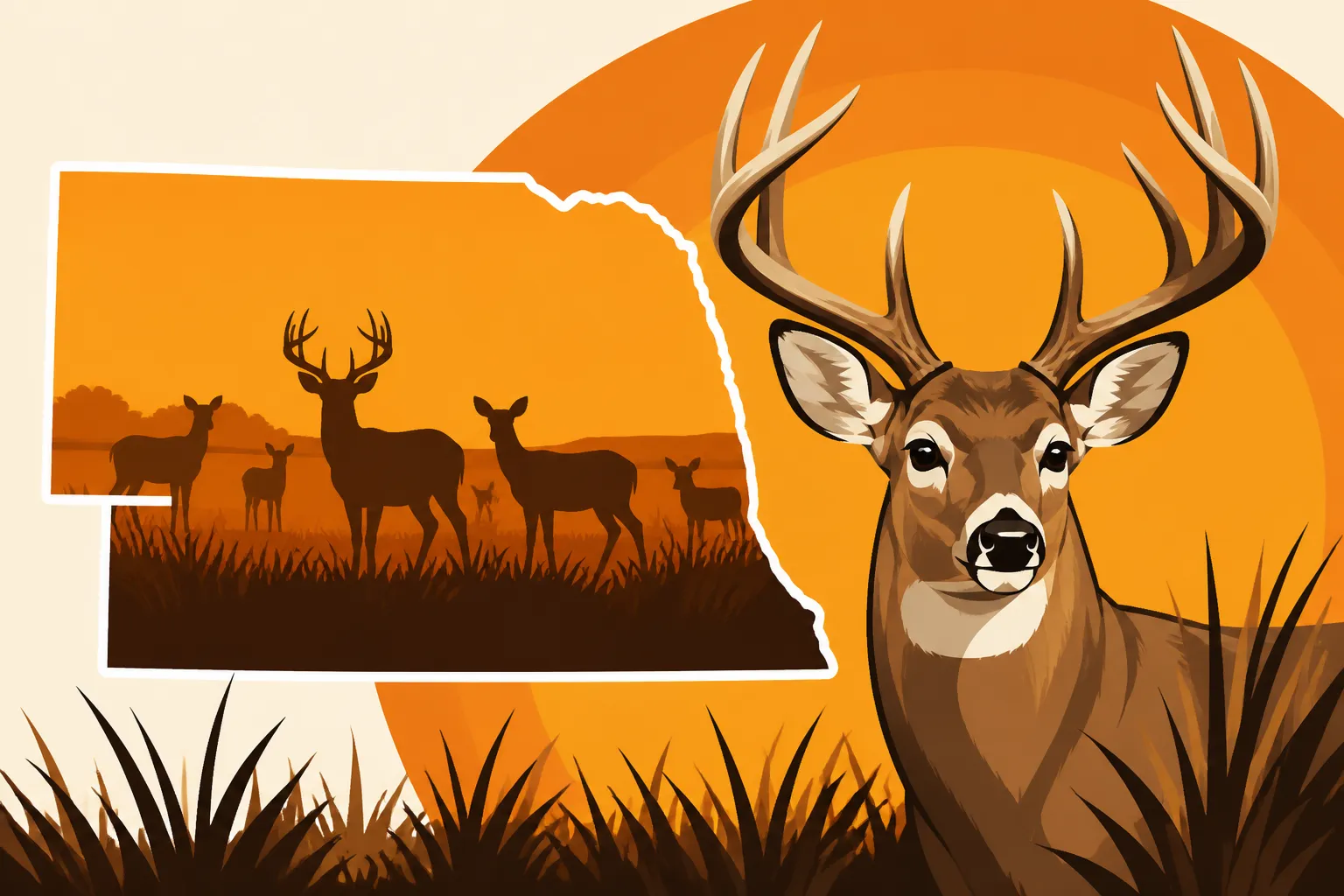
When we talk about deer numbers in a specific area like Nebraska's Wahoo Unit, it's important to set realistic expectations right from the start. We're not talking about exact counts, like a census of every single deer in every timber patch and cornfield. Instead, wildlife managers and seasoned hunters alike rely on a combination of harvest data, aerial surveys, field observations, and landowner reports to paint a picture of the population. The Wahoo Unit, nestled in eastern Nebraska, is a prime example of a mixed agricultural and riparian habitat, which typically means a strong presence of white-tailed deer. While you might occasionally spot a mule deer, especially on the western fringes or in more open country, this unit is predominantly whitetail territory.
The geographic boundaries of the Wahoo Unit encompass a diverse landscape, from the Platte River bottoms with their thick timber and dense cover to the rolling hills and agricultural fields that dominate much of eastern Nebraska. This mosaic of habitat provides excellent forage and bedding areas for deer, but it also makes accurate population assessment a complex task. Deer are incredibly adaptable, thriving in the fringes where cropland meets woodlots, and along the winding creek and river drainages. Understanding these underlying habitat characteristics is crucial to interpreting any reported deer numbers, as a healthy habitat generally supports a healthy population, even if the exact count fluctuates. Nebraska Game and Parks Commission manages these units to balance hunter opportunity with sustainable deer populations, making data analysis a critical component of their work.
Factors Influencing Wahoo Unit Deer Numbers
Deer populations are dynamic; they're constantly shifting and reacting to a myriad of environmental, human, and biological factors. In a unit like Wahoo, these influences are particularly pronounced due to its mixed landscape and relatively close proximity to human activity. It's never as simple as "there are more deer this year" or "fewer deer." The reality is a complex interplay of many moving parts.
Habitat and Land Use Impacts
The Wahoo Unit is characterized by its significant agricultural presence, featuring vast fields of corn and soybeans, interspersed with crucial pockets of timber, creek bottoms, and shelterbelts. This rich agricultural bounty provides an incredible food source for deer, allowing them to grow larger and healthier than in more nutrient-poor environments. However, changes in farming practices, such as more extensive tiling or the removal of fencerows and woodlots, can directly impact available cover and travel corridors for deer. Conversely, conservation programs that encourage the planting of perennial grasses or the restoration of riparian buffers can create new, vital habitat. It's a constant push and pull, and hunters who understand these land-use patterns often have a leg up on where to focus their efforts. If you're looking for prime areas for Where Nebraska Whitetails Bed in Row-Crop Country, pay close attention to where these diverse habitats converge.
Environmental Stressors and Disease
Nebraska weather is rarely mild, and the Wahoo Unit is no exception. Severe winters, characterized by heavy snow and prolonged cold, can increase deer mortality, especially among fawns and older deer. Conversely, prolonged droughts can impact forage quality and water availability, stressing the herd. Beyond just the weather, diseases like Epizootic Hemorrhagic Disease (EHD) and Chronic Wasting Disease (CWD) can significantly impact local deer numbers. EHD, for instance, often flares up in late summer and early fall, particularly in drought years, and can lead to localized die-offs. Hunters often discover the unfortunate evidence of EHD outbreaks along creek beds or near water sources. While Nebraska Game and Parks actively monitors Chronic Wasting Disease in Nebraska and EHD Outbreaks in Nebraska Deer, these diseases highlight the natural vulnerabilities of wild populations and why numbers aren't always consistent year to year.
Hunting Pressure and Harvest Dynamics
Let's be real: hunting pressure has an impact. The Wahoo Unit, being relatively accessible to population centers, can experience significant hunter activity, especially during the firearm season. While state agencies set permit quotas to manage harvest and maintain healthy populations, heavy pressure can make deer more nocturnal and push them into denser cover, impacting hunter success rates and making it feel like deer numbers are lower, even if they're not drastically so. Understanding Nebraska Deer Permit Types by Unit is key, as different permit structures are designed to manage harvest pressure across different areas and seasons. A higher success rate for antlerless permits, for instance, might indicate a healthy population that can sustain more harvest.
Interpreting Harvest Data and Trends for Wahoo Unit Deer
Since getting an exact count of every deer in the Wahoo Unit is practically impossible, the most reliable way to gauge the health and general size of the deer population is through harvest data. This isn't just a collection of numbers; it's a narrative that tells us about deer distribution, hunter success, and the overall trajectory of the herd. Agencies like the Nebraska Game and Parks Commission meticulously collect this information, making it an invaluable tool for both wildlife managers and savvy hunters.
Key Metrics and What They Tell You
When you look at harvest reports for the Wahoo Unit, several key metrics stand out:
- Total Harvest: This is the overall number of deer taken during a season. A consistent total harvest, or a slight increase, often indicates a stable or growing population.
- Buck Harvest (Antlered): This number is crucial for understanding the health of the buck segment of the herd. Wildlife managers often look at the age structure of harvested bucks (e.g., number of yearling bucks vs. older bucks) to assess herd dynamics and management success.
- Antlerless Harvest: This is a primary tool for population control. A high antlerless harvest quota, coupled with good success rates, usually points to a robust doe population that the agency wants to manage. Conversely, a reduced antlerless harvest might signal a need to let the population grow.
- Hunter Success Rate: This percentage indicates how many hunters who purchased a permit actually harvested a deer. While influenced by hunter skill and effort, a consistent success rate offers insight into deer availability.
You'll find these numbers broken down by season—archery, firearm, and muzzleloader. For instance, the buck harvest numbers during Nebraska's Nine-Day November Firearm Deer Season are often the highest, reflecting the increased hunter participation and ease of harvest during that period. Comparing these numbers across years can reveal important trends, even if a single year's data might be an anomaly due to extreme weather or other factors.
Navigating Year-to-Year Variability
It's common to see fluctuations in harvest data from one year to the next in the Wahoo Unit. Don't let a single dip or spike throw you off. A particularly harsh winter or a widespread EHD outbreak in one year can temporarily depress numbers, only for them to rebound in subsequent seasons. The key is to look for long-term trends over three, five, or even ten years. Is the buck harvest steadily declining, or is it holding its own? Is the antlerless harvest consistent, suggesting a stable female population? This longer view provides a much more accurate assessment than fixating on any single season. Tools like GoHunt can be incredibly helpful for consolidating and visualizing this data, allowing you to spot trends and make more informed decisions about where to apply for permits or focus your scouting efforts.
Here's a simplified look at hypothetical Wahoo Unit deer harvest trends, demonstrating how you might interpret the data:
| Year | Whitetail Buck Harvest | Mule Deer Buck Harvest | Antlerless Harvest | Hunter Success Rate (Firearm) | Notes |
|---|---|---|---|---|---|
| 2020 | 450 | 5 | 600 | 40% | Good, stable year |
| 2021 | 420 | 4 | 580 | 38% | Slight dip, perhaps weather related |
| 2022 | 350 | 3 | 450 | 32% | Significant drop, likely EHD outbreak or harsh winter |
| 2023 | 410 | 5 | 550 | 39% | Recovery year, numbers trending back up |
This table provides illustrative data to demonstrate trends; actual numbers will vary by year and are available through official Nebraska Game and Parks publications.
While these numbers provide a quantitative look, experienced hunters also combine this with qualitative observations. Are you seeing good buck-to-doe ratios in the field? Are fawns plentiful? These on-the-ground observations, when combined with hard data, give you the fullest picture. You can even use resources like GoHunt to cross-reference official data with anecdotal reports from other hunters, helping you get a more holistic view of the Wahoo Unit.
Strategies for Hunting Deer in the Wahoo Unit Based on Numbers
Understanding deer numbers and trends in the Wahoo Unit isn't just academic; it directly informs your hunting strategy. Knowing what to expect from the herd helps you make better decisions, from permit applications to your in-the-field tactics.
Strategic Scouting and Habitat Focus
If the harvest data suggests a strong whitetail population, your scouting efforts should naturally focus on prime whitetail habitat within the unit. This means meticulously examining river bottoms and creek drainages, looking for pinch points, funnels, and natural travel corridors. Areas with a mix of dense cover for bedding and nearby agricultural fields for feeding will be your hotspots. Utilize mapping tools, like those found on GoHunt, to identify these features from afar, then hit the ground to confirm sign. During Nebraska Archery Deer Season Dates or even the early firearm seasons, deer will often be patterned around these food and cover sources. Don't forget to scout for Scrape Lines Along a Fenceline or heavily used trails, as these can tell you a lot about current deer movement.
Adapting to Population Densities and Pressure
If Wahoo Unit deer numbers are robust, you might encounter more deer sign and potentially more deer. However, this can also mean more hunter competition, especially on public lands. This isn't a bad thing, but it means you need to be smart about your approach. Consider focusing your efforts on weekdays, or delving deeper into public land areas where many hunters won't venture. Think about setting up a Ground Blinds in Open Nebraska Country or a Choosing a Treestand Site on Nebraska Farmland in overlooked pockets of cover, perhaps smaller woodlots or thick shelterbelts that get less attention. Deer that face pressure quickly learn to avoid obvious routes and retreat to dense bedding cover during daylight hours. Your ability to adapt and think like a pressured deer will significantly increase your odds.
Permit Choices and Season Timing
The Wahoo Unit is primarily managed for White-Tailed Deer Across Nebraska, and permit availability will reflect that. If you're looking for an antlered buck, studying the buck harvest trends will help you understand your chances. If the antlerless harvest is high and successful, it might indicate good opportunities for filling the freezer with a doe permit. Knowing When Nebraska's Archery Deer Season Opens versus the firearm dates can also influence your strategy. Archery season offers a longer window and generally less pressure, while firearm season concentrates the hunting effort into a shorter, more intense period. Your permit choice should align not just with your hunting style, but also with the current deer numbers and management objectives for the Wahoo Unit. Make sure to check the latest permit information on the Nebraska Game and Parks website or via GoHunt's resources before the application period.
Focusing on Whitetails in River Bottoms
Given the Wahoo Unit's landscape, a deep dive into River-Bottom Whitetail Hunting in Eastern Nebraska is almost always a solid strategy. These areas provide dense cover, consistent water sources, and often prime agricultural edges. Whitetails gravitate towards these sanctuaries, especially during periods of high pressure. When you're scouting, pay close attention to elevation changes, even subtle ones, along these river corridors. Deer often use benches and slight ridges to travel, giving them a view of the lower areas while staying concealed. Focusing your efforts here, and understanding the specific habits of whitetails in this type of terrain, will be far more productive than simply wandering aimlessly.
Disclaimer
This article is for general informational purposes only and does not constitute professional advice. Laws, prices and regulations vary by location and change over time. Consult a qualified professional for guidance on your specific situation.