Why Nebraska Does Not Hunt Sandhill Cranes
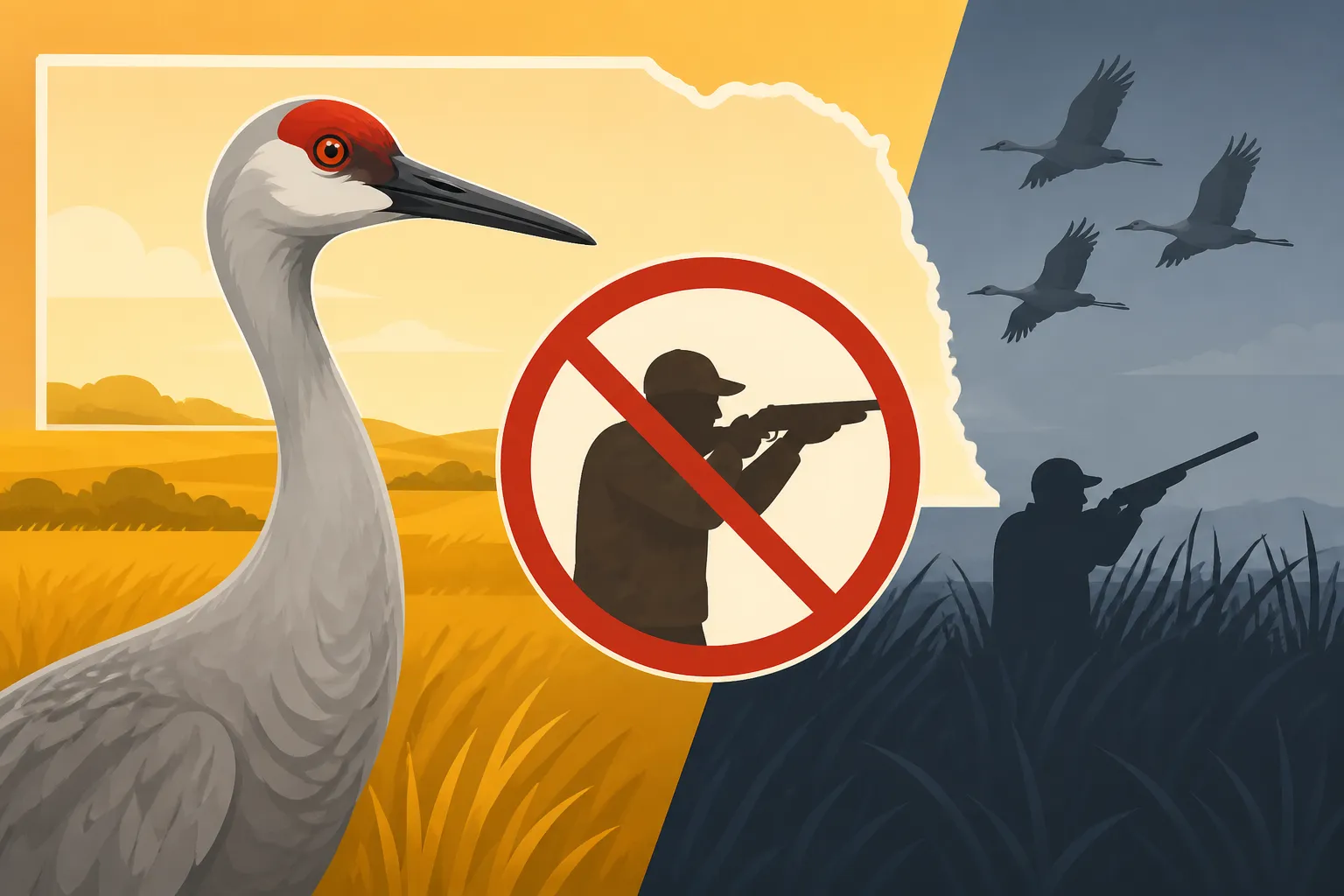
Many hunters, especially those who spend time afield in other states, often find themselves scratching their heads and wondering why in the world Nebraska doesn't have a Sandhill Crane hunting season. It's a truly valid question when you consider the sheer, mind-boggling numbers of these magnificent birds that descend upon the Platte River each spring and fall. You see them by the thousands, hear their prehistoric calls echoing across the landscape, and it's easy to think, "Surely, there are enough for a hunt!" This guide will peel back the layers to explain the unique factors—biological, historical, and cultural—that make Nebraska an anomaly when it comes to Sandhill Crane hunting, despite its pivotal role in their migration.
The Biological Reality: Sandhill Crane Populations and Migrations
It's easy to look out over a Nebraska cornfield during the spring migration and feel overwhelmed by the sheer number of Sandhill Cranes. They seem to stretch for miles, an endless gray-brown ribbon against the sky. This abundance is precisely why many other states do have hunting seasons for them, leading to the natural question of why Nebraska is different.
Understanding the Central Flyway Population
The good news for crane enthusiasts and conservationists alike is that the overall population of Sandhill Cranes within the Central Flyway is remarkably healthy and robust. These aren't birds teetering on the brink; they're thriving. Agencies like the U.S. Fish and Wildlife Service, working in concert with state wildlife departments, meticulously monitor these populations through aerial surveys and other data collection methods. This flyway-wide management ensures that harvest quotas in states where hunting is allowed are sustainable and don't jeopardize the overall health of the species.
For many hunters, knowing a species is abundant is a key indicator that a hunting season could be feasible. We see this with species like pheasants, deer, and many waterfowl. When a population is strong, regulated hunting can even be a valuable management tool, providing recreational opportunities while contributing to conservation funding through license sales and excise taxes on gear. This common understanding makes Nebraska's lack of a Sandhill Crane season feel even more counterintuitive to those who just look at the numbers passing through our state.
The Intricate Migration Patterns Through Nebraska
Nebraska's role in the Sandhill Crane story isn't just about numbers; it's about concentration and timing. The reason you see so many cranes here isn't that they all live here, but because the central Platte River valley serves as an absolutely vital staging area—a critical rest stop and refueling station—for the vast majority of the Central Flyway population. Imagine a cross-country highway where nearly all traffic funnels through one small town to get gas and a meal; that's the Platte for Sandhill Cranes.
Each spring, as temperatures rise and the ice recedes, hundreds of thousands, sometimes even over a million, When Sandhill Cranes Arrive in Nebraska they funnel into a relatively short stretch of the Platte River. Here, they spend several weeks gorging on waste grain in agricultural fields and roosting safely on the wide, shallow braided channels of the river. This intense period of feeding is crucial for them to build up the fat reserves needed for the final leg of their migration to northern breeding grounds. This unique, highly concentrated staging behavior sets Nebraska apart from many other states where cranes might be more dispersed during migration or found on breeding or wintering grounds. It's this sheer bottlenecking of the population in one critical area that creates a distinct management challenge.
Nebraska's Unique Role: The Platte River Flyway
The heart of Nebraska's decision regarding Sandhill Cranes lies firmly in the unique ecological dynamics of the Platte River and the presence of a much rarer cousin. It’s a delicate balance of managing a thriving species alongside one that desperately needs protection.
The Platte River: A Critical Stopover for a Vulnerable Species
While Sandhill Cranes themselves are abundant, the way they use the Platte River is profoundly unique. It's not just a stopover; it's the stopover for an immense percentage of the entire Central Flyway population. This means that a significant portion of the global Sandhill Crane population is concentrated in a relatively small geographical area within Nebraska for an extended period each year. This makes them inherently vulnerable to disturbance and, more importantly, to the risk of accidental harm to another, much more critically endangered species: the Whooping Crane.
Indeed, the Platte River is more than just a crane highway. It's a crucial corridor for a multitude of migratory birds, including Waterfowl of the Central Flyway in Nebraska and various shorebirds. The entire ecosystem of the Platte River, with its specific flow regimes, sandbars, and surrounding wet meadows and agricultural lands, creates an irreplaceable habitat. Conservation efforts are intensely focused on preserving this ecosystem, recognizing its global importance. The presence of so many Sandhill Crane Numbers on the Platte simultaneously underscores both their abundance and the potential for a catastrophic event if not managed with extreme caution.
Avoiding Misidentification: The Whooping Crane Factor
This is perhaps the single most significant reason why Nebraska does not have a Sandhill Crane season. Interspersed among the hundreds of thousands of Sandhills that grace our skies are a small, precious number of Whooping Cranes on the Platte River. These magnificent birds are critically endangered, representing one of the rarest bird species in North America. Any loss to their population, especially through accidental hunting, would be a devastating blow to ongoing recovery efforts.
To the untrained eye, or even to a seasoned hunter in low light conditions, at a distance, or when visibility is poor due to weather, distinguishing a Sandhill Crane from a Whooping Crane can be incredibly difficult. While adult Sandhills are a stately gray and Whooping Cranes are stark white with black wingtips, juveniles of both species can have similar buffy plumage, making identification even more challenging. The legal and biological ramifications of accidentally harvesting a Whooping Crane are immense. Nebraska Game and Parks, and indeed the federal government, views the protection of this endangered species as paramount. The risk of misidentification, however slight, is deemed too great to open a Sandhill Crane season during the critical migration periods when both species are present in the same areas.
Conservation Efforts and Management Strategies
Nebraska's approach to Sandhill Crane management is deeply rooted in a broader conservation philosophy that often prioritizes the health of the ecosystem and vulnerable species above new hunting opportunities, especially when those opportunities carry significant risks.
Nebraska's Longstanding Conservation Stance
For decades, Nebraska has cultivated a wildlife management strategy that seeks a balance between sustainable harvest opportunities and robust conservation. This involves intricate planning for various species, from deer to waterfowl. When it comes to the Platte River and its unique role, there's a strong emphasis on preservation. Organizations like the Platte River Recovery Implementation Program and others tirelessly work to protect and enhance the critical habitat that benefits not just cranes, but countless other species. This foundational commitment to conservation permeates many of the state's wildlife decisions.
This philosophy is also reflected in broader hunting regulations and programs, such as the process to obtain Nebraska Big Game Permits and How to Get One or the requirements for Nebraska Habitat Stamp and Hunter Education. These aren't just about hunting; they're about ensuring responsible participation and funding conservation initiatives across the state. The decision not to hunt Sandhill Cranes is consistent with this overarching commitment to safeguarding Nebraska's natural heritage, particularly in globally recognized wildlife corridors like the Platte River valley.
Balancing Hunter Opportunity with Ecological Responsibility
It’s completely understandable for hunters to feel a sense of frustration when they see such a vast potential resource flying overhead, knowing that hunters in other states have the opportunity to pursue Sandhill Cranes. The desire for more diverse hunting experiences is a natural part of our passion for the outdoors. However, the state's wildlife managers are tasked with a more complex calculation: weighing the legitimate desire for hunting opportunity against the very real ecological risks.
In the case of Sandhill Cranes on the Platte, the potential for harm, primarily the accidental shooting of a Whooping Crane or significant disturbance to a critical staging ground, currently outweighs the perceived benefits of adding another game bird to the list. Nebraska already offers a wide array of hunting opportunities, from deer to pheasants to many species of waterfowl, as outlined in our Nebraska Waterfowl Seasons and Zones. The state's game and parks agency continually evaluates populations and habitats, ensuring that existing opportunities are sustainable. This proactive management, while sometimes leading to difficult decisions, underscores a commitment to long-term ecological health and responsible resource stewardship.
Here’s a quick look at how Nebraska's approach to Sandhill Crane hunting compares to some other states in the Central Flyway:
| State/Province | Sandhill Crane Season | Whooping Crane Presence During Migration | Key Management Concerns |
|---|---|---|---|
| Nebraska | No | High and concentrated | Whooping Crane protection, concentrated staging, tourism impact |
| Kansas | Yes | Moderate | Population distribution, habitat |
| Texas | Yes | Low (wintering grounds) | Wintering habitat, water availability |
| Oklahoma | Yes | Moderate | Habitat availability, migration corridor |
| North Dakota | Yes | Low (breeding/migration) | Breeding ground dynamics, agricultural impacts |
| South Dakota | Yes | Low (migration) | Migration corridor, population health |
The Economic and Cultural Impact of Cranes
Beyond the biological imperatives and conservation strategies, the Sandhill Cranes of the Platte River represent a significant economic and cultural force in Nebraska, influencing decisions around their management.
The Draw of Crane Tourism
If you've ever driven near Kearney or Grand Island in late March, you've witnessed the spectacle. Not just of the cranes, but of the cars with out-of-state plates, the tour buses, and the crowds of people with binoculars and massive camera lenses lining the river. The annual Sandhill Crane migration is a truly massive tourist draw, bringing visitors from all fifty states and dozens of countries around the world. These visitors spend money on lodging, food, gas, guides, local crafts, and more, injecting substantial revenue into rural Nebraska communities during what would otherwise be a quiet shoulder season.
The economic impact of What Crane Tourism Is Worth to Nebraska is significant, often estimated in the tens of millions of dollars annually. For many local businesses, the crane season is a crucial part of their yearly income. While a hunting season would also generate some economic activity through license sales and hunter expenditures, it's widely believed that the existing tourism model provides a broader and more substantial economic benefit without the added conservation risks. This established tourism infrastructure also provides opportunities for educational outreach and broader appreciation of Nebraska's natural resources.
Cultural Significance and Public Perception
The Sandhill Crane is more than just a bird in Nebraska; it's an icon. It represents the wild beauty of the plains, the ancient rhythms of migration, and the success of conservation efforts. For many Nebraskans, especially those who live near the Platte River, the arrival of the cranes each spring is a deeply anticipated cultural event, a sign of renewal and a source of local pride.
Introducing a hunting season for a species that holds such a prominent cultural place could inevitably shift public perception, potentially alienating non-hunting conservationists, birdwatchers, and the general public. While hunters are vital conservationists, the visual and audible spectacle of the cranes is widely enjoyed by a diverse audience, and management decisions often consider the broader public's connection to wildlife. Access to view these birds is facilitated by programs like Public Hunting Land in Nebraska (which often includes wildlife management areas and other public access points) or specific Platte River Public Access sites designed for observation, highlighting the multifaceted value of these birds. When planning any outdoor activity in Nebraska, whether it's hunting pheasants or finding the best spots to watch cranes, resources like GoHunt can be invaluable for understanding land access and regulations.
Comparing Nebraska to Other States
One of the most common questions from hunters is, "Why can other states hunt them, but Nebraska can't?" It's a fair point and highlights the unique circumstances that shape wildlife policy state by state.
Why Neighboring States Hunt Them
It's true that states like Kansas, Oklahoma, and Texas, which are also part of the Central Flyway, do have regulated hunting seasons for Sandhill Cranes. The key difference lies in the specific role those states play in the cranes' life cycle and migration, and the concentration of the population within their borders. In many of these states, cranes are either more dispersed during their migration, or they are on their wintering grounds where the population is spread out over a much larger area. This means the risks of a hunting season—particularly the risk of misidentifying a Whooping Crane—are significantly lower.
Each state's wildlife agency operates within federal flyway management plans but ultimately makes decisions based on localized biological data, habitat conditions, and conservation priorities unique to their region. What makes sense for a state like North Dakota, where cranes are on their breeding grounds, is vastly different from the dynamics of the Platte River, where an enormous percentage of the flyway population stages in a tight bottleneck. There's no one-size-fits-all solution in wildlife management, and the nuances of migration routes and specific habitats dictate these differing approaches.
The "Only Flyway State" Distinction
This leads us to Nebraska's unique position: Nebraska Is the Only Flyway State Without a Crane Season. This isn't an oversight or a mistake; it's a deliberate and carefully considered policy decision that has been in place for a long time. This distinction puts Nebraska in a vital, albeit challenging, role within the Central Flyway's migratory bird management. It means the state bears a significant responsibility for the well-being of these birds during their most vulnerable concentrated period.
This singular stance also casts a spotlight on Nebraska's conservation efforts and commitment to protecting endangered species. While it may be a point of occasional frustration for some hunters, it is often a source of pride for conservationists and birdwatchers who view Nebraska as a sanctuary for these iconic birds. Understanding these specific, localized details is crucial for hunters and outdoor enthusiasts; tools like GoHunt are excellent for navigating and comparing diverse regulations across state lines and providing comprehensive state-specific hunting information.
The Future of Sandhill Crane Hunting in Nebraska
For many hunters, the question isn't just "Why not now?" but "Could it ever happen?" While the current answer remains firm, wildlife management is a constantly evolving field, driven by data, research, and changing conditions.
What Would Need to Change for a Season to Open?
Any potential shift in Nebraska's stance on Sandhill Crane hunting would require monumental changes on multiple fronts. First and foremost, a significant and sustained recovery of the Whooping Crane population would be necessary to drastically reduce the risk of misidentification. This would mean numbers far beyond what we see today, indicating that incidental take would no longer pose an existential threat to the species. We're talking decades, potentially generations, of successful conservation efforts.
Beyond Whooping Crane recovery, managers would need to consider advanced identification methods, highly specialized hunter education programs focused on crane differentiation, or extremely restricted hunt zones and seasons that minimize risk. Even then, such proposals would face extensive biological review, widespread public input, and rigorous approval processes from both state and federal agencies. It's not a decision that would be made lightly or quickly.
Ongoing Monitoring and Potential Future Discussions
Wildlife management is fundamentally dynamic. Populations fluctuate, habitats are altered, and new scientific data continually emerges. The Nebraska Game and Parks Commission, like all state wildlife agencies, consistently monitors all wildlife populations, including Sandhill Cranes, and reviews management strategies. While there are no current discussions or plans to open a Sandhill Crane season in Nebraska, the conversation is theoretically never entirely closed.
If, in the distant future, scientific evidence strongly indicated that a highly regulated, minimal-risk hunting season could occur without jeopardizing Whooping Crane recovery or significantly disturbing the vital Platte River staging grounds, the discussion could potentially be revisited. However, for the foreseeable future, Nebraska's unique ecological role and its deep commitment to Whooping Crane conservation mean that the Sandhill Cranes will remain a spectacle for observation and appreciation, rather than a game species, in the Cornhusker State. Hunters looking for the most up-to-date information on all hunting regulations in Nebraska and beyond often rely on comprehensive resources like GoHunt to stay informed about potential changes.
Disclaimer
This article is for general informational purposes only and does not constitute professional advice. Laws, prices and regulations vary by location and change over time. Consult a qualified professional for guidance on your specific situation.