Sandhill Crane Numbers on the Platte
The sight and sound of thousands upon thousands of Sandhill Cranes descending upon Nebraska's Platte River is truly one of the world's most breathtaking natural phenomena. For those of us who live here or visit during the spring, it's a spectacle that pulls at your soul. But beyond the sheer awe, you might find yourself wondering just how many cranes actually stop over, what factors influence those massive numbers, and how scientists even go about counting them. This guide will dive deep into the fascinating story behind the Sandhill Crane population on the Platte, shedding light on their journey, the challenges they face, and the incredible conservation efforts that allow us to witness this migration year after year.
The Phenomenon of Sandhill Cranes on the Platte
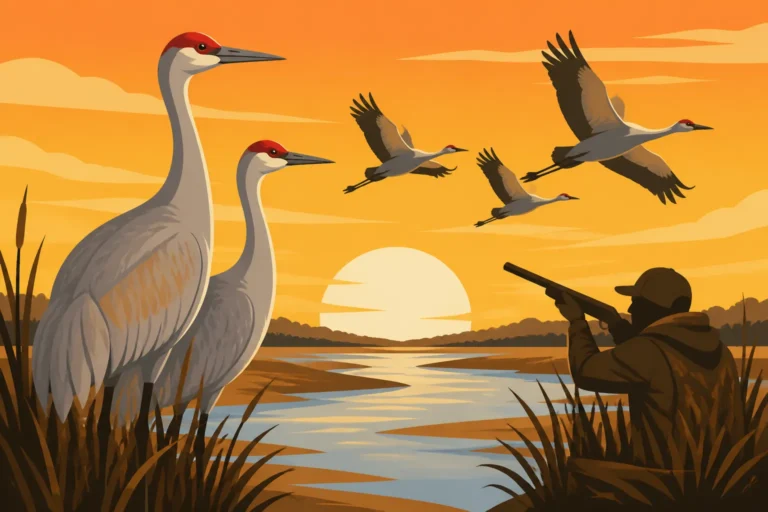
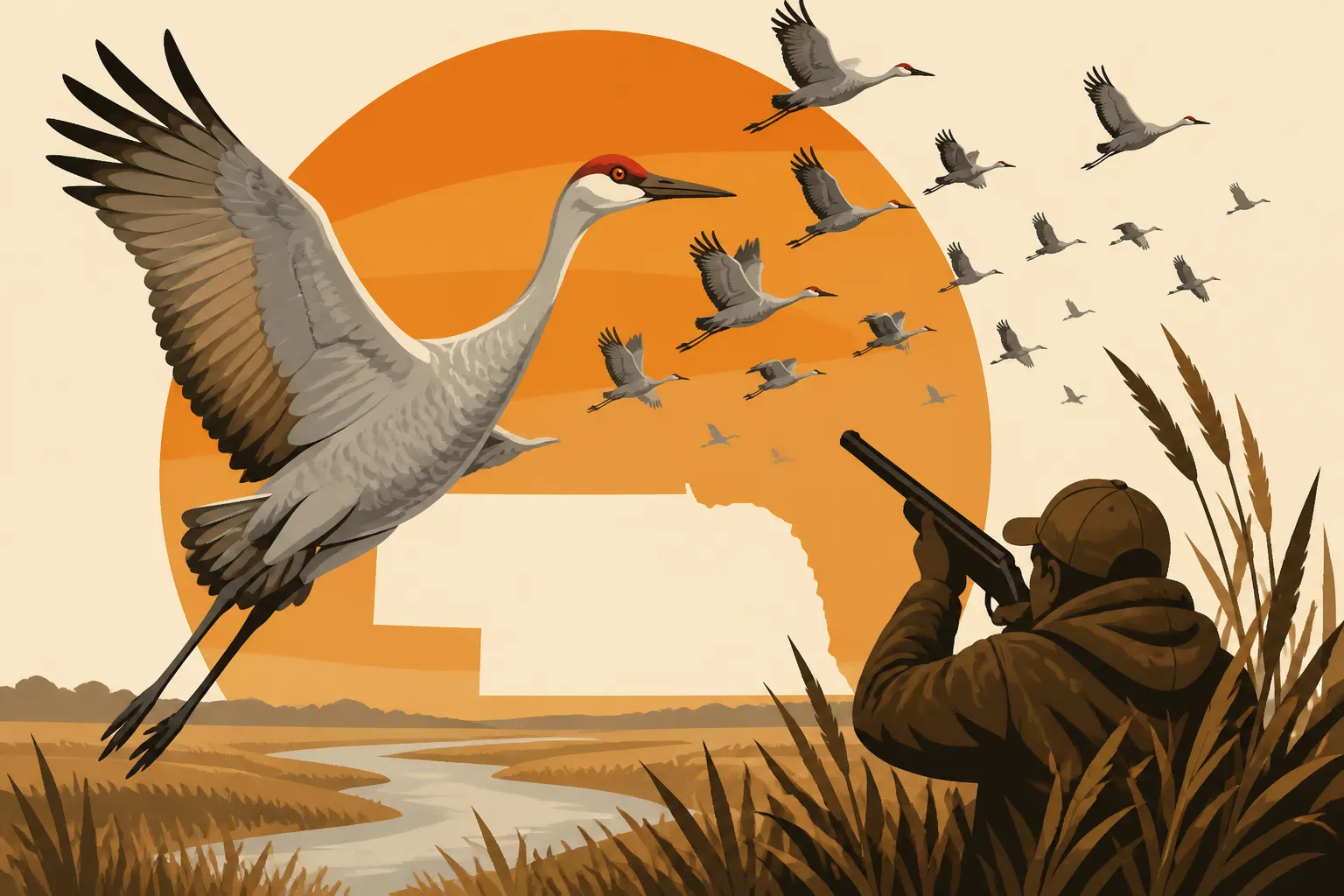
There’s nothing quite like standing on the banks of the Platte River in early spring, the air thick with the ancient calls of Sandhill Cranes. It's an experience that transcends mere birdwatching; it feels like stepping back in time, connecting with a primal rhythm of the earth. These magnificent birds, some traveling thousands of miles from their wintering grounds, converge on a relatively small stretch of river in central Nebraska, turning it into a pulsing, living spectacle. It's a testament to the Platte's enduring importance and the cranes' remarkable instinct.
Why the Platte River is so Crucial for Cranes
The Platte River isn't just a convenient stop for these migratory birds; it's an indispensable lifeline. Its unique, braided channel, characterized by shallow waters and wide, exposed sandbars, provides the perfect safe haven for cranes to roost at night. These sandbars offer protection from ground predators like coyotes, as the shallow water acts as a natural moat. The birds gather in immense numbers on these sandbars, conserving energy and finding safety in their sheer collective presence.
Beyond the secure roosting sites, the surrounding agricultural landscape is equally vital. The fields, particularly cornfields left unharvested or with waste grain, offer an abundant and high-energy food source. This waste grain, along with aquatic invertebrates found in the river, fuels the cranes as they replenish fat reserves crucial for their continued journey north to breeding grounds in Canada, Alaska, and Siberia. Without this specific combination of secure roosting habitat and plentiful food, the migration as we know it simply wouldn't be possible. It's a finely tuned ecological machine, and the Platte River is its engine. Rainwater Basin Waterfowl Numbers are also heavily dependent on similar crucial wetland and agricultural resources in the region.
Historical Numbers and Population Trends
When we talk about the numbers of Sandhill Cranes, it’s worth appreciating that this incredible concentration is a story of resilience and conservation. Historically, crane populations, like many migratory birds, have seen their share of ups and downs. Early land-use changes, market hunting, and habitat destruction certainly took their toll in centuries past, leading to declines in various crane species. However, through dedicated conservation efforts, the Sandhill Crane population has largely recovered and stabilized, becoming one of the great conservation success stories.
In recent decades, the number of Sandhill Cranes staging on the Platte River has consistently been very high, often estimated in the hundreds of thousands, sometimes approaching half a million or more during the peak of migration. These impressive figures are a reflection of ongoing habitat protection and management, not just on the Platte, but across their entire flyway. It's a continuous balancing act, ensuring that the critical resources they need are available, especially given the pressures of human development and changing environmental conditions. We're very fortunate to witness such a robust return of these magnificent birds year after year. You can often see them with Whooping Cranes on the Platte River, though the latter are far rarer.
How Sandhill Crane Numbers Are Counted
It’s easy to look at a sky full of cranes or a sandbar blanketed with them and wonder, "How on earth do they count all those birds?" It's certainly not a simple task, and it takes a dedicated effort from many individuals and organizations. The challenge lies not just in the sheer volume of birds, but also in their constant movement and the vastness of the area they utilize.
The Annual Crane Count Methodology
Counting Sandhill Cranes on the Platte River is a sophisticated and highly coordinated annual effort, primarily undertaken by conservation groups and wildlife agencies. It's not a single, one-day event, but rather a series of systematic counts conducted throughout the peak migration period. The primary method often involves both aerial surveys and ground-based observations. Biologists fly over known roosting sites, usually at dawn or dusk when the birds are concentrated on the sandbars, taking photographs or making direct visual estimates.
Concurrently, trained observers on the ground strategically position themselves along the river to count cranes as they leave their roosts in the morning or return in the evening. These ground counts are critical for verifying aerial estimates and accounting for birds that might be missed from above. The methodology includes dividing the river into segments, ensuring that different teams cover specific zones, and then carefully compiling the data. This meticulous approach helps create a comprehensive picture of the population numbers. When Sandhill Cranes Arrive in Nebraska is crucial for timing these counts accurately.
Challenges in Estimating Crane Populations
Despite the diligent efforts, estimating Sandhill Crane populations is far from an exact science and comes with its unique set of challenges. One of the biggest hurdles is the dynamic nature of the migration itself. Cranes are constantly moving, flying between roosting sites and feeding areas, and new birds arrive while others depart. This means that a count on any given day is a snapshot, and the overall "peak" number is an aggregation of these snapshots, adjusted for potential double-counting or missed birds.
Weather plays a significant role too. Strong winds can make aerial surveys difficult and cause cranes to disperse more widely. Poor visibility due to fog or rain can severely hamper ground observers. Furthermore, the sheer number of birds can be overwhelming, even for experienced counters, and variations in individual estimation skills can introduce a margin of error. Biologists use statistical models and historical data to refine their estimates, acknowledging that the reported numbers are always informed approximations, albeit highly valuable ones for conservation management.
| Factor | Impact on Crane Numbers |
|---|---|
| Platte River Health | Direct positive correlation; healthy river = safe roosts |
| Waste Grain Availability | Direct positive correlation; abundant food = more energy |
| Wetland Habitat | Positive correlation; diverse wetlands support overall health |
| Drought Conditions | Negative impact; reduces water, makes roosts less secure |
| River Alteration | Negative impact; loss of braided channels, sandbars |
| Avian Disease Outbreaks | Potential negative impact; localized mortality |
| Predation (natural) | Generally minor impact on overall population |
| Human Disturbance | Negative impact; can cause birds to abandon sites |
Factors Influencing Sandhill Crane Numbers
The health and number of Sandhill Cranes stopping over on the Platte are influenced by a complex web of environmental factors. It’s never just one thing; rather, it's a delicate balance of conditions that either support or hinder their epic migration. Understanding these factors is key to appreciating the efforts involved in protecting this natural wonder.
Habitat Availability and Loss
The most critical factor influencing Sandhill Crane numbers on the Platte River is, without a doubt, habitat availability. Over time, the Platte River itself has undergone significant changes due to human activity, primarily water diversion for irrigation and hydroelectric power. This has historically reduced flow, narrowed the river channel, and allowed vegetation to grow on what were once open sandbars, making them less suitable for crane roosting. The loss of these wide, unobstructed sandbars creates a less secure environment for the birds.
Similarly, the surrounding wet meadows and native grasslands, which once provided additional foraging and loafing habitat, have largely been converted to agriculture or developed for other uses. Conservation organizations and agencies work tirelessly to mitigate these losses, purchasing land, managing water rights to ensure adequate river flows, and actively clearing vegetation from sandbars to maintain open roosting habitat. Without these interventions, the numbers of cranes that could safely stage on the Platte would undoubtedly be much lower. The broader issue of Wetland Loss in the Rainwater Basin also speaks to these larger habitat challenges faced by migratory birds in Nebraska.
Weather Patterns and Climate
Weather is another colossal influence on Sandhill Crane numbers, affecting both their migration timing and their survival. Conditions on their distant breeding grounds in the far north, as well as their wintering grounds in the southern U.S. and Mexico, can impact their overall health and reproductive success. A harsh winter or a prolonged drought in their breeding areas can lead to lower fledgling success, meaning fewer young birds joining the migration in subsequent years.
Closer to home, the weather in Nebraska directly affects their stopover. Early springs with mild temperatures can lead to an earlier arrival of birds, while prolonged cold spells or late-season snowstorms can delay their migration or push them through more quickly. Drought conditions on the Platte can reduce water levels, concentrating birds into smaller, potentially less secure roosting areas. Conversely, excessive rainfall can create high water, flooding sandbars and forcing birds to seek less ideal spots. Wind, too, plays a role, influencing flight patterns and energy expenditure. All these atmospheric variables contribute to the yearly fluctuations we observe in crane numbers.
Food Sources and Agricultural Impact
While the Platte River provides safe roosting, the surrounding agricultural landscape is a massive buffet for the cranes, and therefore a major factor in their numbers. Sandhill Cranes are omnivores, but during their Platte River stopover, waste grain from harvested cornfields makes up a significant portion of their diet. This high-carbohydrate food source is essential for building up the fat reserves needed for their arduous journey further north to their breeding grounds.
The types of crops planted, farming practices (such as the timing of harvest and tillage methods that leave more waste grain), and the overall acreage of suitable fields directly impact the cranes' ability to find adequate food. A good corn harvest, coupled with conditions that leave plenty of waste grain on the ground, generally supports a larger, healthier population of staging cranes. This symbiotic relationship between agriculture and wildlife highlights the need for continued dialogue and collaboration between farmers and conservationists to ensure both agricultural productivity and wildlife sustenance.
Disease and Predation
Like all wildlife populations, Sandhill Cranes are not immune to disease and predation, although these factors typically have a more localized rather than widespread impact on overall population numbers. Avian influenza, for example, is a recurring concern among migratory bird populations, and while widespread outbreaks among cranes on the Platte are relatively rare, isolated cases can occur and are closely monitored. Such diseases can cause localized mortality, and depending on severity and spread, could impact regional numbers. Avian Influenza in Prairie Waterfowl is a constant concern for all migratory birds.
Predation on the Platte is generally low due to the cranes' choice of open sandbar roosts, which makes it difficult for most predators to approach undetected. Coyotes, foxes, and raptors might occasionally take a sick or weak bird, but these occurrences are not significant enough to impact the overall staging population. Human disturbance, however, can act as a form of predation pressure. Repeated flushing of birds from roosts or feeding areas by unauthorized access or recreational activities can cause undue stress, waste vital energy, and make birds more vulnerable. Careful management of public access is therefore an important part of protecting crane numbers.
The Bigger Picture: Sandhill Crane Conservation and Management
The incredible spectacle of Sandhill Cranes on the Platte River isn't just a happy accident; it's the result of decades of dedicated conservation and careful management. Many organizations and individuals have recognized the critical importance of this particular stretch of river and have worked tirelessly to ensure its continued viability for these majestic birds.
Conservation Efforts Along the Platte
A multifaceted approach has been employed to conserve the Platte River habitat for Sandhill Cranes and other migratory species. Land acquisition has been a significant strategy, with conservation groups purchasing tracts along the river to protect and restore critical roosting and foraging areas. These lands are then actively managed, which often includes maintaining water levels, clearing encroaching vegetation from sandbars, and sometimes even managing agricultural fields to ensure a consistent food supply.
Water management is another crucial aspect. Given the demands on the Platte River's water resources for agriculture and human consumption, efforts are made to ensure that sufficient water flows are maintained, especially during the critical spring migration period, to create and sustain the necessary roosting habitat. Furthermore, partnerships with private landowners, often farmers, are vital. These collaborations might involve incentives for leaving waste grain in fields or maintaining specific habitat features, recognizing that a significant portion of the cranes' habitat is on private land. These combined efforts allow the Platte to remain a premier stopover for Waterfowl of the Central Flyway in Nebraska and, of course, the cranes.
The Future of Crane Migration in Nebraska
Looking ahead, the future of the Sandhill Crane migration on the Platte River is a story of ongoing commitment. While conservation efforts have been remarkably successful, new challenges are always on the horizon. Climate change, with its potential for altered weather patterns and water availability, could certainly impact the delicate balance of the Platte ecosystem. Continued pressure on water resources and land development in the river corridor will also demand vigilant management and innovative solutions.
However, the enduring success of the crane migration is a powerful testament to what can be achieved through sustained conservation. The sheer public interest in the cranes, recognized by phenomena like What Crane Tourism Is Worth to Nebraska, provides a strong incentive for their protection. Organizations and dedicated individuals continue to monitor crane populations, advocate for habitat protection, and educate the public on the importance of the Platte. The goal is to ensure that for generations to come, the skies above Nebraska will continue to thunder with the calls of hundreds of thousands of Sandhill Cranes, a symbol of wildness and hope. It’s also important to remember that Nebraska Is the Only Flyway State Without a Crane Season, emphasizing their protected status here.
Disclaimer
This article is for general informational purposes only and does not constitute professional advice. Laws, prices and regulations vary by location and change over time. Consult a qualified professional for guidance on your specific situation.