What Berggren Plan 2.0 Changed
It can be incredibly frustrating to see a beloved wild game species like the pheasant experience population struggles, especially when you've dedicated countless hours to the pursuit. For many of us who cherish the hunt in Nebraska, the decline in pheasant numbers over the years has been a real concern, directly impacting our hunting experiences and the future of the sport. This comprehensive guide will walk you through the evolution of efforts to bolster pheasant populations in Nebraska, specifically detailing what changed with the introduction of Berggren Plan 2.0 and what it means for hunters and the birds we chase.
The Genesis of the Berggren Plan: Why It Was Needed
Before we dive into what Berggren Plan 2.0 changed, it’s essential to understand the original plan's context. Nebraska has long been a pheasant hunting destination, famous for its abundant bird populations in prime years. But like many states in the pheasant belt, it started experiencing significant declines. Hunters across the state felt this shift acutely, seeing fewer flushes and shorter seasons, which led to a collective call for action.
Understanding the Initial Decline
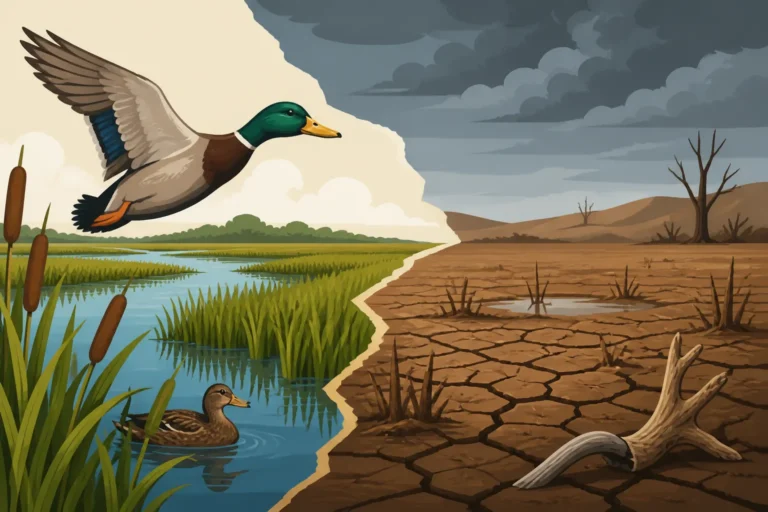
The rich history of Nebraska's Ring-Necked Pheasant Story traces their introduction and proliferation, transforming the state into a pheasant paradise. However, by the early 2000s, warning signs were clear. Habitat loss was, without a doubt, the primary culprit. Changes in agricultural practices, particularly the move towards larger fields, fewer fencerows, and more intensive farming, meant less diverse cover for pheasants to nest, brood, and escape predators. Many hunters recall driving through areas that once held dozens of birds and now seemed barren. It wasn't just a slight dip; it was a noticeable and disheartening trend that threatened the very fabric of pheasant hunting culture in Nebraska.
These habitat changes weren't isolated to one part of the state. From the eastern row crop counties to the central pivot country, the landscape was evolving. This erosion of critical upland cover, combined with sporadic harsh winters and wet springs impacting nesting success, created a perfect storm. The data from studies and surveys, including metrics like the Nebraska Rural Mail Carrier Survey, painted a stark picture of Nebraska's Pheasant Population Decline, confirming what hunters were already seeing and feeling in the fields. It became clear that a targeted, strategic effort was desperately needed to reverse the trend.
The First Attempt at Recovery
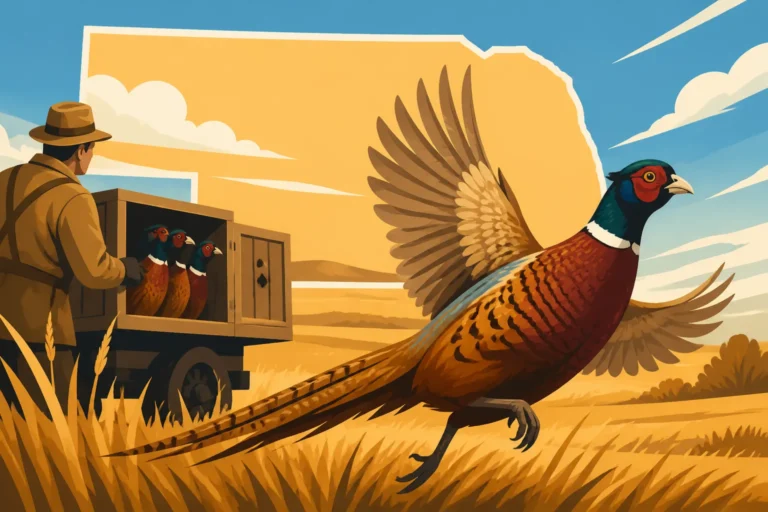
In response to these alarming trends, the Nebraska Game and Parks Commission (NGPC), alongside conservation partners, launched the original Berggren Pheasant Plan. Named after former NGPC Commissioner and ardent pheasant advocate, Lynn Berggren, this initiative was a significant step forward. Its core focus was on identifying key "focus landscapes" – areas with the greatest potential for pheasant recovery based on historical populations and existing habitat remnants. The plan aimed to implement habitat improvements within these areas, primarily through working with landowners to enroll acres in conservation programs.
The initial Berggren Plan focused heavily on establishing permanent cover, such as dense nesting cover, winter thermal cover, and food plots, through various federal and state programs. It was a commendable effort that saw some successes, but the sheer scale of habitat loss meant that the gains were often localized and sometimes overshadowed by continued declines elsewhere. While the intention was solid, the execution faced hurdles inherent in a voluntary, incentive-based program that needed to compete with the economic realities of modern agriculture. Many landowners were interested, but the incentives sometimes weren't enough to make a significant difference on enough acres.
The Core Challenges Leading to Berggren Plan 2.0
Even with the initial Berggren Plan underway, the underlying pressures on pheasant populations continued to mount. It became evident that a simple "more habitat" approach, while crucial, wasn't addressing all the complex factors at play. The landscape was changing faster than habitat could be restored in some areas, and new challenges emerged.
Habitat Loss and Degradation
The relentless march of intensified agriculture remained the single biggest threat. Acres that once provided refuge for pheasants, like odd corners, grassed waterways, and small parcels of native prairie, were increasingly converted to crop production. Furthermore, the quality of remaining habitat often suffered. Monoculture farming practices left little room for the diverse plant communities that pheasants need throughout their life cycle. Even areas enrolled in programs like CRP were sometimes mowed or hayed at critical times, reducing their effectiveness for nesting birds. We all know the feeling of driving by a beautiful patch of grass in May, only to see it mowed flat in June, ruining countless nests.
The loss wasn't just about acreage; it was about connectivity and diversity. Pheasants need a patchwork of different cover types – dense grass for nesting, brood-rearing cover with insects, safe roosting areas, and accessible food sources. As these pieces became fragmented and isolated, even robust patches of habitat struggled to support viable pheasant populations. This fragmentation also made birds more vulnerable to predators, as they had fewer places to hide and escape. When we talk about CRP Loss Since the 1990s Peak, we're talking about millions of acres that once supported pheasants and now largely don't.
Changing Agricultural Practices
Beyond the direct loss of habitat, evolving agricultural practices presented their own set of challenges. Modern farming often means earlier planting and harvesting, larger equipment, and increased use of pesticides and herbicides. While these practices are efficient for food production, they can be devastating for ground-nesting birds. Early mowing of hay fields or harvesting of small grains can destroy nests and kill hens. The widespread use of herbicides reduces the insect populations that pheasant chicks rely on for their early protein intake, impacting chick survival rates.
The economic pressures on farmers are immense, making it difficult for them to leave ground idle or implement less intensive practices without significant financial incentives. This reality created a disconnect between conservation goals and agricultural necessities, a gap the original Berggren Plan sometimes struggled to bridge effectively. Hunters often hear farmers express regret about not being able to leave more cover, but their livelihoods depend on maximizing yield. This tension was a driving force behind the need for a revised approach.
Predation and Weather Factors
While habitat is almost always king, predation and weather play significant roles, especially when habitat is sparse. When pheasants are concentrated in smaller, isolated cover patches, they become easier targets for predators like coyotes, raccoons, and skunks. The balance shifts, and predation can have a disproportionately higher impact on already struggling populations. It's a tough pill to swallow for hunters who know that a good hen will raise a clutch of ten or more chicks in good cover, but loses them all in poor cover.
Weather, as always, is an unpredictable variable. Harsh winters with heavy snow and ice can lead to significant winter kill, particularly if adequate thermal cover and food sources are lacking. Conversely, cold, wet springs can devastate young broods, leading to poor chick survival. While Berggren Plan 1.0 addressed some of these with food plots and winter cover, the challenges remained, emphasizing the need for a more resilient, widespread habitat strategy that could help birds weather these natural adversities more effectively.
Key Changes and New Focus Areas in Berggren Plan 2.0
Recognizing these persistent challenges and the limitations of the initial effort, the Nebraska Game and Parks Commission, along with its partners, launched Berggren Plan 2.0. This wasn't just a tweak; it was a substantial re-evaluation and expansion of strategy, designed to be more adaptive, landowner-friendly, and impactful. The core idea was to learn from the past and build a more robust, long-term framework for pheasant recovery.
Expanded Habitat Initiatives
One of the most significant changes in Berggren Plan 2.0 was a broader and more diverse approach to habitat. While permanent cover remained a priority, the new plan emphasized habitat connectivity and diversity across the landscape. This meant not just large blocks of grass, but also a focus on smaller, strategic habitat features like pollinator strips, field borders, and riparian buffers that connect larger blocks of cover. It's about creating a mosaic, rather than isolated islands, making it easier for pheasants to move between nesting, brooding, and wintering areas.
Furthermore, Berggren Plan 2.0 placed a greater emphasis on "working lands" initiatives. This involved finding ways to integrate wildlife habitat into active agricultural operations, rather than solely relying on land taken out of production. Examples include delayed haying incentives, rotational grazing plans that benefit wildlife, and cover crop implementation. This shift acknowledges the economic realities of Nebraska agriculture and seeks win-win solutions where farmers can continue to farm productively while also providing critical habitat. When hunters are using resources like GoHunt to scout for areas, they can look for these more subtle habitat improvements that are now part of the strategy.
Increased Landowner Incentives
A critical component of Berggren Plan 2.0 was a renewed focus on making conservation programs more attractive and accessible to landowners. This included streamlining application processes, offering competitive rental rates for enrolled acres, and providing technical assistance to help landowners design and implement habitat projects. The goal was to remove barriers and make it easier for farmers and ranchers to participate, ultimately enrolling more acres into pheasant-friendly programs.
The plan also sought to increase awareness among landowners about the benefits of habitat beyond just pheasants, such as soil health, water quality, and pollinator support. By highlighting these broader ecological and economic advantages, the plan aimed to foster a more sustainable approach to land management. This might mean higher payment rates for specific practices, or longer-term agreements that provide more financial certainty for landowners. The success of programs like Nebraska's Open Fields and Waters depends heavily on landowner participation, and Berggren Plan 2.0 recognized the need to sweeten the deal.
Enhanced Public-Private Partnerships
Berggren Plan 2.0 recognized that no single entity could tackle the pheasant decline alone. A stronger emphasis was placed on forging and strengthening partnerships between the NGPC, federal agencies (like the USDA's Natural Resources Conservation Service), non-governmental organizations (such as Pheasants Forever and Nebraska Game and Parks Foundation), and private landowners. This collaborative approach aimed to leverage resources, expertise, and funding from multiple sources to maximize impact.
These partnerships meant more coordinated efforts in habitat planning, implementation, and outreach. For example, Pheasants Forever biologists often work directly with landowners, providing on-the-ground technical assistance that complements state and federal programs. This synergy allows for a more comprehensive and efficient delivery of conservation services, covering a wider geographic area and impacting more acres. The plan also encouraged local conservation groups and hunting organizations to get more involved, providing volunteer labor and local fundraising to support projects. This type of widespread support is essential for any large-scale conservation endeavor to succeed.
Impact on Hunters and Pheasant Populations
The ultimate goal of Berggren Plan 2.0 was, of course, to put more pheasants back in the fields for current and future generations of hunters. While conservation efforts are always a long game, the changes implemented through the revised plan have begun to show promise, creating new opportunities and shifting the dynamics of pheasant hunting in Nebraska.
Opportunities for Hunters
For hunters, Berggren Plan 2.0 has led to increased access and improved hunting opportunities, particularly in those focus landscapes where intensive habitat work has occurred. As more acres are enrolled in programs and habitat quality improves, hunters can often find better bird numbers in these target areas. This means that scouting for Open Fields Tracts Best for Pheasants becomes even more critical, and these tracts might become more productive as a direct result of the plan.
Hunters might also notice a wider variety of cover types available, requiring them to adapt their hunting strategies. Instead of just focusing on large grass fields, they might find birds holding in narrower strips of pollinator habitat, improved field edges, or cover crops. This diversity can make for more challenging but ultimately more rewarding hunts. It encourages hunters to think creatively and utilize different tactics, whether that's Walking Milo and Corn Stubble for Pheasants or focusing on new, strategically planted strips. Using tools like GoHunt, hunters can map out these new habitat types and plan their approach more effectively.
Pheasant Population Trends Post-2.0
While it's important to remember that pheasant populations fluctuate due to many factors, including weather, early indications following the implementation of Berggren Plan 2.0 have been encouraging. The emphasis on diverse and connected habitat, coupled with landowner engagement, has started to yield positive results in some areas. Surveys and roadside counts, which track How Pheasant Numbers Are Counted, have shown localized increases, suggesting that the targeted approach is making a difference where it matters most.
The plan aims to build resilience into the pheasant population. By creating a larger, more distributed network of high-quality habitat, the birds are better equipped to withstand adverse weather events or localized predation pressures. While we may not see a return to the "good old days" overnight, the trajectory is more positive than it was before. This gradual improvement offers hope that the long-term trend of decline can be reversed, leading to more consistent hunting seasons for everyone who cherishes the call of a rooster.
Challenges and Ongoing Efforts
Despite the successes, Berggren Plan 2.0 is not without its ongoing challenges. The economic pressures on agriculture are constant, and maintaining landowner enrollment in conservation programs requires continuous effort and funding. Land values and commodity prices can quickly shift the calculus for farmers, making it a constant uphill battle to keep acres in habitat. Additionally, while the plan has expanded its reach, there are still vast areas of the state where quality pheasant habitat remains scarce.
Conservation is a continuous process, not a one-time fix. The NGPC and its partners are constantly evaluating the effectiveness of Berggren Plan 2.0, adapting strategies, and seeking new funding sources. This involves continued research into pheasant ecology, fine-tuning habitat management techniques, and engaging with new landowners. Efforts continue to address broader landscape issues, ensuring that the work done today provides lasting benefits for tomorrow's hunters and wildlife. This commitment to continuous improvement is crucial for the long-term viability of Nebraska's pheasant populations.
Measuring Success: Metrics and Future Outlook
Understanding if Berggren Plan 2.0 is working requires careful monitoring and a clear set of metrics. It's not enough to simply hope for more pheasants; we need data to prove the effectiveness of these conservation investments and guide future actions.
Tracking Progress and Data Collection
The Nebraska Game and Parks Commission, along with its partners, employs a variety of methods to track the success of Berggren Plan 2.0. These include the annual roadside pheasant counts, which provide valuable insights into regional population trends and help determine Nebraska's Pheasant Season Opening Date and overall outlook. They also track acres enrolled in various habitat programs, measuring the quantitative increase in habitat availability within focus landscapes. This data helps assess whether the landowner incentive programs are effectively expanding the habitat footprint.
Furthermore, detailed biological surveys and monitoring of habitat quality provide qualitative insights. Are the enrolled acres truly providing the necessary nesting, brooding, and winter cover? Are chick survival rates improving in areas with new habitat? By combining these different data points, conservationists can gain a comprehensive understanding of the plan's impact, allowing them to make informed adjustments and focus resources where they will do the most good. This meticulous tracking is essential for accountability and for building public confidence in the plan's efficacy.
Long-Term Vision for Nebraska Pheasants
The long-term vision of Berggren Plan 2.0 extends beyond just increasing pheasant numbers; it aims to create a sustainable future for upland hunting in Nebraska. This involves fostering a culture of conservation among landowners, hunters, and the general public, recognizing that healthy pheasant populations are indicators of a healthy rural landscape. The goal is to build a resilient pheasant population that can naturally fluctuate with weather cycles but maintains a robust baseline, ensuring consistent hunting opportunities for decades to come.
This vision also emphasizes the economic and cultural value of pheasant hunting. A strong pheasant population attracts hunters, both resident and nonresident, who contribute significantly to local economies through permits, lodging, fuel, and supplies. This economic input, in turn, helps fund further conservation efforts. The plan seeks to ensure that Nebraska remains a premier destination for upland bird hunting, preserving a cherished tradition and providing tangible benefits for both wildlife and people. When hunters utilize tools like GoHunt to plan their trips, they're often looking for areas that embody the success of such long-term vision.
Berggren Plan Evolution: A Comparative Look
To truly grasp what Berggren Plan 2.0 changed, it’s helpful to see some of the key shifts in focus and approach compared to its predecessor.
| Feature / Aspect | Original Berggren Plan | Berggren Plan 2.0 |
|---|---|---|
| Primary Focus | Establishing permanent grass cover in "focus landscapes" | Diverse, connected habitat across the landscape; "working lands" integration |
| Habitat Approach | Often larger, blocky habitat improvements | Mosaic of habitat types, field borders, pollinator strips, connectivity |
| Landowner Engagement | Incentives for land taken out of production | Enhanced incentives, streamlined processes, technical assistance for working lands |
| Partnerships | NGPC-led with key conservation partners | Expanded public-private partnerships, increased local involvement |
| Measurement | Roadside counts, enrolled acres | Roadside counts, enrolled acres, habitat quality, chick survival, landowner surveys |
| Goal | Reverse pheasant decline | Sustainable, resilient pheasant populations and strong hunting tradition |
This table clearly illustrates the strategic evolution, moving from a more singular approach to a multi-faceted, adaptive strategy.
In essence, Berggren Plan 2.0 represents a renewed commitment and a more sophisticated understanding of the complex challenges facing Nebraska's pheasants. It acknowledges that simply adding more acres isn't always enough; it's about adding the right kind of acres, in the right places, and making it as easy and beneficial as possible for landowners to participate. This proactive and adaptive approach is our best hope for ensuring that the thrill of a rooster bursting from cover remains a vibrant part of Nebraska's hunting heritage.
Disclaimer
This article is for general informational purposes only and does not constitute professional advice. Laws, prices and regulations vary by location and change over time. Consult a qualified professional for guidance on your specific situation.