Why Nebraska Whitetail Buck Harvest Hit a 30-Year Low
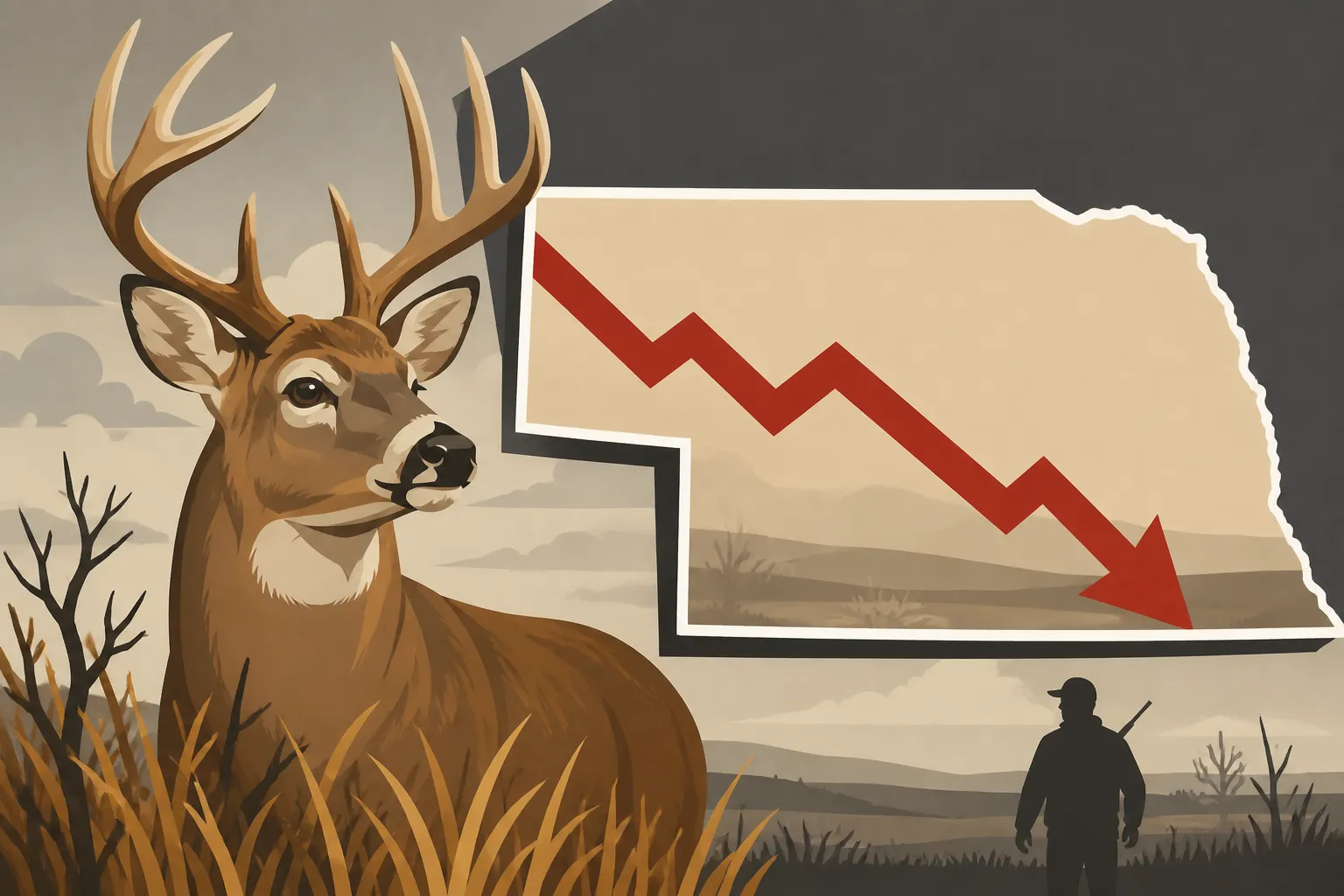
For any deer hunter in Nebraska, especially those of us who have spent years chasing whitetails across the state's diverse landscapes, the news that Nebraska's whitetail buck harvest has dipped to a 30-year low can feel like a punch to the gut. We invest so much time, effort, and passion into our seasons, and seeing those numbers decline can be incredibly disheartening, leaving us to wonder what’s really going on out there in the timber and along those creek bottoms. This comprehensive guide will break down the complex factors contributing to this decline, offering insights into the environmental, biological, and management challenges facing our beloved whitetails.
Understanding the Decline in Whitetail Buck Harvest
When we talk about a "30-year low" in whitetail buck harvest, it’s not just an abstract statistic; it’s something many of us have felt firsthand in our hunting experiences. It means fewer mature bucks on the landscape, fewer opportunities in the field, and ultimately, fewer deer to fill our freezers. This isn't just a blip on the radar; it's a significant trend that impacts how we approach hunting and how the Nebraska Game and Parks Commission (NGPC) manages our deer herds. It’s crucial to look beyond the headlines and delve into the data to truly grasp the situation.
What the Harvest Numbers Reveal
The numbers don't lie, but they do tell a nuanced story. A 30-year low isn't simply about fewer hunters taking to the woods; it indicates a reduction in the number of bucks available to be harvested. This can stem from several places: a smaller overall deer population, a lower proportion of mature bucks within that population, or environmental factors that make deer harder to locate and harvest. For instance, the total deer harvest (bucks and does) has also seen fluctuations, but a specific decline in buck harvest often points to issues directly affecting the male segment of the herd or the age structure.
Harvest data is collected annually by the NGPC through mandatory check-in systems and hunter surveys. These figures provide a snapshot, but when viewed over decades, they highlight significant trends. Analyzing this data, perhaps with tools like those offered by GoHunt for other states' hunting research, can help us understand the historical context and identify when and where these declines started becoming noticeable. It's not just a drop in one year, but a sustained pattern that signals a deeper issue at play, challenging the resilience of our deer populations.
The Significance of Buck Harvest as an Indicator
Why focus so heavily on buck harvest, specifically? Well, bucks, especially mature bucks, are often considered a key indicator of a healthy deer population and habitat. While antlerless harvest is important for population control, a consistent decline in buck harvest, particularly older age-class bucks, can signal underlying problems. It might suggest poor fawn recruitment, reduced survival rates among younger bucks, or even a shifting age structure where fewer bucks survive long enough to reach maturity.
Furthermore, buck harvest trends can reflect the overall health and distribution of the herd. If a particular region shows a significant drop, it cues wildlife managers and hunters alike to investigate local habitat conditions, disease prevalence, or hunting pressure within that specific area. For us hunters, it translates to a more challenging pursuit, requiring more scouting and adapting our strategies, perhaps relying more on understanding Where Nebraska Whitetails Bed in Row-Crop Country or mastering Rattling and Grunting in Nebraska's Rut to increase our odds.
Environmental and Habitat Challenges Affecting Deer
Nebraska’s landscape is incredibly diverse, from the eastern river bottoms to the Sandhills and the Panhandle. However, this diversity also means varied challenges for whitetail deer. The delicate balance of their environment can be easily disrupted by a myriad of factors, often leading to a cascade of negative effects on population health and, consequently, harvest numbers.
The Impact of Weather Extremes
Weather in Nebraska can be extreme, and it plays a monumental role in deer survival and reproduction. Droughts, for example, can severely limit forage availability, impacting deer nutrition, particularly for pregnant does and fawns. A lack of water sources can also concentrate deer, making them more vulnerable to disease transmission and predation. We've seen periods of intense drought over the last decade that have undeniably stressed the herd.
Conversely, harsh winters with deep, prolonged snow can make it incredibly difficult for deer to find food and move around, leading to increased winter mortality, especially among fawns and older, weaker deer. A late, wet spring can also negatively affect fawn survival, as cold, damp conditions can be lethal to newborns. When a series of these extreme weather events hit in succession, the cumulative impact can be devastating, setting back a deer population for years. You might notice these effects especially in regions where deer are already on the edge of their habitat suitability, making them less resilient to environmental shocks.
Shrinking Quality Habitat
One of the most persistent and widespread challenges for Nebraska's whitetails is the ongoing loss and degradation of quality habitat. As agricultural practices intensify and urban areas expand, prime deer habitat — thick cover, diverse forage, and secure bedding areas — gets fragmented or disappears entirely. Many of us remember when CRP Loss Since the 1990s Peak significantly impacted upland birds, and deer habitat has suffered in similar ways. Shelterbelts are removed, CRP contracts expire without renewal, and river bottom timber is cleared.
This loss isn't just about acreage; it's about quality. Monoculture farming, for example, might offer some seasonal food in corn or soybean fields, but it lacks the diverse nutritional value and year-round cover that deer need for optimal health. When deer are forced into smaller, less diverse patches of habitat, they face increased competition for resources, higher stress levels, and greater exposure to human disturbance. This habitat fragmentation makes it harder for deer to find secure refuges, impacting their ability to thrive and reach mature age classes.
Food Source Availability Shifts
Beyond just the loss of physical habitat, changes in agricultural practices and natural vegetation can drastically alter food availability for whitetails. While deer are adaptable and will browse on many things, a balanced diet is crucial for antler growth, fawn production, and overall health. Shifts from diverse crop rotations to continuous corn or soybeans, for instance, can provide a feast for a few months but then leave deer scrambling for food in the leaner parts of the year.
The timing of harvest also plays a role. If corn is left standing late into the season, it provides excellent cover and food. However, once the corn comes off, deer in many areas are left exposed and reliant on whatever marginal forage remains. This sudden change can lead to deer having to travel farther and expend more energy to find food, making them more vulnerable. Understanding these shifts can be critical for hunters, helping them strategize around What Changes in Nebraska After the Corn Comes Off and focus their efforts on remaining food sources.
Disease Pressure on Nebraska Deer Herds
Diseases are a natural part of wildlife populations, but certain outbreaks can have catastrophic impacts, especially when combined with other stressors like habitat loss or extreme weather. For Nebraska's whitetails, two diseases stand out as significant contributors to population declines and reduced harvest numbers: Epizootic Hemorrhagic Disease (EHD) and Chronic Wasting Disease (CWD).
The Devastation of EHD Outbreaks
Epizootic Hemorrhagic Disease, or EHD, is a particularly nasty viral disease that is transmitted by biting midges, often called "no-see-ums." It's common in late summer and early fall, particularly in drought years when stagnant water sources concentrate both deer and the midges. The effects can be swift and severe, often leading to sudden death. Deer infected with EHD can develop high fevers, swelling, and internal hemorrhaging, often seeking water sources before they die.
Nebraska has experienced several significant EHD Outbreaks in Nebraska Deer over the past couple of decades, with localized die-offs that can decimate a deer population in certain areas. The impact can be staggering, sometimes wiping out a large percentage of deer in a specific river basin or watershed. While populations can rebound over several years, repeated outbreaks can prevent a full recovery, especially in areas with already stressed herds. This direct mortality significantly reduces the number of deer, including mature bucks, available for harvest in subsequent seasons.
Chronic Wasting Disease and Its Long-Term Threat
Chronic Wasting Disease, or CWD, is a neurological disease that is always fatal to deer, elk, and moose. It's caused by abnormal proteins called prions and slowly degrades the animal's brain, leading to emaciation, abnormal behavior, and eventually death. Unlike EHD, which causes acute die-offs, CWD is a slow-moving killer that can gradually reduce a population's health and density over time.
Chronic Wasting Disease in Nebraska has been a growing concern, first detected in the state in 2000. It's now present in many deer management units, particularly in the western and central parts of the state. The long-term implications are severe: as CWD prevalence increases, it can lead to reduced deer survival rates, especially for older age classes, and lower reproductive success. This chronic drain on the population means fewer deer reaching maturity, directly impacting the availability of harvestable bucks. While the NGPC has measures like mandatory CWD sampling in certain areas and carcass transport rules, managing CWD is a complex, ongoing challenge.
Hunting Pressure and Management Strategies
Hunting itself, and the way deer populations are managed through regulations, inherently impacts harvest numbers. While hunting is a vital tool for population control and a cherished tradition, changes in hunter behavior, permit structures, and even specific regulations can contribute to the overall picture of buck harvest.
Evolving Hunter Pressure and Habits
The landscape of hunting has shifted over the years. While overall hunter numbers might fluctuate, modern hunters often have access to more sophisticated scouting tools, like mapping apps and trail cameras, which can concentrate pressure on specific areas or individual deer. Additionally, increasing competition for limited access on public lands, or even the costs associated with private land access, can influence where and how hunters pursue deer. A rise in non-resident hunters, for example, can contribute to increased pressure, especially if they are targeting trophy bucks.
It's also worth considering how the popularity of "trophy hunting" or holding out for larger, more mature bucks might affect harvest statistics. If more hunters are letting younger bucks walk, it could temporarily decrease overall buck harvest numbers, though ideally, it would lead to an older age structure in the buck population over time. However, if other factors like disease or habitat loss prevent those younger bucks from ever reaching maturity, then the strategy doesn't yield the desired results, and harvest numbers remain low. Information from a site like GoHunt can help hunters understand pressure trends in specific units, allowing them to adapt their approach when Scouting Nebraska Public Ground Before Opening Day.
Permit Structures and Season Frameworks
The Nebraska Game and Parks Commission (NGPC) employs various permit structures and season frameworks to manage deer populations. These decisions, while aiming to balance population health with hunter opportunity, directly influence what and how many deer can be harvested. For instance, the allocation of specific Nebraska Deer Permit Types by Unit, including "Any Deer" vs. "Antlerless Only" permits, plays a critical role. If there are fewer "Any Deer" permits available or if a higher proportion of permits are "Antlerless Only," it will naturally reduce the potential buck harvest.
Furthermore, the duration and timing of seasons, such as How Nebraska's Nine-Day Firearm Season Is Set or the length of Nebraska's Four-Month Archery Deer Season, provide varying opportunities. While the intent is to manage the herd effectively, sometimes permit reductions or adjustments in season length are direct responses to observed population declines. These management decisions are often complex, balancing biological data with hunter demand and public input.
Antler Point Restrictions and Their Effects
Antler Point Restrictions (APRs) are a management tool used in some units to protect younger bucks, allowing them to mature and contribute to an older age structure within the buck population. These restrictions typically dictate that a harvested buck must have a minimum number of points on one side, usually three or four. While the intent is noble – to produce more mature bucks and improve the quality of the herd – their short-term impact can be a reduction in overall buck harvest numbers as hunters pass on younger, legal-but-restricted bucks.
The long-term success of APRs depends on a host of other factors, including habitat quality, disease prevalence, and overall buck survival rates. If bucks are dying from EHD or CWD before they can reach the age where they would meet APRs, then the restrictions might not achieve their desired effect of increasing the number of mature bucks. Hunters might be letting younger bucks walk, only for those deer to succumb to other pressures later. This makes the analysis of buck harvest data even more critical when evaluating the success of such management strategies.
The Role of Predation and Other Pressures
While environmental factors, habitat, and disease are often at the forefront of discussions about deer population dynamics, it’s important not to overlook the persistent pressure from predators and other less obvious factors. These elements, though sometimes less dramatic than a widespread disease outbreak, contribute to the cumulative challenges faced by Nebraska's whitetails.
Predator Impacts on Fawn Survival
Nebraska has a healthy population of predators, most notably coyotes. While coyotes rarely take down healthy adult deer, they can be significant predators of fawns, especially in the first few weeks of life. When fawn recruitment – the number of fawns that survive to their first hunting season – is low, it directly impacts the future health and size of the deer population, meaning fewer young bucks entering the system that could eventually contribute to the harvest.
Factors like poor habitat, which reduces cover for fawns, or stressed doe populations (due to drought or disease), which might lead to less robust fawns, can exacerbate the impact of predation. Even though predation is a natural process, in a scenario where deer populations are already struggling from other factors, high fawn mortality from predators can prevent or slow recovery. For those interested in managing predator populations, understanding tactics like Coyote Calling in Nebraska Winter can be relevant, though overall coyote impact on healthy, established deer herds is typically compensatory rather than additive.
Other Mortality Factors
Beyond the major headlines, a variety of other mortality factors contribute to the overall decline in deer numbers. Vehicle collisions, for example, account for a significant number of deer deaths annually in Nebraska. While these individual incidents may seem small, cumulatively they add up, especially in areas with high traffic volume and dense deer populations.
Illegal poaching, though difficult to quantify precisely, also removes deer from the population, including bucks. While wildlife agencies work diligently to combat poaching, it remains a factor that subtly erodes deer numbers. Stress from human activity, particularly in areas near urban encroachment or heavy recreational use, can also affect deer health and movement patterns, potentially pushing them into less suitable habitat or increasing their exposure to other risks. These less obvious, but constant, pressures contribute to the complex web of challenges faced by Nebraska's whitetails.
What Hunters Can Do and the Future Outlook
Facing a 30-year low in buck harvest can be disheartening, but it's not a reason to throw in the towel. As hunters, we are often the first to notice these trends, and we play a crucial role in both reporting observations and contributing to conservation efforts. Understanding the full picture helps us adapt, advocate, and ensure the future of Nebraska's whitetails.
Supporting Habitat and Conservation Efforts
One of the most impactful things hunters can do is to actively support habitat and conservation efforts. Organizations like the National Wild Turkey Federation (NWTF), Pheasants Forever, and local conservation groups often work on projects to improve deer habitat by planting native vegetation, creating water sources, and improving forest health. Even small, local efforts can have a significant impact on a regional scale.
Purchasing a Nebraska Habitat Stamp and Hunter Education is a direct way to contribute, as funds from these stamps go directly to habitat management and land acquisition efforts across the state. Furthermore, if you own land, consider implementing habitat improvement practices that benefit deer, such as creating bedding cover, planting food plots with diverse forage, or managing timber for browse. Every bit of good habitat helps.
Responsible Hunting Practices and Data Reporting
Hunters are the eyes and ears of wildlife management in the field. It’s crucial to continue practicing ethical and responsible hunting. This includes adhering strictly to regulations, accurately reporting harvests, and providing honest observations to the NGPC when requested. This data, which some hunters track meticulously with apps or platforms that GoHunt offers for other states, is vital for wildlife managers to make informed decisions. If you see signs of disease like EHD or CWD, report them to the NGPC immediately.
Additionally, consider your own hunting practices. While it’s natural to want to harvest a mature buck, sometimes passing on younger deer, especially when population numbers are down, can help bolster the herd's ability to rebuild. Participating in antlerless hunts, particularly in areas where doe populations need to be managed, is also a responsible way to contribute to herd health. Practicing skills like Field Dressing and Cooling Game in Warm Weather ensures that every harvested animal is utilized ethically.
Engaging with Wildlife Management
Finally, staying informed and engaging with wildlife management decisions is key. Attend public meetings hosted by the NGPC, provide feedback on proposed regulation changes, and educate yourself on the science behind deer management. The NGPC works hard to manage these resources for all Nebraskans, and informed hunter input is invaluable.
The decline in Nebraska's whitetail buck harvest is a complex issue with no single cause or easy fix. It's a reflection of interconnected challenges, from environmental shifts and disease to habitat loss and human impacts. By understanding these factors and actively participating in solutions, we, as hunters and conservationists, can contribute to the recovery and long-term health of Nebraska's deer herds, ensuring that future generations can enjoy the thrill of chasing a whitetail buck in our great state.
| Year | Total Whitetail Harvest (Approx.) | Whitetail Buck Harvest (Approx.) | Percent Bucks |
|---|---|---|---|
| 2023 | 47,000 | 23,000 | 48.9% |
| 2020 | 55,000 | 27,000 | 49.1% |
| 2010 | 80,000 | 38,000 | 47.5% |
| 2000 | 85,000 | 41,000 | 48.2% |
| 1990 | 65,000 | 31,000 | 47.7% |
| 1980 | 45,000 | 22,000 | 48.9% |
| 1970 | 20,000 | 10,000 | 50.0% |
Note: These are generalized, approximate figures to illustrate trends. Official numbers vary slightly year to year based on NGPC reports. The "Percent Bucks" column highlights that while overall harvest fluctuates, the proportion of bucks often remains relatively stable, suggesting the issue is with the overall deer numbers rather than a shift in hunter targeting.
Disclaimer
Please remember that hunting regulations, seasons, and wildlife populations are subject to change. Always consult the most current Nebraska Game and Parks Commission regulations and official publications before planning any hunting activity. This article is intended for informational purposes only and does not supersede state laws or official guidance.