How Nebraska’s Nine-Day Firearm Season Is Set
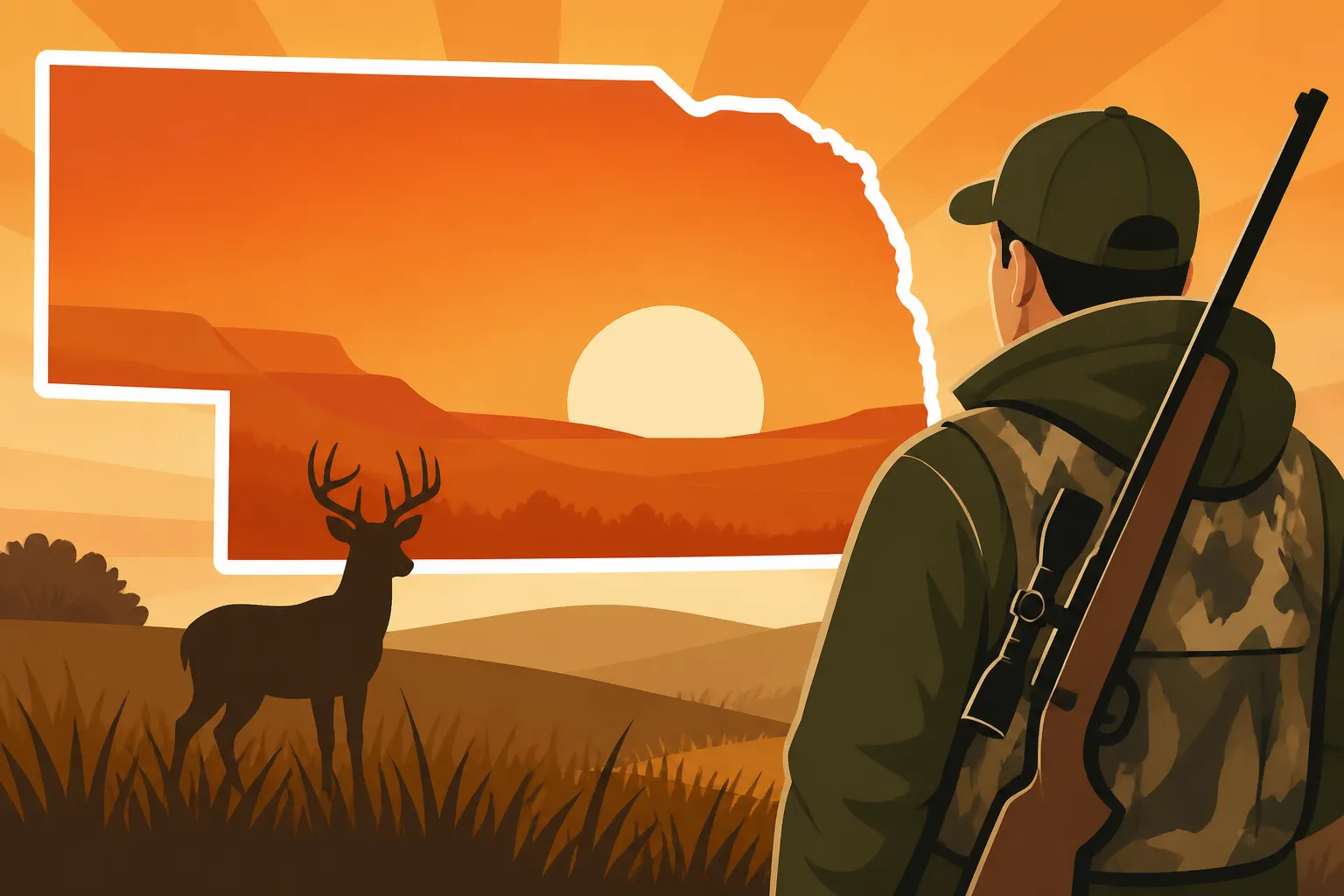
For many of us who eagerly await the crisp November air and the thud of a deer rifle, the opening of Nebraska’s nine-day firearm deer season feels like a sacred tradition. But have you ever stopped to wonder how those exact dates, and that specific nine-day window, actually get chosen? It's not just pulled out of a hat, and understanding the thoughtful process behind it can actually make you a more informed and strategic hunter, turning a perceived fixed rule into a tool for better planning.
Understanding the Foundation of Nebraska's Firearm Deer Season
Setting a hunting season, especially for a flagship species like deer, is a complex dance between biological science, hunter input, and practical management. It’s a process designed to ensure healthy deer populations for generations to come, while also providing ample opportunity for hunters across the state. The Nebraska Game and Parks Commission (NGPC) bears the significant responsibility for this balancing act.
The Commission's Role and Public Input
The Nebraska Game and Parks Commission is the primary authority tasked with wildlife management in the state. They're not just about setting limits; they're constantly monitoring herd health, habitat conditions, and hunter success rates. This isn't a top-down, opaque process either. The NGPC goes to great lengths to gather public input, holding open meetings, public hearings, and encouraging hunters to submit comments. They understand that while scientific data is paramount, the hunting community's perspectives, traditions, and concerns are also vital. This includes everything from discussions about antlerless harvest opportunities to feedback on specific season structures. It's a continuous dialogue, striving to build consensus while upholding their conservation mandate.
Balancing Hunter Opportunity and Wildlife Management Goals
At its core, the commission seeks a delicate balance: maximizing hunter opportunity without jeopardizing the long-term health of the deer population. On one hand, hunters contribute significantly to conservation through license fees and excise taxes on equipment. Providing accessible and successful hunting seasons encourages participation. On the other hand, uncontrolled harvest can quickly decimate herds, particularly in specific areas. The nine-day firearm season, specifically, is a carefully calibrated instrument designed to manage deer numbers in a targeted way, especially for whitetails, which tend to be more numerous and found in closer proximity to agricultural lands across the state. This means setting dates that align with biological cycles but also considering hunter convenience and potential conflicts with other outdoor activities or seasons.
Key Factors Influencing Season Dates and Duration
When the NGPC sits down to map out the calendar, they're not just looking at a pretty sunset. They're sifting through mountains of data and considering a multitude of factors, all of which play a crucial role in determining when that nine-day window opens and closes.
Deer Population Health and Harvest Objectives
The single most critical factor is the overall health and population density of Nebraska's deer herds. Wildlife biologists conduct annual surveys, analyze harvest data from previous seasons, and monitor trends in fawn recruitment, disease prevalence, and habitat quality. For instance, if certain units show an overpopulation, the season might be structured to encourage a higher antlerless harvest. Conversely, if numbers are declining in a particular area, efforts might be made to reduce overall pressure, perhaps through permit limitations or even slightly later season dates to avoid the peak of the rut, if that were deemed beneficial. You can dive deeper into these trends by looking into resources about Nebraska Whitetail Population Trends. The objective is never simply "more deer" or "fewer deer," but rather a population level that is healthy, sustainable, and in balance with the available habitat.
Biological Considerations: The Whitetail Rut and Hunter Success
For many deer hunters, the firearm season is synonymous with the rut, that magical period of peak breeding activity. The NGPC intentionally places the nine-day season to coincide with the general timeframe when the whitetail rut peaks in Nebraska. Why? Because deer movement increases dramatically during this period, making bucks more active and visible, which in turn significantly boosts hunter success rates. This strategic timing ensures a high-quality hunting experience for many, while also making it more efficient for hunters to meet harvest objectives, particularly for bucks. Understanding When the Whitetail Rut Peaks in Nebraska is crucial for anticipating deer behavior during these nine days. While less of a direct factor in setting the dates, it's worth noting How Nebraska's Archery Deer Season Overlaps the Rut, influencing the overall management approach across all seasons.
Weather Patterns and Hunter Access
While biologists can't predict the weather with certainty for a year out, historical climate data plays a role. Extremely warm conditions, especially early in the season, can lead to concerns about meat spoilage and reduced deer movement. Conversely, heavy snow or bitter cold can make access difficult and impact hunter safety. The nine-day structure often aims to capture a window that typically offers decent hunting weather, minimizing these risks. For instance, the traditional mid-November timing usually falls after much of the harvest is off the fields, opening up vast tracts of land for hunters who might otherwise struggle with access. This timing can profoundly impact how deer move, how hunters scout, and even how early season archers plan their strategy for Bowhunting Through the November Firearm Season.
The Unique Nine-Day Structure Explained
Nebraska's firearm deer season isn't just "a week" or "two weeks"; it's specifically nine days, and there's a good reason for that precise duration. This unique length is a product of history, hunter behavior, and careful management.
Why Nine Days? Historical Context and Hunter Preference
The nine-day format isn't arbitrary; it's evolved over time. Historically, it was settled upon as a duration that provides ample opportunity for hunters to participate, especially those who might work during the week, without extending so long that it creates excessive pressure on the deer herd. It allows for a full weekend at the beginning and often spills into another weekend, maximizing accessibility. Many hunters prefer this concentrated effort, planning their entire hunting trip around this specific timeframe. It's a tradition that’s deeply ingrained, and for good reason—it’s proven effective in both managing deer populations and delivering a quality hunting experience. Understanding Why Nebraska's Rifle Season Runs Nine Days often comes down to these historical and practical considerations.
The Importance of Weekends and Hunter Participation
Think about it: the vast majority of hunters have jobs and families that limit their time afield. By including two full weekends, the nine-day season ensures that even those with demanding schedules can get out and participate. The opening weekend is often a flurry of activity, with camps set up and hunters eager to fill their tags. This concentrated effort on weekends helps achieve harvest goals efficiently. Without these critical weekend blocks, hunter participation would likely plummet, making it harder to manage deer populations effectively through regulated harvest. This structure also acknowledges the social aspect of hunting, with many families and friends using these weekends as a time-honored reunion.
Managing Pressure During Nebraska's Nine-Day November Firearm Deer Season
A nine-day season, particularly one falling during the rut, naturally concentrates hunter pressure. This isn't necessarily a bad thing; it’s a controlled concentration. The NGPC manages this pressure through permit allocations and unit-specific rules. While the opening days, especially the first weekend, see the highest hunter density, the pressure often tapers off during the weekdays, giving dedicated hunters opportunities on less-disturbed ground. This allows the deer to settle back into their routines somewhat, even during the season. For those who can hunt mid-week, it often presents a quieter, more intimate hunting experience. To navigate this, savvy hunters often use tools, perhaps even those found on platforms like GoHunt, to analyze public land access and potential pressure points, ensuring they have an edge.
How Permits and Units Interact with the Season
The dates of the nine-day firearm season are only one piece of the puzzle. How and where you can hunt during this season is dictated by a system of permits and management units, all designed to fine-tune harvest goals across Nebraska's diverse landscapes.
Nebraska Deer Permit Types by Unit and Their Impact
Nebraska employs a complex system of deer permits, which are largely tied to specific Deer Management Units. These units are geographical areas where biologists have identified distinct deer populations with unique management needs. For example, some units might have "Any Deer" permits, allowing the harvest of a buck or an antlerless deer, while others might be restricted to "Whitetail Buck Only" or "Antlerless Only" to achieve specific management outcomes. The number of permits available in each unit is directly influenced by population health, historical harvest data, and the specific goals for that region. Understanding these nuances, as outlined in guides like Nebraska Deer Permit Types by Unit, is crucial before you even consider applying.
Statewide Whitetail Buck Permits Explained
Beyond the unit-specific permits, Nebraska also offers "Statewide Whitetail Buck" permits. These are highly sought after because they allow a hunter to pursue a whitetail buck in almost any open unit across the state (with some exceptions like certain Sandhills units where mule deer are the primary focus). These permits provide incredible flexibility for hunters who want to explore different parts of Nebraska or who have access to private land in multiple locations. However, the availability and cost of these permits, particularly for non-residents, are carefully managed to ensure that resident hunters retain a significant portion of the hunting opportunity, as detailed in Statewide Whitetail Buck Permits Explained. These permits are a testament to the NGPC's efforts to balance widespread hunter access with targeted population management.
Nebraska Antlerless-Only Deer Permits and Population Control
A critical component of deer management, especially for whitetail populations, involves the harvest of antlerless deer (does and fawns). Nebraska Antlerless-Only Deer Permits are specifically designed for this purpose, offering hunters the opportunity to contribute directly to population control. These permits are often more readily available, sometimes even over-the-counter after the draw, and can be purchased in conjunction with a buck permit. They are a primary tool for adjusting population densities in areas experiencing overpopulation or crop damage. By encouraging antlerless harvest, the NGPC can regulate herd growth, reduce disease transmission risks like Chronic Wasting Disease in Nebraska, and ensure healthier, more balanced deer populations for the future. Many hunters embrace these permits, recognizing their vital role in conservation and providing venison for their families.
| Factor Considered | Influence on Season | Example |
|---|---|---|
| Deer Population Health | Determines permit numbers, antlerless quotas. | If a unit has high deer density, more antlerless permits might be issued. |
| Whitetail Rut Timing | Dictates prime season dates for hunter success. | Season usually opens in mid-November to coincide with peak breeding activity. |
| Hunter Participation | Influences season length and weekend inclusion. | Nine days allows two weekends for maximum hunter access and success. |
| Agricultural Activity | Affects deer movement and hunter access. | Post-harvest timing opens up access to fields and changes deer patterns. |
| Disease Prevalence | May lead to targeted harvest or testing requirements. | CWD outbreaks might prompt specific CWD sampling for hunters in affected units. |
Looking Ahead: Potential Changes and Future Considerations
Wildlife management is never static; it’s an ongoing process of monitoring, adapting, and planning. The factors influencing Nebraska’s firearm deer season are constantly in flux, meaning future changes are always a possibility.
Monitoring Nebraska Whitetail Population Trends
The NGPC continuously monitors whitetail populations, and this data directly informs future season structures. Factors like EHD outbreaks, winter severity, habitat changes due to land use, and even predation all impact deer numbers. If Nebraska Whitetail Population Trends show a sustained decline in a particular region, the commission might consider reducing permit numbers, shortening seasons, or implementing antler point restrictions. Conversely, if populations are robust, they might increase opportunities. This adaptive management approach is vital for ensuring sustainable hunting for generations. Hunters should stay informed by checking NGPC reports, often found on their website, for the latest data and potential outlooks.
Addressing Disease Concerns Like CWD and EHD
Wildlife diseases, particularly Chronic Wasting Disease (CWD) and Epizootic Hemorrhagic Disease (EHD), pose significant threats to deer populations and are a constant concern for wildlife managers. CWD, a fatal neurological disease, necessitates continuous monitoring and strategic management, including carcass transport rules and CWD sampling for hunters in certain areas. EHD, while often localized and cyclical, can cause significant deer die-offs, especially along river bottoms. These disease concerns can influence season lengths, permit numbers, and even the type of deer (e.g., antlerless) that can be harvested in affected units. The NGPC is proactive in researching and implementing strategies to mitigate the impact of these diseases, and hunters play a key role in reporting sick animals and complying with testing requirements.
The Role of Technology and Scouting Nebraska Public Ground Before Opening Day
As hunting continues to evolve, so too do the tools available to hunters and wildlife managers. Satellite imagery, GPS mapping apps (like those often integrated into a GoHunt membership or similar platforms), and trail cameras provide unprecedented insights into deer movement and habitat. This technology aids hunters in Scouting Nebraska Public Ground Before Opening Day, allowing them to pinpoint promising areas and understand terrain features remotely. For the NGPC, technological advancements enhance their ability to conduct surveys, monitor populations more accurately, and communicate changes to hunters more effectively. As our understanding of deer ecology grows and technology advances, it's reasonable to expect that the way seasons are set and managed will continue to adapt, always with the goal of fostering healthy wildlife populations and a vibrant hunting heritage.
Disclaimer
Please remember that hunting regulations and season dates can change. Always consult the most current Nebraska Game and Parks Commission hunting guide or website for the official rules and dates before planning your hunt. This guide is for informational purposes only and does not supersede official regulations.