Nebraska Loup River Public Ground
Navigating the myriad of private land holdings in Nebraska to find public hunting access can be a daunting task, especially when your sights are set on the productive river corridors. The Loup River system, with its winding waterways, timbered bottoms, and adjacent farmlands, holds incredible potential for deer, turkey, and various small game, but knowing where you can legally set foot can feel like trying to solve a puzzle. This guide aims to demystify hunting the public ground along the Loup River in Nebraska, offering strategies to locate prime spots and tips for a successful hunt.
Understanding the Loup River Ecosystem for Hunters
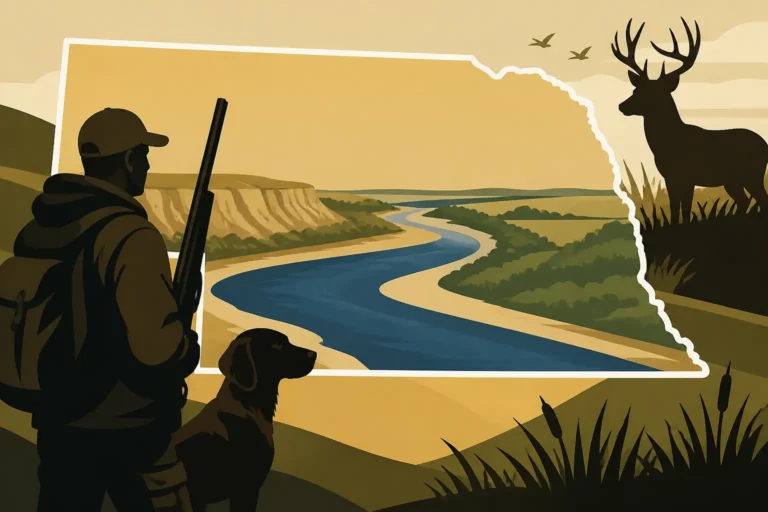
The Loup River system, comprising the North, Middle, and South Loup Rivers, along with their confluence into the Loup River proper, cuts a significant path through central Nebraska. This area presents a unique blend of habitat types that are incredibly appealing to a variety of game species. Imagine cottonwood and cedar-lined riverbanks giving way to agricultural fields, transitioning into the expansive Sandhills prairie. This diverse landscape is precisely why the Loup holds such hunting promise.
Why the Loup is a Hunter's Paradise (and a Challenge)
From a hunter's perspective, the Loup River is a magnet for wildlife. The dense timber provides excellent bedding and cover for white-tailed deer, especially during the colder months, and acts as a natural travel corridor. The river itself, along with its associated oxbows and wetlands, draws in waterfowl. The adjacent fields of corn, milo, and alfalfa offer abundant food sources, making it a complete ecosystem for many species. Turkeys roost in the towering cottonwoods, and pheasants and quail find sanctuary in the brushy draws and field edges.
However, the very features that make the Loup so attractive also contribute to its challenges. The fertile ground has historically been settled and farmed, leading to a landscape dominated by private ownership. This means that public access, while present, often exists in smaller, fragmented parcels, requiring diligent scouting and a good understanding of where to look. It can be incredibly frustrating to drive miles of beautiful river bottom, seeing prime habitat, only to encounter "No Trespassing" signs at every turn.
Key Game Species Along the Loup River
The primary draws for hunters along the Loup River include:
- White-tailed Deer: Without a doubt, whitetails thrive in the river bottom habitat. The combination of dense cover, water, and food sources from agricultural fields makes for excellent deer hunting. Hunters can expect to find good numbers, and mature bucks are certainly present. For more on strategies, check out River-Bottom Whitetail Hunting in Eastern Nebraska.
- Wild Turkeys: Both Eastern and Rio Grande subspecies can be found along the Loup, often congregating in the large timber blocks near the river. Spring turkey hunting can be fantastic, with gobblers sounding off from the roost in the mornings. You might find our guide on Spring Turkey Calling in Nebraska's River Corridors helpful.
- Waterfowl: The Loup River and its tributaries, especially during migration, attract ducks and geese. Opportunities for jump shooting or setting up small decoy spreads exist, particularly in less pressured areas. Consider reading up on Jump Shooting Nebraska River Ducks.
- Upland Birds (Pheasants & Quail): While not as dense as some dedicated upland areas, the edge habitat where river timber meets crop fields or brushy draws can hold pheasants and quail, especially later in the season. Walking Nebraska Pheasant Cover With a Dog offers great tips.
- Small Game (Rabbits & Squirrels): These species are abundant in the river timber and brushy areas, providing year-round hunting opportunities.
Pinpointing Public Access Points Along the Loup River
Finding public land along the Loup can feel like searching for a needle in a haystack, but with the right tools and a systematic approach, you can uncover some fantastic hunting opportunities. It’s rarely about vast, unbroken tracts but rather strategic parcels that, when pieced together, can offer a quality hunt.
Leveraging the Nebraska Public Access Atlas
Your absolute first stop should always be the Nebraska Public Access Atlas. This invaluable resource is published annually and details all the publicly accessible hunting and fishing lands across the state. It includes Wildlife Management Areas (WMAs), State Recreation Areas (SRAs), and Open Fields and Waters (OFW) tracts. Reading the Nebraska Public Access Atlas will give you a full rundown on how to use it.
When looking at the Loup River specifically, you’ll want to pay close attention to the light green (WMA) and yellow (OFW) areas depicted along the river. These maps are critical for identifying actual boundaries, designated parking areas, and specific rules that might apply to each tract. Because the Loup spans many counties, you'll likely be flipping through several pages, or more efficiently, using the digital version on your phone or computer.
Open Fields and Waters (OFW) Opportunities
The Open Fields and Waters program is a game-changer for Nebraska hunters, offering access to private land through agreements with landowners. Along the Loup, many OFW tracts are enrolled specifically for river access, often bordering the timber or agricultural fields right next to the water. These can be prime locations for deer, turkey, and upland birds.
- Look for the Signs: OFW tracts are clearly marked with distinctive yellow and white signs. Always respect these signs and understand that access is typically walk-in only.
- Check the Atlas Regularly: OFW agreements can change annually, so what was accessible last year might not be this year, and vice-versa. Always check the latest Atlas before heading out. The boundaries of these tracts are often visible on digital mapping applications like onX Hunt, which can overlay the public access data directly onto satellite imagery, helping you distinguish between public and private land with precision.
- Diverse Opportunities: These tracts can range from small timber pockets to stretches of river bank, or even entire crop fields left with standing cover. They're excellent for Hunting a Shelterbelt Between Nebraska Fields or targeting river crossings.
Dedicated Wildlife Management Areas (WMAs)
While there might not be enormous WMAs directly on the Loup River itself in every county, several exist in the broader Loup River drainage that offer excellent hunting. These are typically larger, state-owned parcels managed specifically for wildlife habitat and public recreation.
- Expected Habitat: WMAs along river systems are often characterized by mature timber, dense undergrowth, and sometimes wetland features. They are managed to hold robust populations of deer, turkey, and various waterfowl.
- Rules and Regulations: Always be aware that WMAs can have specific rules beyond general statewide regulations, such as restrictions on vehicle access, stand placement, or even specific hunting seasons. Check the WMA rules section in the Public Access Atlas or the Game and Parks website.
- Popularity: Due to their guaranteed public access and quality habitat, WMAs can sometimes experience higher hunter pressure, especially during opening weekends. However, if you're willing to walk a bit further from common access points, you can often find unpressured pockets.
Considering Other Public Lands
Don't overlook other potential public access points, such as federal lands or school trust lands that might be adjacent to or near the Loup River system. While less common directly on the river, understanding their presence is key. For instance, some sections of the Nebraska National Forest (like Bessey Ranger District) are in the general region of the Loup, though not directly on its banks. Always verify access rules for these lands, as they can differ. Many hunters also use mapping tools like GoHunt to research potential units and cross-reference public land boundaries, looking for areas where different public land types might connect or offer strategic entry points.
Hunting Strategies for the Loup River's Specific Terrain
Once you’ve identified your public ground, the real fun begins: planning your hunt. The Loup River system demands adaptable strategies, as the terrain can vary significantly even within a few miles.
Whitetail and Turkey Tactics in River Bottoms
The dense timber and winding nature of the Loup River create natural funnels and bedding areas for whitetails and turkeys.
- Scouting is Paramount: Before the season, whether physically or digitally, spend time scouting. Look for pinch points where deer are forced to travel, fresh rubs and scrapes, and turkey roosting areas. Identifying well-used game trails along the riverbank can tell you a lot about deer movement. Scouting Nebraska Public Ground Before Opening Day is a good primer.
- Using the River as a Barrier: The river itself can act as a natural barrier, pushing deer movement to predictable areas, especially at crossings. Set up downwind of these crossing points.
- Timber Stand Hunting: In thicker timber, treestands or saddle hunting setups can be highly effective. Look for mature cottonwoods or cedars that offer good cover and a clear shot lane. For deeper insights, Choosing a Treestand Site on Nebraska Farmland or Saddle Hunting in Cottonwood Timber might prove useful, even if specific to other areas, the principles apply here.
- Ground Blinds: If the cover is dense enough, a well-brushed-in ground blind can offer excellent concealment, particularly for turkey hunting. Turkeys often travel predictable paths along the timber edges.
- Dealing with Pressure: If you're hunting a WMA or popular OFW tract, expect company. Consider walking further in than most hunters, or hunting during weekdays, or even mid-day, when many others have left.
Waterfowl and Small Game Opportunities
The Loup River isn't just for big game. It offers fantastic chances for waterfowl and small game hunters.
- Jump Shooting Ducks: Many of the smaller public access points, especially along the lesser-traveled tributaries or oxbows, can offer excellent jump shooting opportunities for ducks. Walk slowly and quietly along the banks, being ready for birds to flush from around bends or heavy cover.
- Setting Small Spreads: If you find a suitable open water area on a larger WMA or OFW tract, a small decoy spread can be effective for ducks and local geese. Remember to use nontoxic shot where required, especially on federal lands or some WMAs.
- Upland Bird Habitat: For pheasants and quail, focus on the transition zones: where river timber meets brushy field edges, abandoned farmsteads within OFW tracts, or areas with thick cattails or plum thickets. These provide crucial winter cover. For techniques on working different cover, check out Working a Cattail Slough in January.
- Small Game Abundance: Rabbits and squirrels are everywhere in the river timber. Squirrel hunting is a fantastic way to sharpen your woodsmanship skills and provides delicious table fare.
Adapting to Terrain and Conditions
The Loup River country can throw a lot at you: sandy soils, dense thickets, and variable water levels.
- Footwear is Key: Sturdy, waterproof boots are non-negotiable. You'll likely be crossing wet areas, navigating sandy banks, and pushing through tough vegetation. Our guide on Boots for Walking Nebraska Grass and Sand has excellent recommendations.
- Wind and Weather: Nebraska is known for its wind. Always factor wind direction into your hunting plan, especially when scouting and setting up for deer or turkey. Wind Direction on Open Nebraska Prairie Stands details this. Layers of clothing are crucial for dealing with fluctuating temperatures.
- River Crossings: Be cautious of water levels. Never attempt to cross the river if the current is strong or the water is too deep. Plan your routes to avoid unnecessary crossings, or ensure you have appropriate gear (like waders) if a shallow crossing is necessary.
Essential Considerations for Loup River Hunters
Beyond the hunt itself, there are practical and ethical considerations that ensure a safe, legal, and enjoyable experience for everyone.
Scouting and Digital Mapping Tools
Modern hunting almost requires digital mapping tools. Apps like onX Hunt and GoHunt allow you to download maps for offline use, pinpoint your exact location relative to public and private land boundaries, mark waypoints, and track your movements. This is absolutely critical in areas like the Loup, where public parcels can be small and surrounded by private ground.
- Layering Data: Use these apps to overlay aerial imagery with public land boundaries, topographic maps, and even landowner names (where available). This helps you visualize the terrain and identify potential access issues or strategic entry and exit points. Entry and Exit Routes on Flat Farm Ground can be better visualized with these tools.
- Pre-Season Homework: Spend hours on these apps before you even leave home. Identify potential parking spots, walk-in access points, and areas that look promising based on habitat features. This homework significantly reduces wasted time in the field.
Respecting Boundaries and Landowners
This cannot be stressed enough: know where you are at all times. Even with the best maps, accidents can happen. Always double-check your position.
- Written Permission: While public ground is accessible, if you're unsure or see a tempting parcel adjacent to public land, always err on the side of caution. For private ground, always obtain written permission before stepping foot on it. Understanding Nebraska's Posted-Land and Trespass Rules is vital, as simply saying "I didn't know" won't hold up if you're on private land without permission.
- Be a Good Neighbor: Even on public land, remember that surrounding landowners are your neighbors. Don't block gates, don't litter, and drive respectfully on county roads. A good reputation for hunters helps everyone.
Gear and Safety for Riverine Environments
The Loup River environment presents specific gear and safety needs.
- First Aid Kit: Always carry a well-stocked first aid kit. Remote areas along the river mean help might be a long time coming.
- Water and Snacks: Staying hydrated and fueled is crucial, especially during early season hunts or long walks.
- Bug Spray: Especially in early fall, mosquitoes and ticks can be prevalent in river bottoms.
- Communication: Cell service can be spotty in some remote river stretches. Carry a fully charged phone, and consider a satellite communication device if you plan to venture deep into isolated areas.
- Game Care: If hunting during warmer early seasons, bring adequate coolers and ice. Meat Care Gear for Warm Nebraska Openers offers advice on preserving your harvest.
Hunting the public ground along the Loup River takes effort and planning, but the rewards are well worth it. By understanding the ecosystem, diligently using available resources like the Public Access Atlas and digital mapping, and respecting the land, you can unlock some truly memorable Nebraska hunting experiences.
Disclaimer
This article is for general informational purposes only and does not constitute professional advice. Laws, prices and regulations vary by location and change over time. Consult a qualified professional for guidance on your specific situation.