Public Hunting Within an Hour of Omaha
It can feel incredibly frustrating to live near a bustling city like Omaha and still yearn for that quiet rustle of leaves underfoot or the sudden flush of a pheasant, only to wonder if any decent hunting ground exists within a reasonable drive. Many of us assume that to find a good spot, we have to trek clear across the state. But the truth is, with a bit of savvy and some dedicated effort, you can absolutely find rewarding public hunting opportunities within about an hour of the metro area. This guide is all about pointing you to those accessible havens and arming you with the knowledge to make the most of them.
The Reality of Hunting Near an Urban Center
Let's be real: hunting close to a major population center like Omaha isn't always like venturing into the remote Sandhills. You're going to encounter more people, and the game might be a little warier. This isn't a knock on the areas themselves, but a simple fact of geography. Many hunters, like myself, have felt that sting of pulling up to a public access point only to see three other trucks already there, or walking through a prime-looking piece of cover only to realize it's been walked over a dozen times that week. It can be disheartening, making you feel like you're wasting gas and valuable hunting time.
However, this reality doesn't mean it's impossible to have a great hunt. It just means your strategy needs to adapt. Instead of vast, empty expanses, you're often looking at smaller, fragmented parcels of land, sometimes tucked between agricultural fields or along river corridors. The key to success here isn't necessarily finding untouched wilderness, but understanding how to read these smaller pockets of habitat, how game uses them, and how to outsmart both the game and, at times, the hunting pressure. It's a different kind of challenge, but a deeply rewarding one when you figure it out.
Identifying Key Public Hunting Areas
When you're looking for public land within about an hour's drive of Omaha, you're primarily going to be focused on a few types of areas: Wildlife Management Areas (WMAs), State Recreation Areas (SRAs) with hunting allowed, and especially tracts enrolled in the Open Fields and Waters (OFW) program. Each offers unique opportunities and challenges.
Wildlife Management Areas Near Omaha
Nebraska boasts a fantastic system of WMAs, and several are within easy reach of Omaha. These areas are managed specifically for wildlife habitat and public recreation, including hunting. They often provide diverse cover, from timber to wetlands to prairie grasses, making them appealing to a variety of game species.
For instance, the Platte River State Park/Schramm Park State Recreation Area complex area, while known for recreation, also has adjacent WMA lands and often offers hunting opportunities, especially for deer and turkey in the timbered river bottoms. It's a place where understanding local regulations is crucial, as park boundaries can quickly give way to hunting-allowed zones. Further afield, places like Memphis Lake WMA or Louisville State Recreation Area, though smaller, can offer surprising waterfowl or deer hunting. These spots can be popular, so early morning starts or mid-week excursions often pay off.
The habitat in these WMAs is specifically designed to attract and hold game. You'll find mature timber stands perfect for deer bedding and turkey roosting, food plots, and dense undergrowth. For a whitetail hunter, learning to Read a Cedar Draw for Deer Movement or Hunting a Creek Crossing in the Sandhills – though the Sandhills are a drive – can translate to similar terrain features found along the Platte. For bird hunters, these areas might feature brushy edges and native grasslands that hold pheasants and quail.
Open Fields and Waters (OFW) Tracts
This program is an absolute game-changer for hunters in Nebraska, particularly around population centers. The Nebraska Game and Parks Commission partners with private landowners to open their land for public hunting and fishing access. What makes OFW tracts so valuable is their sheer number and how they often fill in the gaps between larger public areas. Many of these tracts are agricultural fields, shelterbelts, or river bottom parcels that private landowners might not hunt themselves, but are willing to open up for public use.
The best way to find these is by using The Nebraska Public Access Atlas. You can grab a physical copy, but the digital versions and apps like the onX Hunt app are invaluable. onX Hunt overlays public and private land boundaries right onto your map, clearly showing you exactly where the OFW tracts are, often with specific access points and parking instructions. I've spent countless hours scrolling through onX Hunt, planning out potential routes and spotting those little gems of public access tucked away that you'd never know existed otherwise.
These tracts often provide crucial access to pheasant cover like Walking Milo and Corn Stubble for Pheasants or Hunting a Shelterbelt Between Nebraska Fields, or even small pockets of timber that deer use as bedding close to food sources. You might not find sprawling wilderness, but you'll find plenty of "edge" habitat that often holds game. Don't underestimate these smaller pieces; game will use them, especially if they offer security cover near food.
State Recreation Areas with Hunting Opportunities
Some State Recreation Areas (SRAs) also allow hunting, often for specific seasons or species. These are usually larger bodies of water with surrounding parkland, like Pawnee State Recreation Area near Lincoln (a bit more than an hour but worth noting), or portions of the Branched Oak Lake SRA. While the primary draw might be water sports, the fringes and designated hunting areas can offer good opportunities for waterfowl, deer, and upland birds.
It's critical to always check the specific regulations for any SRA before you go. Hunting boundaries can be complex, and rules can vary significantly from one SRA to another. What might be open in one corner could be a no-go zone just a hundred yards away. This is where digital mapping tools like onX Hunt become your best friend, clearly delineating legal hunting zones and often displaying property line changes that reflect current regulations. Knowing precisely where you can and cannot hunt is not just good practice, it's essential for staying legal and respectful.
Navigating Public Access and Rules
Hunting public land near a population center means you need to be extra diligent about understanding and following the rules. High visibility areas often come with increased scrutiny, and rightfully so. Nobody wants to deal with a hunting incident or a misunderstanding about property lines.
Reading the Public Access Atlas
The Nebraska Public Access Atlas is your bible for finding public hunting land in the state. Available digitally and in print, it details all publicly accessible land, including WMAs, State Parks, SRAs, and most importantly, the Open Fields and Waters tracts. I always recommend having a digital copy on your phone through an app, even if you prefer a paper map in hand. The ability to zoom in, see your exact location, and confirm boundaries on the fly is invaluable.
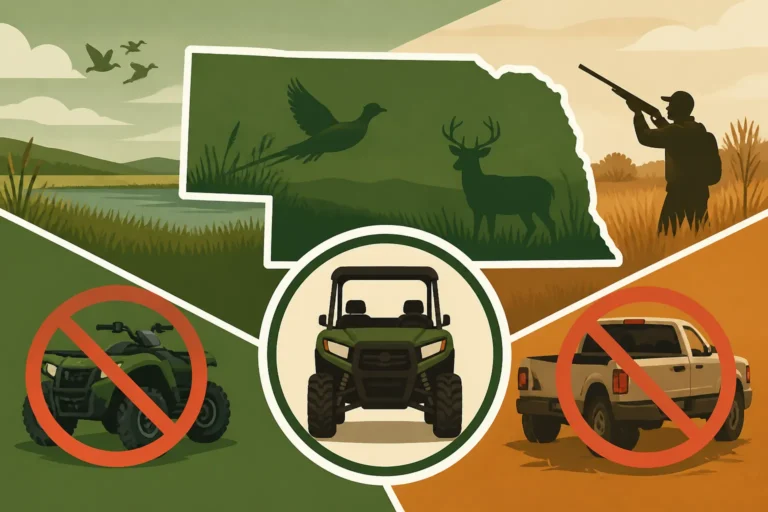
The atlas will show you the type of access (walk-in only, vehicle access), the primary species available, and specific rules for each tract. Pay close attention to these details. A "walk-in only" designation truly means walk-in; don't try to drive your truck through. Similarly, some areas might have restrictions on certain types of hunting (e.g., archery only, no firearms). Reading the Nebraska Public Access Atlas is a skill every hunter needs to master.
Understanding Local Regulations and Boundaries
Beyond the general state hunting regulations, each WMA or SRA might have its own set of rules. These can include:
- Shooting hours: Some areas might have different shooting hours than the statewide general rules.
- Vehicle access: As mentioned, many areas are walk-in only.
- Blinds and stands: Rules on erecting permanent stands versus temporary blinds can vary. Always check if you can leave a stand overnight or if it needs to be removed daily.
- Nontoxic shot requirements: While generally for waterfowl, some WMAs might require nontoxic shot for all hunting, especially in sensitive ecological areas or those near residential zones.
- Parking: Designated parking areas are common; avoid parking along private drives or blocking access gates.
You can often find these specific regulations on the Nebraska Game and Parks Commission website, or by contacting the local conservation officer responsible for that area. When you use mapping applications like onX Hunt, they often integrate public land boundaries, parcel ownership, and even some regulatory overlays directly into their platform, making it much easier to confirm you're within legal bounds. Tools like GoHunt can also be helpful for pre-season scouting and understanding permit dynamics in different areas, though for specific public land boundaries, onX Hunt is my go-to.
| Public Hunting Area Type | Typical Habitat | Primary Game | Key Considerations |
|---|---|---|---|
| Wildlife Management Areas | Diverse: timber, wetlands, grasslands, food plots | Deer, turkey, pheasants, quail, waterfowl | Managed for wildlife, often higher pressure, specific rules |
| Open Fields and Waters | Agricultural edges, shelterbelts, river strips, CRP | Pheasants, quail, deer, waterfowl | Private land with public access, check map yearly, walk-in often |
| State Recreation Areas | Lake shorelines, adjacent timber/grasslands | Waterfowl, deer, some upland birds | Recreational focus, check specific hunting zones, varied rules |
Maximizing Your Success on Near-Omaha Public Land
Hunting public land near a major city means you need to be a bit more strategic and often work a little harder. Don't be discouraged by initial crowds; often, simply walking a little further or looking a little deeper can reveal hidden opportunities.
Scouting Smart and Thoroughly
Scouting is paramount, especially on these smaller, often pressured areas. Don't just show up on opening day hoping for the best. Game, particularly deer, will adapt their movements to hunting pressure, often becoming nocturnal or seeking out the thickest, least-disturbed cover.
- Pre-Season Drives: Drive the roads bordering public lands, observing field edges, pinch points, and potential access routes. Look for tracks, scat, and rub lines.
- Walk-Throughs: Physically walk the public land. Wear hunter orange and do this well before the season or on non-hunting days. Identify bedding areas, travel corridors, and potential stand or blind locations. Look for micro-features – a small creek crossing, a dense thicket, a subtle terrain change – that might funnel game. This is also where you can look for Scrape Lines Along a Fenceline or identify Where Nebraska Whitetails Bed in Row-Crop Country.
- Using Technology: Digital maps like onX Hunt are indispensable for scouting. You can mark waypoints for deer sign, potential stand trees, and hidden trails. You can also view satellite imagery to identify cover and access points from your couch, saving you valuable field time. For deer, understanding Entry and Exit Routes on Flat Farm Ground is critical, and you can often plan this right from your mapping app.
Timing Your Hunts for Less Pressure
One of the biggest advantages you can give yourself on public land near Omaha is timing.
- Mid-Week Hunts: Weekends, especially early in the season, see the highest pressure. If your schedule allows, hunting on a Tuesday or Wednesday can significantly reduce the number of other hunters you encounter.
- Late Season: As seasons progress, many hunters hang up their gear. The late archery or even the Late-Season Antlerless Hunting in Nebraska opportunities can offer some solitude and good hunting, particularly for deer seeking persistent food sources. For birds, Working a Cattail Slough in January can be very productive as pheasants seek dense winter cover.
- Weather: Don't shy away from less-than-ideal weather. A light drizzle, a cold snap, or even a windy day can keep other hunters home, giving you the advantage. Just be sure you're dressed appropriately for Clothing for Nebraska Wind and Cold.
Adapting Your Tactics
Because these areas might see more pressure, game animals are often more wary. Your tactics need to reflect this.
- Go Deeper: Many hunters don't venture far from parking areas. If a tract is large enough, or has dense cover, sometimes walking an extra half-mile or more can get you into unpressured areas.
- Still-Hunting: Instead of sitting in one spot, consider Still-Hunting Nebraska Cedar Draws (or similar dense cover in eastern Nebraska). Move slowly, quietly, and intentionally, looking for subtle movements or pieces of game. This works well in timbered river bottoms or thick shelterbelts.
- Ground Blinds: While treestands are effective, a well-brushed-in ground blind can be incredibly versatile, especially if you're not allowed to leave stands overnight or if good trees are scarce. Brushing In a Blind on Open Range translates directly to open areas or field edges found in eastern Nebraska.
- Decoying: For turkeys, decoying can be very effective, drawing curious gobblers into range, especially during Calling Spring Gobblers in Nebraska Timber. For waterfowl, a well-placed spread in a smaller pond or field can make all the difference. Decoy Spreads for Rainwater Basin Geese can give you ideas for general decoy principles, even if the location is different.
- Be Patient and Persistent: Public land hunting, especially near population centers, often tests your patience. Don't get discouraged if you don't see game immediately. The ones that survive here are smart. Keep at it, learn the patterns, and your efforts will eventually be rewarded.
Finding public hunting within an hour of Omaha requires a bit more legwork and strategic thinking, but the opportunities are absolutely there. With the right tools, some dedicated scouting, and a willingness to adapt, you can enjoy rewarding hunts close to home.
Disclaimer
This article is for general informational purposes only and does not constitute professional advice. Laws, prices and regulations vary by location and change over time. Consult a qualified professional for guidance on your specific situation.