Working a Cattail Slough in January
January hunting in Nebraska requires working cattail sloughs, providing thermal cover and food sources for late-season pheasants and deer.
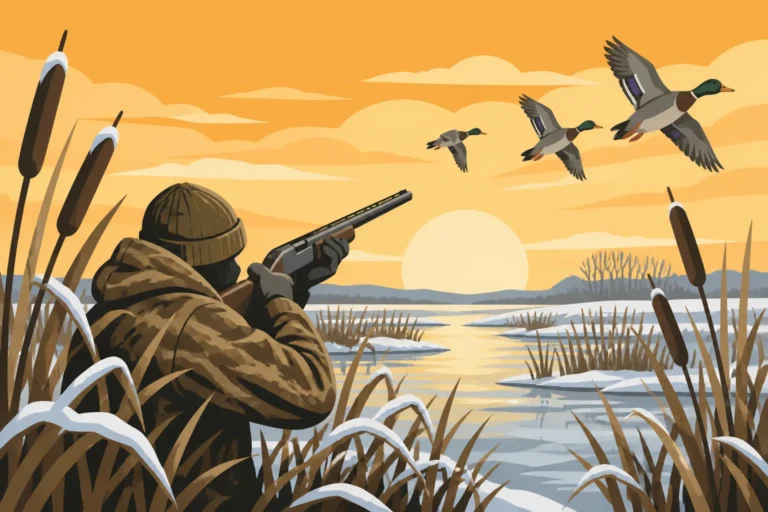
January hunting in Nebraska requires working cattail sloughs, providing thermal cover and food sources for late-season pheasants and deer.
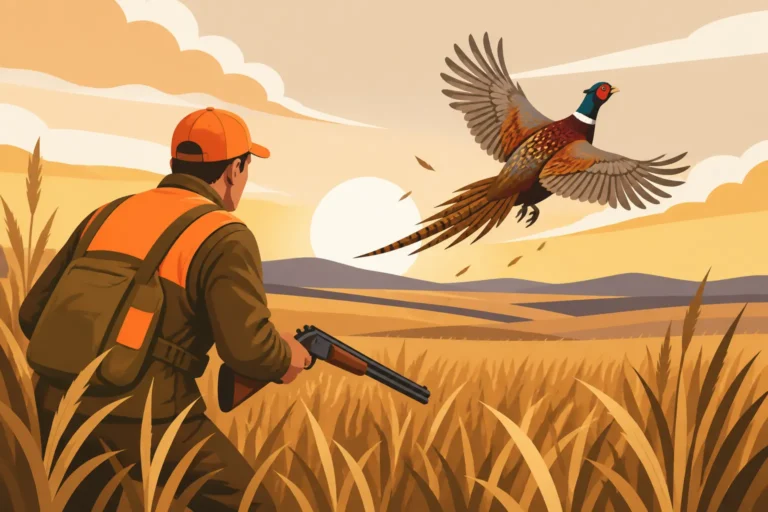
Hunting pheasants in Nebraska without a dog requires slow grid walking, wind awareness, and strategic pacing to force close-range flushes.
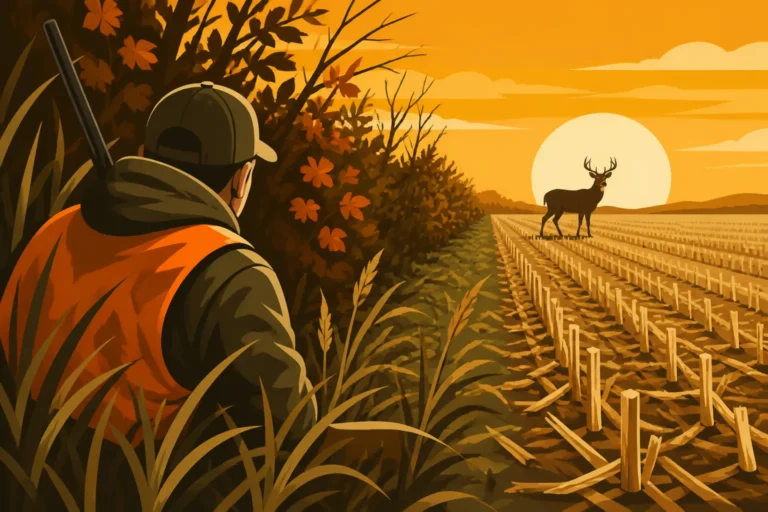
Blocking the end of a Nebraska field helps pheasant hunters intercept running birds and create successful shooting opportunities.
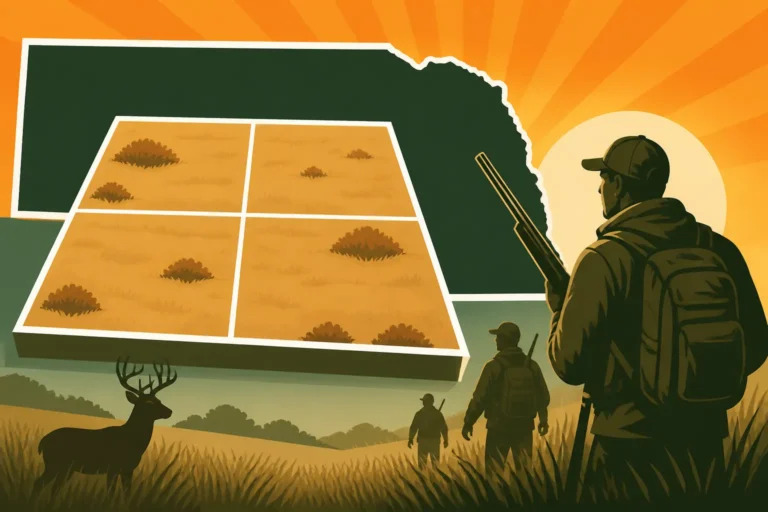
A quarter section is 160 acres, half a mile square, but Sandhills, river bottom and corn stubble hold game differently, which shapes safe hunter numbers.
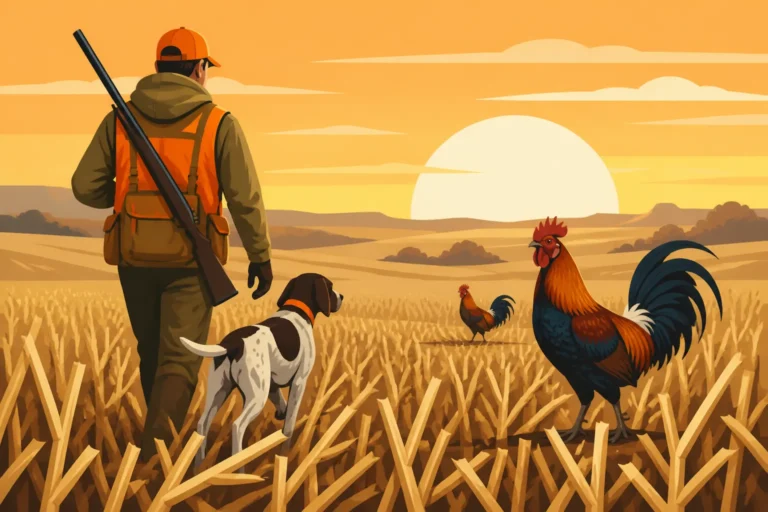
Walking Nebraska milo stubble provides pheasant hunters with tactics, habitat insights, and gear advice to bag roosters.
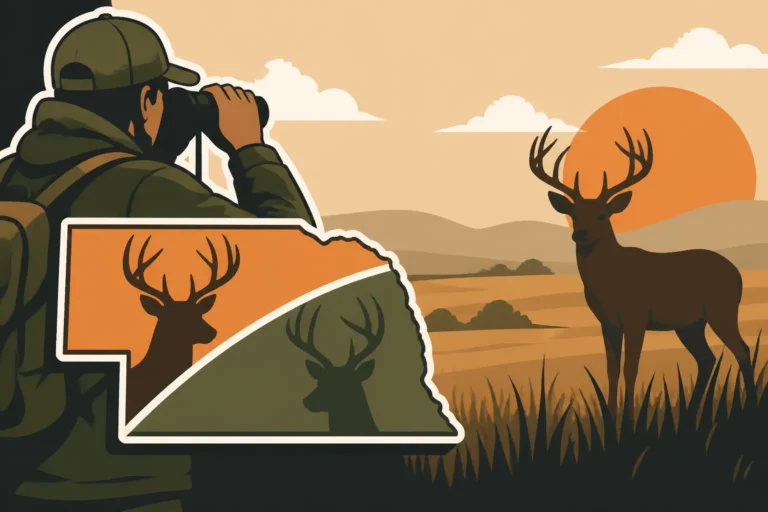
Nebraska second deer permit strategies help hunters manage populations, harvest antlerless deer, and stock the freezer with venison.
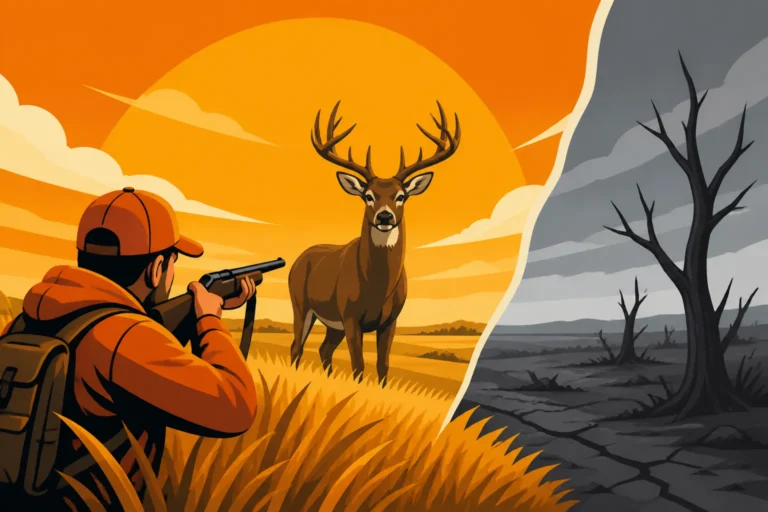
Nebraska public land hunting pressure during second season periods alters animal behavior and increases competition among hunters.
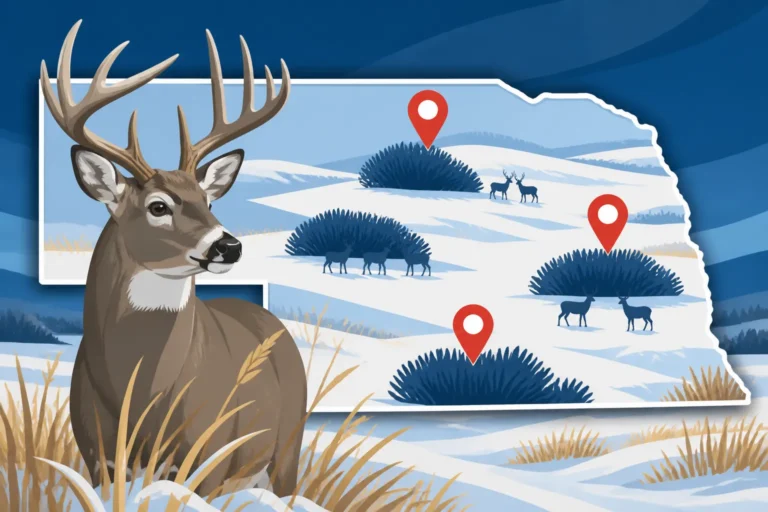
Nebraska winter deer yards and survival strategies explain how animals conserve energy during heavy snow and cold weather.
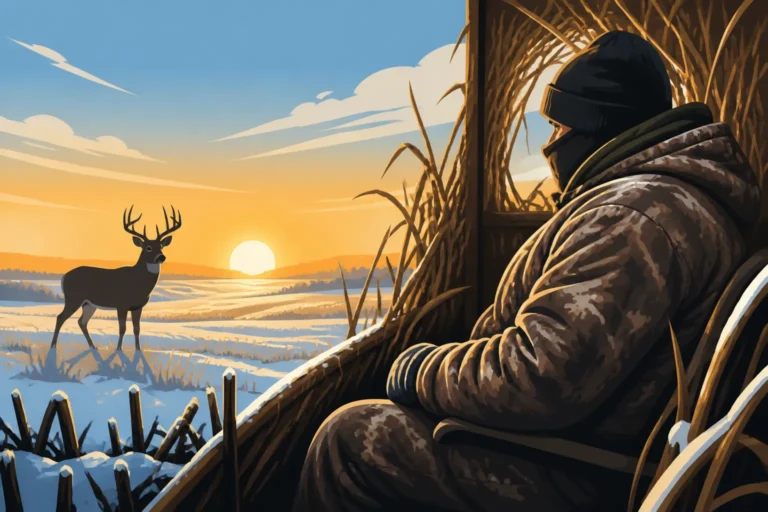
Cold weather deer hunting strategies and proper gear choices explain how hunters stay warm during twenty degree Nebraska winter sits.
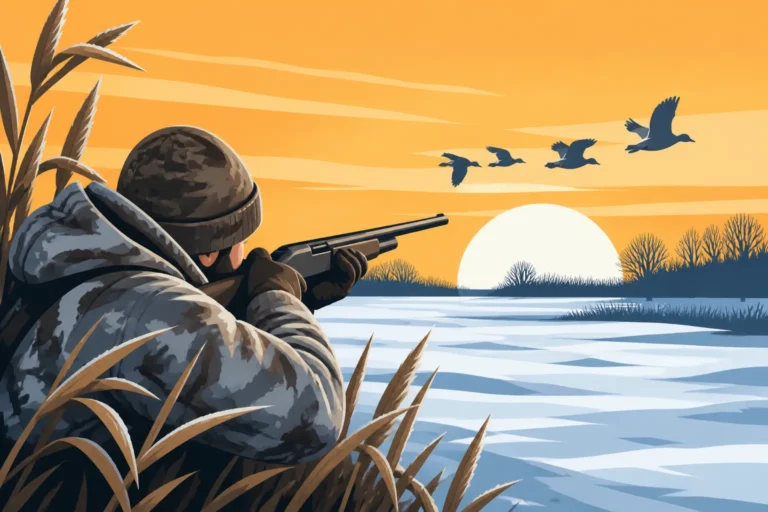
Frozen Nebraska river bottom hunting strategies explain how deer adapt to ice and snow, helping hunters find food and cover.