Deep Snow and Deer Movement
Deep snow in Nebraska restricts deer movement and covers food sources, forcing animals into smaller, protected winter ranges.
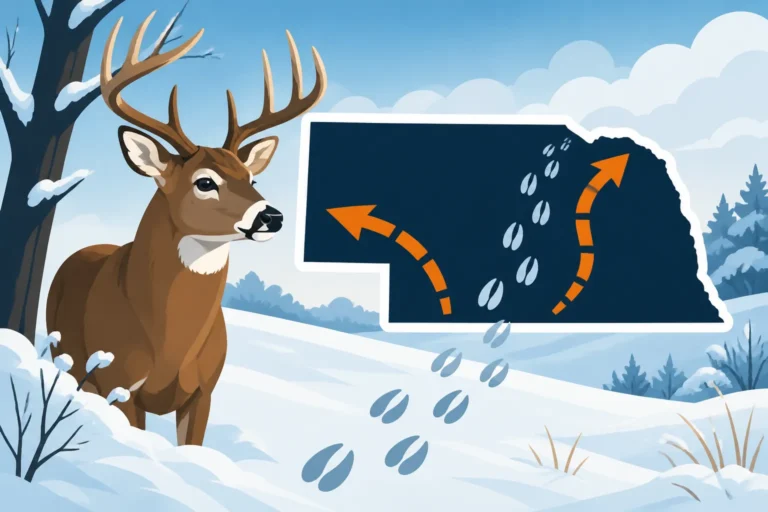
Deep snow in Nebraska restricts deer movement and covers food sources, forcing animals into smaller, protected winter ranges.
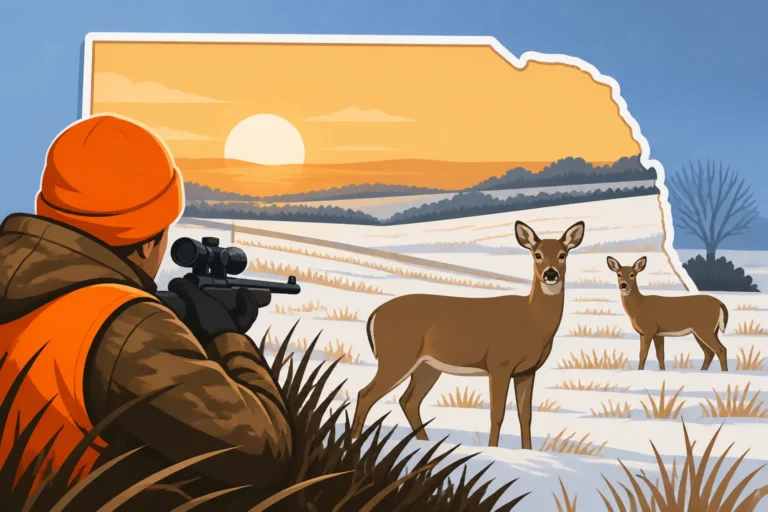
Nebraska January antlerless deer hunting helps fill freezers and manage herds through permits and winter food source tracking.
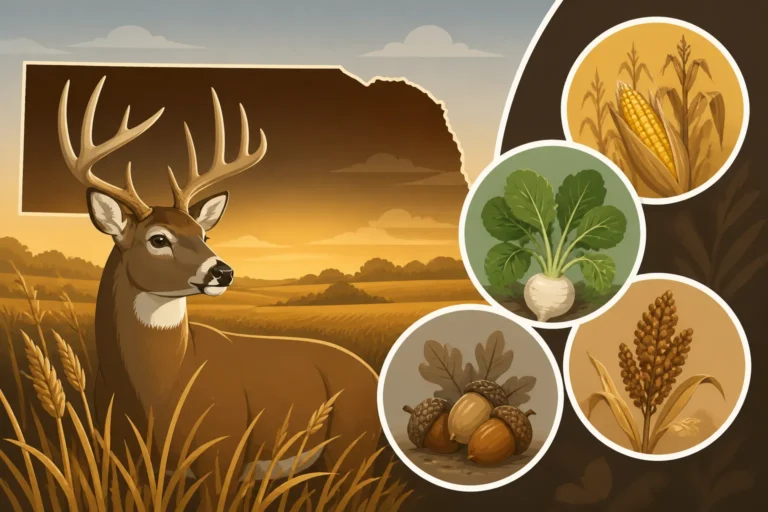
Late-season food sources in Nebraska, including standing corn, milo, and soybean stubble, sustain deer, pheasants, and turkeys.
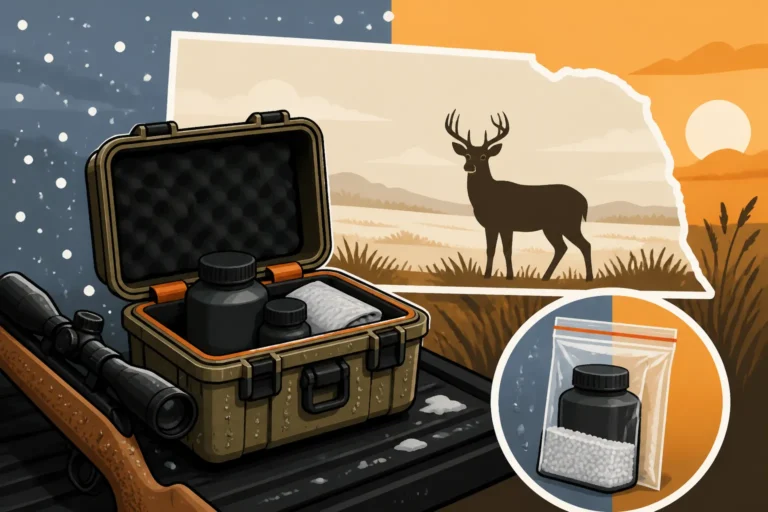
Proper muzzleloader loading techniques and powder selection prevent moisture failure during cold Nebraska winter hunting seasons.
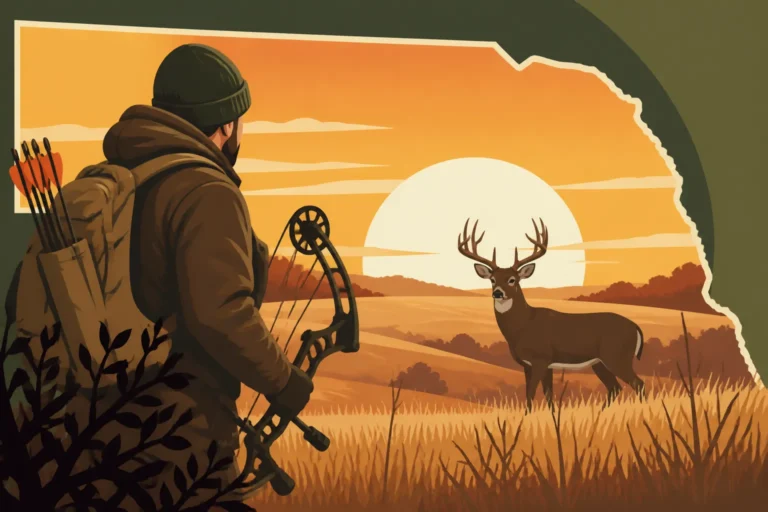
Nebraska late-season deer hunting details December muzzleloader permits, January antlerless hunts, and cold weather strategies.
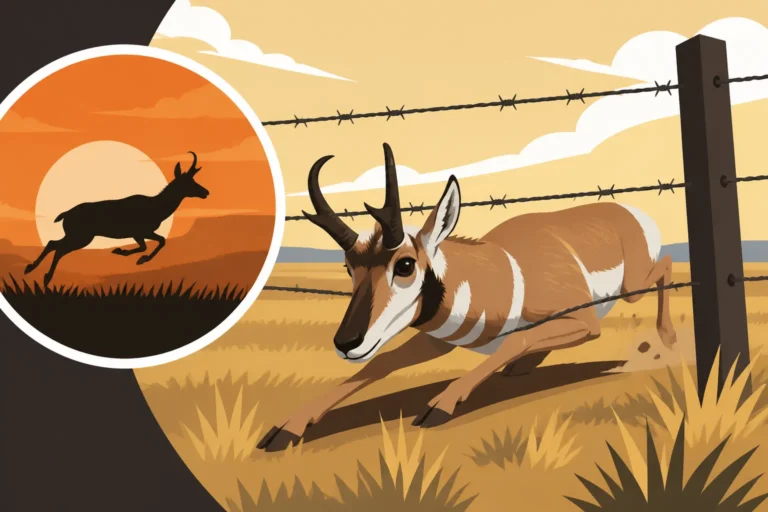
Pronghorn movement patterns and evolutionary history explain why these fast prairie animals duck under fences instead of jumping.
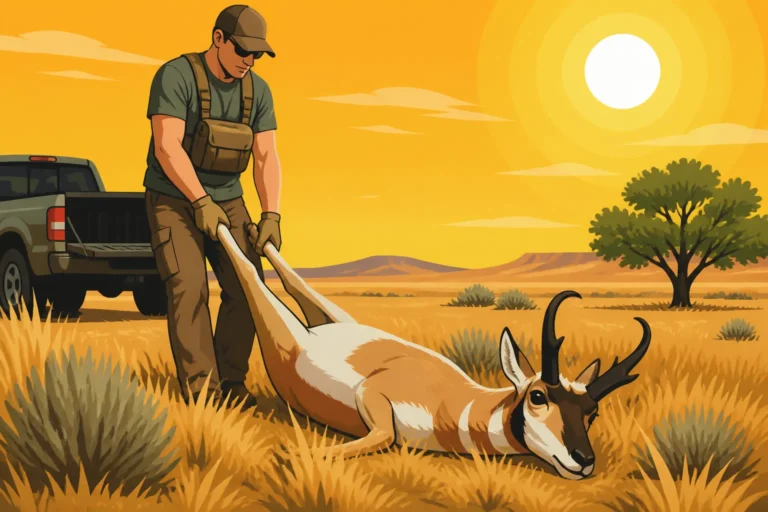
Warm weather antelope recovery steps explain how rapid field dressing, shade usage, and evisceration prevent meat spoilage in Nebraska.
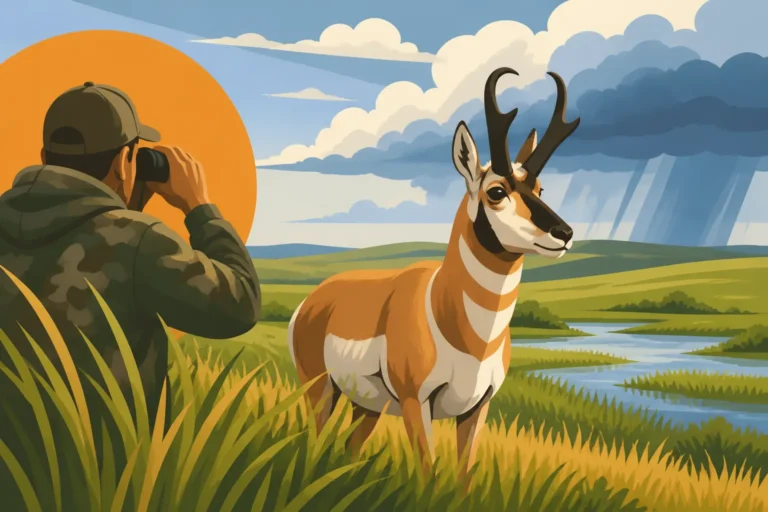
Nebraska pronghorn hunting during a wet summer changes animal behavior, scattering herds and reducing reliance on water sources.
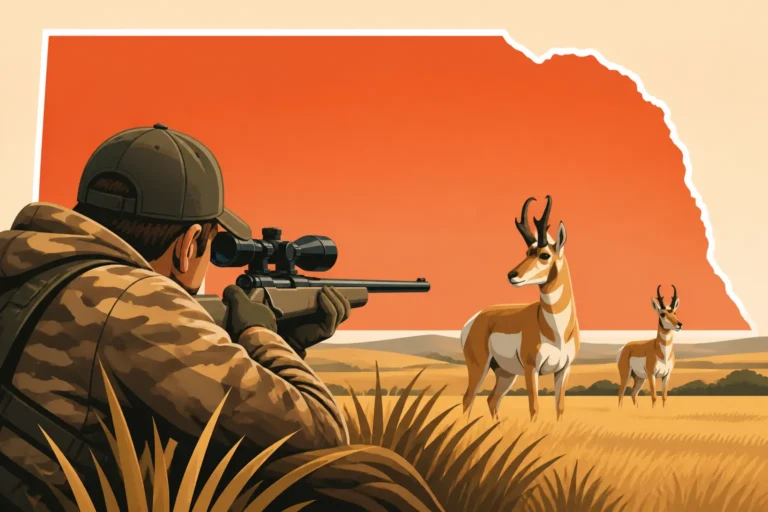
Nebraska antelope rifle season tactics explain scouting, stalking, and harvesting pronghorn in the western Panhandle and Sandhills.
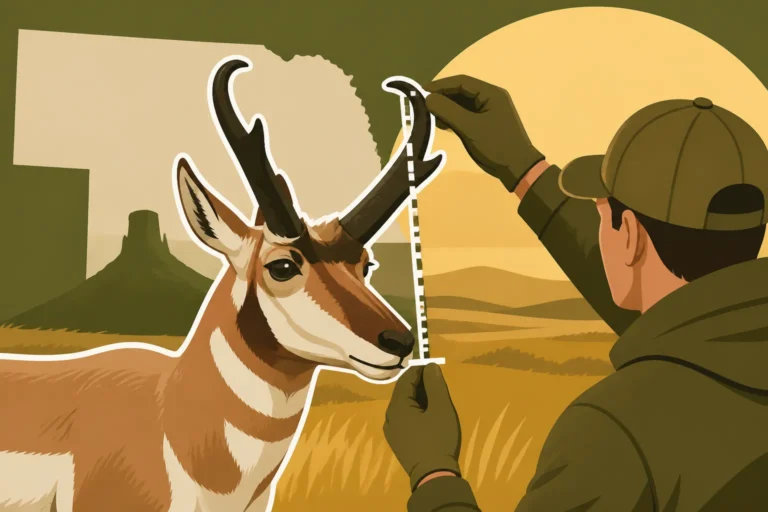
Nebraska pronghorn horn length estimation methods and anatomical ear benchmarks help hunters evaluate trophy bucks in the field.