Hunting Mule Deer in the Nebraska Pine Ridge
Pine Ridge mule deer hunting strategies include glassing canyons, using elevation, and stalking open grassland bedding areas.
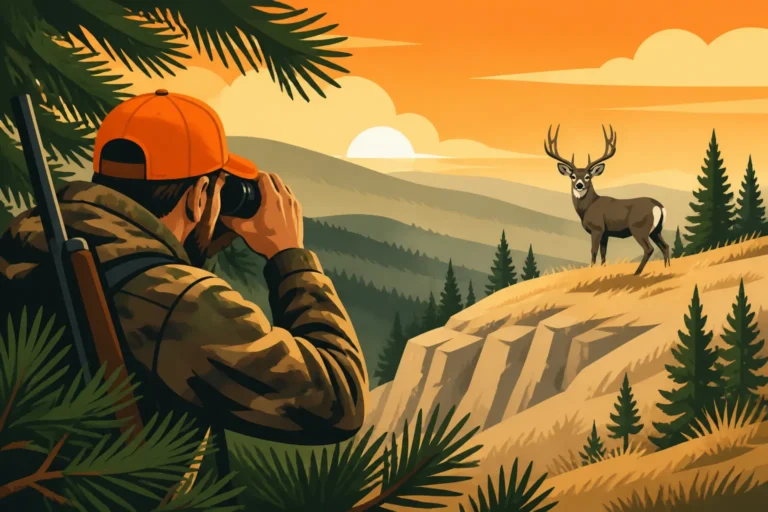
Pine Ridge mule deer hunting strategies include glassing canyons, using elevation, and stalking open grassland bedding areas.
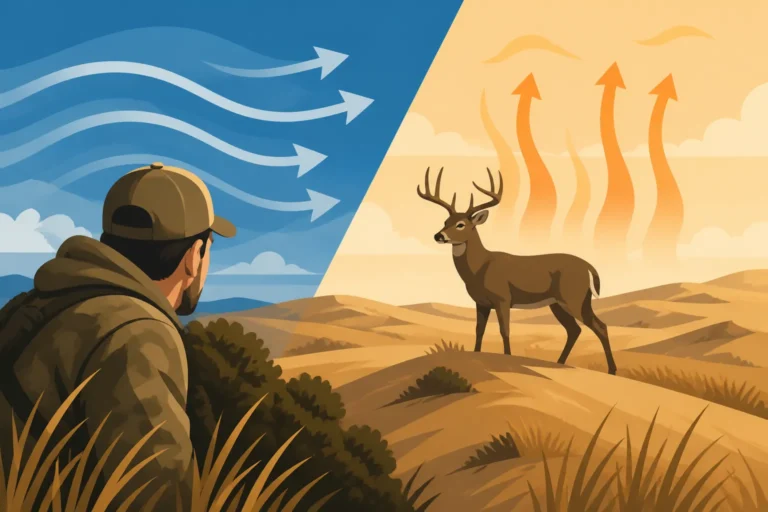
Nebraska Sandhills wind and thermal patterns explain how prairie air currents carry hunter scent over rolling dunes during morning hours.

Nebraska Sandhills hunting tactics explain how to stalk deer and antelope across open terrain during the final hundred yards.
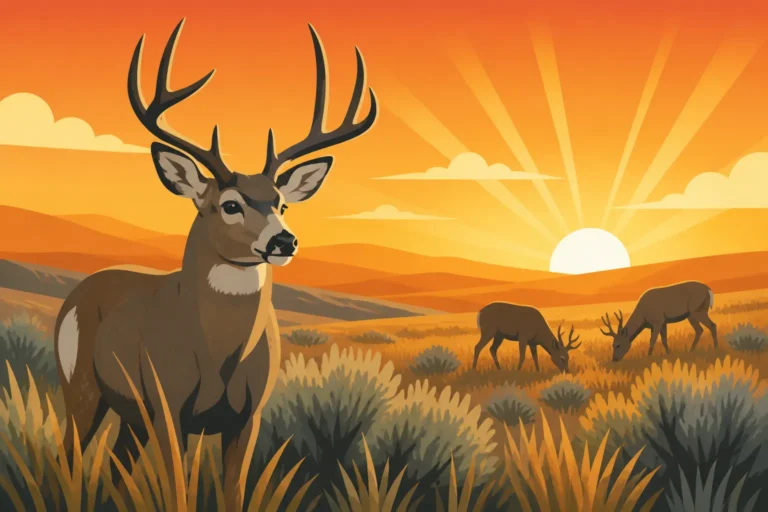
Nebraska mule deer dawn feeding locations, seasonal forage preferences, and circadian movement patterns in the Sandhills.
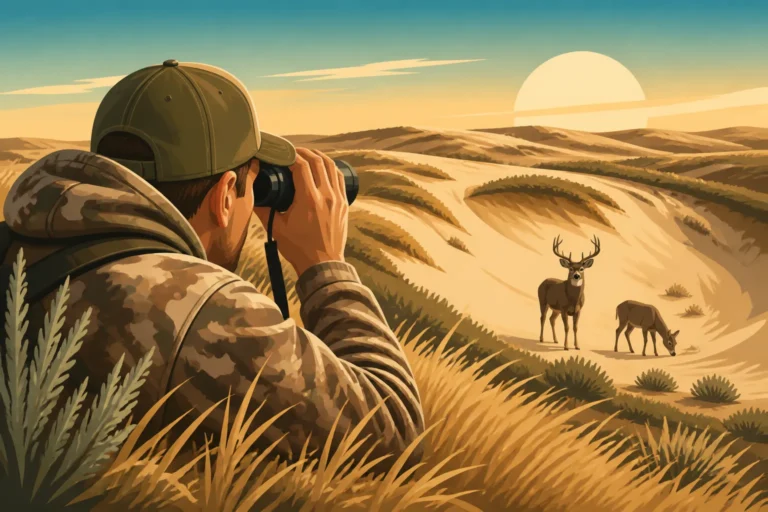
Glassing sandy blowouts in the Nebraska Sandhills helps hunters locate mule deer seeking cover, food, windbreaks, and bedding areas.
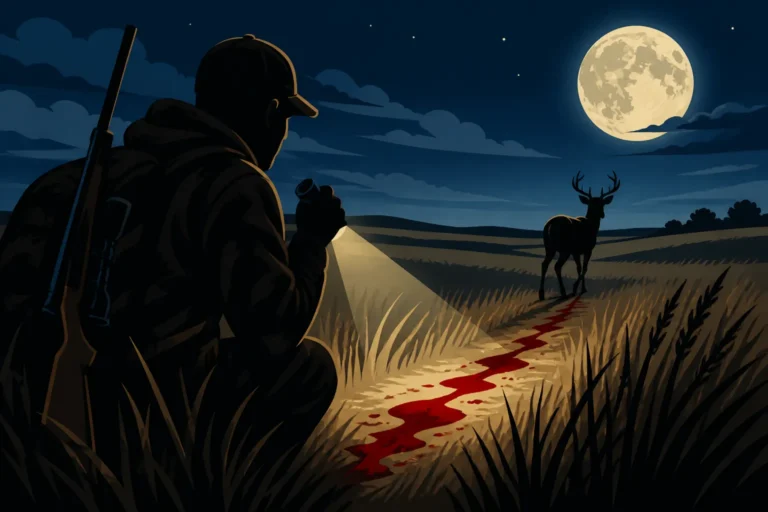
Blood trailing after dark in Nebraska requires observing the hit, waiting four hours for liver shots, and using headlamps.
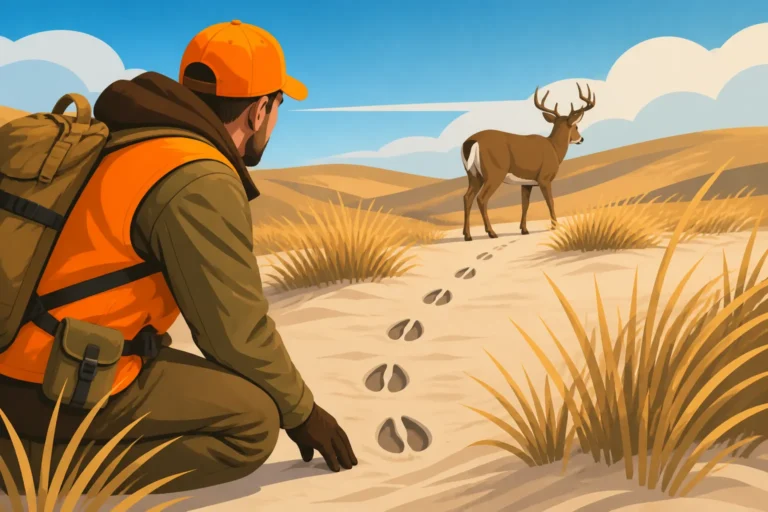
Deer tracking strategies in Nebraska Sandhills grass help hunters locate and recover lost animals despite tall vegetation.
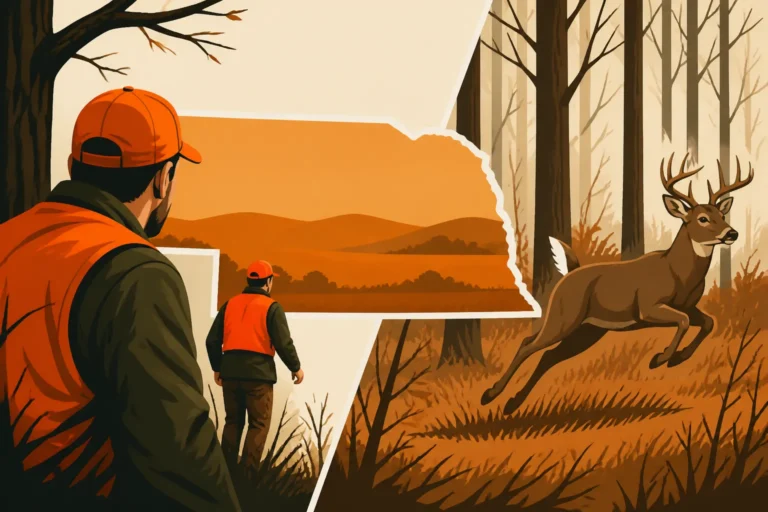
Two-person deer drives in Nebraska small timber help hunters move bedding whitetails and create ethical shot opportunities.
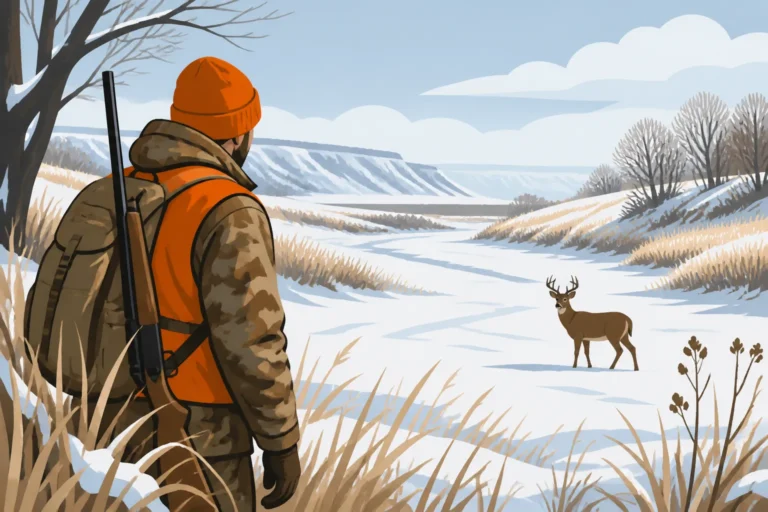
Nebraska whitetail deer winter behavior, including snow impact on movement and food sources, for successful still-hunting.
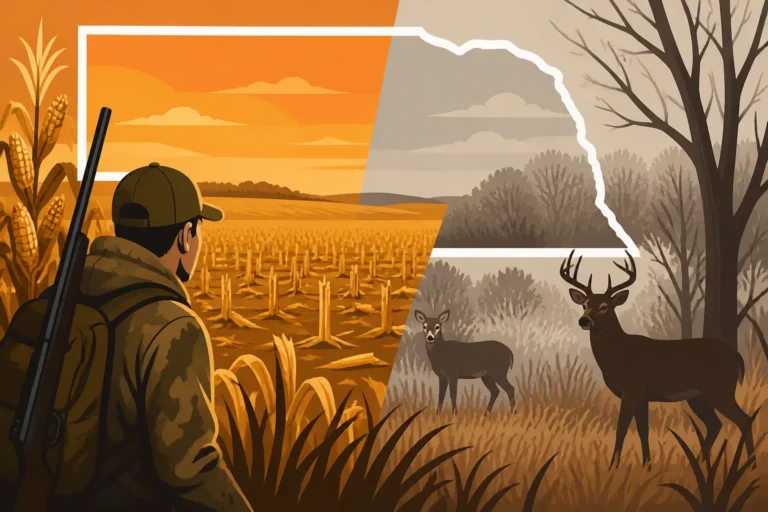
Nebraska corn harvests remove deer cover and expose spilled grain, forcing animals into timber pockets and altering feeding patterns.