EHD Outbreaks in Nebraska Deer
It’s heartbreaking to see deer suffering, and for Nebraska hunters, the sight of dead or sickly deer due to Epizootic Hemorrhagic Disease (EHD) is a grim reality that can hit hard, especially in localized outbreaks. This disease can decimate local populations, leaving hunters wondering about herd health and their upcoming seasons. This guide will walk you through what EHD is, how to identify it, what it means for deer, and what you can do to navigate the landscape when it inevitably touches our beloved Nebraska deer herds.
Understanding Epizootic Hemorrhagic Disease
When you hear whispers of EHD, or see news reports about deer die-offs, it can be pretty alarming. Many hunters, myself included, have had the unfortunate experience of finding deer that have succumbed to this invisible enemy. It’s a natural part of the ecosystem, yes, but it doesn't make it any easier to witness or to contend with when it impacts your hunting plans.
What EHD Actually Is
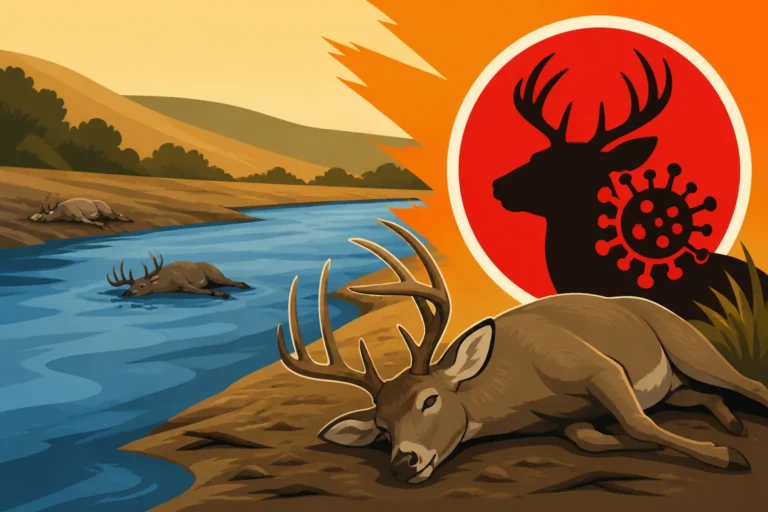
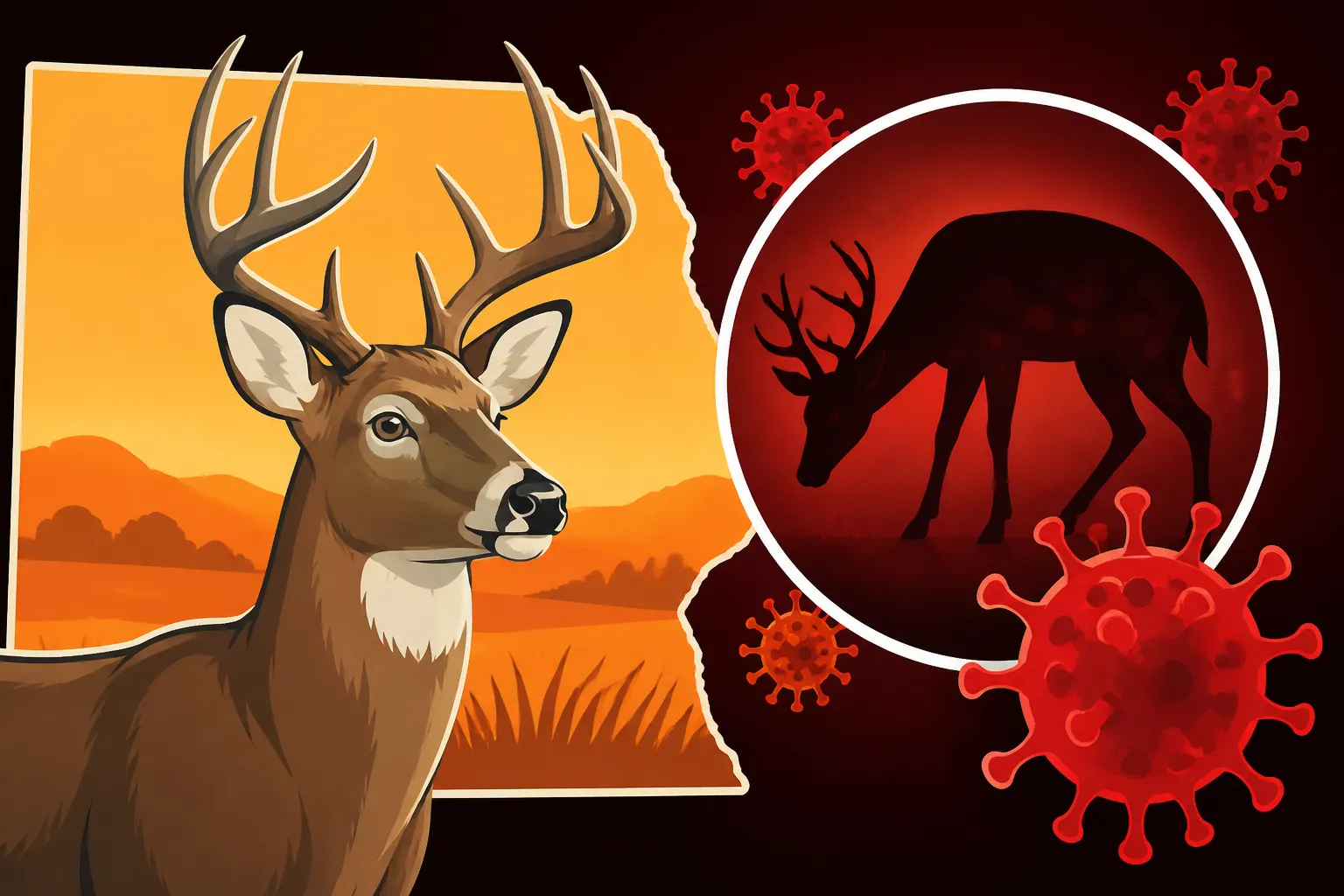
Epizootic Hemorrhagic Disease, or EHD, is a viral disease that primarily affects white-tailed deer. It's caused by an orbivirus, and while it's common in deer populations across North America, Nebraska definitely sees its share of outbreaks. The virus essentially attacks the lining of blood vessels in the deer, leading to internal hemorrhaging, fever, and a host of other severe symptoms. It's a nasty disease that takes a heavy toll. Many hunters have heard about or even experienced the direct impact of EHD Die-Offs Along Nebraska Rivers, where the combination of water sources and deer congregation creates prime conditions for the disease to spread.
It’s important to understand that EHD is not Chronic Wasting Disease (CWD). While both are serious deer diseases that concern hunters, they are caused by entirely different agents and have distinct long-term implications. CWD is a neurological disease caused by prions, slowly progressive and always fatal. EHD is a viral disease, typically acute, with rapid onset and often rapid death, particularly in areas with naive deer populations that haven't built up any immunity.
While EHD can affect mule deer, they tend to be more resistant to severe illness than whitetails. Our vibrant populations of White-Tailed Deer Across Nebraska are particularly susceptible, which means EHD outbreaks can significantly impact hunting opportunities and herd management strategies in the most productive whitetail areas of the state.
How the Virus Spreads
The EHD virus isn't spread directly from deer to deer, which is a common misconception. Instead, it's transmitted by biting midges, often called "no-see-ums," "gnats," or "sand flies." These tiny insects, specifically species like Culicoides sonorensis, carry the virus from an infected deer to a healthy one when they take a blood meal. It’s a classic vector-borne disease, much like West Nile virus in humans, but for deer.
These midges thrive in warm, wet conditions, especially in muddy areas around ponds, creeks, and river bottoms. As the summer progresses into early fall, when temperatures are still high but water levels might be receding, creating these muddy breeding grounds, that's when you typically see EHD outbreaks really take off. A hot, dry summer followed by a bit of rain that creates stagnant water can be a recipe for disaster. Then, a hard frost in late fall or early winter usually brings an abrupt end to new EHD cases, as it kills off the midge population. This seasonal pattern is a key indicator of What Causes an EHD Outbreak.
Think about a small farm pond in eastern Nebraska, or a slow-moving section of the Elkhorn River. Deer naturally gravitate to these water sources in hot weather. If an infected deer is present, and there's a thriving midge population, the cycle of infection can spread rapidly through the local herd, often leading to noticeable localized die-offs.
Common Misconceptions About EHD
There's a lot of misinformation out there about EHD, and it’s easy to jump to conclusions, especially when you’re worried about the deer you love to hunt. One big misconception is that EHD is always fatal. While many deer do succumb to the disease, some deer, particularly those with some natural immunity or those exposed to a less virulent strain, can survive. These survivors often develop immunity, but they might show lingering effects like hoof damage or scars.
Another common myth is that EHD affects humans or other livestock. The good news is, EHD is not known to be transmissible to humans, and there’s no evidence that eating meat from an EHD-infected deer poses a health risk to people, as long as the meat is cooked thoroughly. Livestock like cattle and sheep can get a similar disease called Blue Tongue, which is closely related to EHD, but the specific EHD strains impacting deer generally don't cause significant issues in other animals. However, it’s always wise to exercise caution and avoid consuming meat from any animal that appears visibly sick.
Lastly, some hunters believe that EHD means the entire deer population is doomed. While outbreaks can be devastating locally, deer herds are remarkably resilient. Over time, populations can rebound, and surviving deer may pass on some level of resistance to their offspring. This resilience is key to the overall health and future of Nebraska Whitetail Population Trends.
Recognizing EHD Symptoms in Nebraska Deer
Spotting the signs of EHD can be tough because deer are wild animals and often hide illness. But if you’re scouting your hunting grounds in late summer or early fall, especially near water, keeping an eye out for these indicators is crucial.
Visible Signs of Infection
Deer suffering from EHD often exhibit a range of visible symptoms. Early signs can be subtle, but as the disease progresses, they become much more pronounced. You might see deer that appear lethargic, weak, and disoriented. They may have a high fever, which can cause them to seek out water sources to cool down, often leading them to die near ponds, streams, or riverbanks. Their bodies might show swelling of the head, neck, tongue, and eyelids, giving them a puffy appearance.
Another tell-tale sign is hemorrhaging. While this is internal, you might notice bloody discharge around the nose or mouth. Their skin might appear reddish or bruised. If you find a dead deer that has recently succumbed, and you’re able to inspect it, you might notice lesions or ulcers in the mouth, on the tongue, or in the rumen. The hooves can also be affected, with new growth being interrupted, leading to sloughing or cracking, especially in deer that survive the initial infection but are left with lasting damage. I’ve seen deer later in the season with hooves that look like they’ve been through a meat grinder, a direct result of surviving an EHD bout.
Impact on Deer Behavior
Beyond the physical signs, the behavior of an infected deer changes dramatically. Typically, deer are wary and alert, but EHD-affected deer often lose their fear of humans, appearing tame or dazed. They might walk in circles, stumble, or act generally out of sorts. This disorientation is part of why they often end up dying in or very near water. The fever drives them to seek relief in cool water, and their weakened state prevents them from getting out.
During peak outbreak times, you might observe multiple deer exhibiting these strange behaviors in a relatively small area. Imagine scouting a creek bottom in early September near Grand Island, and you spot a deer standing in the middle of a shallow stream, not moving as you approach. Or perhaps a buck that typically bolts at the sight of a human simply stares blankly. These unusual behaviors are a major red flag that EHD might be active in that specific locale.
Distinguishing EHD from Other Ailments
It's vital for hunters to differentiate EHD symptoms from other health issues, particularly Chronic Wasting Disease in Nebraska. While both are fatal, their presentation is very different. CWD-infected deer typically show extreme weight loss, excessive drooling, and a vacant stare, often over a prolonged period. EHD, conversely, is rapid, with fever, swelling, and often sudden death.
Here’s a quick comparison to help you tell the difference:
| Symptom / Condition | Epizootic Hemorrhagic Disease (EHD) | Chronic Wasting Disease (CWD) |
|---|---|---|
| Cause | Virus (Orbivirus) | Prion |
| Transmission | Biting midges (vector-borne) | Direct contact, environmental contamination (saliva, urine, feces, carcasses) |
| Onset | Rapid (days to weeks) | Slow (months to years) |
| Primary Symptoms | High fever, swelling of head/neck/tongue, hemorrhaging, lethargy, seeking water, sudden death | Extreme weight loss (wasting), excessive drooling, abnormal posture, listlessness, vacant stare |
| Seasonality | Late summer/early fall (ends with hard frost) | Year-round |
| Mortality | Often high in localized outbreaks (acute) | Always fatal (progressive) |
| Impact on Humans | No known risk | No known risk (but consumption of infected meat not recommended) |
| Hoof Damage | Common in survivors | Not a primary symptom |
If you find a deer that appears sick, even if it’s just showing lethargy, it’s always best to report it. Agencies like the Nebraska Game and Parks Commission (NGPC) can often determine the cause and track outbreaks.
Environmental Factors Fueling Nebraska Outbreaks
EHD isn't just a random occurrence; it's heavily influenced by the environment. The conditions that support the midge vector are often the same conditions that lead to severe outbreaks across our state, from the Sandhills to the Missouri River breaks.
The Role of Midges and Water Sources
As mentioned, the tiny, biting midges are the primary vectors for EHD. These insects have specific habitat requirements to thrive and reproduce. They need moist, muddy areas with organic matter – think stagnant pools, drying creek beds, and the muddy edges of ponds and lakes. When Nebraska experiences extended periods of warm weather, and water sources begin to recede, creating these ideal midge breeding grounds, the stage is set for an outbreak.
Deer, especially in the sweltering heat of late summer, are constantly seeking water to drink and cool off. This natural behavior brings them into direct contact with these midge-laden areas. Imagine a small stock pond in the Nebraska Sandhills, a crucial water point for local deer. If one deer is infected, the midges can easily pick up the virus there and transmit it to every other deer coming to that same water source. This creates an intense localized hot zone for EHD transmission. It’s a vicious cycle that makes certain geographical features, like the numerous ponds and streams that crisscross the state, particularly vulnerable during outbreak years.
Weather Patterns and Disease Severity
Weather is arguably the biggest driver of EHD outbreak severity. A hot, dry summer, especially one that follows a wet spring, often sets the perfect conditions. The initial moisture allows midge populations to boom, then the prolonged heat and drought cause water sources to shrink, concentrating deer and midges in smaller, muddier areas. This increases the chances of transmission exponentially.
Conversely, a cooler, wetter summer can often result in fewer EHD cases because midge populations don’t reach critical numbers, and deer are less concentrated around shrinking water sources. The critical factor for ending an outbreak, however, is a hard frost. When temperatures drop consistently below freezing, it kills off the adult midge population, effectively halting further transmission of the virus. Many hunters breathe a sigh of relief when that first deep freeze hits, knowing it signals an end to new EHD infections for the season. Understanding these seasonal weather patterns can give you a clue as to what to expect for deer health in a given year.
Deer Population Density and Spread
While environmental factors set the stage, the density of the deer population itself plays a significant role in how widely and quickly EHD can spread. In areas with high deer densities, the chances of an infected deer encountering a midge that then bites a healthy deer are much higher. This is particularly true in many of eastern Nebraska's river bottom and agricultural areas, where deer populations can be quite robust.
For example, a localized high deer population in the Platte River valley might experience a much more severe EHD die-off than a more spread-out population in the western Sandhills, simply because there are more hosts for the virus and more opportunities for midges to transmit it. This is why you often hear of outbreaks being particularly devastating in specific, high-density pockets rather than sweeping across the entire state uniformly. This localized impact makes managing Nebraska Deer Management Unit Permits tricky, as an area that was thriving one year might see a significant reduction in deer numbers the next due to EHD.
The Impact of EHD on Nebraska Deer Herds
Experiencing an EHD outbreak firsthand can be disheartening, to say the least. It’s a stark reminder of nature’s raw power and how quickly a thriving herd can be impacted. For us hunters, it brings up questions about the health of the deer and what it means for our long-term pursuits.
Localized Die-Offs and Population Declines
When EHD hits, the most visible and immediate impact is localized die-offs. In severe outbreak years, like those seen in parts of Nebraska during 2012 or 2019, hundreds or even thousands of deer can succumb to the disease in specific areas. It’s not uncommon to hear reports from landowners or see evidence of multiple dead deer along a single stretch of creek or around a small pond. These can be particularly heavy along areas like the Little Blue River or parts of the Republican River.
These sudden and often dramatic population declines can leave hunters feeling discouraged, wondering if there will be any deer left for the season. And frankly, in the hardest-hit areas, deer numbers do drop significantly. This directly impacts the Nebraska Whitetail Population Estimate and subsequent harvest numbers. It can take several years for a severely affected local population to recover to pre-outbreak levels. The suddenness of it is what really hits hard; one day, you're seeing healthy deer, and the next, you're finding carcasses.
Long-Term Recovery and Herd Genetics
Despite the short-term devastation, deer populations are incredibly resilient. After an EHD outbreak, surviving deer often carry some level of immunity, and they go on to reproduce, passing on any genetic resistance they might have. This natural selection process can actually lead to a herd that is more resistant to future EHD outbreaks over time. It’s a brutal cycle, but it's nature's way of ensuring the strongest survive.
Recovery isn't just about sheer numbers; it's also about the age structure and genetic health of the herd. If an outbreak disproportionately affects older, healthier bucks (which often happens because they are more active and exposed), it can take a few years for those age classes to rebuild. However, does are also susceptible, and the loss of breeding females can set recovery back as well. Generally, given good habitat and favorable conditions, a local deer population can begin to rebound within 2-3 years, though reaching historical highs might take longer.
It’s worth noting that even with recovery, you might find that the biggest, oldest bucks are the first to be lost in an EHD event, simply due to their wider ranging habits and increased exposure to midge-infested areas. This can be a frustration for hunters hoping to target mature bucks, as it directly impacts Nebraska Whitetail Buck Harvest Numbers.
Implications for Future Hunting Seasons
For hunters, an EHD outbreak can mean significant adjustments to expectations and strategies. In areas that experience severe die-offs, permits might become harder to obtain, or bag limits could be reduced in subsequent seasons to allow the herd to recover. For example, if you’re used to picking up an over-the-counter antlerless tag in certain units, a severe EHD year might mean those tags are pulled or become much scarcer the following year.
It also changes how you approach your scouting and hunting. You might find areas that were previously hot spots for deer activity are now eerily quiet. Hunters using tools like the GoHunt platform might notice changes in reported deer sightings or harvest data for specific units, indicating areas that have been hit hard. This isn't just about fewer deer; it's about a shift in where the remaining deer are located and how they are behaving. You might need to expand your search, scout new areas, or completely rethink your stand locations based on where the surviving deer have congregated.
What Hunters Can Do: Reporting and Management
As hunters, we're often the first to notice changes in wildlife populations. Being vigilant and proactive can play a significant role in helping wildlife managers understand the scope of EHD outbreaks and make informed decisions.
Identifying and Reporting Sick or Dead Deer
If you're out scouting, shed hunting, or just enjoying nature and you come across a deer showing EHD symptoms, or find a recently deceased deer that looks like an EHD victim, it’s crucial to report it. Don't just walk away and hope someone else finds it. The Nebraska Game and Parks Commission relies on these reports to track the disease, identify hot spots, and understand the overall impact on the state's deer population.
When reporting, try to gather as much detail as possible: the exact location (GPS coordinates are ideal), the date and time you observed it, the number of deer, and a description of their condition or any visible symptoms. Snapping a photo (from a respectful distance) can also be incredibly helpful. You can usually find contact information for your local NGPC office or game warden on their website. This information is critical for wildlife health monitoring, much like Nebraska CWD Sampling for Hunters helps track that disease. Remember, you’re an extra set of eyes and ears for wildlife management.
Understanding Restrictions and Recommendations
In response to EHD outbreaks, the NGPC might issue specific recommendations or even restrictions. These could include advising hunters to scout more extensively, focus on certain areas, or even altering permit availability in severely impacted units for the following season. For instance, if a specific management unit like the Keya Paha or Wahoo unit experiences a massive die-off, the Commission might adjust the number of antlerless permits offered to allow the female segment of the herd to recover faster.
It’s your responsibility as a hunter to stay informed. Check the NGPC website, read their press releases, and engage with local wildlife officials. They are working to protect the long-term health of the deer herd, and sometimes that means making tough decisions that might affect a single hunting season. Tools like GoHunt's state-specific resources can also be a good way to track official announcements and general herd health updates.
Practicing Responsible Hunting Ethics
Hunting in the wake of an EHD outbreak requires an extra layer of ethical consideration. If you shoot a deer and upon field dressing, you notice signs that suggest it might have been recovering from EHD (like lesions, internal hemorrhaging, or damaged hooves), you have a choice to make. While there's no known human health risk, many hunters prefer not to consume meat from an animal that was clearly sick. Using your best judgment is key.
Furthermore, if you are hunting in an area known to be experiencing an active outbreak, consider your shot selection carefully. A deer showing obvious signs of extreme illness might be better left alone, especially if it’s unlikely to recover. Focusing on healthy animals is always the goal. This also ties into being diligent about Field Dressing and Cooling Game in Warm Weather, as prompt and proper care is crucial for any harvested animal, regardless of EHD concerns. Practicing these ethics ensures we respect the animals and maintain the integrity of our hunting traditions.
Hunting Strategies Post-EHD Outbreak
An EHD outbreak can certainly throw a wrench into your well-laid hunting plans. The key is to adapt, remain flexible, and use your knowledge to make the most of the season, even when the deer numbers might be down in your favorite spots.
Adjusting Expectations and Scouting Tactics
After a significant EHD event, the most important thing you can do is adjust your expectations. Don't go into the season expecting the same number of deer or the same quality of bucks you've seen in previous years, especially if your hunting area was heavily impacted. Instead, view it as an opportunity to truly hunt. It’s a chance to put your scouting skills to the test and learn how deer adapt to changes in their environment.
This means more intense scouting. You might need to cover more ground, both physically and using tools like GoHunt's mapping features, to locate pockets of surviving deer. Look for fresh sign—tracks, rubs, and scrapes—that indicate active deer movement. Pay close attention to subtle details, as deer might shift their patterns away from previously high-traffic areas if those areas were hit hard by the disease. This is particularly relevant if you're exploring Scouting Nebraska Public Ground Before Opening Day, as public lands can often be indicators of broader herd health issues.
Focusing on Unaffected Areas
If your primary hunting ground was heavily impacted by EHD, it might be time to explore some new territory. EHD outbreaks are often localized, meaning that a severe die-off in one creek bottom doesn't necessarily mean the entire county or state is affected. Use resources like the NGPC's EHD reports or local word-of-mouth to identify areas that were less affected or perhaps even untouched by the disease.
This could mean shifting your focus from a river bottom to a nearby agricultural field, or perhaps exploring a new unit altogether. If you typically hunt whitetails in eastern Nebraska, you might consider a trip to areas less prone to EHD outbreaks or with more resilient populations. This might even encourage you to look into areas known for Mule Deer in the Nebraska Sandhills and Panhandle, as mule deer populations tend to be less severely affected by EHD than whitetails. Even within a single property, one section might have been hit hard, while a higher, drier section with fewer midge breeding grounds might have fared much better.
Meat Safety and Handling Precautions
When hunting in areas that have experienced EHD, proper meat handling is always paramount. As previously noted, EHD is not known to be transmissible to humans, and consumption of thoroughly cooked meat from EHD-infected deer is not known to pose a health risk. However, if you harvest a deer that appears emaciated, discolored, or shows any signs of active illness or recovery from illness, it’s prudent to inspect the meat carefully.
If the meat has an unusual appearance, color, or odor, it's best to err on the side of caution and dispose of it responsibly. Always wear gloves when field dressing any animal, regardless of disease concerns, and practice excellent hygiene. Rapid cooling of the carcass is essential to prevent bacterial spoilage, especially during the warmer early archery seasons. Pay attention to guidelines for Carcass Transport Rules Out of Nebraska if you are a nonresident hunter, as rules around disease prevention apply to all deer, not just those visibly sick.
Long-Term Outlook for Nebraska Deer
Even after an outbreak, the story of Nebraska's deer isn't over. Wildlife management is a continuous process of observation, adaptation, and proactive measures to ensure the health and longevity of our deer herds.
Recovery and Management Strategies
The good news is that deer populations are resilient and can bounce back from EHD outbreaks. The recovery timeline often depends on the severity of the outbreak, the size of the affected area, and the reproductive capacity of the surviving does. Wildlife agencies, like the NGPC, play a crucial role in monitoring these populations and adjusting management strategies as needed. This might include reducing antlerless permits in affected units for a few years, implementing selective harvest programs, or focusing on habitat improvements that can support a healthier, more resilient herd.
These management decisions are often informed by data from hunter harvest surveys, aerial surveys, and reports from the public, including observant hunters. By understanding the impact of EHD, the NGPC can tailor its approach to help deer populations recover faster and stronger. It's a testament to effective wildlife management that even after major die-offs, we see Nebraska Mule Deer Harvest Recovery and whitetail numbers steadily climbing back.
The Role of Research and Monitoring
Ongoing research and monitoring are absolutely vital in understanding EHD and its long-term effects. Scientists are constantly studying the virus, the midge vectors, and deer immunity to better predict and mitigate future outbreaks. The NGPC continuously monitors deer health, collects samples from harvested or found deer, and collaborates with veterinary diagnostic labs to track disease prevalence and severity across the state.
This scientific effort helps us understand not just EHD, but also other deer diseases and overall herd health. It's a complex puzzle, and every piece of information, whether from a hunter's report or a lab analysis, helps build a clearer picture. This commitment to research ensures that our hunting regulations and conservation efforts are based on the best available science, allowing us to manage our deer for generations to come.
Hunter Contribution to Herd Health
Ultimately, hunters are deeply invested in the health of Nebraska’s deer populations, and our contributions go beyond just buying permits. By reporting sick animals, adhering to regulations, and providing harvest data, we become active participants in conservation. Our presence in the field also means we’re often the first line of defense in identifying issues like EHD outbreaks, providing critical early warnings to wildlife managers.
Being an informed, ethical, and engaged hunter means you’re doing your part to ensure the future of hunting in Nebraska. While EHD outbreaks are a natural, often grim, reality, by understanding the disease and working with wildlife agencies, we can help our deer herds thrive for many more seasons to come.
Disclaimer
The information provided in this guide is for educational and informational purposes only and is not intended as a substitute for professional veterinary advice or official guidelines from the Nebraska Game and Parks Commission. Always consult the latest regulations and health advisories from official sources before making hunting or consumption decisions related to wildlife.