Landowner Deer Permits in Nebraska
Hunting deer in Nebraska, especially as a landowner, can feel like navigating a maze of regulations and applications. You own the land, you see the deer, but getting that actual tag in your hand sometimes feels more complicated than it needs to be. This guide is here to untangle the complexities of Nebraska's landowner deer permits, explaining who qualifies, how to apply, and how to make the most of this unique opportunity on your own property.
Demystifying Nebraska's Landowner Deer Permits
For many landowners, the idea of hunting on their own property is a cherished right and a practical necessity for managing local deer populations. Nebraska's Game and Parks Commission (NGPC) understands this, and that's precisely why landowner permits exist. They're designed to acknowledge the unique relationship landowners have with the wildlife on their property and to provide them with a dedicated pathway to harvest deer. However, the exact rules and benefits aren't always crystal clear, leading to a lot of questions and sometimes frustration.
The Core Concept: Why These Permits Exist
At its heart, the Nebraska landowner deer permit program is about stewardship and access. Landowners often bear the brunt of deer impacts, whether it's crop damage, fence damage, or concerns about vehicle collisions on rural roads. By providing specific permits, NGPC offers a means for landowners to participate directly in deer management on their own holdings. It's a way to ensure that those who live with and often directly influence wildlife habitat have a priority in harvesting animals. This system also recognizes the significant role private land plays in sustaining Nebraska's robust deer herds, including both White-Tailed Deer Across Nebraska and Mule Deer in the Nebraska Sandhills and Panhandle. Without private land, much of the state's deer habitat simply wouldn't exist as it does.
These permits aren't just a courtesy; they're a vital part of the state's overall wildlife management strategy. When landowners are empowered to manage deer, it helps balance populations with available habitat and human interests, contributing to the health of the herd and reducing conflicts. It's a win-win, allowing landowners to enjoy hunting close to home while also being active participants in conservation.
Dispelling Common Misconceptions About "Free Tags"
One of the biggest misunderstandings about landowner permits is that they're "free tags" or an automatic right to hunt any deer, any time. This simply isn't the case. While they do offer a distinct advantage and are often more readily available than some general public draw permits, they come with their own set of rules, eligibility criteria, and costs. They are not a blank check.
For instance, the term "free" is misleading. Landowner permits still require the purchase of a valid Nebraska annual hunt permit and a Habitat Stamp, just like any other hunter. The "cost" benefit often comes from not having to compete in highly competitive draws for limited permits in certain units, particularly for non-residents. Furthermore, these permits are typically valid only on the landowner's eligible property, meaning you can't just take your landowner tag and hunt anywhere in the state. They are tied directly to your specific land. Understanding these distinctions is crucial to avoid disappointment and ensure you're hunting legally and ethically. It’s also important to remember that these permits are issued under strict guidelines, similar to how Nebraska Big Game Permits and How to Get One are managed, ensuring fairness and sound wildlife management.
Who Qualifies and What Land Counts? Eligibility Details
Before you even think about applying, you need to be sure you meet Nebraska Game and Parks' specific criteria for a "landowner." This isn't just about owning a few acres; there are specific rules about how much land you own, how you use it, and even what type of entity owns it. It's designed to prevent abuse and ensure the program benefits genuine landowners who manage substantial tracts of land.
Defining "Eligible Landowner" in Nebraska Game and Parks' Eyes
Nebraska Game and Parks has a clear definition for who qualifies for a landowner deer permit. Generally, an "eligible landowner" is a Nebraska resident who owns 80 acres or more of farm or ranch land that is primarily used for agricultural purposes, such as growing crops or raising livestock. This means that a small residential plot or a recreational lot without agricultural activity might not qualify. The land must be contiguous, meaning it's all connected, or managed as a single operation. This ensures that the spirit of the program, which supports active land managers, is maintained.
It's also important to note that the ownership structure matters. For instance, if the land is owned by a corporation or a trust, there are specific rules about who within that entity can apply for the permit. Typically, it's a principal shareholder or a trustee directly involved in the operation of the farm or ranch. This can sometimes be a sticky point, so if your land is held in a complex entity, it's wise to contact NGPC directly for clarification. They're usually very helpful in sorting out these specific scenarios to ensure you meet the criteria for Who Qualifies as a Nebraska Landowner.
Acreage Requirements and Specific Land Use
The 80-acre minimum is a hard and fast rule for most landowner permits. It's not just about owning the land; it's about the use of that land. NGPC is looking for properties actively managed for agriculture, which benefits wildlife habitat in various ways, even if unintentionally. This could include fields of corn, soybeans, alfalfa, or pastures for cattle. Suburban lots or small recreational tracts, while privately owned, typically don't meet this agricultural use definition and, therefore, don't qualify for these specific permits.
The idea is that these larger, agriculturally productive tracts are where the direct interactions between deer and human activity are most pronounced, and where landowners are most directly investing in the landscape. If your property is less than 80 acres, or if its primary use is not agricultural, you would typically need to pursue deer permits through the general public draw process.
The Importance of Documentation: Proving Your Claim
When applying for a landowner deer permit, you'll need to provide documentation to prove you meet the eligibility requirements. This isn't just a verbal affirmation; NGPC requires clear evidence. This usually includes:
- Proof of Ownership: A deed, property tax statement, or other legal document showing you own the required acreage.
- Proof of Residency: A valid Nebraska driver's license or state ID.
- Proof of Agricultural Use: This might be a statement affirming the land's use for farming or ranching, or other supporting documents if requested.
It’s essential to have these documents readily available and accurate when you apply. Incomplete or incorrect documentation can lead to delays or even rejection of your application. Think of it like any official application process; precision and adherence to requirements are key. Keeping detailed records of your property and its use is not only good for tax purposes but also invaluable for proving your eligibility for these permits.
Navigating the Application Process
Once you've confirmed your eligibility, the next step is to navigate the application process. While landowner permits are often less competitive than some draw permits, there are still crucial deadlines and specific procedures you need to follow. Missing a deadline or making a mistake on the application can easily mean missing out on your opportunity to hunt deer on your own land for the season.
Step-by-Step: From Application to Approval
Applying for a landowner deer permit typically begins online through the Nebraska Game and Parks Commission's permitting portal. Here’s a general overview of the steps:
- Create or Log In to Your Account: If you don't have one, you'll need to create an account on the NGPC website.
- Purchase Your Annual Hunt Permit and Habitat Stamp: These are prerequisites for any deer permit, including landowner tags.
- Navigate to the Landowner Permit Section: Look for the specific application portal for landowner deer permits.
- Complete the Application Form: You'll need to input your personal information, details about your property (county, section, township, range, acreage), and confirm its agricultural use. You may also need to specify the type of deer permit you're seeking (e.g., antlered or antlerless) and the deer management unit your land is in.
- Upload Required Documentation: As discussed, this includes proof of ownership and residency.
- Submit Your Application: Review all information carefully before submitting.
- Await Approval: NGPC will review your application and documentation. If everything is in order, your permit will be approved and typically mailed to you or available digitally.
It's a fairly straightforward process, but attention to detail is paramount. You can even use resources like GoHunt to scout satellite imagery of your property and ensure you're accurately reporting your land boundaries and features, though their primary focus is often on draw odds and unit breakdowns for various states, it can be a valuable tool for understanding the landscape.
Key Deadlines and Avoiding Common Pitfalls
Deadlines are perhaps the most critical aspect of the application process. Nebraska's big game draw, including landowner permits, typically opens in June. While landowner permits are not part of the same lottery system as general draw permits, they often share similar application windows. It is imperative to check the current year's Nebraska Game and Parks Commission hunt guide or website for the precise dates. Missing the application period, even by a day, will mean you cannot get a landowner permit for that season.
Common pitfalls include:
- Procrastination: Don't wait until the last minute. Technical issues, forgotten passwords, or missing documents can derail an application if you don't allow ample time.
- Incorrect Information: Double-checking county, section, township, and range numbers for your property is crucial. A simple typo can invalidate your application.
- Insufficient Documentation: Make sure your proof of ownership clearly shows the required acreage and is up-to-date.
- Not Purchasing Pre-requisites: Remember to buy your annual hunt permit and habitat stamp before attempting to apply for the deer permit.
By being organized and submitting your application well within the designated window, you can avoid most of these headaches.
Understanding Permit Allocation: It's Not Always Guaranteed
While landowner permits offer a priority, they are still issued within the framework of wildlife management goals for each specific deer management unit. This means that while you might have a higher likelihood of obtaining a permit compared to a public draw applicant, there could still be limitations. For example, in units with very tight management restrictions or limited deer populations, the number of antlered permits, even for landowners, might be capped.
NGPC sets harvest objectives for each unit, and all permit types, including landowner permits, contribute to these objectives. This ensures sustainable hunting for everyone and helps manage the overall deer population effectively. In most cases, if you meet all eligibility requirements and apply on time, you will receive your permit. However, it's not an absolute guarantee, especially if population dynamics or specific unit regulations change. Staying informed about Nebraska Deer Permit Types by Unit and any special restrictions can help you understand the potential allocation for your area.
What You Can Hunt: Seasons, Species, and Restrictions
Having a landowner permit doesn't automatically mean you can hunt any deer, any time, in any season. These permits come with specific designations regarding species, sex, and season. Understanding these limitations is crucial to ensure you're hunting legally and responsibly on your property.
Permit Types: Antlered, Antlerless, and Unit Specifics
Landowner deer permits typically come in a few common forms, reflecting the needs of deer management:
- Any-Deer Permits: These are highly sought after and allow you to harvest either an antlered or antlerless deer. Availability often depends on the deer management unit and overall population goals.
- Antlerless-Only Permits: These are common and are a key tool for managing overall deer numbers, especially in areas with high populations or significant agricultural damage. Many landowners find these permits invaluable for reducing pressure on their crops and lands. You can find more details on Nebraska Antlerless-Only Deer Permits and their availability.
- Antlered-Only Permits: Less common as a standalone landowner option, but some units might offer specific antlered tags.
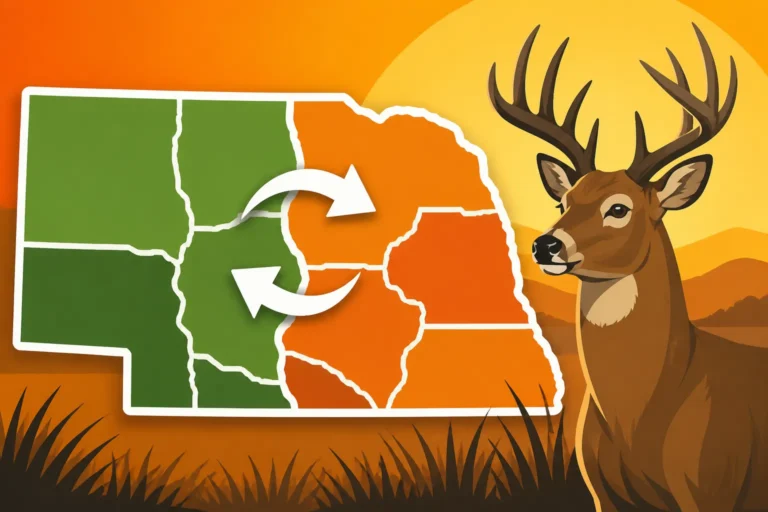
Crucially, these permits are almost always unit-specific. This means the permit is valid only within the deer management unit where your eligible land is located. If your property spans two units, you would generally apply for a permit for the unit where the majority of your eligible land lies, or for separate permits if allowed and necessary. Always verify the specific type of permit you are applying for and its validity.
Hunting Seasons Available to Landowners
Landowner permits typically align with the general hunting seasons in Nebraska, providing flexibility for when you can harvest your deer. This includes:
- Archery Season: Nebraska's archery season is famously long, often running for Nebraska's Four-Month Archery Deer Season. Landowners with archery permits can utilize this extensive season to pursue deer.
- Firearm Season: For landowners holding firearm permits, the Nebraska's Nine-Day November Firearm Deer Season is usually the most popular time to hunt. This season is intense and offers a high success rate.
- Muzzleloader Season: Landowners with valid muzzleloader permits can participate in the December muzzleloader season, providing an excellent opportunity after the firearm rush.
- Late Antlerless Seasons: Many units offer late-season antlerless opportunities, often in December or January, which can be particularly useful for landowners needing to further reduce deer numbers or fill their freezers.
It's vital to check your specific permit for its validity dates and the legal weapons allowed during those periods. While you own the land, you are still subject to all state hunting regulations regarding seasons, shooting hours, and legal methods of take.
Important Rules and Mule Deer Restrictions
Nebraska implements specific rules, particularly regarding mule deer, to ensure the health and recovery of their populations in certain areas. In some deer management units, there are Mule Deer Conservation Area regulations. These rules restrict the take of mule deer to antlerless animals only, regardless of permit type, or require a specific permit that is explicitly for mule deer. If your land is in an area known for mule deer, especially in the western half of the state, you must be acutely aware of these restrictions. Misidentifying a mule deer for a whitetail, or vice-versa, and harvesting illegally can lead to significant penalties.
Furthermore, all general hunting regulations apply to landowners, including:
- Tagging Requirements: Immediate tagging of a harvested deer is mandatory.
- Reporting Harvest: All harvested deer must be reported to NGPC online or via telephone.
- CWD Sampling: You may be required to submit your deer for Chronic Wasting Disease (CWD) sampling in certain units. Understanding Chronic Wasting Disease in Nebraska and carcass transport rules, especially Carcass Transport Rules Out of Nebraska, is essential.
- Blaze Orange: During firearm seasons, blaze orange requirements apply to all hunters, including landowners, even on private land.
Being a landowner doesn't grant exemption from these critical rules designed for safety, management, and disease control.
Maximizing Your Landowner Hunting Opportunity
Owning land gives you an incredible advantage beyond just having a permit; it allows you to actively shape the hunting experience and the quality of the deer on your property. By focusing on habitat and thoughtful management, you can create a truly exceptional hunting haven for yourself and your family.
Habitat Improvement for Better Deer Hunting
One of the most powerful tools a landowner has is the ability to influence habitat. Good habitat equals more deer, healthier deer, and more consistent hunting opportunities. Even small changes can make a big difference:
- Food Plots: Planting dedicated food plots with crops like clover, brassicas, or winter wheat can attract and hold deer on your property. Consider varieties that provide forage during critical times, such as the late season when natural food sources dwindle.
- Cover and Bedding Areas: Deer need thick cover for bedding, especially during hunting season. This could mean leaving areas of tall grass, creating brush piles, or planting dense native shrubs. Think about Where Nebraska Whitetails Bed in Row-Crop Country are likely to seek refuge.
- Water Sources: While Nebraska has many natural water sources, ensuring year-round access to clean water can be a draw, especially during dry periods.
- Sanctuary Areas: Designate parts of your property as "no-hunt" zones or sanctuaries. This allows deer to feel safe and can encourage them to stay on your land, especially when hunting pressure is high in surrounding areas.
- Timber Stand Improvement: If you have timber, practices like selective cutting can promote new growth and increase browse, creating more food and cover.
Investing in habitat not only benefits deer but also other wildlife, enriching your entire property. Resources like GoHunt sometimes offer mapping tools that can help visualize habitat features and plan improvements, allowing you to identify ideal locations for food plots or bedding cover.
Hosting Family and Friends Under Landowner Provisions
Many landowners love the idea of sharing their property and the hunting experience with family and friends. Nebraska's landowner permit system often includes provisions for this, though rules vary. Typically, a landowner with an eligible permit can designate a certain number of family members (e.g., spouse, children, grandchildren) to hunt on their property under the landowner permit's conditions, often requiring them to purchase their own permits that are then "endorsed" for the landowner's property.
This is a fantastic way to introduce new hunters, especially youth, to the sport in a controlled and familiar environment. It fosters a sense of tradition and shared experience. However, it's critical to understand the exact regulations regarding who can hunt under your landowner status and what permits they need. Simply allowing anyone to hunt with your permit is illegal. Always consult the NGPC regulations for the current year to ensure you are legally hosting your guests. It’s a great opportunity for Youth Deer Permits and Mentored Hunts to thrive.
Ethical Considerations and Property Stewardship
Being a landowner hunter comes with significant responsibilities. Beyond just following the law, ethical considerations and good stewardship are paramount:
- Respecting Neighbors: Just because you own your land doesn't mean you can disregard your neighbors. Be mindful of property lines, shot distances, and noise. Clear communication with adjacent landowners can prevent many issues.
- Fair Chase: Uphold the principles of fair chase. Don't exploit your ownership by using unethical methods.
- Data Collection: Consider keeping records of the deer you see, the deer you harvest, and any notable observations. This data can be invaluable for tracking population trends on your property and making informed management decisions.
- CWD Awareness: Participate in CWD sampling if requested. It's a vital part of managing herd health, and as a landowner, you have a unique opportunity to contribute to this effort.
- Safety First: Always prioritize safety, especially when hunting with others. Clearly communicate hunting plans, use appropriate safety gear, and ensure firearms are handled responsibly.
These practices not only enhance your hunting experience but also contribute to a positive public image of hunting and private land stewardship.
Landowner Permits Versus General Public Permits
It’s helpful to view landowner permits in contrast to the general public permit system. While both ultimately lead to a deer tag, the pathways and underlying philosophy are quite different.
A Side-by-Side Comparison of Benefits and Limitations
Let’s lay out the key differences to clarify when a landowner permit is the right choice, or when you might need to consider other options.
| Feature | Landowner Deer Permit | General Public Deer Permit |
|---|---|---|
| Eligibility | Must be Nebraska resident, own 80+ acres of ag land. | Open to any eligible hunter (resident/nonresident). |
| Availability | Higher likelihood of obtaining, often less competitive. | Often limited by draw odds, highly competitive in some units. |
| Valid On | Primarily valid only on the eligible landowner's property. | Valid anywhere within the specified deer management unit. |
| Cost | Requires annual hunt permit & habitat stamp. | Requires annual hunt permit & habitat stamp, plus permit fee. |
| Species/Sex | Varies by unit (Any-Deer, Antlerless-Only). | Varies by unit (Any-Deer, Antlerless-Only, Antlered-Only). |
| Purpose | Acknowledges land stewardship, aids in local management. | Provides general hunting opportunity, state-wide management. |
| Non-Resident | Not typically available as a specific "landowner" permit for non-residents, though some states have exceptions. Nebraska's landowner program is resident-focused. | Non-residents compete in a separate, often tougher, draw. |
This table clearly illustrates that while landowner permits offer a more direct path to hunting on your own ground, they are specifically tied to that property. For hunters without eligible land, or for landowners wishing to hunt elsewhere, the general public draw is the primary route.
Strategic Planning for Deer Management on Your Property
For landowners, the permit is just one piece of the puzzle. Strategic deer management on your property can involve a combination of approaches:
- Using Landowner Permits: Use your permits primarily for harvesting deer that align with your management goals, whether it's taking antlerless deer to control population numbers or harvesting a mature buck you've observed.
- Applying for Additional Permits: If you have aggressive population control goals, you might consider applying for additional antlerless permits through the general public draw if available in your unit. This allows you to harvest more deer than your landowner permit alone might allow.
- Encouraging Others: Sometimes, allowing responsible hunters, perhaps friends or family who draw their own permits for your unit, to hunt your property can also help with management goals, particularly if you need to reduce overall deer numbers. This requires clear agreements and understanding of Asking a Nebraska Farmer for Permission and specific state rules.
- Data-Driven Decisions: Keep track of deer observations, trail camera photos, and harvest data on your property. This information, combined with local NGPC harvest statistics, can help you make informed decisions about your property's deer population and what types of permits you should apply for in future years. Using tools like GoHunt for detailed unit harvest data, even if it's broad, can provide context to your local observations.
Ultimately, a landowner deer permit in Nebraska is a valuable tool, but it's most effective when integrated into a broader strategy of habitat improvement and thoughtful wildlife management. It's a testament to the fact that responsible land ownership and ethical hunting go hand-in-hand in the Cornhusker State.
Disclaimer
Please note that hunting regulations, seasons, and permit requirements can change. This guide provides general information based on current understanding. Always consult the official Nebraska Game and Parks Commission regulations and resources for the most up-to-date and accurate information before planning any hunting activities.