Nebraska Apprentice Hunter Exemption
It's incredibly frustrating when you or a young person in your life is eager to get out into Nebraska's amazing hunting grounds, but the hunter education requirement feels like a big hurdle. You want to learn, you want to participate, but finding the time or resources for a full course can be tough. This guide is all about understanding the Nebraska Apprentice Hunter Exemption, a fantastic pathway designed to get new hunters into the field safely and legally, allowing them to gain invaluable experience before committing to full certification.
What is the Nebraska Apprentice Hunter Exemption?
The Nebraska Apprentice Hunter Exemption is a brilliant program designed to introduce new hunters, of any age, to the sport under the direct supervision of an experienced, certified hunter. It acknowledges that hands-on learning, especially when guided by a knowledgeable mentor, is often the most effective way to grasp the nuances of hunting. It's essentially a temporary pass, allowing individuals to experience hunting firsthand before they complete their formal hunter education course.
Bridging the Gap to Hunter Education
For many, the biggest barrier to getting started in hunting isn't a lack of interest, but rather the logistics of completing a hunter education course. Life gets busy, classes might not be offered at convenient times, or perhaps a new hunter just wants to try it out to see if it's for them before investing significant time. The apprentice program perfectly bridges this gap. It allows a provisional entry into the field, ensuring that potential hunters don't get discouraged before they even start. It’s a smart way for Nebraska Game and Parks to encourage participation while still prioritizing safety and ethical conduct.
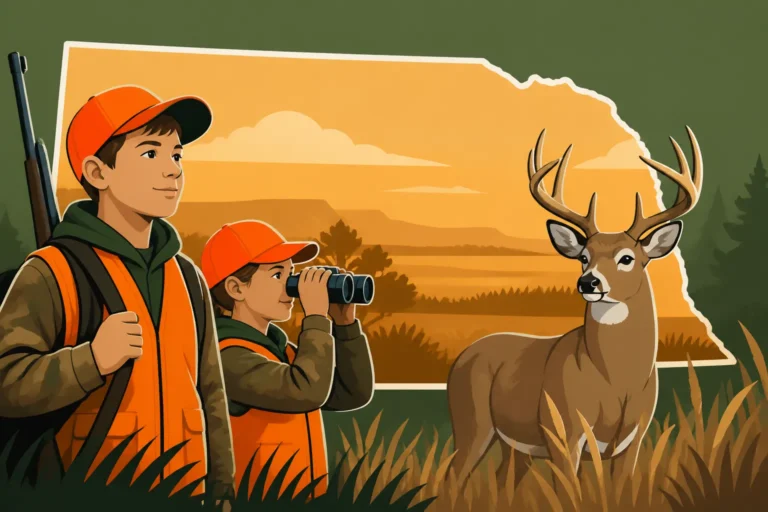
Imagine a parent who wants to introduce their teenager to deer hunting, but the teen's sports schedule makes it impossible to attend a multi-day hunter education class before the season starts. The apprentice exemption offers a solution, letting them get out there with proper supervision. It's also ideal for adults who might be new to the state or never had the opportunity to hunt as a child, allowing them to learn from a seasoned friend or family member.
The Philosophy Behind the Program
The core philosophy behind the apprentice exemption is that mentored experience is paramount in developing responsible, ethical hunters. While classroom instruction covers vital safety rules, regulations, and conservation principles, nothing quite replaces the real-world scenarios you encounter in the field. Learning to read sign, understanding animal behavior, practicing safe firearm handling in dynamic environments, and making ethical decisions all become more tangible with a mentor by your side.
This program fosters a tradition of passing down knowledge from one generation to the next, or from an experienced hunter to a newcomer. It’s about more than just pulling a trigger; it’s about understanding the land, the wildlife, and the responsibilities that come with being a hunter. The mentor isn't just a chaperone; they're an active teacher, demonstrating safe practices and answering questions as they arise, making the learning process organic and deeply impactful. This hands-on approach builds confidence and competence in a way that purely theoretical learning can’t match.
How It Differs from a Full Permit
It's crucial to understand that an apprentice permit is not the same as full hunter education certification. Think of it as a learner's permit for driving; you can operate a vehicle, but only under specific conditions and with a licensed driver in the passenger seat. Similarly, an apprentice hunter must always be accompanied by a qualified mentor who meets specific criteria.
An apprentice permit is essentially a temporary waiver of the hunter education requirement. While it allows participation in most hunting activities, it comes with strict supervision rules. Once the apprentice has experienced hunting for a season or two and decides it's a pursuit they want to continue, they are then expected to complete a formal hunter education course to obtain full certification. This ensures that while initial access is made easy, long-term participation is built upon a solid foundation of comprehensive knowledge. Without that full certification, you won't be able to hunt unsupervised, purchase certain permits, or participate in some specific hunts.
Eligibility and Requirements for Apprentice Hunters
Understanding who can be an apprentice hunter and what rules they must follow is key to using this exemption correctly and safely. It's not a free pass; it's a structured learning opportunity with clear guidelines.
Who Qualifies as an Apprentice Hunter
The beauty of the Nebraska Apprentice Hunter Exemption is its broad applicability. It’s not just for youth; any person, regardless of age, who has not yet completed a certified hunter education course can utilize this program. This means adults who are new to hunting, perhaps having moved to Nebraska or simply deciding to pick up the sport later in life, can also benefit from this mentored experience. The primary qualification is simply the lack of a hunter education certificate.
This inclusivity is a major advantage for hunter recruitment. Many adults might feel intimidated by starting hunter education from scratch without any prior field experience. The apprentice program allows them to try it out, see if hunting resonates with them, and build practical skills before diving into the formal coursework. This significantly lowers the barrier to entry for many potential hunters across various age groups.
The Role and Responsibilities of the Mentor
The mentor is the cornerstone of the apprentice hunter program. Their role is not just to accompany the apprentice, but to actively teach, supervise, and ensure safety at all times. To be a qualified mentor in Nebraska, an individual must be at least 19 years old and possess a valid, Nebraska-issued (or recognized by Nebraska) hunter education certificate. They must also carry a valid Nebraska hunting permit for the game being pursued. The mentor must be in direct, unaided visual and verbal contact with the apprentice at all times while hunting. This means no wandering off to different blinds or positions where you can't immediately see or speak to each other.
The mentor is legally responsible for the apprentice's actions, making their supervision critical. This responsibility includes ensuring proper firearm handling, adherence to all game laws, and teaching ethical hunting practices. It's an important commitment, but one that many experienced hunters are eager to undertake to share their passion. A good mentor is patient, knowledgeable, and prioritizes safety above all else. They'll teach everything from how to use a rangefinder to understanding Nebraska Legal Shooting Hours, ensuring the apprentice understands the full scope of hunting responsibility.
Legal Firearms and Equipment Considerations
For apprentice hunters, the same legal firearms and equipment rules apply as for fully certified hunters. There are no special restrictions or allowances regarding the type of weapon. For instance, if you're pursuing deer, you'll need to adhere to Nebraska's rules regarding Legal Firearms for Nebraska Deer or crossbow regulations if applicable. The key difference isn't the equipment, but the presence and supervision of the mentor.
When it comes to equipment, the mentor should guide the apprentice on appropriate gear, from clothing suitable for the Nebraska wind and cold to the right ammunition for the game. This is also where a mentor can provide invaluable advice on planning a hunt, perhaps using tools like GoHunt to scout public land opportunities or understand game movements. They can also explain Orange Requirements for Archers in November or for rifle hunters during the general firearm season, ensuring the apprentice is properly visible and safe.
Benefits and Limitations of the Apprentice Program
The apprentice hunter exemption offers some fantastic advantages, particularly for newcomers, but it also has its boundaries that every participant needs to be aware of.
Gaining Real-World Experience Safely
The most significant benefit of the apprentice program is the opportunity to gain practical, hands-on experience in a controlled and safe environment. Learning to hunt isn't just about reading a book; it's about navigating diverse terrains, understanding animal behavior, making quick decisions, and developing a deep respect for the outdoors. With a mentor constantly by their side, apprentices can experience all of this without the pressure of being solely responsible for every decision.
Imagine an apprentice learning to set up on a Nebraska Cornfield Edge for deer, observing how the wind affects scent, or how deer move through cover. These are lessons best learned in the field, with an expert pointing out the nuances. The mentor can correct mistakes in real-time, demonstrate proper techniques, and ensure that every hunting encounter is a valuable learning opportunity. This practical experience is often what truly ignites a lifelong passion for hunting and outdoor stewardship.
When the Exemption Doesn't Apply
While the apprentice hunter exemption is a great tool, it's not a universal pass. There are specific situations where even an apprentice hunter must have full hunter education certification. For example, if an individual wishes to hunt unsupervised, they must have their hunter education certificate. The exemption is strictly for mentored hunting. Additionally, certain special permits or lottery applications, such as for elk or bighorn sheep, might require proof of full hunter education, even if the general hunting permit does not.
It's also important to remember that this exemption is specific to the hunter education requirement. Apprentices still need to purchase the appropriate hunting permits and stamps, such as a Nebraska Resident Deer Permit Cost or a Nebraska Habitat Stamp and Hunter Education. The exemption doesn't negate any other legal requirements for hunting in Nebraska. Always check the current regulations with Nebraska Game and Parks or consult resources like GoHunt's state-specific guides to ensure full compliance.
Important Safety Rules to Always Follow
Safety is paramount in hunting, and while the mentor is primarily responsible, the apprentice must also understand and adhere to fundamental safety rules. The four primary rules of firearm safety — treat every firearm as if it's loaded, always point the muzzle in a safe direction, keep your finger off the trigger until ready to shoot, and be sure of your target and what's beyond it — are non-negotiable. The mentor will reinforce these continuously.
Beyond firearm safety, apprentices must learn about proper field dressing and cooling game in warm weather, understanding terrain and navigation, and always respecting private property, which includes understanding Nebraska Trespass and Permission Law. These are all critical aspects of responsible hunting that a good mentor will drill into their apprentice. The entire experience is a prolonged safety lesson, teaching vigilance, responsibility, and sound judgment in dynamic outdoor settings.
Transitioning from Apprentice to Certified Hunter
The apprentice hunter exemption is a stepping stone, not a destination. For those who embrace the hunting lifestyle, the next logical and highly recommended step is to complete formal hunter education.
Next Steps After Your Apprentice Experience
After an enriching season or two as an apprentice, most new hunters realize the immense value of full hunter education certification. This is the time to transition from being supervised to becoming a fully independent and knowledgeable hunter. The hands-on experience gained with a mentor will make the formal coursework much more meaningful, as the apprentice will have a practical context for the rules and concepts taught in the classroom.
The process is straightforward: once you've decided to pursue full certification, enroll in a Nebraska Hunter Education course. You can choose between traditional in-person classes, which often include a live-fire exercise, or online courses followed by a required field day. The specific requirements for Who Nebraska Requires to Take Hunter Education are clear, and completing the course ensures you have the comprehensive knowledge base for safe and ethical hunting.
Finding Hunter Education Courses in Nebraska
Nebraska Game and Parks offers a variety of hunter education courses throughout the year and across the state. They typically publish schedules online, and you can often search by location to find a class convenient for you. Organizations like the National Shooting Sports Foundation and various local gun clubs also often host certified courses. Many find that Taking Hunter Education Online in Nebraska is a flexible option, allowing them to complete the bulk of the material at their own pace, then attending a shorter field day to demonstrate practical skills.
When looking for a course, consider your learning style. Some prefer the structured environment of a classroom, while others appreciate the flexibility of online learning. No matter which option you choose, make sure it is a Nebraska Game and Parks Commission-approved course to ensure your certification is valid. Resources like GoHunt sometimes have listings or links to official state education portals, making it easier to locate a suitable course near you.
The Long-Term Benefits of Full Certification
Obtaining full hunter education certification is an investment that pays dividends for a lifetime. Firstly, it allows you to hunt independently, giving you the freedom to explore Nebraska's diverse hunting opportunities, whether it's Bowhunting Nebraska's Four-Month Archery Season or chasing upland birds. Secondly, it often makes it easier to acquire permits and participate in specialized hunts. Beyond the practicalities, full certification deepens your understanding of wildlife management, conservation, and ethical hunting practices.
A certified hunter is a responsible steward of our natural resources, equipped with the knowledge to make informed decisions in the field. This commitment helps ensure that hunting traditions continue for future generations. It’s about being part of a larger community of conservationists who understand the importance of sustainable hunting and respect for wildlife. Plus, that certification is often recognized in other states, broadening your hunting horizons even further!
Nebraska Apprentice Hunter vs. Certified Hunter
To help clarify the differences and requirements, here's a quick comparison:
| Feature | Apprentice Hunter Exemption | Fully Certified Hunter |
|---|---|---|
| Hunter Education Required | No, exempted under supervision | Yes, a valid hunter education certificate is mandatory |
| Supervision Required | Yes, by a certified mentor (19+ with valid HE & permit) | No, can hunt independently |
| Age Restriction | Any age (but youth under 12 have specific rules for firearms) | Any age (after completing HE course) |
| Permit/Stamps Needed | Yes, appropriate hunting permits and habitat stamp | Yes, appropriate hunting permits and habitat stamp |
| Scope of Hunting | Most general seasons, under direct supervision | All legal seasons and areas, including unsupervised |
| Long-Term Goal | Intended as a temporary learning phase leading to certification | The standard for all independent hunters |
| Out-of-State Recognition | Generally not recognized by other states as "certification" | Widely recognized across North America |
Disclaimer
Please remember that hunting regulations can change. While every effort has been made to provide accurate and up-to-date information, it is your responsibility to verify all rules and regulations with the Nebraska Game and Parks Commission before heading afield. This guide is for informational purposes only and should not be considered legal advice.